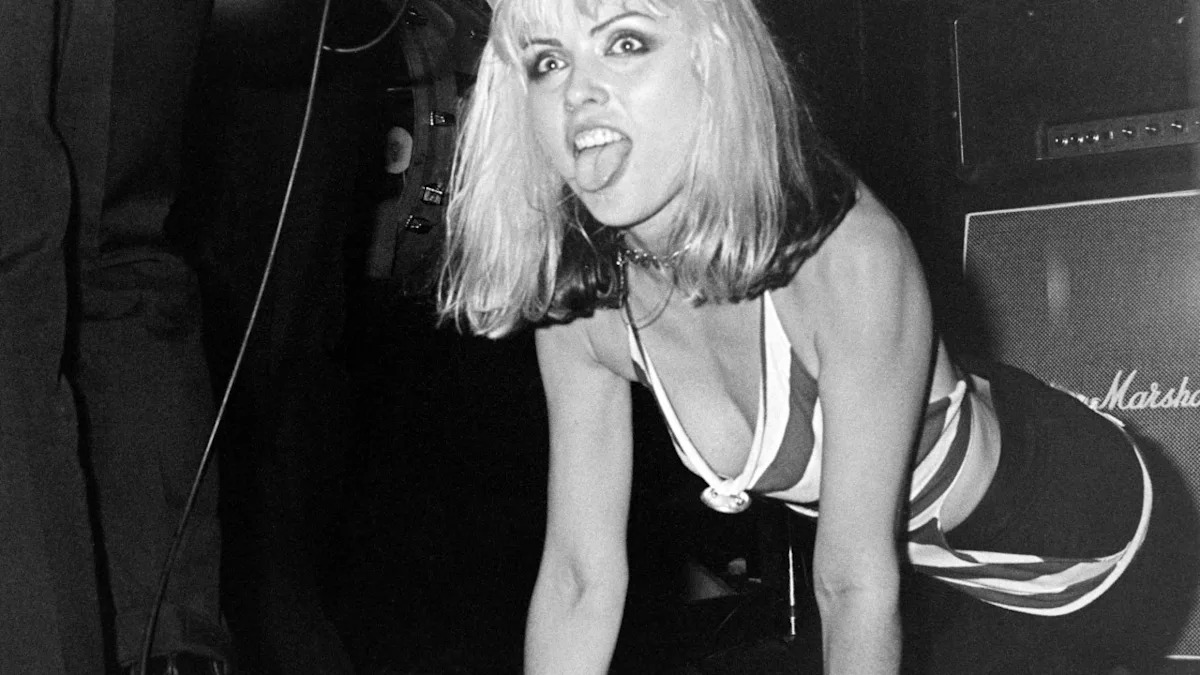
Forty-eight years ago today, according to This Day in Music, a pivotal moment in music history unfolded when Blondie signed their first major record label contract with Chrysalis Records. This seemingly routine business transaction would prove to be the catalyst that transformed the New York new wave pioneers from underground favorites into global superstars.
Blondie was formed in 1974 by singer Debbie Harry and guitarist, Chris Stein. Blondie had already established themselves as key figures in the emerging American new wave and punk scenes of the mid-1970s. The band’s unique blend of punk attitude, pop sensibility, and art rock experimentation set them apart in New York’s vibrant underground music landscape.
Underground Success, Mainstream Struggles
Before their Chrysalis deal, Blondie faced the classic artist dilemma of critical acclaim without commercial breakthrough, according to The Current. While their first two albums showcased strong elements of both new wave and punk genres, achieving success in the United Kingdom and Australia, the band remained largely underground in their home country.
The American music industry hadn’t quite caught up to the new wave movement that was gaining traction overseas. Radio programmers and record executives struggled to categorize Blondie’s sound, which seamlessly blended punk’s raw energy with disco rhythms, pop hooks, and avant-garde sensibilities.
The Chrysalis Connection
The signing with Chrysalis Records represented more than just a business deal—it was validation for a band that had been pushing boundaries since their inception. The label, known for supporting innovative artists, recognized Blondie’s potential to bridge the gap between underground credibility and mainstream appeal.
Chris Stein’s visionary guitar work and songwriting, combined with Harry’s magnetic stage presence and distinctive vocals, created a sound that was both accessible and challenging. The partnership with Chrysalis provided the resources and industry support necessary to reach a broader audience without compromising their artistic vision.
The Foundation for Legendary Success
This contract signing set the stage for what would become one of the most remarkable success stories in popular music. Just one year later, Blondie would release “Parallel Lines” in 1978, the album that would catapult them to international stardom and produce the disco-punk hybrid “Heart of Glass.”
The song that would define their legacy combined everything that made Blondie special: Harry’s cool, detached vocals over Stein’s innovative guitar arrangements, all wrapped in a production that made punk palatable for mainstream radio. It reached No. 1 in multiple countries and established the template for new wave’s commercial viability.
Lasting Legacy
The Chrysalis deal proved visionary, as Blondie went on to sell over 40 million albums worldwide. According to Blondie.net, they pioneered the integration of punk, disco, reggae, and early rap influences that would define much of 1980s popular music. Harry became a style icon whose influence can be traced through decades of female performers, from Madonna to Lady Gaga.
Their Rock and Roll Hall of Fame induction in 2006 and continued touring into the 2020s prove that the momentum generated by that 1977 contract signing continues to resonate. The band that once seemed too edgy for American radio became one of the most enduring acts in popular music.
Looking back, that momentous step 48 years ago represents more than a business transaction—it was the beginning of Blondie’s transformation from New York underground heroes to global legends who helped define the sound of modern popular music.
This story was originally reported by Parade on Sep 1, 2025, where it first appeared in the News section. Add Parade as a Preferred Source by clicking here.
‘ The preceding article may include information circulated by third parties ’
‘ Some details of this article were extracted from the following source www.yahoo.com ’