Sixty-five years ago today, Alfred Hitchcock unleashed what would become cinema’s most disturbing mother-son relationship on unsuspecting audiences. Psycho premiered nationwide on September 8, 1960, introducing the world to Norman Bates and forever changing how people felt about motel showers.
The film shocked viewers in ways no movie had before, establishing new rules for what audiences could expect from Hollywood thrillers. According to Roger Ebert, Hitchcock deliberately crafted the experience to feel like exploitation cinema, shooting in black and white with his television crew rather than his usual expensive feature team.
What made Psycho revolutionary wasn’t just its violence—it was Hitchcock’s masterful manipulation of audience expectations. The apparent heroine, Marion Crane, meets her demise only a third of the way through the film, forcing viewers to emotionally transfer their investment to her killer, Norman Bates.
Why Did Hitchcock Create Such a Disturbing Mother-Son Dynamic?
The relationship between Norman and his controlling mother became the film’s psychological centerpiece. Anthony Perkins delivered a career-defining performance as the seemingly gentle young man whose devotion to his deceased mother drives him to murder.
Norman’s dual personality disorder, revealed in the film’s climax, reflected Hitchcock’s fascination with ordinary people trapped in extraordinary circumstances. The director understood that audiences would identify with Norman’s guilt and fear, even while being horrified by his actions.
Hitchcock’s approach was revolutionary for its time. Rather than creating a traditional monster, he presented a sympathetic character whose psychological damage made him simultaneously pitiable and terrifying.
The Shower Scene That Changed Cinema Forever
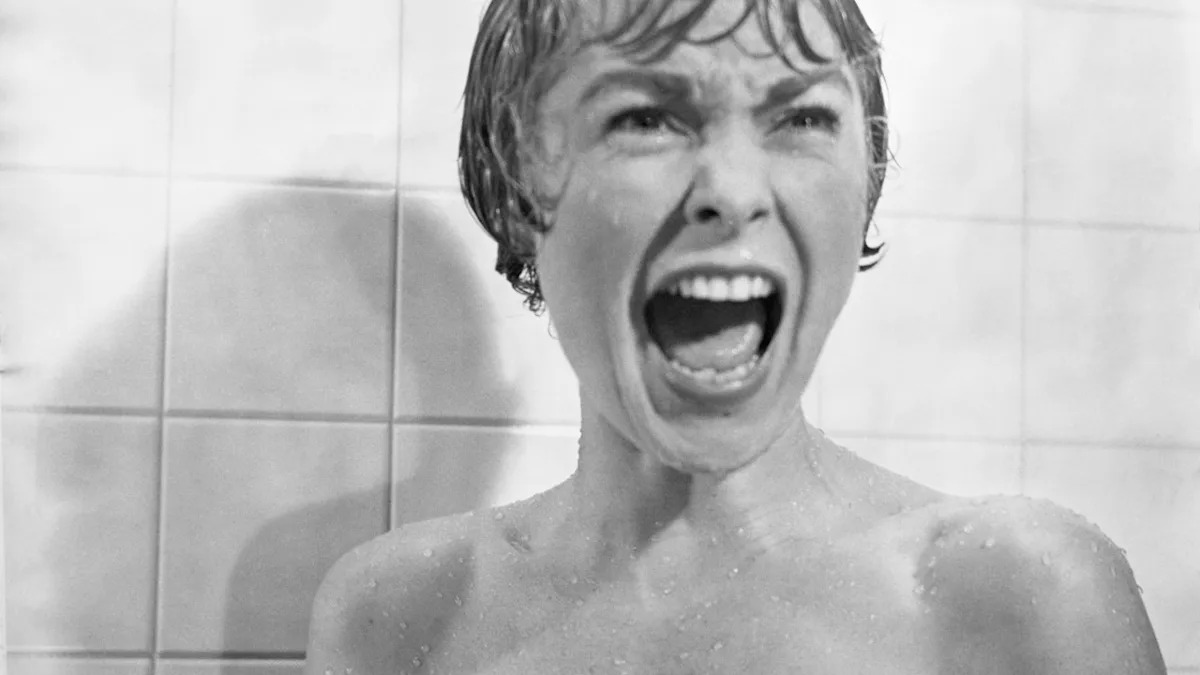
The infamous shower sequence is still, to this day, one of cinema’s most effective and influential scenes. Hitchcock achieved maximum impact through artistry rather than graphic detail—the knife never actually touches Janet Leigh‘s skin on screen.
The director’s use of quick cuts, dramatic angles, and Bernard Herrmann’s shrieking violin score created visceral terror without explicit violence. The sequence taught filmmakers that psychological manipulation could be more powerful than gore.
Modern audiences might find the scene tame compared to today’s horror films, but its cultural impact cannot be overstated. That shower scene fundamentally and absolutely changed audience expectations and inspired countless imitators across decades of cinema.
Related: ’70s Folk Rock Legend Neil Young Performs ‘Heartbreaking’ Song for First Time in 6 Years
Psycho’s Lasting Impact on Pop Culture
Psycho established tropes that continue to influence horror films today. The isolated motel setting, the twist revelation about the killer’s identity, and the exploration of fractured family relationships became templates for future thrillers.
The character of Norman Bates became a defining figure in horror cinema, establishing the archetype of the psychologically damaged killer who appears sympathetic on the surface. Norman Bates is an enduring icon of psychological horror. His polite demeanor masking violent tendencies became a archetype for countless fictional killers who followed.
The film also pioneered marketing tactics still used today. Hitchcock’s insistence that viewers see the film from the beginning created unprecedented demand and established the importance of spoiler-free viewing experiences.
A Masterpiece That Endures
Despite knowing its secrets, Psycho continues working as effective horror because Hitchcock built genuine characters and relationships before subverting them. The film succeeds because audiences invest emotionally in both Marion’s desperation and Norman’s loneliness.
Sixty-five years later, Psycho remains a masterclass in psychological manipulation and cinematic craftsmanship. Hitchcock’s exploration of guilt, fear, and family dysfunction continues resonating with audiences who recognize these universal anxieties in their own lives.
This story was originally reported by Parade on Sep 8, 2025, where it first appeared in the News section. Add Parade as a Preferred Source by clicking here.
‘ The preceding article may include information circulated by third parties ’
‘ Some details of this article were extracted from the following source www.yahoo.com ’