For years, event entertainment followed a familiar script: a band, a DJ, maybe a photo booth. But today’s audiences expect more, including interactivity, personalization, and emotional connection. The most successful events now blur the line between entertainment and engagement, giving guests not just something to watch but something to do, feel, and remember.
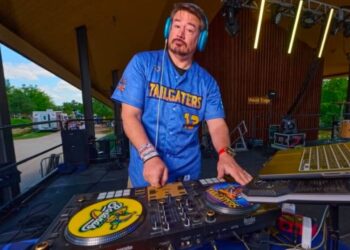
“Traditional passive sessions are falling out of favor,” explains Lee Dyson, owner of Hey Mister DJ in Los Angeles. “Conferences are shifting toward participatory formats. … Whether it’s aligning sessions to broader brand narratives or embedding live cultural acts, attendees want purpose and memorable storytelling in every element.”
That sentiment runs through the current wave of entertainment trends. Guests are gravitating toward experiences that make them feel part of the moment, through tactile creativity, wellness-driven connection, or closer access to the talent they admire. Below, industry experts share what’s hot right now—and why these ideas are resonating.
1. Hands-on creativity
“Today’s audiences are overwhelmed by screens, stress, and uncertainty,” says Emma DiGiammarino, a San Diego-based senior creative strategist at creative agency XD Agency. “They’re looking for experiences that restore rather than just distract. This is reshaping how people gather, engage, and connect.
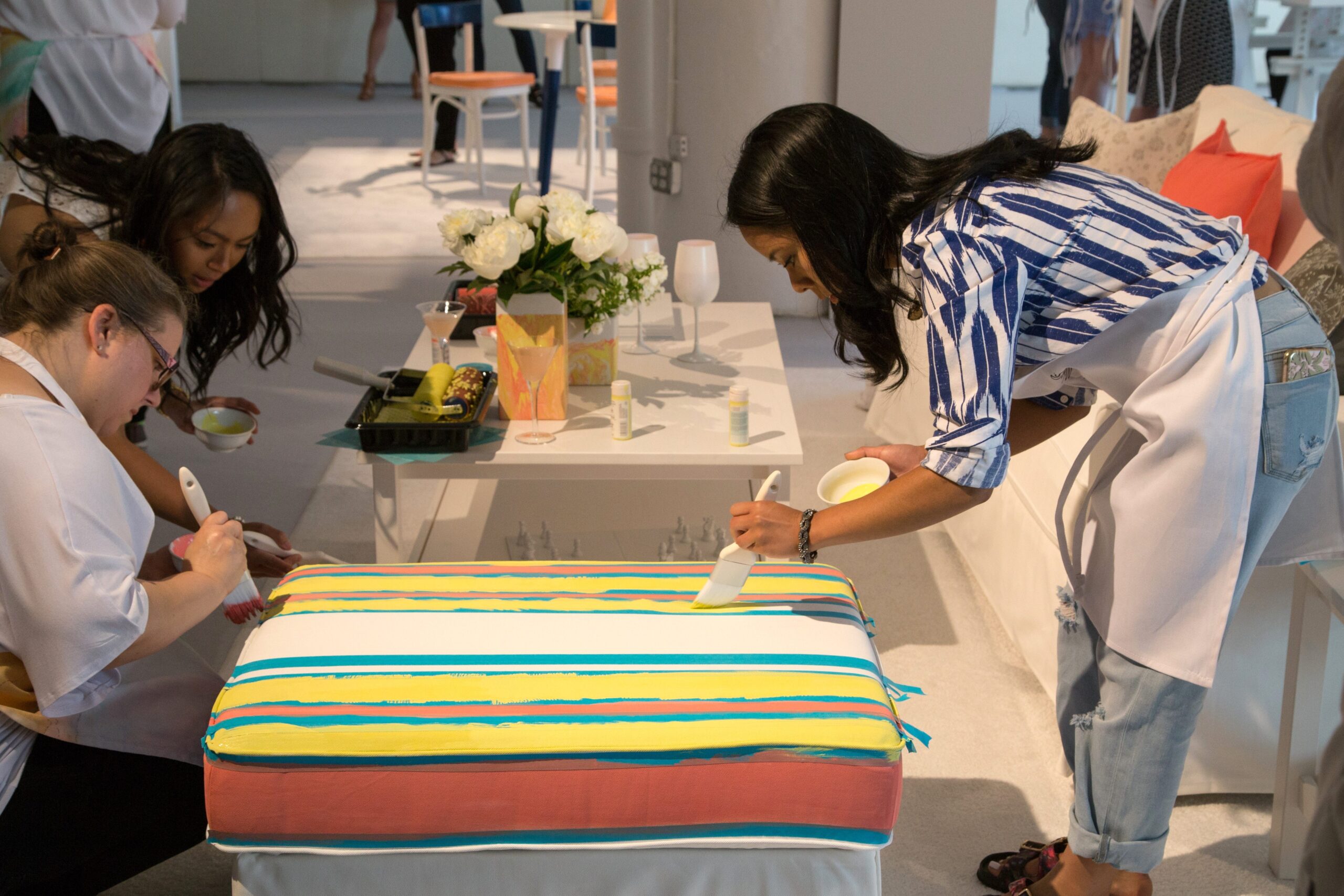
From pottery wheels and latte art stations to sensory scrapbooking and intricate beading bars, tactile activations offer what DiGiammarino describes as “a quiet rebellion against digital overload.” “Guests are seeking moments to slow down and make something real,” she adds. “These activations give people a rare chance to unplug, focus, and walk away with something they created.”
To mark the launch of her new line at Michaels, Martha Stewart hosted a colorful, interactive paint party. Guests were invited to grab paint brushes from window boxes, then go to work painting everything inside the house—including rugs, couches, lampshades, duvet covers, nightstands, and more. Photo: Susie Montagna
See more: Trend Spotted: Turning Guests Into Artists
2. Silent disco
Silent discos are back—and Dyson points to shorter attention spans as one reason: “Due to apps like TikTok, the human attention span has officially dropped to less than a goldfish,” he says. “It’s getting harder and harder for DJs to capture and hold people’s attentions. Silent Disco provides three different music/DJ channels, so the odds of retaining a dance floor and room interest is significantly increased.”
Jo Rivera-Fyler, director of catering for the luxury Four Seasons Hotel Las Vegas, agrees. “Silent discos are a request we’re seeing more often, especially for parties on our terrace. Guests love that they can keep the energy up without disturbing anyone, and it is always hilarious to watch a whole group dancing together in headphones.”
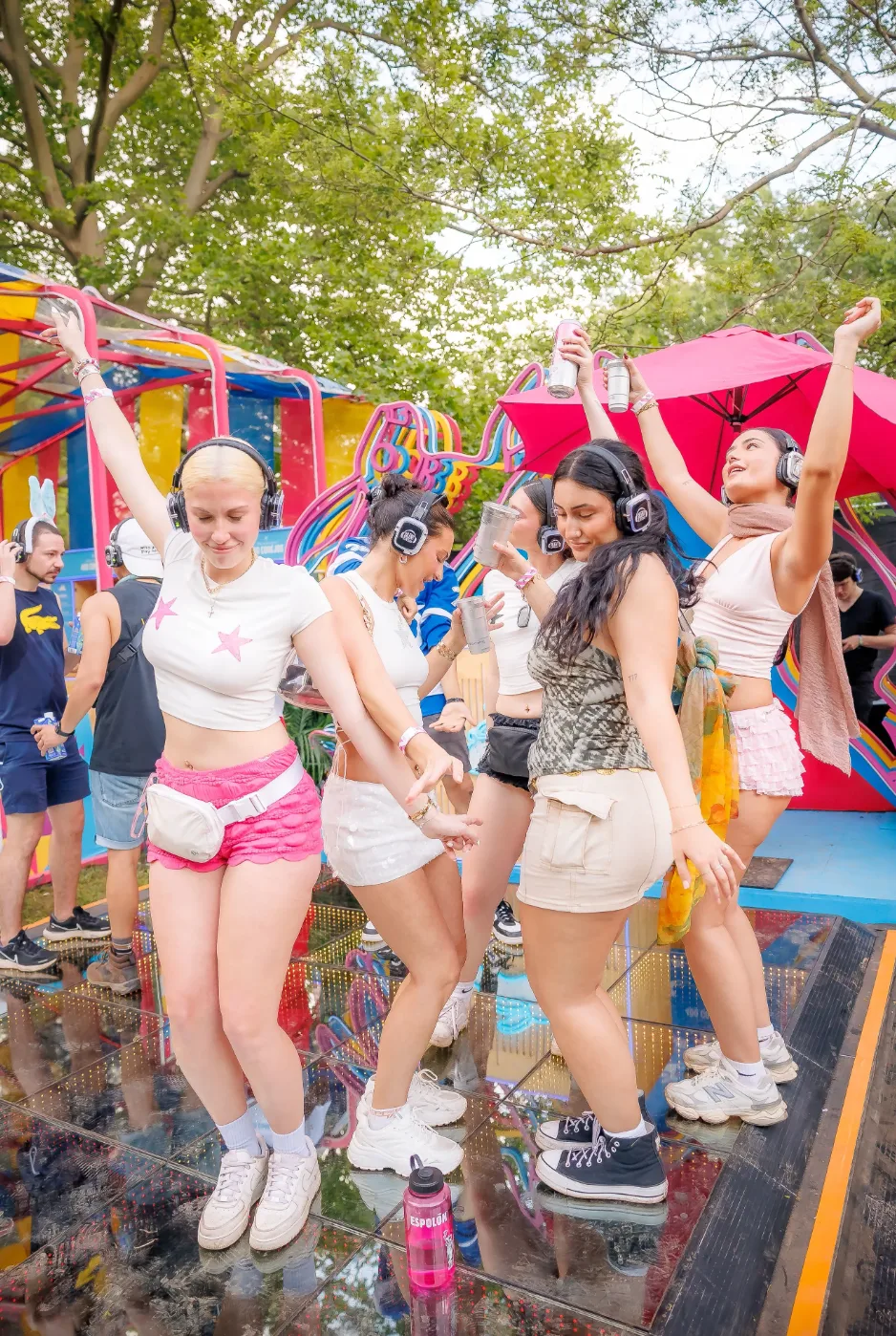
At the annual Governors Ball music festival, held in Queens in June, sponsor 400 Conejos’ silent disco activation served as an after-hours escape. Photo: Courtesy of Live Nation
See more: Gov Ball 2025: 25+ Eye-Catching Brand Activations From the NYC Music Festival
3. Karaoke
Interactive, spontaneous, and just plain fun, karaoke is also having a renaissance at events, Dyson adds. “Karaoke breaks down walls, gets people laughing, and turns the crowd from passive listeners into active participants,” he says. “Suddenly the CEO is singing Bon Jovi, or the bridal party is belting out a boy-band anthem—and everyone in the room is connected through the moment.”
He adds, “In a world that feels intense and overwhelming, people are seeking more joy and authenticity in their social experiences. Karaoke gives permission to let go, be silly, and share in the fun together.”
4. Wellness-driven connection
Entertainment is increasingly blending with wellness programming. “Networking is moving beyond stiff small talk,” says DiGiammarino. “From morning walks/runs to cold plunges, meditation lounges, line dancing, and outdoor games like ping-pong and cornhole, movement is becoming a catalyst for authentic connection. These moments reset the mind, spark joy, and create bonds that feel effortless and real.”
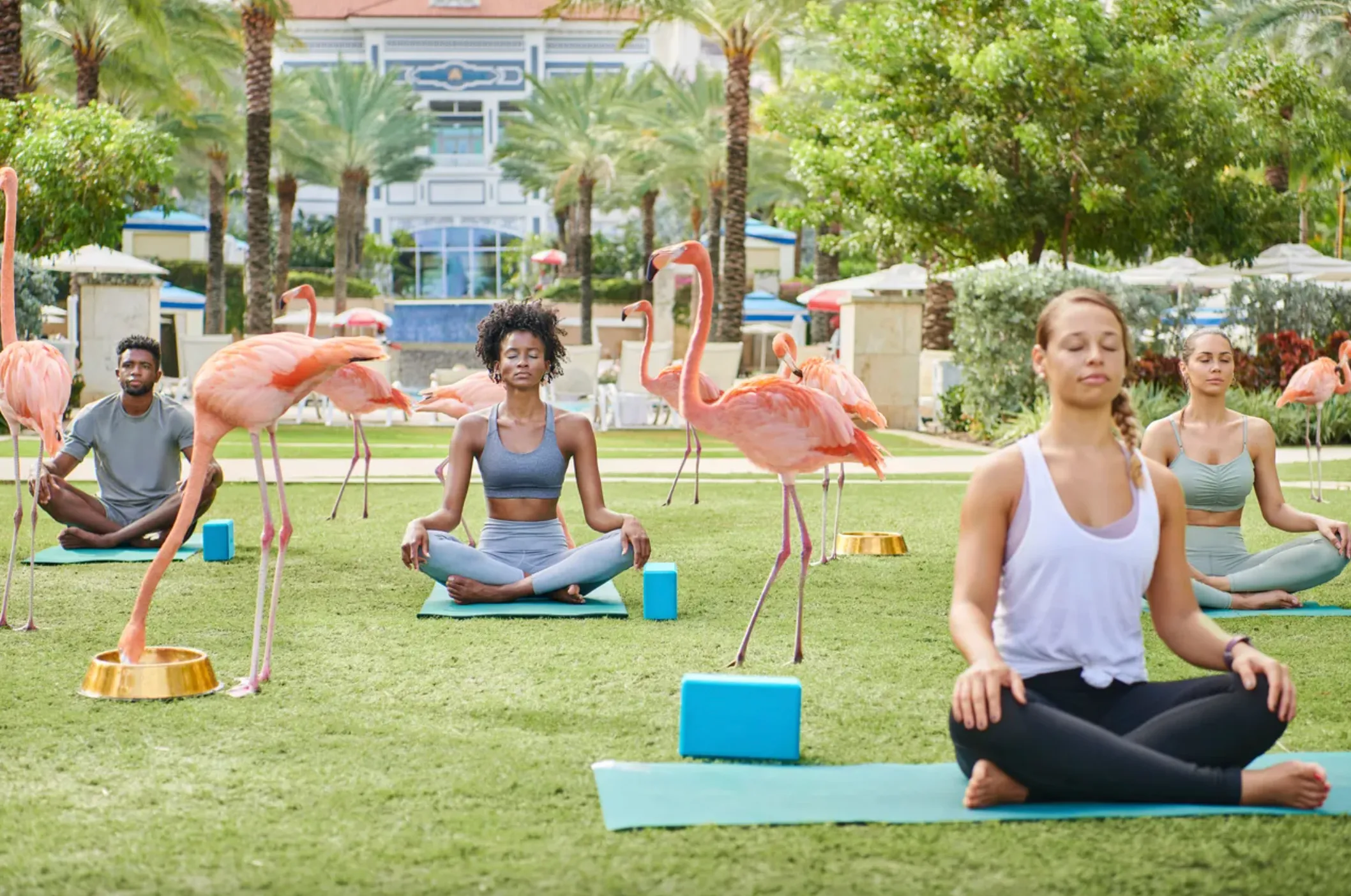
At Baha Mar in Nassau, guests can up their balancing game by participating in Flamingo Yoga. The flamingos apparently love the feel and texture of the yoga mats and like to join in. Photo: Courtesy of Baha Mar
See more: 8 Unique & Unconventional Wellness Activities for Corporate Groups
5. Gamification
Interactive competitions with a dose of nostalgia are also trending. “Our Game Show Experience has been crushing it ever since we came back to live events,” points out Dyson. “Clients love a competitive or bonding activity but are always looking for ‘something new.’ Many of the games parody some classic TV shows everyone knows and loves, so there’s a nostalgia factor. And because they’re customizable, clients can bring in a sponsor and do custom trivia questions that reinforce a brand or reward attendees for attention and retention during a general session or keynote speaker.”
6. Live personalization
Personalized keepsakes are simple but powerful. “I am a big believer that the little touches go a long way,” says Rivera-Fyler. “We’ve had specialists engrave wine glasses with each guest’s name during an event, and people get such a kick out of it. It is simple, but it feels really special and thoughtful.”
Event calligrapher Alex Hirsch, owner of Signs of Our Lives in San Diego, has noticed that live engraving and heat foiling have skyrocketed in demand. “The appeal isn’t just the final keepsake—it’s the magic of watching it come to life right in front of you,” she says. “And beyond just a personalized gifting experience, brands are realizing that guests don’t just want something with their name on it; they want something that feels designed for them, tied to the event’s energy and the brand’s story.”
![image2[80]_copy.jpeg](https://eu-images.contentstack.com/v3/assets/blt725d5e066dc2264b/blt7d590a8c3a6423de/68c4968482b0ddfd3d1940d2/image2[80]_copy.jpeg?width=1280&auto=webp&quality=80&disable=upscale "image2[80]_copy.jpeg")
“Custom engraving on a gold compact mirror or live heat foiling on leather passport holders resonates so much more than another generic tote bag,” adds Hirsch. “It’s art in motion, it’s personal, and it creates a moment that people actually remember and talk about long after the event ends.” Photo: Courtesy of Signs of Our Lives
Live artists are part of this movement too. “Right now, everyone wants something that feels interactive and Instagrammable,” adds Rivera-Fyler. “At a baby shower we hosted in May, the planner brought in [fashion illustrator] Cristina Tudor to sketch guests in real time. People loved watching their portraits come to life, and they left with a keepsake that felt really personal and so fun to share.”
7. Destination-authentic entertainment
Many planners are tapping into local culture to ground events in place. “As planners, we have an opportunity (and responsibility) to deepen our guests’ connection to the city they’re visiting,” says Kimberly Hoffman, vice president of strategy and experience for Accent Indy, a DMC Network Company. “In Indianapolis, this often means leaning into sports-themed activations or experiences, INDYCAR racing, and art/music. A few of our favorites right now? AI trading cards, multistation teambuilding on our NFL field, and Indy’s own Trap Orchestra.”
“[Think through] options to satisfy all personalities. A large dance band for extroverts, a DIY flower crown station for creatives, a wellness lounge for those who want to decompress—these things can all work together at the same event. It ensures every guest feels like something was selected just for them.” —Kimberly Hoffman
8. Closer access to talent
Talent-driven entertainment has become a key request for many brands. “Recently, the strongest driver of client entertainment requests has been talent—to bring audiences closer to the people they admire,” explains Josh Tierney, the New York-based chief creative officer for creative marketing agency BMF. From private concerts with Broadway casts to DJ sets by Paris Hilton or meet-and-greets with TikTok creators, “these experiences don’t just live in the room; they live on through social content and earned media, making them a win-win for both consumers and brands.”
And in the age of creator marketing, Tierney adds, “talent” extends beyond celebrities. “Performers, artists, and cultural creators can provide immersive, wildly creative, and narratively rich entertainment that gives brand experiences a human heartbeat. A beautiful event can feel hollow without connection—talent is what makes it resonate long after the night is over.”
9. Modern mysticism
Mystical experiences are getting a modern refresh. “Ancient rituals are back, reimagined for today,” points out DiGiammarino, noting that tarot, astrology, coffee fortune-telling, and even AI-powered digital horoscopes are showing up at events. “These touchpoints bring wonder and a sense of control, letting people pause, reflect, and connect with themselves and others in unexpected ways.”
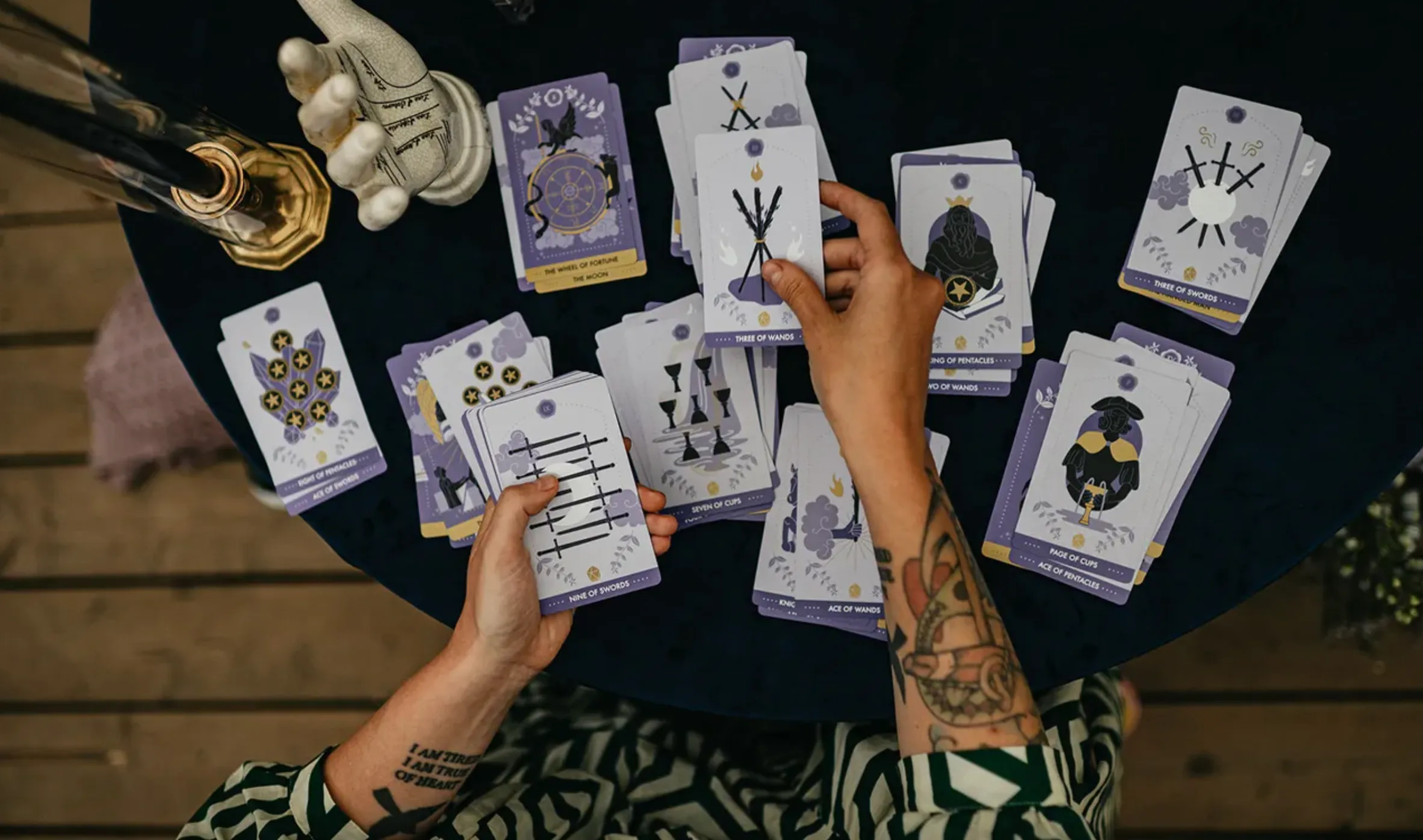
Fashion house Viktor & Rolf celebrated its fragrance Good Fortune with a mystical and spiritual dinner party to help attendees manifest new goals and set meaningful intentions. Throughout the evening, guests could draw cards with a tarot reader. Photo: Wade Muir Photography
See more: 10 Astrology Activations We Love to Inspire Your Next Event
10. Tech-forward surprise and delight
AI-powered novelty is creeping into entertainment in surprising ways. “We’ve been seeing a big uptick in requests for food-focused ‘surprise and delight’ moments that incorporate AI,” says Caroline Cole, a Nashville-based account manager at experiential agency MAS. “Guests love the interactive element of watching AI ‘decide’ what cocktail or sweet treat suits them best. It adds both novelty and memorability to the experience. It’s a trend that taps into personalization while still sparking curiosity and play.”
11. Next-gen photo booths
Photo ops have long been an event staple, but they’re evolving fast. “Clients are asking me for interactive installations like slow-motion video booths, 360-degree capture, and augmented-reality features,” says John Austen, founder and director of Booths By Lux in London. “They want experiences that feel more engaging and immersive, rather than traditional staged photography. These activations give guests a chance to create content that feels personal while still being highly shareable.”
“In a world that feels intense and overwhelming, people are seeking more joy and authenticity in their social experiences.” —Lee Dyson
12. Creative pre-event communications
The entertainment can start before the event even begins. “We’ve been getting more requests for unique and personalized invitations or event teasers,” says Antonia Swenson, the Chicago-based new business coordinator at MAS. “In the attention economy that we live in, brands not only have to stand out from the noise to hold consumers’ attention, but also want to stay top of mind for these consumers for as long as possible—including pre, during, and post-event.”
Across all of these trends, a common thread stands out: interactivity. As Valerie Bihet, founder of VIBE Agency in Miami, puts it: “People don’t just want someone to sing on stage for them. They want to interact in the space and be part of the entertainment. They want more goosebumps and laughs and surprises,” she says. “People feel more connection and belonging if they are part of it than just bystanders.”
For DiGiammarino, that’s the real opportunity for event hosts: “By designing experiences that soothe digital fatigue, create rituals of meaning, and foster movement and connection, brands can deliver what people need most: hope, joy, and a moment to truly feel alive again.”
‘ The preceding article may include information circulated by third parties ’
‘ Some details of this article were extracted from the following source www.bizbash.com ’