This weekend is significant. It’s a celebration and acknowledgement of the people and their contributions that are the bedrock of our nation.
I’m speaking, of course, about Indigenous Peoples Day and Native Americans.
The contributions of the Indigenous peoples of America encompass a wide range of artistic formats these days. In the literary world, authors Louise Erdrich and Stephen Graham Jones are bestselling novelists; Erdrich is considered one of America’s finest authors and Jones is a leader in modern horror fiction. In the realm of television, Sterlin Harjo’s recently concluded series “Reservation Dogs” was a masterpiece of short-form storytelling and his new Ethan Hawke-led caper series “The Lowdown” premiered to rave reviews. Meanwhile, AMC’s moody reservation noir “Dark Winds” has provided a starring platform for acclaimed character actor Zahn McClarnon.
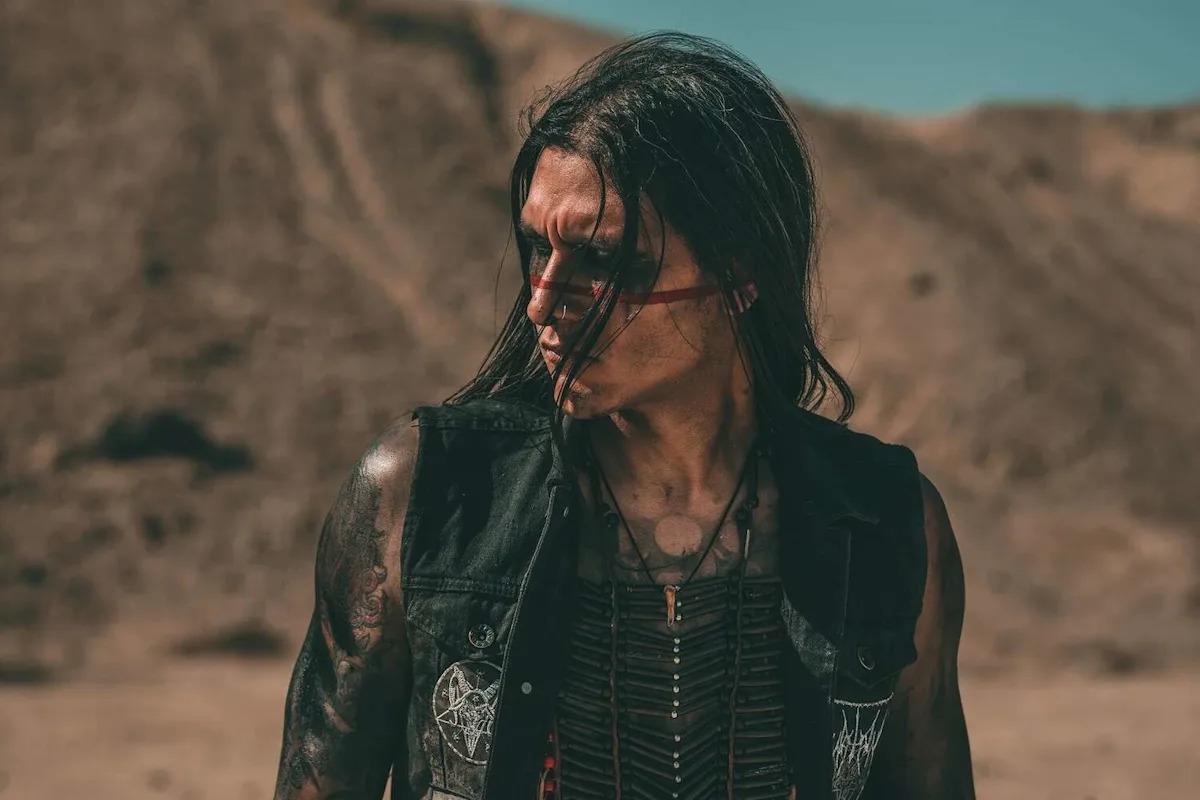
In music, Native Americans are at the forefront of an unlikely genre: black metal. In fact, a recent show at Empire Live served to showcase one such act. On Sept. 28, the Albany venue featured a headlining set from Blackbraid, the stage name of rising metal star and Adirondacks resident Sgah’gahsowáh, with support from prolific West Coast outfit Lamp of Murmuur, led by the mysterious M.
Since starting as a studio project in 2020, Blackbraid has essentially been a solo endeavor, with Sgah’gahsowáh performing all of the music himself. And much like Blackbraid, the studio incarnation of Lamp of Murmuur is, basically, one person: M. For their live shows on the current tour – Blackbraid’s first-ever national headlining effort – the two utilized the same supporting band.
Watching this shared services agreement play out was fascinating, serving to highlight not only each performer’s distinct musicianship but also the diversity of the black metal form.
Lamp of Murmuur was a trip, with a dramatic stage presence. The group was decked out in black-and-white face paint – think “The Crow” – clad in long cloaks. The 40-minute set was one of my favorite performances of the year and hit on the sort of themes a mainstream audience might expect to hear in black metal, name-dropping Satan along with plenty of talk of demonic convergence and witchcraft.
In contrast, Blackbraid’s on-stage dramatism was of a vastly different, more physical variety. The Sacandaga-area resident performed bare-chested with face and body paint that drew inspiration from Indigenous culture rather than black mass rituals. He stalked across the stage, wielding his mic stand like a weapon and, at times, thrusting it above his head or pointing it toward the 700 people in attendance.
In an interview with the Times Union in 2023 discussing his album “Blackbraid II,” Sgah’gahsowáh explained how his lyrics, which draw on nature and the cultural oppression of Indigenous peoples, fit into the black metal genre.
“If you look at the origins of black metal in Scandinavia in the 1980s and ’90s, there are pagan, anti-Christian, nature-worshipping themes. That goes hand-in-hand with the Native American experience; the themes are interchangeable with both cultures,” he said. “Black metal is about the divinity of nature. It’s more based on oppression than rebellion, which is more relevant to Indigenous culture and experience.”
Those concepts sounded through with brutal clarity on blistering versions of “Sacandaga,” “The Dying Death of a Sacred Stag” and the evening-ending “Barefoot Ghost Dance on Blood Soaked Soil.” On stage, these renditions of the songs were more visceral than the album cuts; the use of a live band offered a thrilling dynamic that made the studio versions seem restrained in comparison.
Although his authenticity in the space is the subject of some contentious Reddit threads, the Empire Live audience treated Sgah’gahsowáh like a star. The merch line stretched from the front door and down the length of the bar for most of the evening, only dwindling shortly before his set.
So, what does it all mean?
Obviously, a sick metal show and the ascendancy of an Indigenous performer doesn’t undo centuries of injustice. But it does speak to something else: a certain tenacity and adaptability.
The foundations of the American experience were built over the contributions – and appropriation – of Indigenous culture. Now, artists like Blackbraid and the auteurs and actors mentioned earlier, along with many others, aren’t just resurfacing and reclaiming their identities through various mediums like black metal music. They’re advancing these forms and opening up their cultures to audiences that are likely unfamiliar with them.
While the ways they do so might not be as catchy or tidy as rhyming “In 1492, Columbus sailed the ocean blue,” they can be just as powerful in spreading awareness among certain audiences. That’s important to consider on this weekend, or any other.
This article originally published at Music Matters: Blackbraid leads Indigenous surge in black metal.
‘ The preceding article may include information circulated by third parties ’
‘ Some details of this article were extracted from the following source www.yahoo.com ’