Science fiction has always been more than lasers and spaceships. At its best, it challenges how we see technology, society, time, and even ourselves. Some sci-fi films didn’t just entertain they redefined cinematic language, influenced generations of filmmakers, and shifted pop culture overnight.
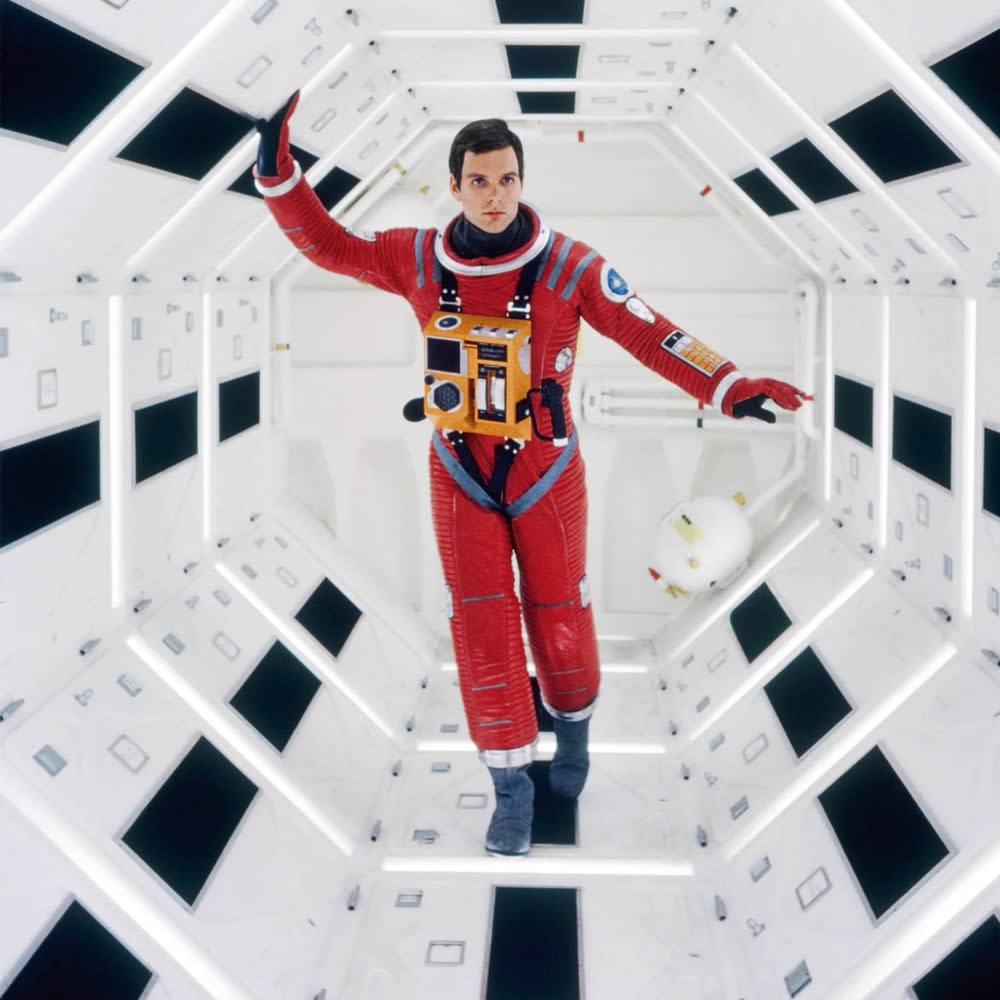
1. 2001: A Space Odyssey (1968)

Stanley Kubrick’s masterpiece redefined what sci-fi could look and feel like. With its slow pacing, philosophical themes, and groundbreaking visual effects, it elevated science fiction into high art. The realistic depiction of space travel and artificial intelligence influenced decades of filmmakers and made audiences comfortable with ambiguity in storytelling.
2. Star Wars (1977)

Anonymous / Pinterest.com
George Lucas transformed the industry by blending sci-fi with mythic storytelling. Its revolutionary special effects, expansive universe, and merchandising model reshaped Hollywood blockbusters forever. It also proved that original sci-fi worlds could dominate the global box office.
3. Blade Runner (1982)

Initially underappreciated, this dystopian neo-noir became one of the most influential sci-fi films ever made. Its moody, cyberpunk aesthetic shaped visual design in cinema, fashion, and even video games. Themes of identity and artificial humanity still feel strikingly modern.
4. The Matrix (1999)

Anonymous / Pinterest.com
Bullet time changed action choreography overnight. Beyond its visual innovations, The Matrix introduced mainstream audiences to philosophical questions about simulated reality, AI, and control systems. It influenced everything from filmmaking techniques to internet culture.
5. Alien (1979)

MrBlue82 / Pinterest.com
By merging horror with science fiction, Ridley Scott created a claustrophobic masterpiece. The film redefined suspense in space and introduced one of cinema’s most iconic heroines. Its gritty realism made outer space feel terrifyingly intimate.
6. Jurassic Park (1993)

Melinda Jeanne Pehanick / Pinterest.com
This wasn’t just about dinosaursvit was about CGI. Steven Spielberg’s use of digital effects revolutionized visual storytelling. After Jurassic Park, audiences expected photorealistic creatures, and Hollywood rapidly accelerated its embrace of computer-generated imagery.
7. The Terminator (1984)

James Cameron’s time-travel thriller introduced a darker vision of AI and machine domination. Its relentless pacing and practical effects set a new standard for sci-fi action. The concept of a technological apocalypse became a defining theme in modern cinema.
8. Inception (2010)

HD MOVIE SOURCE / Pinterest.com
Christopher Nolan made complex, layered storytelling commercially viable. The dream-within-a-dream structure pushed audiences to think actively while watching a blockbuster. It showed studios that ambitious sci-fi could succeed without relying on established franchises.
9. E.T. the Extra-Terrestrial (1982)

Steven Spielberg shifted the tone of alien narratives from fear to empathy. Instead of invasion, we saw connection. The emotional storytelling broadened sci-fi’s appeal and demonstrated its power to move audiences of all ages.
10. Avatar (2009)

avatar / Pinterest.com
James Cameron once again transformed filmmaking with immersive 3D technology and performance capture. Avatar changed expectations for visual scale and world-building, pushing studios to invest heavily in immersive cinematic experiences.
11. Interstellar (2014)

Anonymous / Pinterest,com
Combining emotional storytelling with scientifically grounded black hole physics, Interstellar renewed interest in space exploration narratives. Its collaboration with physicist Kip Thorne demonstrated how blockbuster sci-fi could balance spectacle with real scientific theory.
More Related Notes
10 Most-Watched Movies of 2025
A look at modern blockbusters and audience favorites, highlighting how today’s hits build on the legacy of past game-changing films.
The post 11 Sci-Fi Movies That Changed the Game After Their Release appeared first on Wealth Gang.
‘ The preceding article may include information circulated by third parties ’
‘ Some details of this article were extracted from the following source www.aol.com ’