
What is the origin of April Fools’ Day?
April Fools’ Day is celebrated annually on April 1. Here are some facts you probably didn’t know about the unofficial holiday.
unbranded – Lifestyle
- The exact origin of April Fools’ Day is unknown, but one theory links it to France’s 1582 calendar change.
- The tradition gained popularity in Britain during the 18th century and later spread to America.
- Similar prank-filled holidays are celebrated in other countries, such as on December 28th in Spanish-speaking nations.
The beginning of April for the United States means a full day of jokes and pranks for everyone, but this tradition goes back much further than you may expect.
April Fools’ Day, which takes place on April First, has been around for several centuries and has roots that may be even older. Although the holiday is mostly celebrated in English-speaking countries, it is a well-known event worldwide.
April Fools’ pranks can range from harmless jokes to national headlines, so make sure to examine everything with a close eye on April 1.
Here’s what to know about the history of April Fools’ Day and how it became the modern holiday.
When did April Fools’ Day originate?
As with most old traditions, there is no clear date for when the holiday began, but historians debate a few theories.
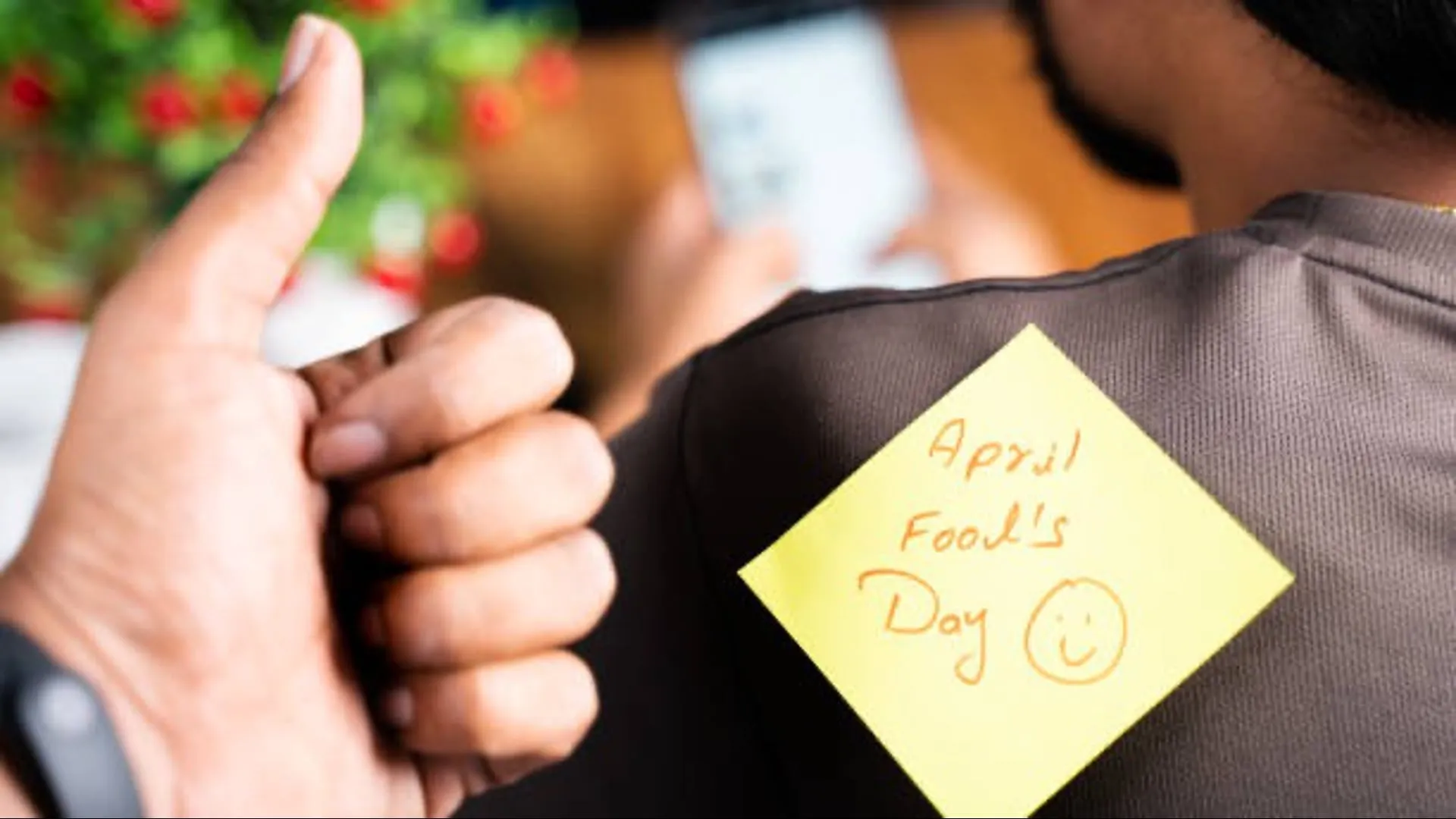
According to the History Channel, some historians believe that April Fools’ Day began in 1582 when France switched from the Julian to the Gregorian calendar. Those who continued to celebrate the new year on April 1 instead of January 1 were called “April fools.” Common pranks included placing paper fish on their backs, known as “poisson d’avril,” to symbolize gullibility.
Historians also relate April Fools’ Day to Hilaria, a joyful festival in ancient Rome, celebrated at the end of March by followers of the cult of Cybele. Participants dressed in disguises and mocked others, including magistrates, drawing inspiration from the Egyptian legend of Isis, Osiris, and Seth.
Other historians speculate that April Fools’ Day is linked to the vernal equinox, the first day of spring in the Northern Hemisphere, when unpredictable weather fooled people.
Why do we celebrate April Fools’ Day?
April Fools’ Day may have originated in the 1500s or even earlier, but it gained significant popularity in Britain during the 18th century, particularly after Britain adopted the Gregorian calendar in 1752. According to the History Guild, the earliest recorded April Fools’ Day prank in Britain occurred in 1698, when people in London were told to go see the annual ceremony of the washing of the lions at the Tower of London.
As Britain spread its customs worldwide, April Fools’ Day gained popularity, especially in America. In the 20th century, mass media allowed corporations to participate, enhancing the day’s appeal. Companies recognized the marketing potential of elaborate pranks, which attracted attention and free publicity. This blend of corporate humor and media involvement solidified April Fools’ Day as a global phenomenon.
April Fools’ Day in the modern era
People have increasingly created elaborate April Fools’ Day hoaxes, with newspapers, radio and TV stations, and websites reporting outrageous fictional claims that fool their audiences. Restaurants have also gotten in on the fun in the past.
In 1996, Taco Bell announced it had agreed to purchase Philadelphia’s Liberty Bell and intended to rename it the Taco Liberty Bell.
In 1998, Burger King advertised a Left-Handed Whopper, prompting many “clueless customers” to ask for the fake sandwich.
Google hosts an annual April Fools’ Day prank that has included everything from “telepathic search” to the ability to play Pac-Man on Google Maps.
What countries celebrate April Fools’ Day?
April Fools’ Day is mainly celebrated in Europe, and English-speaking countries like the United Kingdom, the United States, and Canada, but similar traditions exist elsewhere, just not always at the same time.
In Iran, the holiday Dorugh-e Sizdah, meaning “the lie of the 13th,” is observed on the 13th day of the Persian New Year, usually on April 1st or 2nd. People play pranks and enjoy picnics on this day.
In Spanish-speaking countries, Día de los Santos Inocentes, Day of the Holy Innocents, is celebrated on December 28th. Once a solemn remembrance of King Herod’s massacre of children, it has turned into a day of pranks similar to April Fools’ Day.
Jordan Green covers trending news for The Commercial Appeal and Tennessee. She can be reached at [email protected].
‘ The preceding article may include information circulated by third parties ’
‘ Some details of this article were extracted from the following source www.commercialappeal.com ’