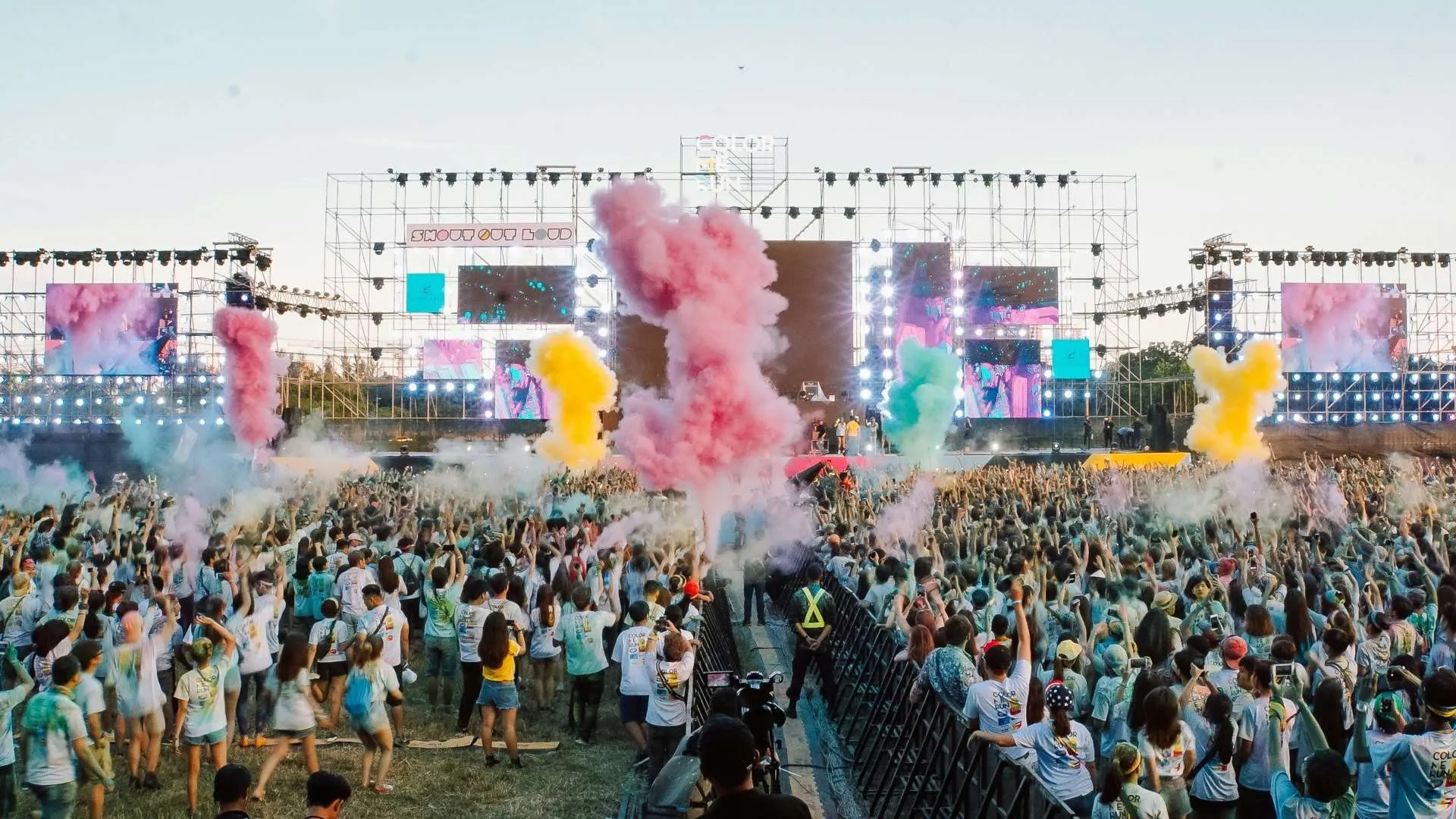
Festival culture moved past music years ago. What people remember isn’t just the headline set—it’s the environment around it.
Late-night conversations, shared spaces, and moments between stages now define the experience. That shift has repositioned festivals from music events into experience-led systems.

Experience Now Drives Return, Not Lineups
Atmosphere now rivals the lineup. Full stop.
Major festivals increasingly prioritise:
- interactive installations
- food and cultural zones
- wellness spaces
- brand activations
These aren’t secondary. They’re core infrastructure.
The metric has changed.
It’s no longer who played—it’s what people felt, and whether they come back.
From Festival Fields to Global Event Strategy
This model now extends far beyond music.
Festival principles translate directly into:
- sports hospitality
- corporate events
- branded live environments
Operators like IMG Hospitality apply this across Formula 1, tennis, and stadium experiences, structuring environments around guest movement, interaction, and memory.
Same system. Different venue.

The Social Layer Is Designed
Temporary communities don’t happen by accident.
Open layouts, shared zones, and communal spaces remove friction.
No assigned seating. No rigid structure. Conversation follows naturally.
Key formats driving interaction:
- silent discos
- collaborative installations
- communal dining
- low-digital or phone-free zones
Physical space shapes behaviour. The strongest events design for that from the start.
Multi-Sensory Design Locks Memory
Sound alone isn’t enough.
Festivals now operate as multi-sensory environments, layering:
- visual art and staging
- food experiences
- ambient sound and spatial design
- tactile installations
This combination deepens recall. Attendees don’t just remember a performance, they remember being inside a fully built environment.
Food has evolved into a core pillar, with curated offerings now matching the standard of major city dining.
Why It Works: The Psychology of Temporary Escape
Festival environments create a controlled break from routine.
Limited time increases presence.
Shared experience amplifies connection.
Altered behaviour leaves a lasting imprint.
This is where repeat attendance is built, not through comfort or convenience, but through intensity and emotional memory.
FM PRO Insight
The strongest events aren’t built around stages.
They’re built around movement, interaction, and memory design.
Music brings people in.
Experience design is what keeps them coming back and what brands, venues, and operators are now building around.
‘ The preceding article may include information circulated by third parties ’
‘ Some details of this article were extracted from the following source www.famemagazine.co.uk ’