The Seattle Public Library loves to promote books and reading. This monthly column is a space to share reading and book trends from a librarian’s perspective.
Living in the Seattle area, readers have an embarrassment of riches when it comes to local authors. As librarians, a particular joy is recommending a local author to someone looking for their next great read.
Enjoy this small selection of recently published titles by Washington authors, featuring a charming tale of an unusual pregnancy, a thriller deep inside a cave system, a prison abolitionist’s memoir of motherhood and a psychological horror tale of homeownership gone awry.
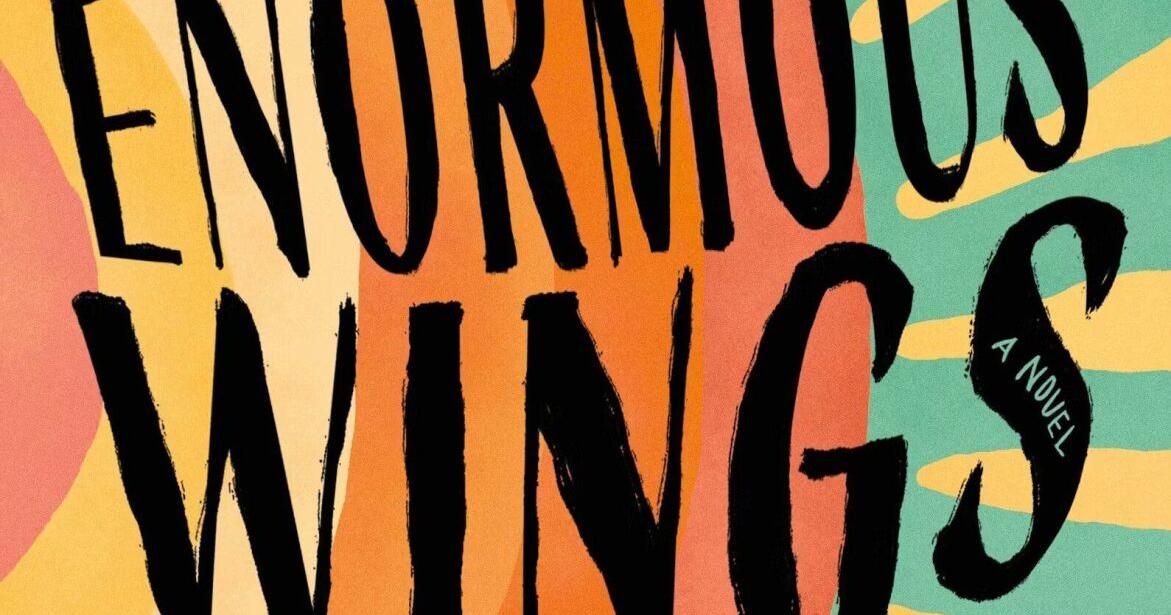
In “Enormous Wings,” the latest novel by bestselling author Laurie Frankel, 77-year-old retired English teacher Pepper Mills loses her license and subsequently her freedom to live independently after a minor fender bender. At the behest of her adult children, Pepper reluctantly moves into a Texas retirement community where her ex-husband also lives.
Although she is annoyed to be starting over, it turns out life still has big surprises for Pepper. She makes new friends and meets Moth, an enchanting widow and former science teacher. She seems to be settling into companionship and cozy romance when she receives profoundly shocking news — she’s pregnant!
Through this extraordinary pregnancy, Frankel thoughtfully explores weighty topics — sex, ageism, reproductive justice and mortality — while striking a joyous tone with delightfully snappy dialogue. Pepper and her pals, including her new love, channel the sassy, vivacious energy of “The Golden Girls” as they form their own family unit. Pepper’s bizarre circumstances also provide an opportunity for healing and a deeper connection with her children and grandchildren.
“Enormous Wings” is a celebration of possibility, wonder and purpose throughout all life’s unpredictable seasons. (Frankel will discuss “Enormous Wings” with Nancy Pearl at the Central Library on May 13 at 7 p.m.)
“Her Last Breath,” the latest thriller by Taylor Adams, takes place in a remote area of the Cascade Mountains where childhood friends Tess and Allie go caving. But they’re not alone: From the entrance to the cave system, a masked man with obvious ill intent follows them in. Pursued through ever smaller and more treacherous offshoots, the pair must draw on all their skills and instincts to survive.
The story alternates between accounts of what happened in the cave from various perspectives and Tess telling her story to a detective from a hospital bed. Tension ratchets up as narrative twists and turns play with the reader’s conception of what actually happened deep underground and whose story to trust.
Keeonna Harris’ “Mainline Mama” is a powerful memoir about being a mainline mama, described by Harris as a “Black woman with a relationship to prisons through visitation or incarceration who engages with family, children, partners, and other women.” Harris became both a mother and a mainline mama as a young teenager, when her partner was incarcerated during her pregnancy. During his 22-year sentence, Harris creates a resilient family, builds a community of care and finds her voice as an activist.
The Seattle writer’s story drives home precisely how punishing and dehumanizing incarceration is, not only for imprisoned people, but for their family, friends and wider community. With heart and clarity, she delineates how the entire system is designed to be tedious and cruel, and break down family bonds and external support. But Harris and her fellow mainline mamas connect through mutual aid, offering one another encouragement and resistance. Together, they do not allow the prison industrial complex to determine the course of love or the growth of their families.
Ultimately, “Mainline Mama” is a stunning tribute to the creative and steadfast women on the outside forging support networks in response to the brutality of carceral state violence.
In Kim Fu’s “The Valley of Vengeful Ghosts,” Eleanor, a therapist, is reeling from her mother’s sudden death following a short, unexpected illness. Destabilized, Eleanor is determined to follow through on her mother’s final wish: that she use a small inheritance to buy a house. Priced out of most of the local market, Eleanor buys a model home in an isolated, empty housing development in a valley carved out of a Northwest-like mountainside, where she is besieged by torrential rain, despair and home deterioration. As the outside environment mimics her mental state, Eleanor grapples with both figurative and literal ghosts.
While any homeowner will feel a visceral dread reading about the ways this house falls apart, Fu also digs deeply into the impacts of social isolation. As Eleanor tries to navigate her way out of the emotional and physical flood, readers will root for her while commiserating with the pitfalls of housing prices and memories of atmospheric rivers.
‘ The preceding article may include information circulated by third parties ’
‘ Some details of this article were extracted from the following source www.yakimaherald.com ’