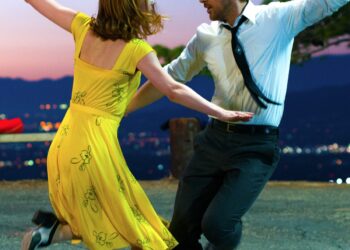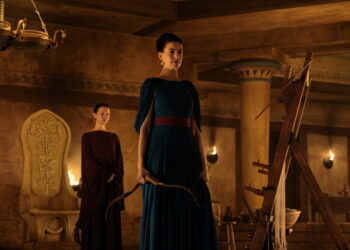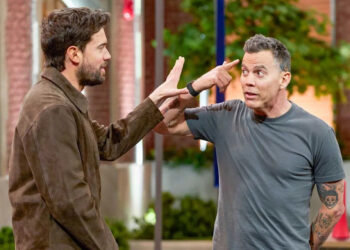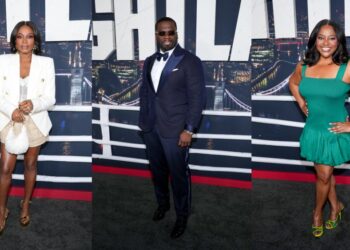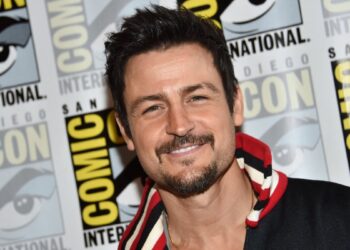
In Marty, Life Is Short, the Lawrence Kasdan documentary about Martin Short that recently arrived on Netflix, Jiminy Glick is asked whether he had heard that they were making a documentary.
“Well they’re making a documentary about everyone. Literally every human being that existed.”
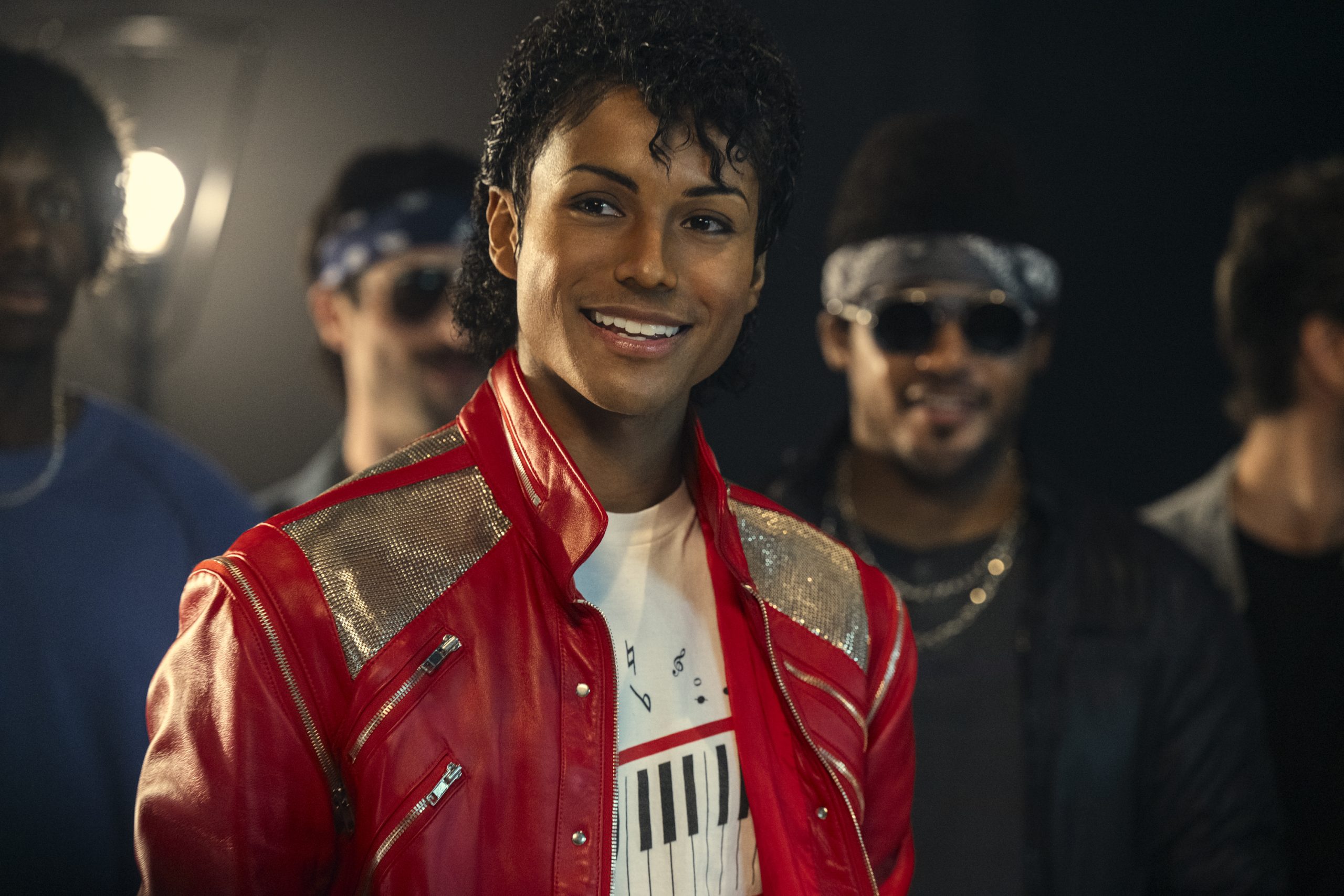
It certainly seems that way. In the first half of this year alone we’ve seen documentaries about Short, Greg Allman, Patrick Spikes (did he steal Buzzy from Disney), Amanda Knox, and Melania Trump. We have also had Michael, the biopic which, as Simran Hans notes in the Guardian, follows on from previous “music biopics including films about and featuring the official music of Elton John, Aretha Franklin, Elvis Presley, Whitney Houston, Amy Winehouse, Bob Marley, Robbie Williams, Bob Dylan and Bruce Springsteen.”
But, contrary to Short speaking through Glick, we don’t actually get to see documentaries on every single human person on the planet – we mostly get to see celebrities. That’s because, by definition, people want to see celebrities, and producers want to sell their content. As audiences, we understand that there is a balance to strike between art and commerce, but there’s also a balance to recognize between commercial art and simply promotion.
Hans points out that while biopics are often just “bland propaganda” that provides brand extensions with “easy, ready-made IP for studios, full of familiar faces and uplifting musical moments” they actually can be interesting. Because they are able to go beyond the factual, they can provide “deeper insights into their favourite artists” and she cites the Elton John biopic Rocketman, A Complete Unknown about Bob Dylan that did not suffer from making “Dylan look like an arrogant prick” and the brave, affecting Robbie Williams biopic Better Man which was unfairly dismissed by audiences.
Because documentaries are generically more tethered to fact they might seem to be less prone to becoming promotional. But that overlooks the question of access and cui bono – who has the goods and who stands to gain from their display? For any celebrity — or their estate — it is often the same person. Look through the credits of any celebrity biopic or documentary and see which stakeholders for the protagonist are executive producers, “hungry estate holders [ready] to cash in.”
Even if a documentary is independent, the team has to negotiate with vested interests, either the living artist or their estate in order to get footage or documents that will be interesting to the viewer. These will almost certainly be curated in a complimentary way. The Melania documentary was an obvious case point, but the argument still holds for something as harmless, pleasant and insignificant as Marty, Life Is Short, where the protagonist is scandal-free and much of the footage was self shot and self edited.
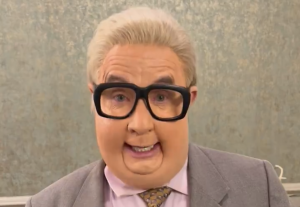 Jiminy Glick provides the ultimate parody of Hollywood sycophancy and absurd celebrity self-promotion. Courtesy Real Time
The economics of the contemporary media business make this conflict of interests almost unavoidable. A documentary about a celebrity without archival footage, music rights, private photographs, diaries, or access to family members is at a severe disadvantage in the streaming marketplace. The same is true of biopics. Audiences have been trained to expect intimacy and exclusivity: unseen clips, private recordings, personal confessions. To get those materials, filmmakers usually need cooperation from the subject, or at least from their estate, management, or corporate stakeholders. Cooperation, however, rarely comes without conditions. The result is that many documentaries now resemble prestige corporate videos.
Documentaries have drifted in the same direction. A generation ago, audiences could assumed they were explanatory or investigative. Now many mainstream docs are just access journalism in cinematic form. If you want the archive footage, the home movies, the music clearances, the text messages, or the backstage tour, you need approval from the people whose reputations are at stake.
Just like promotional videos, these new biographies are acts of curation, shaping perception through omission, emphasis, pacing, and emotional framing. The authorized documentary or biopic says: let’s ignore details like underage sex, immigration irregularities, or child abuse, let’s focus on the the comedy, the charity, the music.
‘ The preceding article may include information circulated by third parties ’
‘ Some details of this article were extracted from the following source bookandfilmglobe.com ’