Directors slipping into their own movies is one of those film nerd details that starts as trivia and then turns into a habit. Once you notice it, you start scanning crowded scenes, restaurant corners, train platforms, random sidewalks.
Some filmmakers made a whole thing out of it. Others just wandered in for a second and left before most people had any idea what they were looking at.
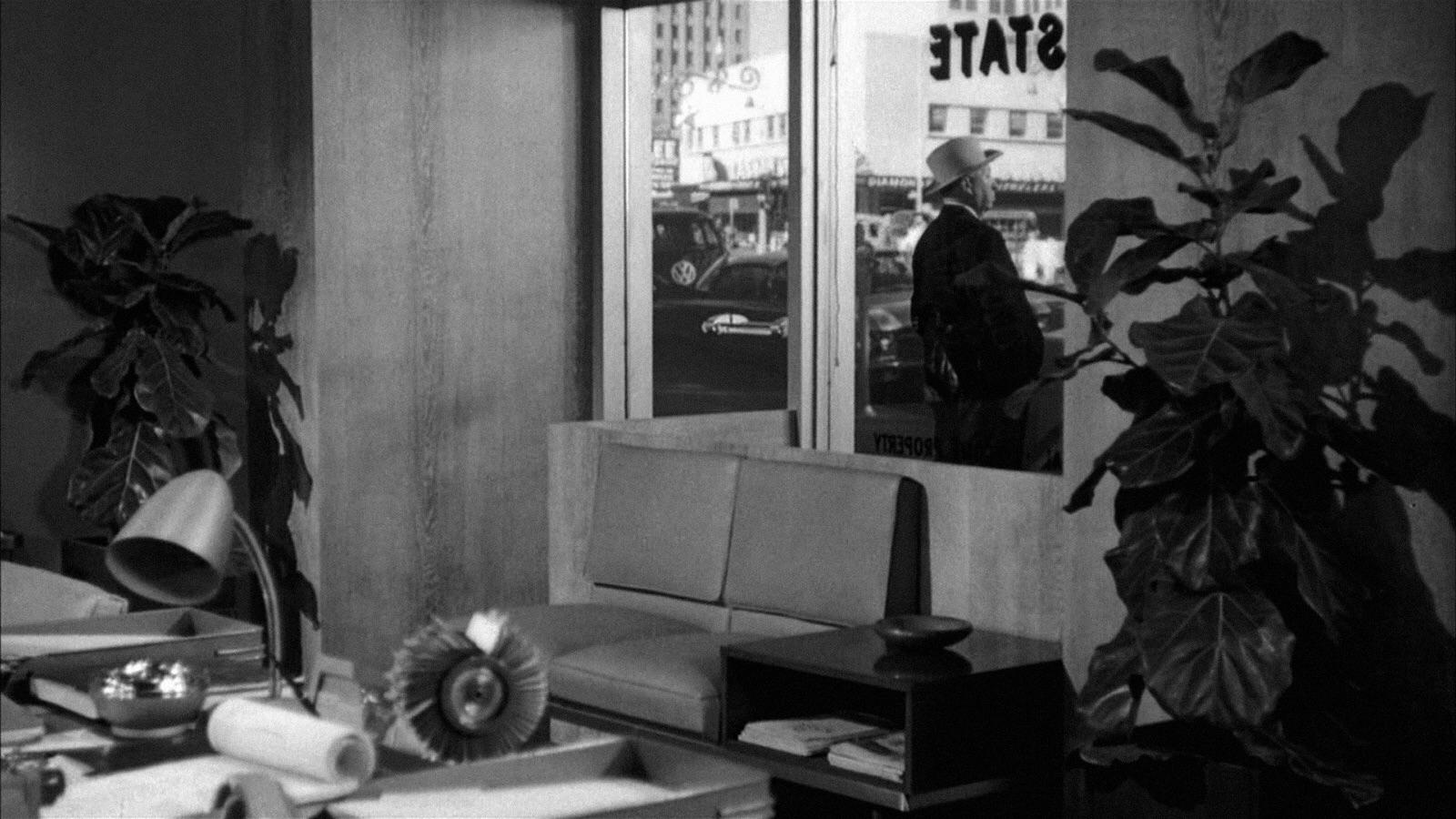
Alfred Hitchcock, Psycho (1960)
r/moviedetails
Hitchcock is probably the patron saint of this whole tradition, but Psycho still gets people because the cameo lands before the movie has really turned the key. He appears outside Marion Crane’s office, in a hat, almost casually, like a man killing time on the sidewalk. It goes by fast, and that is part of why it works. By the time the film becomes something colder and much more unsettling, that little moment is already behind you.
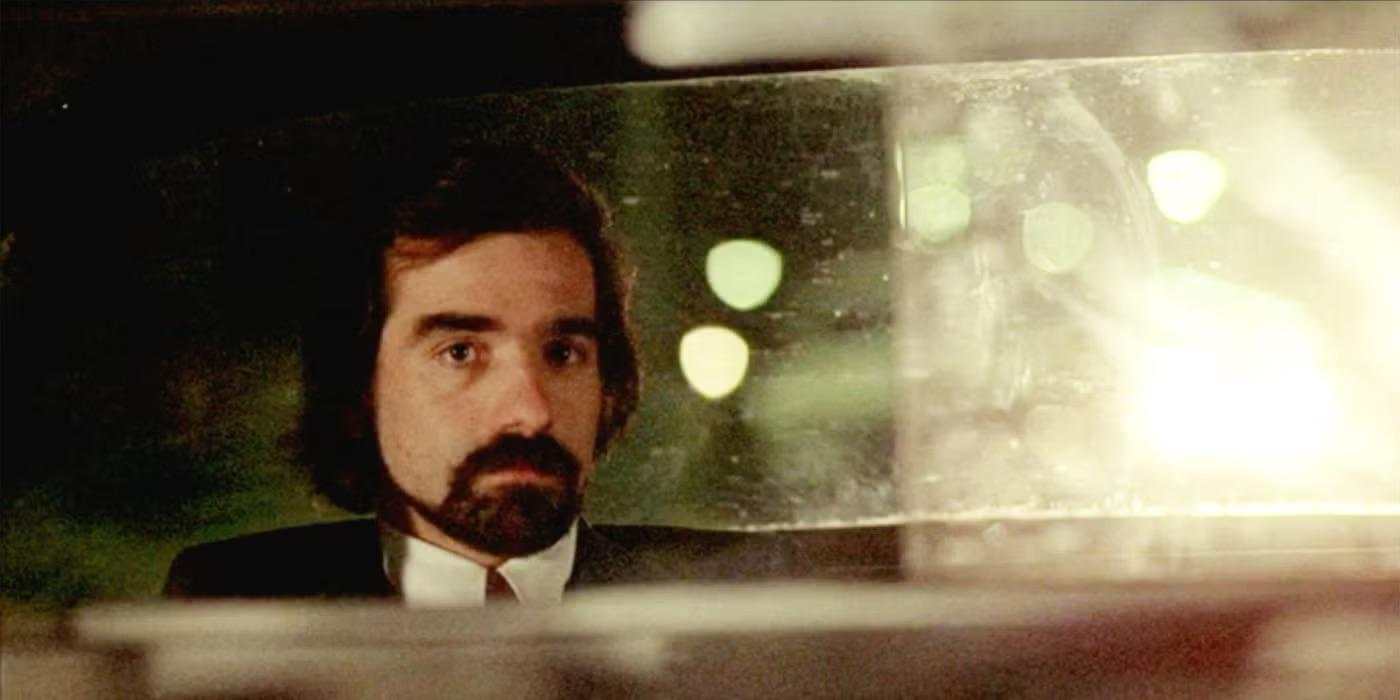
Martin Scorsese, Taxi Driver (1976)
r/taxidriver
Scorsese’s appearance in Taxi Driver is short, but it is not the kind of cameo that just sits there as an inside joke. He plays the passenger in Travis Bickle’s cab, the one ranting about his wife and describing what he wants to do to her in language that makes the whole scene feel feverish. The part is brief, though it sticks in your head once you know it is him. It feels like the movie is pulling one more disturbed voice out of the city and dropping it right in Travis’s lap.
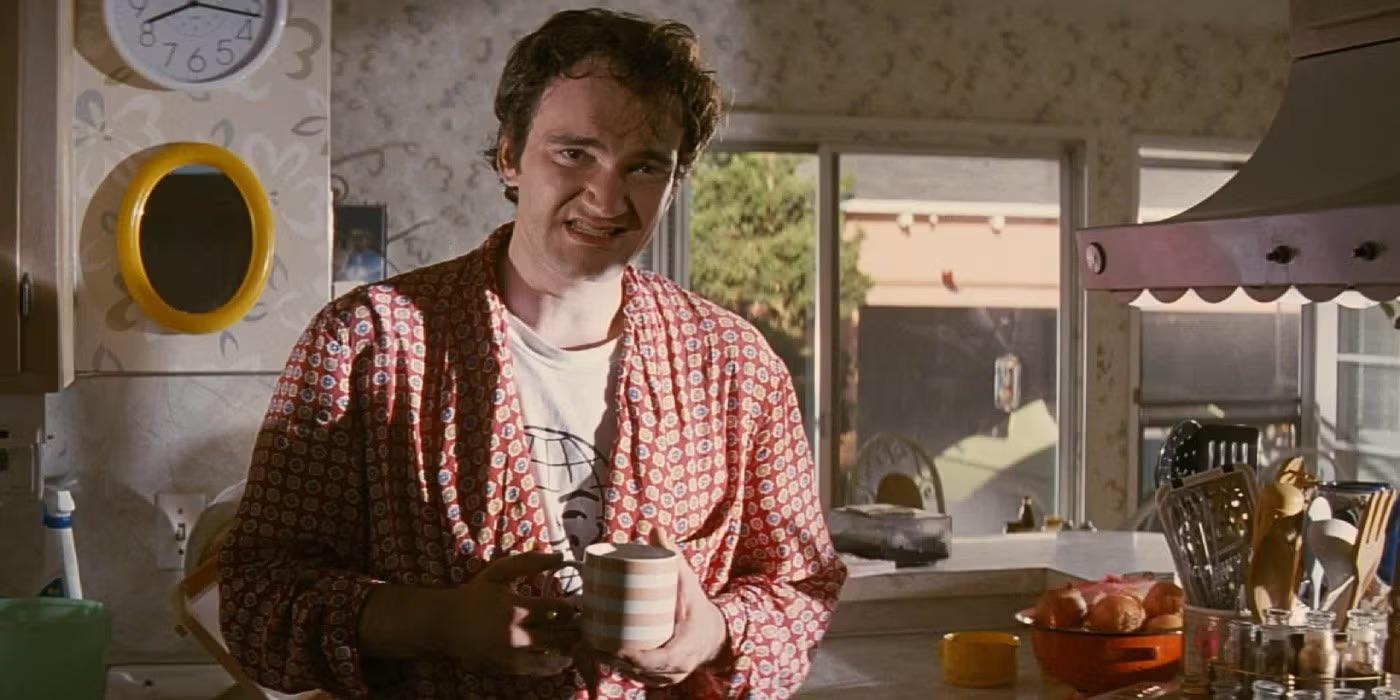
Quentin Tarantino, Pulp Fiction (1994)
r/moviedetails
A lot of director cameos are over in two seconds. Tarantino, naturally, did not go that route. He gave himself Jimmie, the anxious suburban friend suddenly stuck dealing with a very bad situation in his kitchen, and the performance has that loose, overtalking rhythm that runs through so much of his work. Because it is a real role and not a blink-and-miss-it bit, people sometimes forget it belongs in this conversation, but it absolutely does.
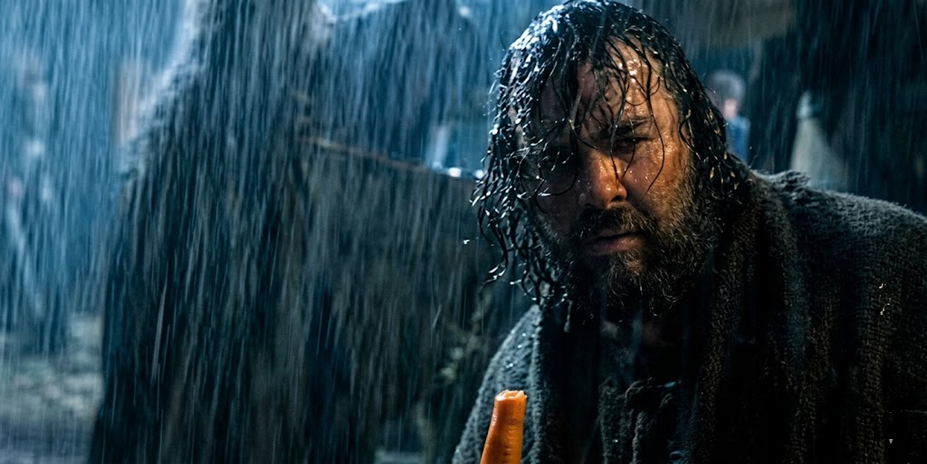
Peter Jackson, The Lord of the Rings: The Fellowship of the Ring (2001)
r/moviedetails
You could watch The Fellowship of the Ring a few times before catching Peter Jackson in Bree. He is standing outside the Prancing Pony, chewing on a carrot, looking less like a filmmaker than a local who wandered in from another street. It lasts almost no time at all. Still, it is one of those cameos fans love because it does not interrupt anything; it just slides into the texture of the world.
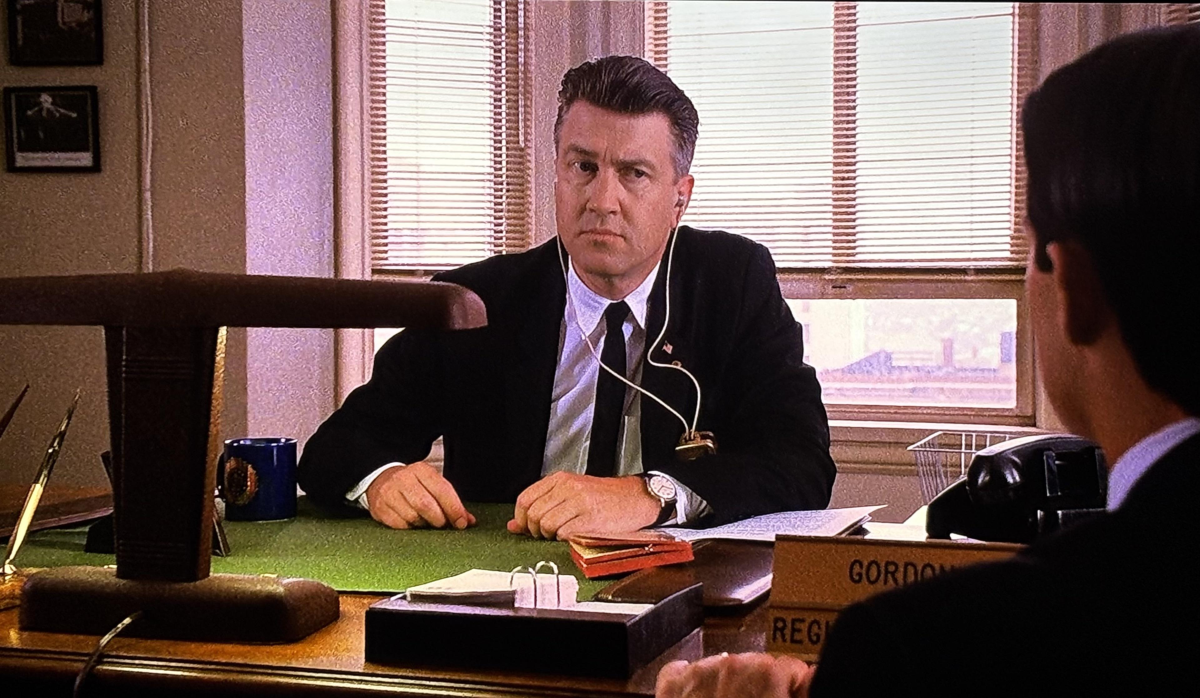
David Lynch, Twin Peaks: Fire Walk with Me (1992)
r/twinpeaks
Lynch appears in Fire Walk with Me as FBI supervisor Gordon Cole, which makes this one less of a hidden-background cameo and more of a strange supporting turn folded naturally into the film’s mood. Because Cole became such a familiar part of the wider Twin Peaks world, it is easy to forget that the man delivering those lines in that beautifully odd cadence is also the director steering the whole thing.
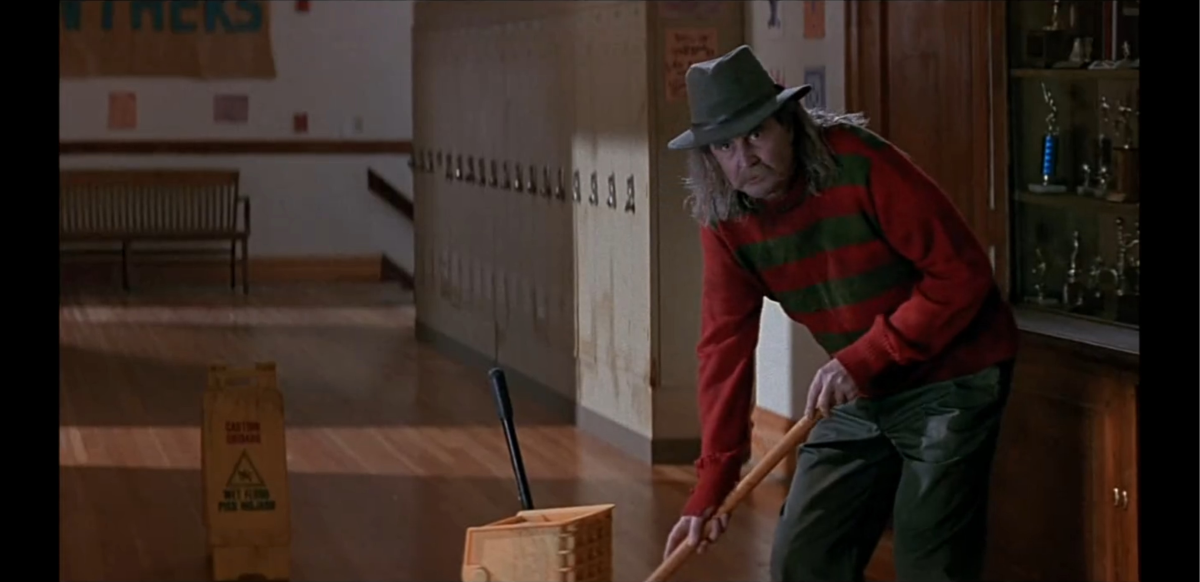
Wes Craven, Scream (1996)
r/moviedetails
Craven pops up as the school janitor, credited as Fred, in a nice little joke that horror fans tend to appreciate more than casual viewers. The outfit nods toward Freddy Krueger without pushing too hard for attention. It is quick, weird, and totally in tune with a movie that loves stacking references without stopping the story to point at them.
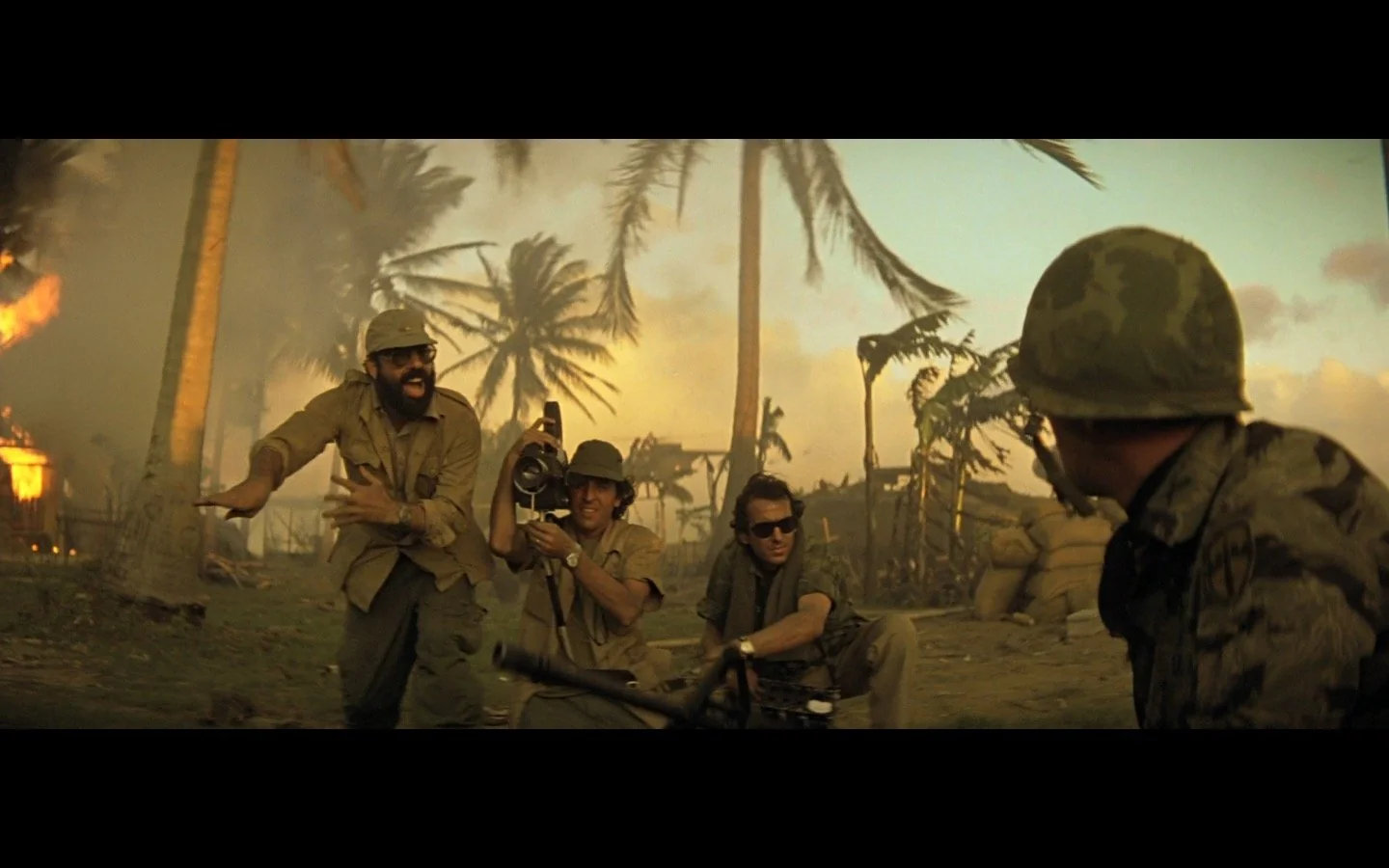
Francis Ford Coppola, Apocalypse Now (1979)
r/movies
There is something fitting about Coppola showing up in Apocalypse Now because the making of that film has its own mythology by now. He can be spotted early on among the soldiers, waving people around and yelling for them not to look at the camera. The moment barely separates the director from the chaos he is staging, which somehow feels right for this movie in particular.
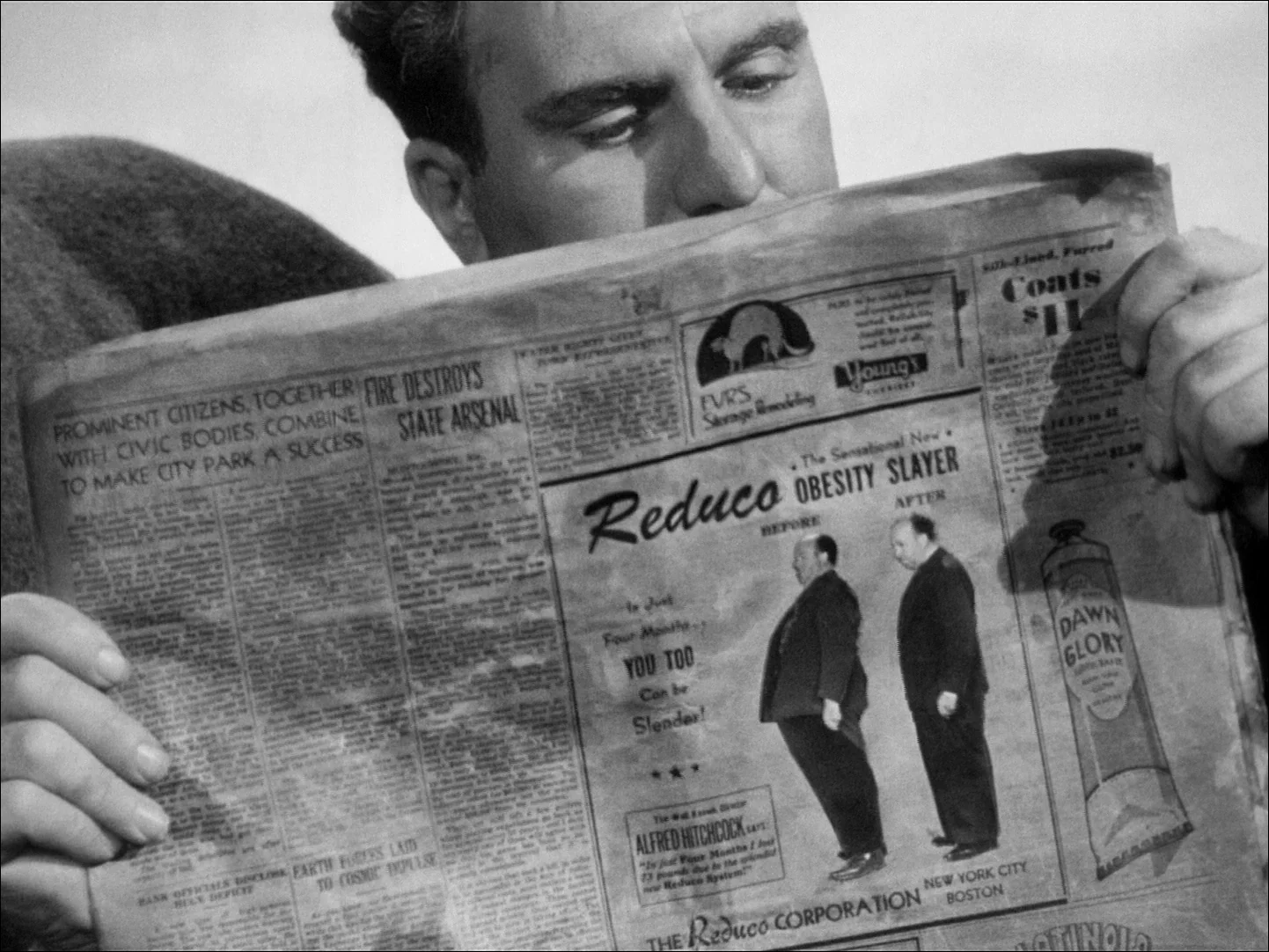
Alfred Hitchcock, Lifeboat (1944)
r/moviedetails
Hitchcock had a recurring problem with his cameo; audiences started looking for them too early, so in Lifeboat he handled it with a sly workaround. Since the entire film takes place on a small boat, he appears in a newspaper ad for a weight-loss product rather than walking through the frame, which makes the cameo easy to miss unless you know exactly when to look.
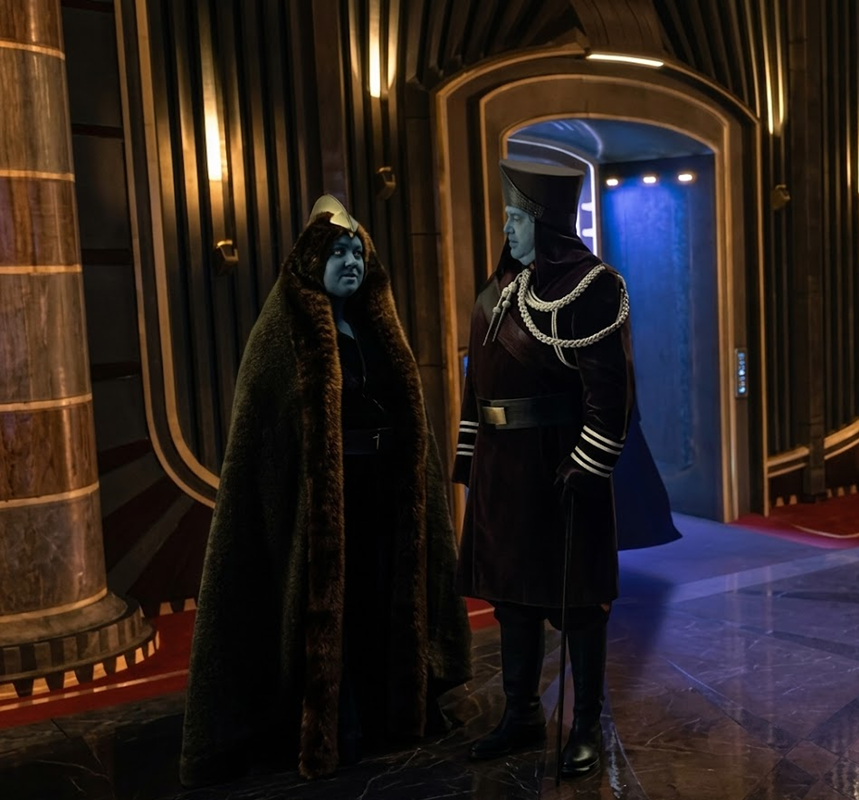
George Lucas, Star Wars: Episode III, Revenge of the Sith (2005)
r/moviedetails
Lucas makes a brief on-screen appearance during the Coruscant opera sequence, tucked into the crowd as Baron Papanoida, with blue skin and elaborate makeup, which is a big part of why so many viewers never notice him at all. It is the kind of cameo that works best once someone points it out, because on first watch he looks less like the director and more like just another wealthy alien in Palpatine’s orbit.
Spike Lee, Do the Right Thing (1989)
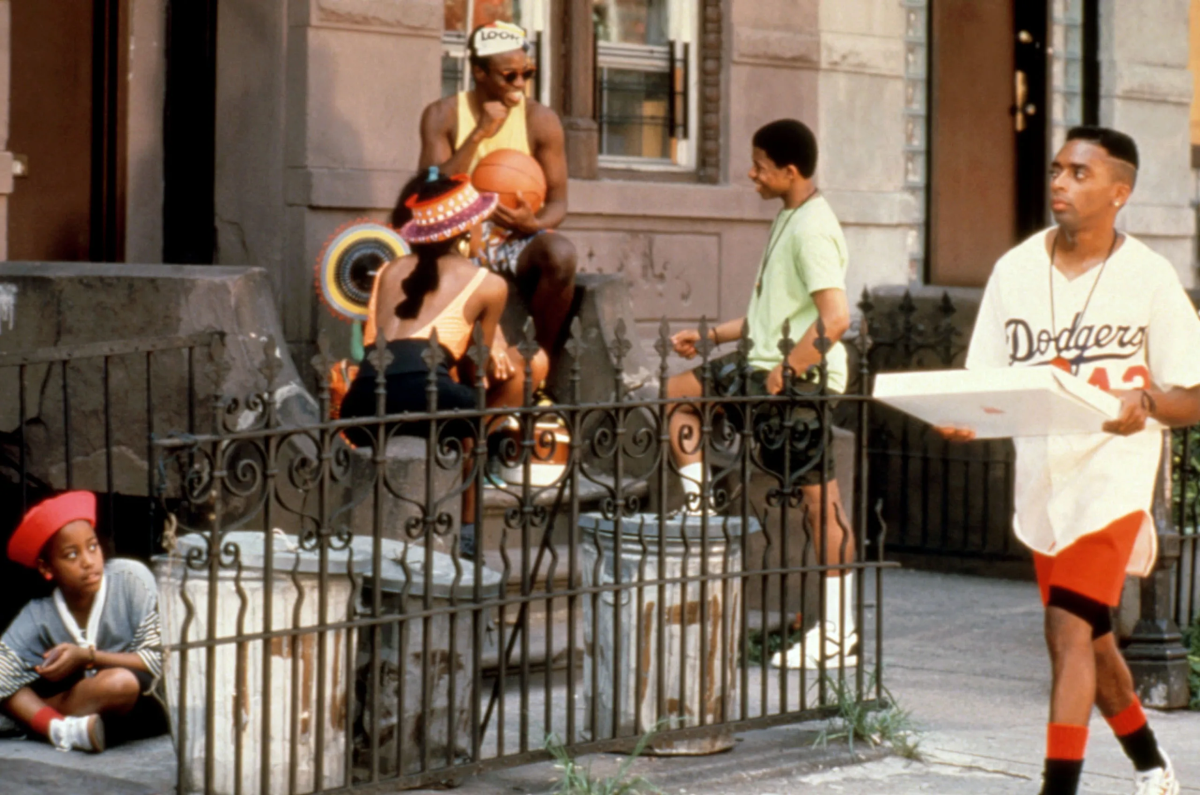
r/movies
Because Spike Lee is so good as Mookie, it is easy to file the performance under actor first and director second. But that is part of what makes it interesting. He places himself in the middle of the block, moving between people, absorbing moods, carrying jokes and tension back and forth until the whole day starts tipping in a darker direction. The movie would feel different if he were standing outside it.
Mel Brooks, History of the World, Part I (1981)
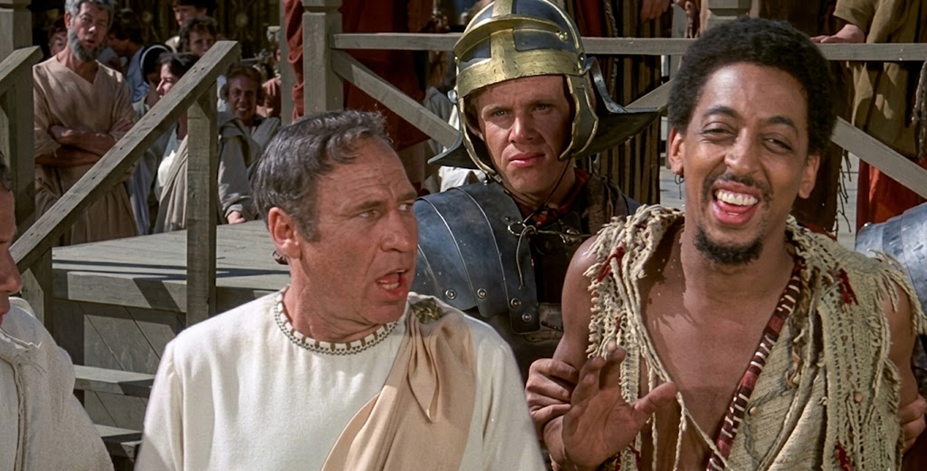
Rotten Tomatoes
Brooks was never interested in pretending he was above his own nonsense. In History of the World, Part I, he shows up more than once, as Moses and as Comicus, among others, and the whole film plays like a man having the time of his life bouncing between costumes. It is not exactly hidden, but it still belongs here because Brooks had a special talent for making self-insertion feel less like ego and more like comic momentum.
François Truffaut, Day for Night (1973)
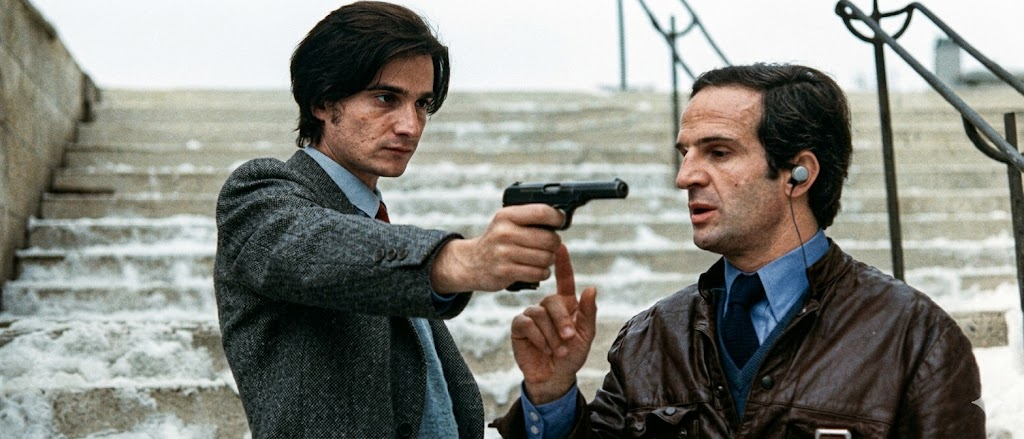
Fopp
Truffaut does not just direct Day for Night; he also plays Ferrand, the filmmaker trying to hold the production together as everything around him starts slipping. Because the movie is so wrapped up in the daily mess of moviemaking, his on-screen presence feels natural enough that people do not always clock it as a director inserting himself into his own film.
Taika Waititi, Thor: Ragnarok (2017)
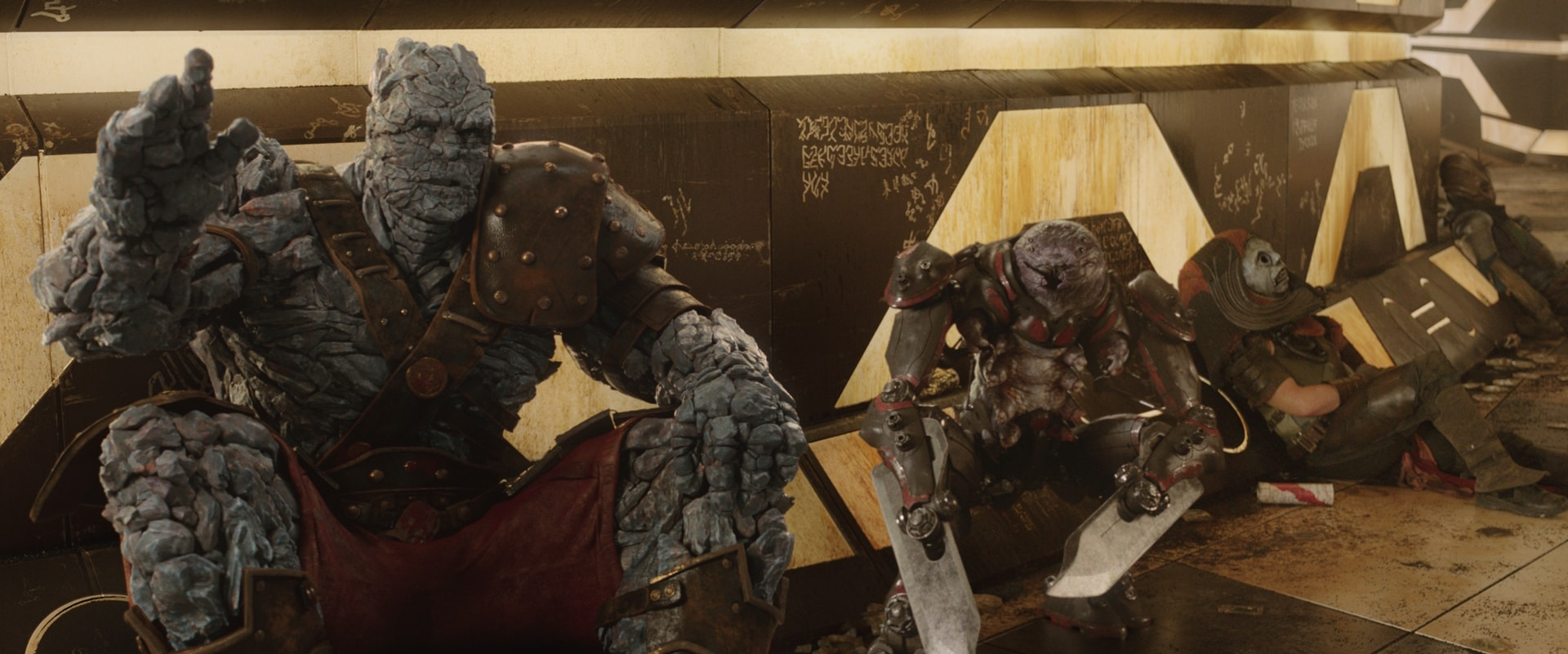
r/moviedetails
Waititi is best known in Thor: Ragnarok as the voice of Korg, though his connection to the character goes further because he also did the motion-capture performance. Maybe that is why Korg feels so specifically tuned to his humor, relaxed, a little awkward, very sure of his own rhythm. Viewers tend to remember the character before they remember the person behind him, which is probably the clearest sign the bit worked.
There is no single reason directors do this. Sometimes it is practical, sometimes it is a joke, sometimes they just enjoy leaving themselves somewhere in the frame. The interesting part is how often these appearances do not announce themselves. They just sit there until somebody points and says, wait, go back.
In the mood for more?
Check out 15 Characters That Were Basically Written for the Actor Who Played Them, or 18 Movie Makeup Transformations That Tested Actors’ Patience. If you wanna see more director stories, you can check 14 Actors Who Directed Episodes of Their Own Show and Nobody Knew Until the Credits.
‘ The preceding article may include information circulated by third parties ’
‘ Some details of this article were extracted from the following source www.aol.com ’




![Yuna of girl group ITZY poses for photos during a press conference for her solo debut EP, ″Ice Cream,″ at Pullman Ambassador Seoul Eastpole hotel in eastern Seoul on March 23. [NEWS1]](https://celebrity.land/en/wp-content/uploads/2026/03/Yuna-launches-solo-career-as-ITZYs-Thats-a-No-No-120x86.jpg)