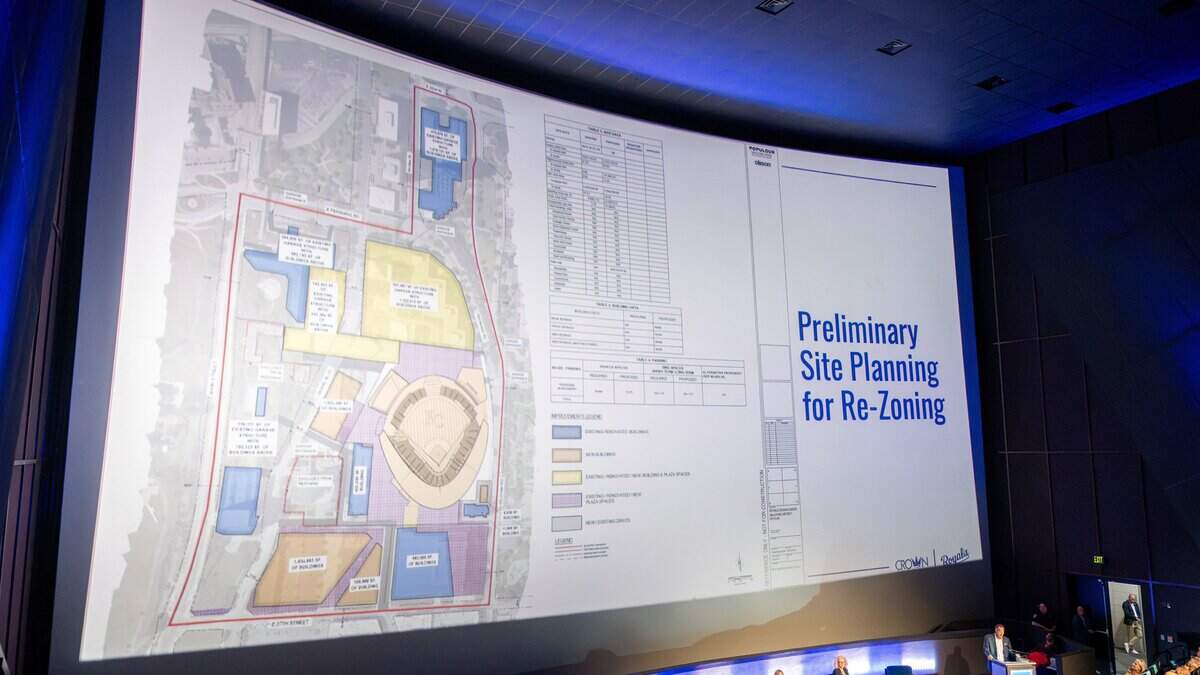
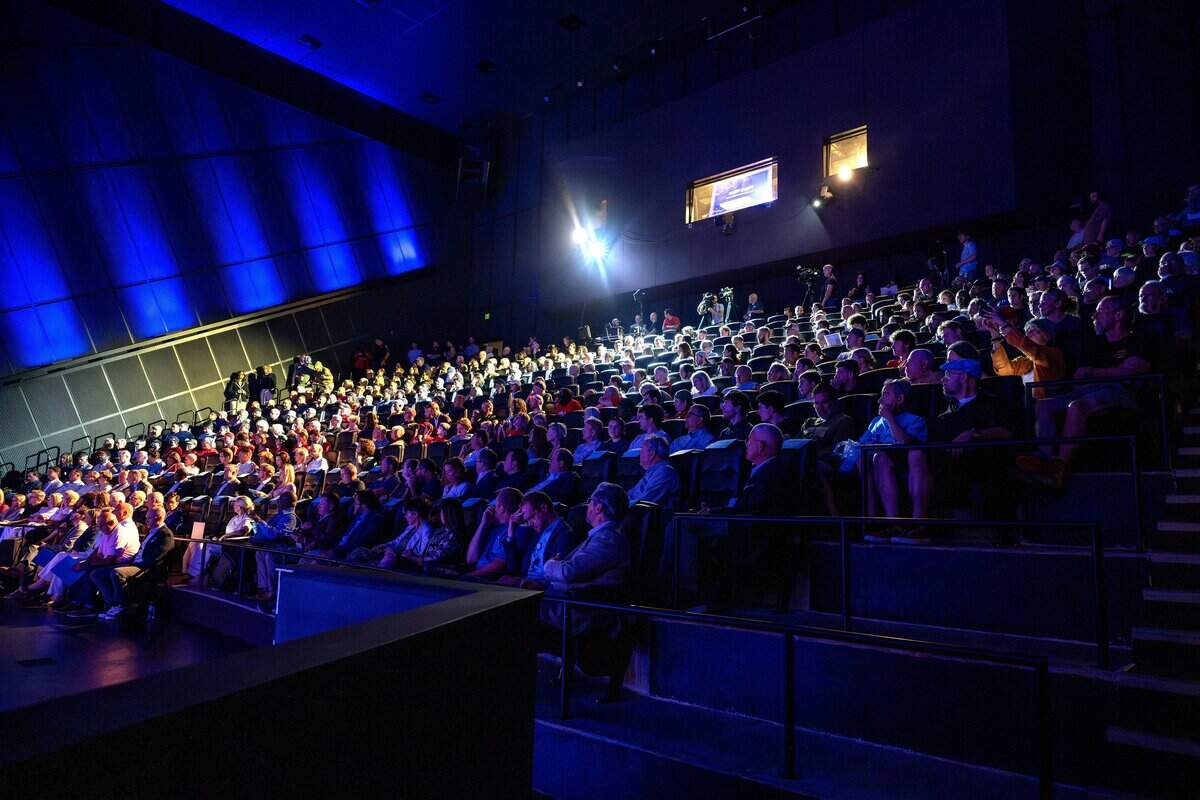
A presentation slide is displayed during a public meeting about the proposed rezoning of Crown Center for a new Kansas City Royals ballpark at the Regnier Theatre inside Union Station on Monday, July 27, 2026, in Kansas City.
Stressing existing parking infrastructure and public transit, Royals and Crown Center officials promised to be good neighbors when the team builds a new ballpark in the shopping and dining area.
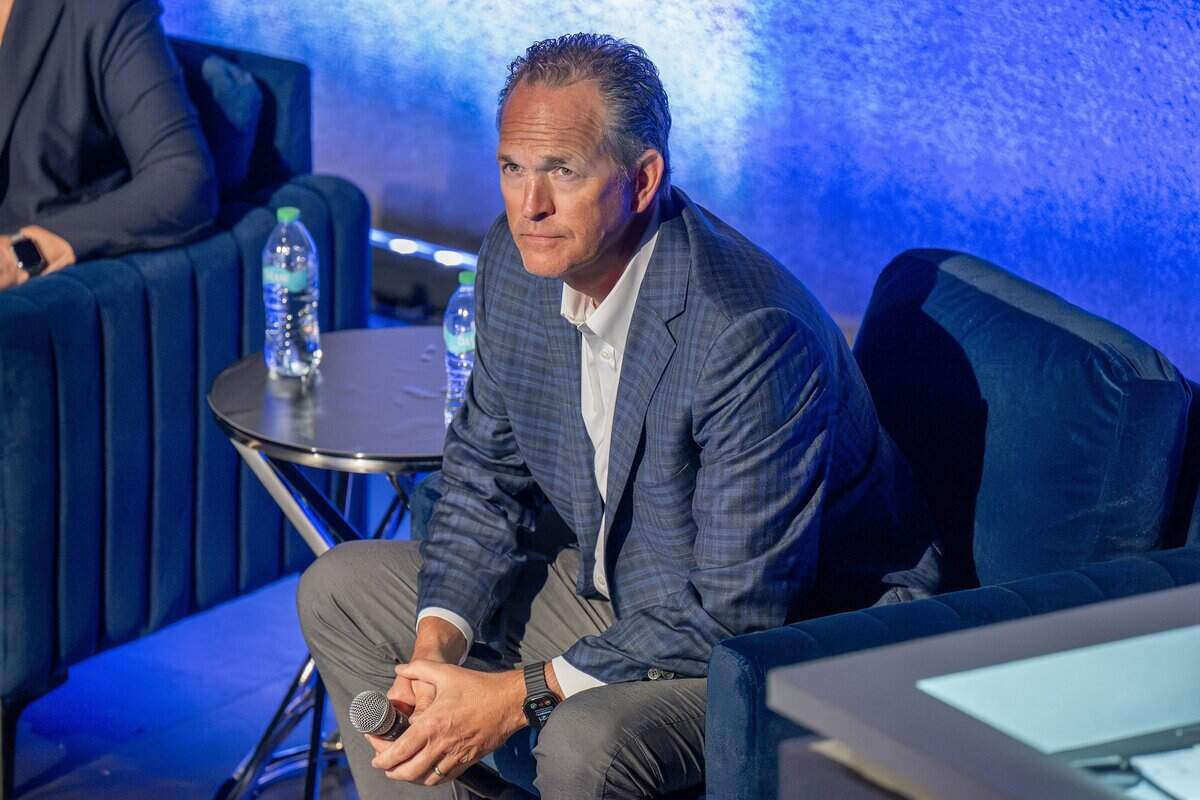
Brooks Sherman, the Royals’ president of real estate and development, told hundreds of residents at a public meeting Monday that a 34,000-seat stadium at Crown Center would rely on parking and transit that already exist in the area. The plan would redevelop the site into a new mixed-use district anchored by the stadium.
He said the project aims to create a “vibrant,” year-round entertainment district that prioritizes the walkable, family-friendly atmosphere Crown Center already provides.
“We want to be good neighbors,” Sherman said. “Just as Crown Center has been a good neighbor to you all for all these years, we’ll join them and have that continue.”
The public meeting was part of the team’s rezoning process to allow for a new stadium in the area. The meeting focused on how a new ballpark would affect the area, including parking and transportation.
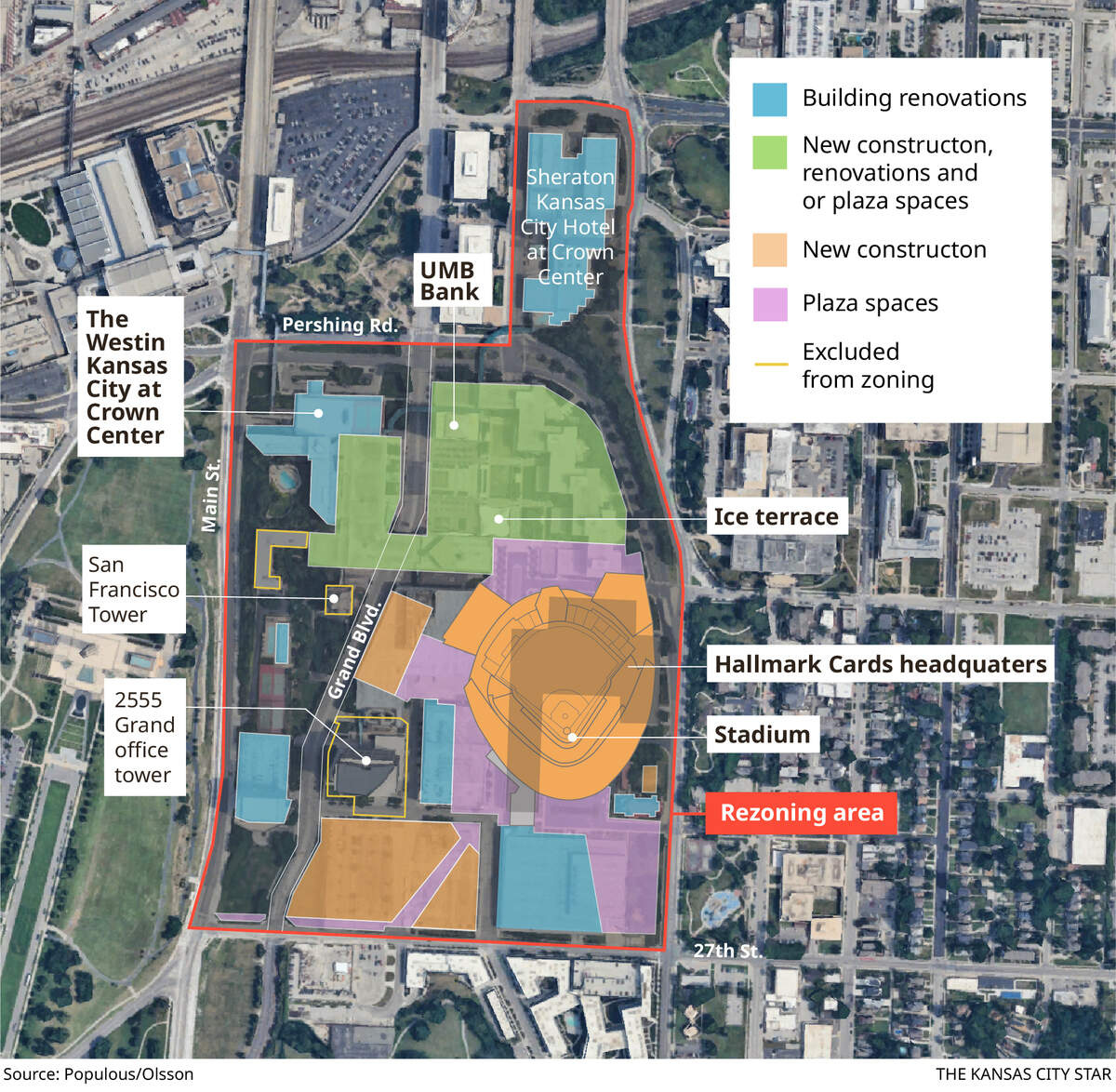
City officials are reviewing a proposed rezoning that would allow for a “sports and entertainment district” within Crown Center. Royals officials have previously announced plans to replace Hallmark’s headquarters building with a new Royals stadium while transforming the area into a ballpark district as part of a $3 billion plan.
The City Planning Commission is scheduled to review the rezoning plans Aug. 5. If approved, the plan would go to the City Council, which would consider the project later.
The city is also separately considering a plan to provide up to $600 million of public funding to help construct the stadium.
Sherman said the Royals have long focused on a downtown stadium and that the Crown Center site provides a strong opportunity to revitalize an important part of the city’s urban core.
“We believe it’s great for Kansas City, it’s great for the Royals, and great for Crown Center,” Sherman said.
Traffic and transit
Developers for the project told the audience that parking and transportation to games would have little impact on the surrounding area.
That’s because the development would be centrally located around major roadways such as Interstate 35 and U.S. 71, allowing some out-of-town traffic to take different routes to the stadium.
The developers also said the local streets around Crown Center already offer what is needed to efficiently move traffic before and after games. They also want to work with the city to upgrade traffic signal technology and create traffic plans for various events.
The developers also pointed to the city’s public transit as a way to cut down on traffic to games. Crown Center is located near two stops for the KC Streetcar: one at Union Station and another at the National World War I Museum & Memorial.
Sherman said the FIFA World Cup has already shown how useful the KC Streetcar is to moving thousands of sports fans around the city so they could attend the IFA Fan Festival at the WWI Memorial.
“The streetcar serves as a great purpose for big events,” Sherman said. “This site takes full advantage, helping alleviate automobile traffic concerns in the area.”
Plenty of parking spaces
Meanwhile, fans who travel by car will have plenty of space to park. The developers said there are many parking spaces in and around Crown Center that offer more than enough for baseball fans to travel to the stadium by car.
Jay Graber, principal planner for architecture firm Populous, said the plan estimates a new ballpark would utilize about 9,000 parking spaces for games.
Crown Center and the surrounding area currently have more than 16,000 parking spaces, which are largely unused on nights and weekends when Royals games most often occur, he said.
Stacey Paine, president of Crown Center, said that almost half of those parking spaces are either underground or “invisible to visitors” because they were integrated into the existing structures. She said that highlights Crown Center’s long focus on pedestrians and keeping the area walkable when a stadium enters the picture.
Paine also noted that Crown Center has already shown it can host large events, like the Hallmark Christmas Experience event that brought 40,000 people to the area on the Saturday before Christmas last year.
“The district was designed first and foremost around the pedestrian experience, while still providing the infrastructure necessary to host those large events,” Paine said. “
Year-round entertainment district
With an entertainment district, the project plans to bring more than just a baseball stadium. The developers said the goal is to create an entertainment district that provides year-round activity.
That could include new public spaces, new businesses with visible storefronts, and new residential spaces as well. Developers said the plan could build new structures in Crown Center, or renovate some of the existing office spaces.
Following these plans for utilizing public transit, the developers said the goal is to prioritize walkability.
Sarah Dempster, an architect for Populous, said other baseball stadium projects in Atlanta, Chicago and Denver have successfully created walkable mixed-use districts around stadiums that are unique to their cities.
“Our goal is to do that right here at Crown Center, with a focus on these shared community experiences that Kansas Citians seem to embrace time and time again,” she said.
Reporter Chris Higgins contributed to this report.
The Kansas City Star
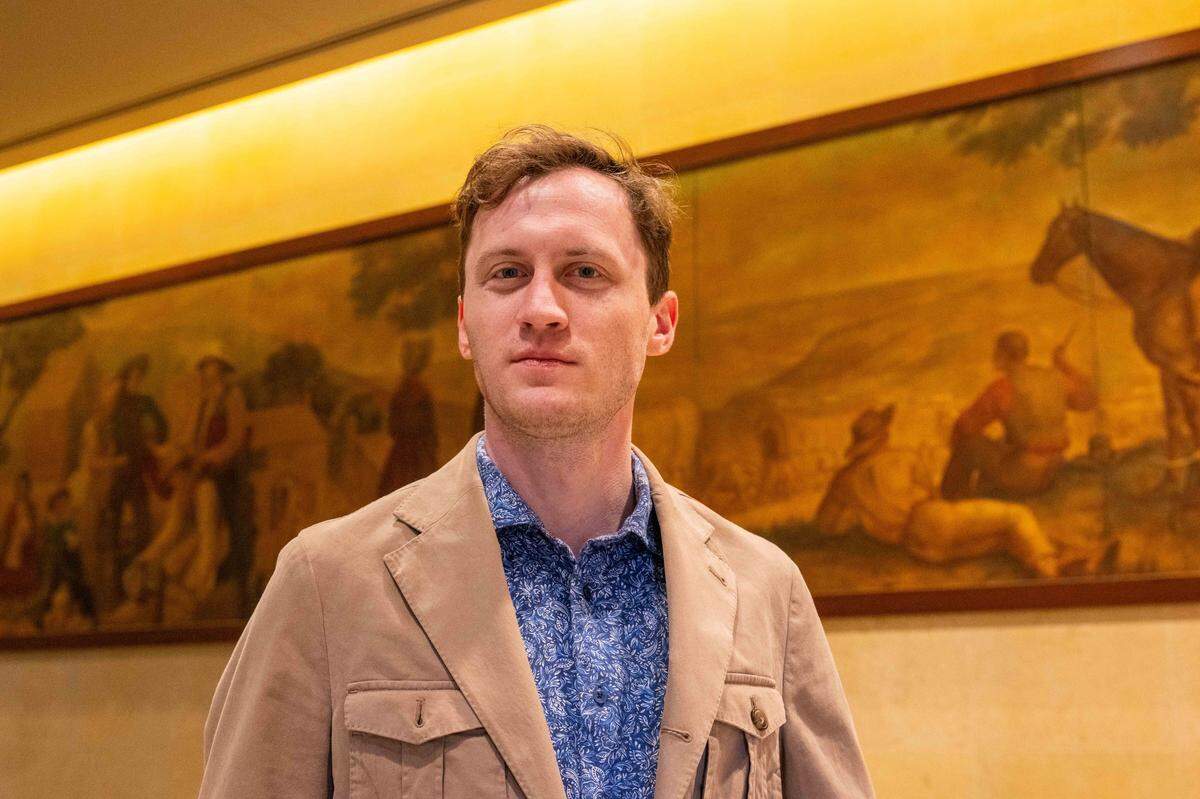
Jack Harvel is the Missouri Politics Insider for The Kansas City Star, where he covers how state politics and government impact people in Kansas City. Before joining the star, he covered state politics in Kansas and reported on communities in Colorado and Oregon. He was born in Kansas City, raised in Lee’s Summit and graduated from Mizzou in 2019.
‘ The preceding article may include information circulated by third parties ’
‘ Some details of this article were extracted from the following source www.kansascity.com ’