Paste is the place to kick off every New Music Friday. We follow our regular roundups of the best new songs by highlighting the most compelling new records you need to hear. Find the best new albums of the week below.
Aja Monet: The Color of Rain
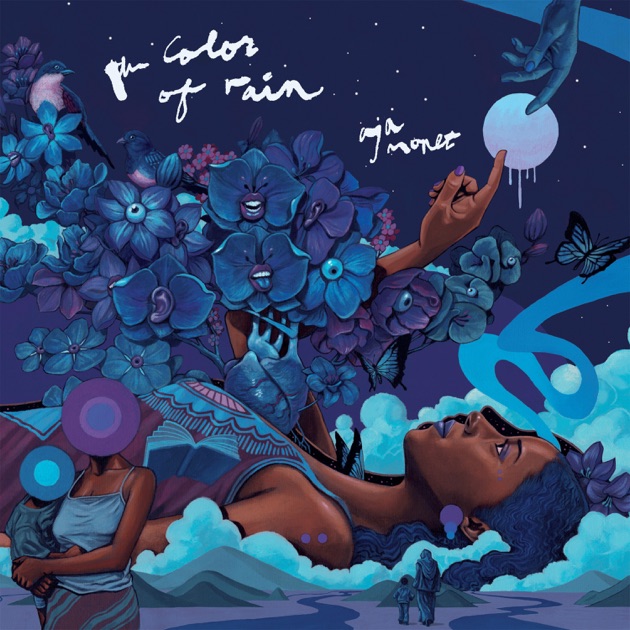
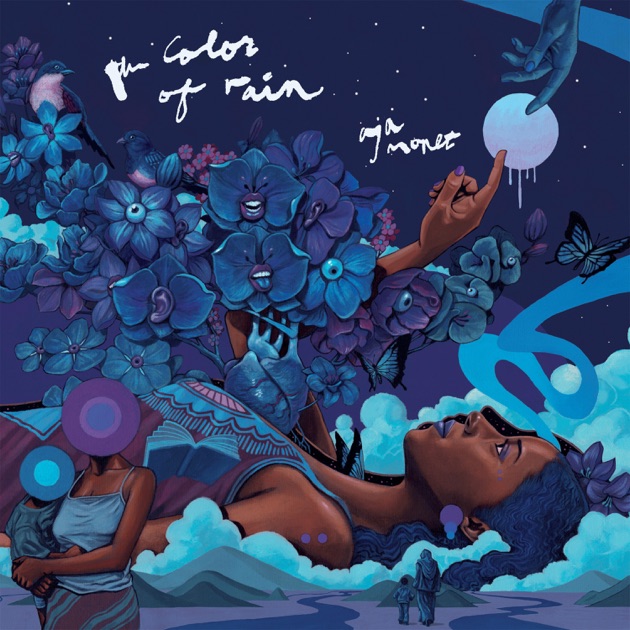 It’s the long weekend, the year is teetering on the edge of summer. You get handed the aux and you need a record to put on that’s going to put everyone in the mood and make you look cool. Aja Monet has got you covered. Three years after her debut album and almost a decade after becoming the youngest Grand Slam Champion in the Nuyorican Poets’ Cafe’s history, the Brooklynite returns with The Color of Rain. On it, she doubles down on the formula from When the Poems Do What They Do, this time adding the backing of a live band that willingly follows her with remarkable imagination and musicality as she freewheels across sound and subject, making the world of surrealist blues fully her own. With inimitable precision, Monet paints deft images of her city, her community, and her reality. “Hollyweird” fully encapsulates the nihilistic sensation of doomscrolling: a buzzy, angry synth underscores furious ululations and scathing lyrics (“What’s the insurance policy for chickens coming home to roost?” Monet asks as a guitar and saxophone squall in agreement behind her). Though she is nominally a spoken-word artist, Monet adds great musical flair to The Color of Rain, demonstrating just how malleable the boundaries are between genres: at any time this album could be and is one of poetry, spoken word, jazz, hip-hop, blues, and soul. “Melting Clocks,” for instance, pokes effectively at the construction of time with a hypnotising bassline that speeds up and slows down intermittently, taking the rhythm section with it as it goes. And the excellent “Elsewhere” is a plea to go outside to touch some grass that drips with cool and delicious harmonic moments. “We got all rhythm and no algorithm,” Monet promises over an already addictive melodic line. We could all use a bit more of that. —Mariam Abdel-Razek [drink sum wtr]
Bill Orcutt & Mabe Fratti: Almost Waking
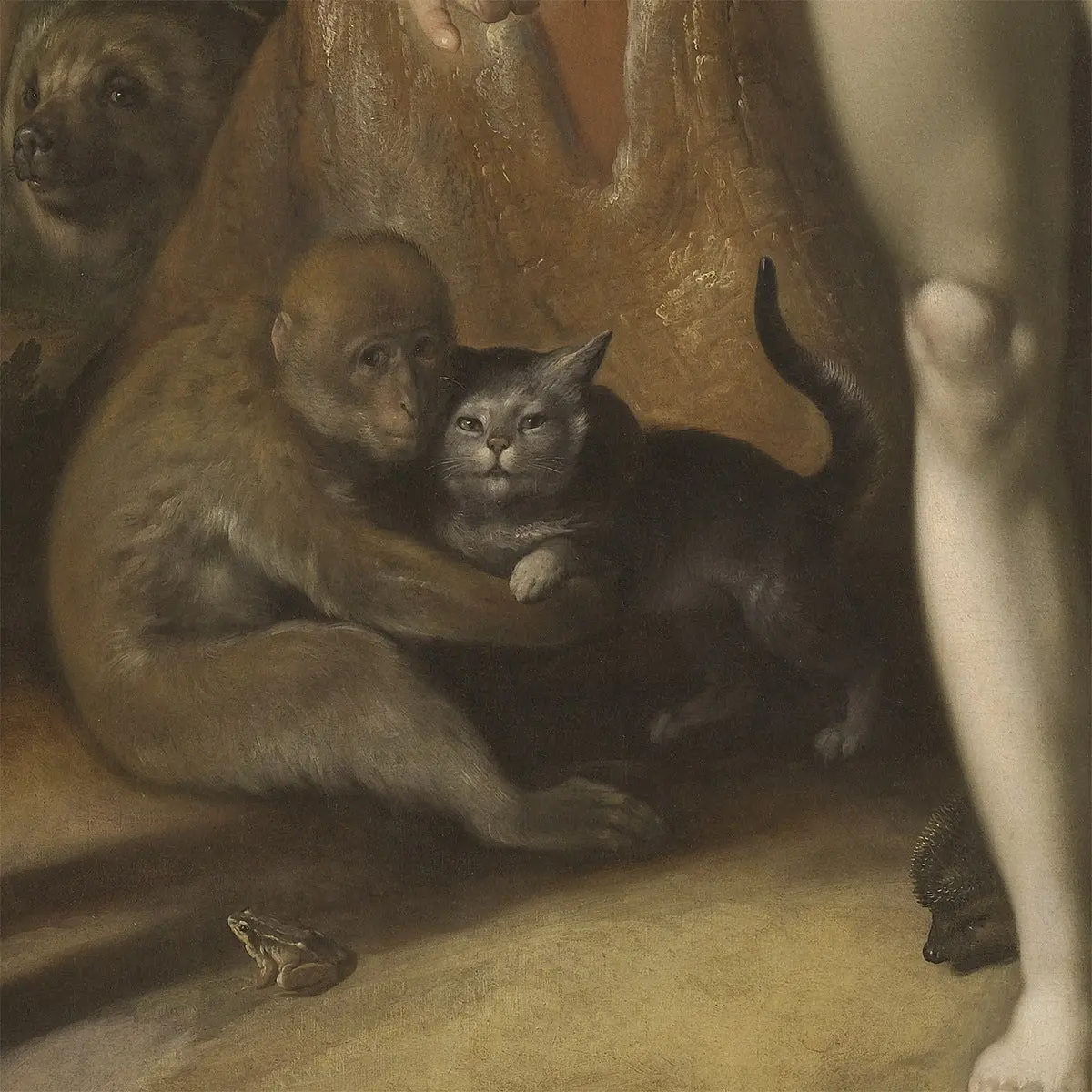 Almost Waking is a suite of eight texturally rich tracks that unite two singular artists with shared compositional affinities. All of the songs stem from freeform guitar improvisations that Bill Orcutt sent to Mabe Fratti, who worked alongside Héctor Tosta (AKA I. La Católica), her Titanic bandmate and romantic partner, to embellish with cello and occasional vocals. Fratti and Tosta would listen back to Orcutt’s submissions to excavate the “harmonic possibilities” that lay within, as Fratti describes in press materials. She let those interpretations guide her melodies, and the results are remarkable. The album’s opening diptych of the title track and “El inicio es cuestión de suerte” lays the groundwork for the ensuing six pieces. On the former, Orcutt’s prickly guitar announces itself immediately, and it’s only a few seconds before Fratti joins him with legato bowing. The sharpness softens when Fratti briefly leaves the mix and Orcutt’s six-string dots the space like stars. Before long, the pair shifts toward granular textures together, picking up in volume and intensity along the way. Though Fratti and Orcutt are never playing in the same room, it sounds like they’re actively responding to each other, rising and falling in tandem, listening and adapting to the atmosphere they’re creating in real time. Both artists are compelling enough on their own, but together, they manage to exhume new possibilities within their respective catalogs. —Grant Sharples [Unheard of Hope]
Bleachers: everyone for ten minutes
 Jack Antonoff’s go-for-broke commitment to making more daring stylistic choices this time around is definitely admirable, especially in contrast to his group’s last effort, 2024’s safe and opaque Bleachers. Throughout everyone for ten minutes, he folds elements of country, soul, gospel, shoegaze, samples, and even the FaceTime dial tone into the instrumentation. He sounds much more eager to be vulnerable than before, a noticeable shift from the pleasant, crowd-pleasing broadness that characterized his previous work. His attempt to use a pertinent topic—how technology disrupts the intimacy and communication in our relationships—as a lens for the record serves as an intriguing thematic framework for its freewheeling production. And Antonoff bakes the tension between this creative alchemy and encroaching anxiety not just in the album’s sound and theme, but in its aesthetic as well. The project opens with “sideways,” a love anthem whose woozy stadium rock atmosphere functions as a compelling anchor for Antonoff’s affections for his partner, Margaret Qualley. “the van” crunches and loops the soul-pop of Blue Magic’s “Just Don’t Want to Be Lonely” into a disarmingly lovely gateway for Antonoff’s memories of his first tours. “you and me forever” incorporates a subtle interpolation of the noodling synth string from Q Lazzarus’ “Goodbye Horses,” one that’s well-suited for the song’s starry-eyed ambiance. The funky closer “upstairs at els” loosely invokes the title of Yazoo’s Upstairs at Eric’s, as well as the new wave band’s sparkling grooves. And though it doesn’t use any samples, the penultimate track “i’m not joking” is perhaps the closest the album comes to a truly inspired moment with the way it bittersweetly views the present and future. Antonoff croons about being grateful for his loved ones and wanting to hold onto them tightly, and the song’s swelling organ and gentle harpsichord give that feeling a genuinely soulful quality. —Sam Rosenberg [Dirty Hit]
Car Seat Headrest: Teens of Denial: Joe’s Story
 Teens of Denial was one of the most important albums to me as a teenager, and the fact that this week marked its tenth anniversary has me reeling. In honor of the album’s decade-aversary, Will Toledo reissued the record as a new edition: Joe’s Story. It’s largely the same album, but with two new songs (“Optimistic Son” and “Joe Drives Again”), a greatly-changed “The Ballad of Costa Concordia” (now called “The Ravenous House”), and—oddly enough—no profanity. In an open letter Toledo shared alongside the announcement of Joe’s Story, he wrote that the original Teens of Denial was created during a time in which he was “struggling with a lot of cynicism and misplaced aggression,” and that this updated version “feels more like the album Teens of Denial was meant to be.” He added, “This time, I could pull memories of that darkness, and use the distance and additional perspective of ten years of life to shed a fuller light on the experience. Joe is a character going through some of what I experienced, and some of his own problems. Telling his story, and not just my own impressions of life at the end of the teen years, brought a new level of compassion and wholeness to the album.” While some of the project’s intent admittedly eludes me, I will happily take any excuse to listen to Teens of Denial again in whatever capacity available. —Casey Epstein-Gross [Matador]
Ed O’Brien: Blue Morpho
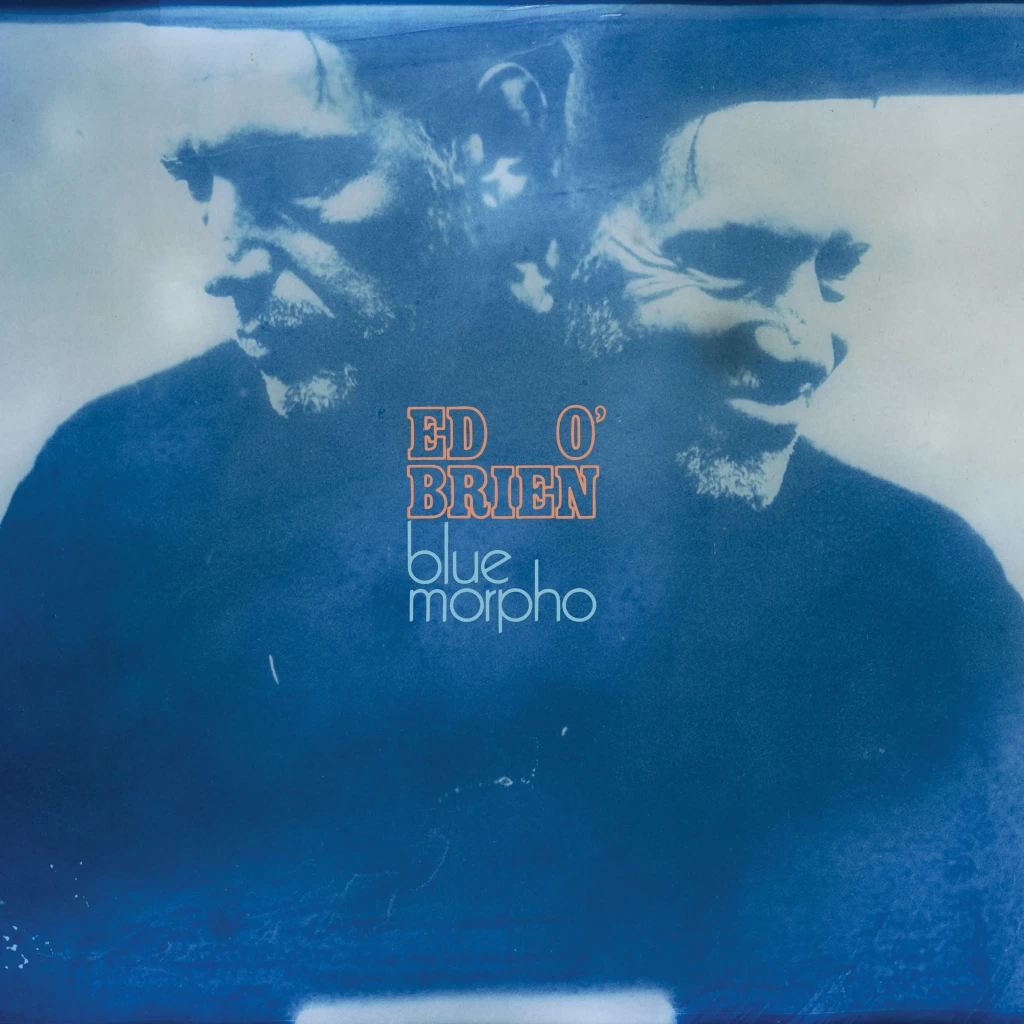 Many of these thirty-eight minutes build on the quieter, gentler feel of Earth’s deep cuts—but here, the results feel more like full-fledged worlds than promising teases. The first three songs all open with twinkly acoustic fingerpicking, but they rarely end in that same place. On “Incantations,” where Ed O’Brien sings about outrunning “ghosts of long ago,” the piece slow-builds with ESKA’s soaring vocal harmonies and the tasteful percussion of Crispin “Spry” Robinson. You think it’s all going to drift away peacefully, but then O’Brien introduces his first U-turn: A firecracker snare ushers in a trance-like kraut-rock/post-rock groove, and a convulsing electric guitar electrifies the black-sky vibe with lightning. Equally cinematic is the title track, which drifts by on the autumnal breeze of Kõrvits’ strings—it could have slotted perfectly on A Moon Shaped Pool, with zero dip in quality. But the record never settles rigidly into this magic-hour ambiance. “Teachers” feels like a funkier, proggier extension of Earth centerpiece “Brasil,” pulling from trip-hop and alt-dance as our maestro exercises some more demons (“Midway through life, I just lost my way”). In that signature O’Brien way, it’s hard to even describe what’s happening sonically in the back half, as some kind of instrumental solo (A talk box smothered in phaser? Bergstrom’s vocals run through effects pedals?) launches the groove into deep orbit. —Ryan Reed [Transgressive]
Hyd: Hold Onto Me Infinity
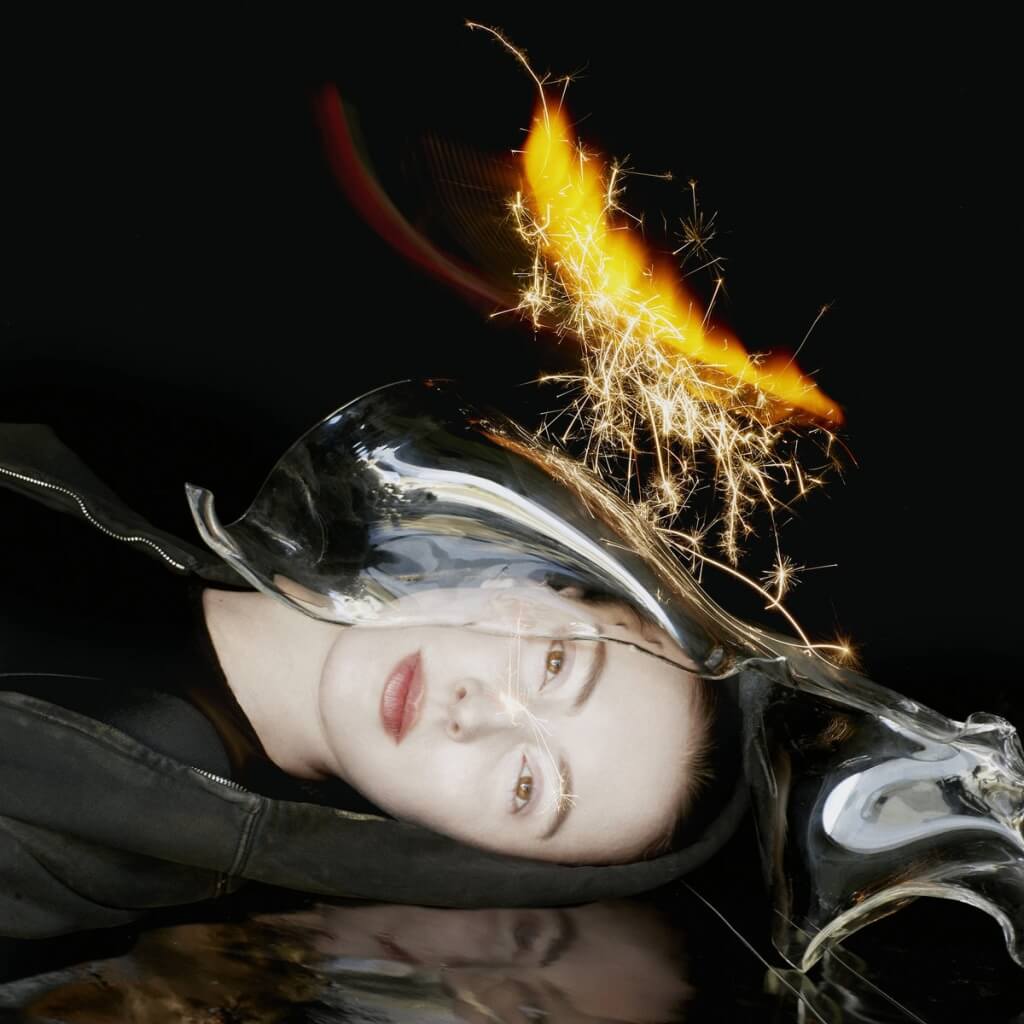 Hardly a day goes by that I (and every other music critic I know) don’t mourn the loss of SOPHIE. Her presence lives on, though, in Hyd’s second record. Hayden Dunham was SOPHIE’s partner and collaborator, and they ensured that the fingerprints of the late avant-pop icon were all over Hold Onto Me Infinity, a twelve-track roundup of existential bangers that answer the long-wondered question “Can we grieve our loved ones while at the club?” with a resounding yes. The album boasts two leaked SOPHIE demos from years ago, “Makeover” and “Make Me Believe,” but the inclusion of these older, SOPHIE-originating tracks fits right into Hold Onto Me Infinity’s addictive synth-and-drums formula, never feeling out of place. “Angel” (about Hayden’s memory of meeting SOPHIE’s father) and “Freak” (the chorus of which goes “this girl’s a freak / she’s just like me”) are a one-two-punch of pitch-perfect art-pop right off the bat—but Hyd’s not afraid to slow it down, either. “Never Is Over” and “Looking Up I See A Cloud” live somewhere in the chest instead of on the dance floor, the former resting on muffled glitches and mournful strings while the latter sits couched in a heartrending soundscape of clouds and gauze. It’s been a downright phenomenal year for alt-pop so far, and clearly, Hyd’s here to continue the trend. —Casey Epstein-Gross [Cascine]
JPEGMAFIA: Experimental Rap
 There’s something eyebrow-raising about JPEGMAFIA having production credits on recent works by Ye and BTS and then releasing an album of his own titled Experimental Rap. But knowing Peggy, that’s just how he likes it. The rapper’s self-produced sixth studio album, announced just three weeks ago, is a relentless, twenty-five-song tour de force through the rapper’s recent beefs: with critics, with Earl Sweatshirt, with an ever-swelling army of internet naysayers. The rapper’s flow is ceaseless, underlaid by his signature jagged, swelling production. On “Since I Met Ye,” slicing electric guitars smash against a glitchy, bass-boosted beat as Peggy seethes, “Since I met Ye, I’m dead to you n****s, that’s why I wear jet black,” in reference to his controversial additions to VULTURES. On “Mask On,” a high-energy flow reminiscent of Camp-era Childish Gambino, Peggy exhorts us to participate in a high-stakes robbery. Over a dissonant, noise-rock-inspired beat, his flow marches forward: “Ash blunts, on the White House sofa, no sir, we do not punt,” he spits as the beat breathes heavy. Interspersed with gospel sermons and synthy, atmospheric instrumentals, the back half of Experimental Rap is where Peggy comes into his own. On “No Strippers In Heaven,” he whispers over an atmospheric choral arrangement, a finger-picked acoustic, and, finally, a drum-forward beat that makes wonderful use of the negative space around him. Never bashful, he brags, “Alternate rapper work ethic like Prince and with numbers like William and bitches like Vince.” For an album titled Experimental Rap, Peggy’s flow is pretty consistent across this fifty-two minute ride, but his production is continually unexpected and often totally delightful. —Miranda Wollen [AWAL]
Lowertown: Ugly Duckling Union
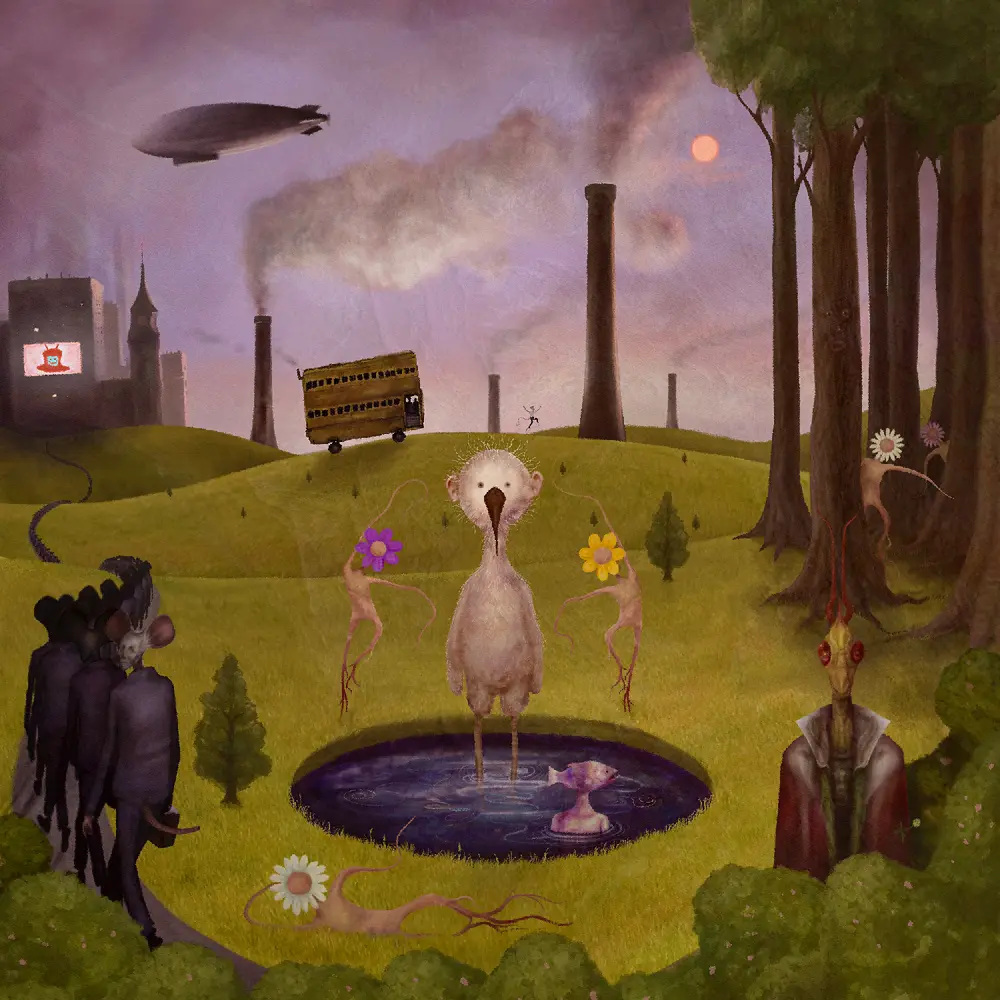 Ugly Duckling Union is ostensibly about Olivia Osby and Avsha Weinberg’s relationship, their forced separation, hunt for individualism, and eventual reunion. Even so, the pair went so far as to create a fictional word for the album, framing it as the story of a duckling protagonist, Dale, who leaves home, finds a new community, and embarks on a mission to take down a tyrannical media company that profits from isolating citizens. Whether or not Dale’s story was intended as a way of depersonalizing Ugly Duckling Union, the narrative resulted in its own real-life ecosystem, complete with comic strips, handbooks, plushies, Minecraft servers, and Discord channels. Dale’s story speaks to the commodification of the internet and the dissolution of many of the internet spaces that were so integral to Lowertown’s existence. Even when filtered through fantasy and abstraction, Ugly Duckling Union still feels pointed and personal. Lowertown presents a more nuanced and even seasoned look at melancholy, giving the album an emotional complexity that allows them to strike a balance between lighthearted, almost crass lyricism and over-the-top instrumentation, while also offering deep-rooted ruminations on self-confidence and the darkest dimensions of codependency. —Cassidy Sollazzo [Summer Shade]
Ted Lucas: Images of Life
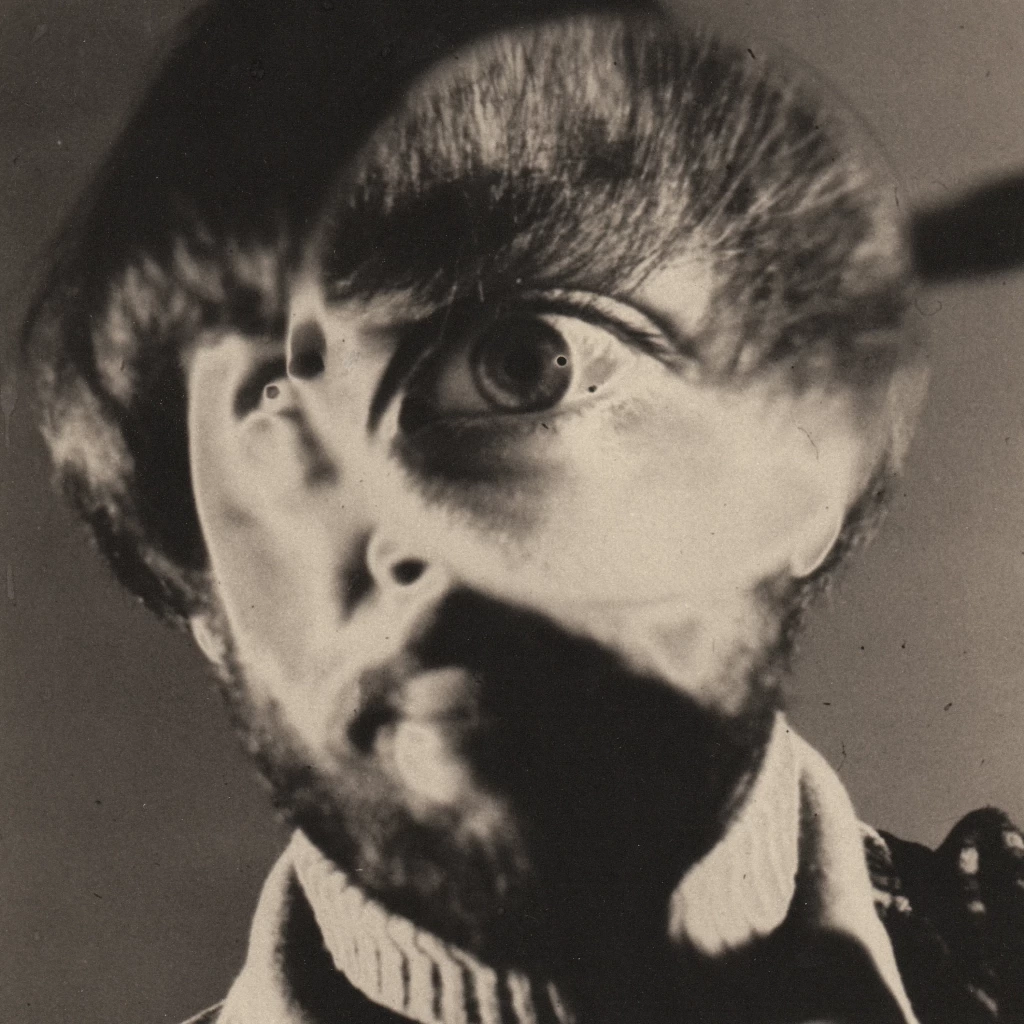 Ted Lucas gets his deserved retrospective in the form of Images of Life, a three-LP album of unreleased recordings. Despite its length, Images of Life only skims the surface of Lucas’ output, but it’s compiled elegantly, starting by chronicling his early days with various groups formed in the psychedelic haze of the 1960s—The Spike Drivers, The Misty Wizards, and The Horny Toads—each of whom, despite being excellently named, did not last longer than a few years apiece. The latter two parts of Images of Life trace Lucas’ spiralling arc away from the trappings of the music industry. What these recordings reveal to us with piercing clarity is a musician who is making music not because he thinks it will make him money or gain him fame—in fact, he is painfully aware that it will do neither of these things—but because he can’t not make music. He is an artist who has too much inside of him to be contained, who cannot stop evolving himself and his sound.
Part two, Rainy Days (1970-1974), will be sonically familiar to anyone who knows Lucas, overlapping as it does with the recordings that made it onto the only album he released during his lifetime. It features moments of singular, hypnotising beauty—the title track fuzzes delicately into your ears as Lucas laments his lost love; “Anastasia,” a quiet, slow waltz in which Lucas doubles his vocals to create the haunting illusion of multiple men singing in unison, diverges only occasionally into harmony before coming back together. It is the third part, Impossible Love, that is most full of revelation. The latter half of the Seventies saw Lucas return to his garage roots, and the results are evident precursors to yacht rock. Stand-out “Slow Motion Ocean (Of Love)” rocks broodingly, oozing through its minor-key guitar solos with a lick of Lucas’ psychedelic roots. Taken together, these three albums are a fitting testimonial to his sprawling genius. —Mariam Abdel-Razek [Third Man]
The Deslondes: Don’t Let It Die Vol. 1
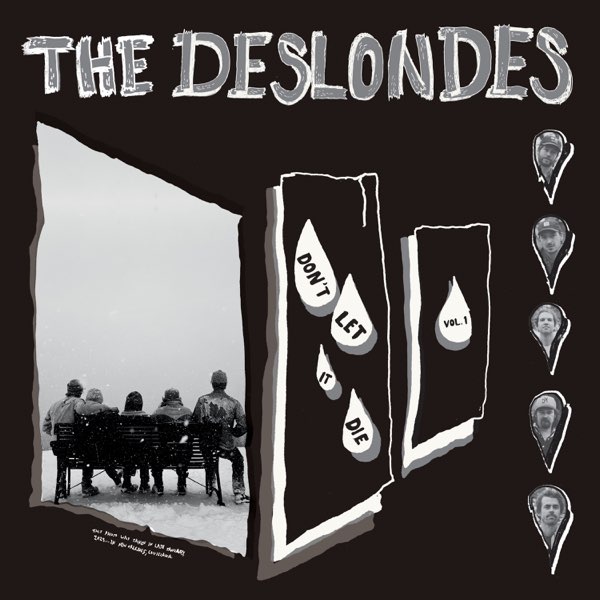 The Deslondes’ new LP, Don’t Let It Die Vol. 1, is a collection of old and borrowed songs. Dan Cutler, Howe Pearson, John James Tourville, Riley Downing, and Sam Doores have already built a great catalog of their own, so why not try out that of others? The music of Clifton Chenier, Swamp Dogg, Johnny Cash, and Shelby Lynne found a second life in the band’s NOLA studio. Don’t Let It Die is, in many ways, a gesture of affection. “We have so many friends who are songwriters, and we just love their music so much,” Tourville says. “Riley and Dan are always kicking around awesome, inspiring old songs for us to do, but for this album, we really wanted to play some friends’ songs, too.” The songwriting from Kate Cavazos (“I’m Gone”), Pat Reedy (“Long Drives and Lonesome Mornings”), Hurricane Smith (“Don’t Let It Die”), and Leonie Evans (“Moving”) sounds right at home here in Don’t Let It Die’s bluesy hideaway. Ever the terrific live act, the Deslondes harness all of that into a terrific—and I mean terrific—follow-up to 2024’s Roll It Out. The Kernal’s “Try Me” will inevitably endure as one of the band’s greatest efforts. The Deslondes make music for the soul. How else could anyone describe it? —Matt Mitchell [New West]
The Laughing Chimes: Behind Your Blue Fields
 When the Laughing Chimes released their sophomore album Whispers In The Speech Machine last year, they went in a gothier direction, cutting a few of the lighter, twinklier ideas they’d brainstormed. Luckily for us, the band has now compiled a number of those demos on Behind Your Blue Fields, a down-home, intimate look into the band’s creative process and the aesthetics they had to set aside along the way. The project is sweeter and more nostalgic than Whispers. In “Behind Your Blue Fields,” which also appears in four- and eight-track demo form, a melancholic melody bursts into a jangly, elegiac dreamscape replete with flutes and floaty guitar lines. “Hide behind your blue fields / We could sit and talk through the hours and hours,” vocalist Evan Seurkamp hums with a lovely earnestness. “Zephyr” is a pastoral lesson in whimsical harmony and magical realism; over a simple, grounded guitar beat, Seurkamp sings, “Turn to me, electric breeze / Guide me west on paper wings but do not speed.” It’s got shades of vintage R.E.M. to it, straightforward and self-possessed without losing its childlike sense of wonder. Seurkamp’s style adds to the Americana vibe of the compilation, emerging open and expansive without ever seeming naive. And his lyrics, while abstract, have a clear emotional valence: “Somewhere there’s a door the crowded space upstairs / Where what I show is true, faces just for you, forever wanting more because it’s three until it’s four.” It’s a pretty little record, and one that shows the vastness of the Laughing Chimes’ potential —Miranda Wollen [Slumberland]
Thomas Dollbaum: Birds of Paradise
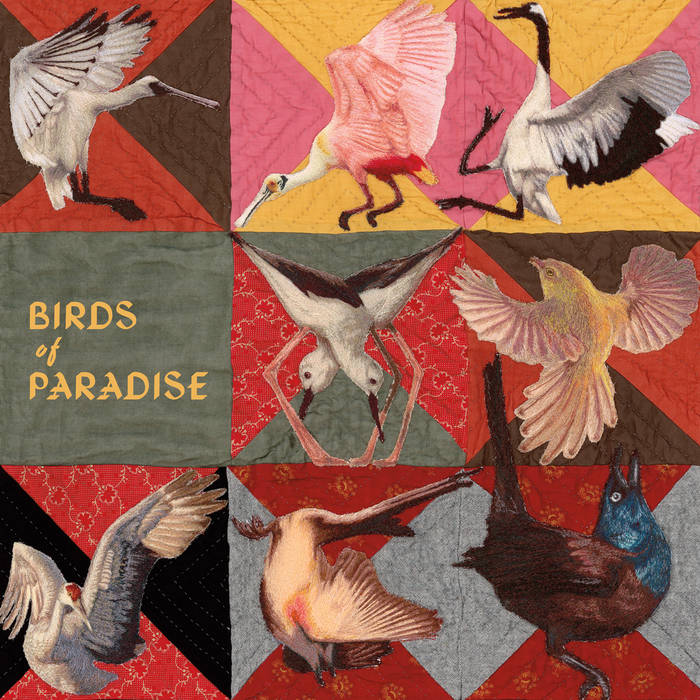 Birds of Paradise, like Drive All Night and Wellswood before it, is never completely correct. Van Zandt and Molina are obvious lodestars, but Thomas Dollbaum rarely sounds like them, his voice reaching a twang that could be from a hundred places at once. “Dozen Roses” returns to his Tampa childhood memories: “When you were a kid the whole world felt like a lonesome ocean, closing in with every wave that seems to come your way. I look now and it’s just tide pulled out of motion, a couple walks and then a dozen roses on their way.” With accompaniment from Nick Corson, MJ Lenderman, and Josh Halper, Dollbaum’s best songs remember the light and timber. He and his bandmates interlock for five soaring minutes, tailing ghosts and preserving a noisy groove even when Lenderman’s lead lines pull the song sideways. King’s Landing” is especially magical about that, with its anecdotes about COPS reruns and building homes out of “water and snakes.” “Pulverize” is based on a girl Dollbaum once tried to drive to the coast with before their “hoopty to the promised land” stalled out halfway there. “Dozen Roses” runs on numbered days, as Dollbaum tells us there’s not enough of them. Birds of Paradise lives somewhere between a fib, a confession, and a god dang. Months ago, a white-label test pressing of the record landed on my doorstep and it’s lived on the office turntable ever since, my room filling up with pictures of sugar cane, I-95, and flatwood splinters. —Matt Mitchell [Dear Life]
Veeze: Y’all Won
 There’s something rather funny about Y’all Won, Veeze’s first full-length since his 2023 studio debut Ganger. It’s hard not to feel that the sardonic title is directed right at fans, saying, “Jesus Christ, I’ll release a tape already, goddamn.” Or maybe it’s aimed at leakers, Veeze admitting “defeat” by surprise-dropping eleven new tracks before those, too, illegally make their way onto the interwebs (although I’m sure some already had). The rapidly growing Detroit rapper has long since perfected the art of affected nonchalance, his raspy, lazy drawl as much a part of each song’s skeleton as the trap beats pulsing beneath. And that unbothered flow only augments the cocky charisma that propels the record—Veeze raps about his greatness with such a flippant, unbothered ease that you can’t help but buy into it. “Wrong Place, Wrong Time” is an ode to the Detroit scene, both sonically and lyrically; “IDK” shittalks cheap and aura-less peers; “Old Shit” brushes off the past without so much as a glance. Veeze’s rise has, in part, been due to recent collaborations with big names like Lil Yachty, Lil Baby, and LUCKI, so this entirely featureless tape might be exactly what he needed to prove he doesn’t need anyone else in the room. —Casey Epstein-Gross [Navy Wavy]
‘ Este Articulo puede contener información publicada por terceros, algunos detalles de este articulo fueron extraídos de la siguiente fuente: www.pastemagazine.com ’