Paste is the place to kick off each and every New Music Friday. We follow our regular roundups of the best new songs by highlighting the most compelling new records you need to hear. Find the best new albums of the week below.
April + Vista: Traditional Noise
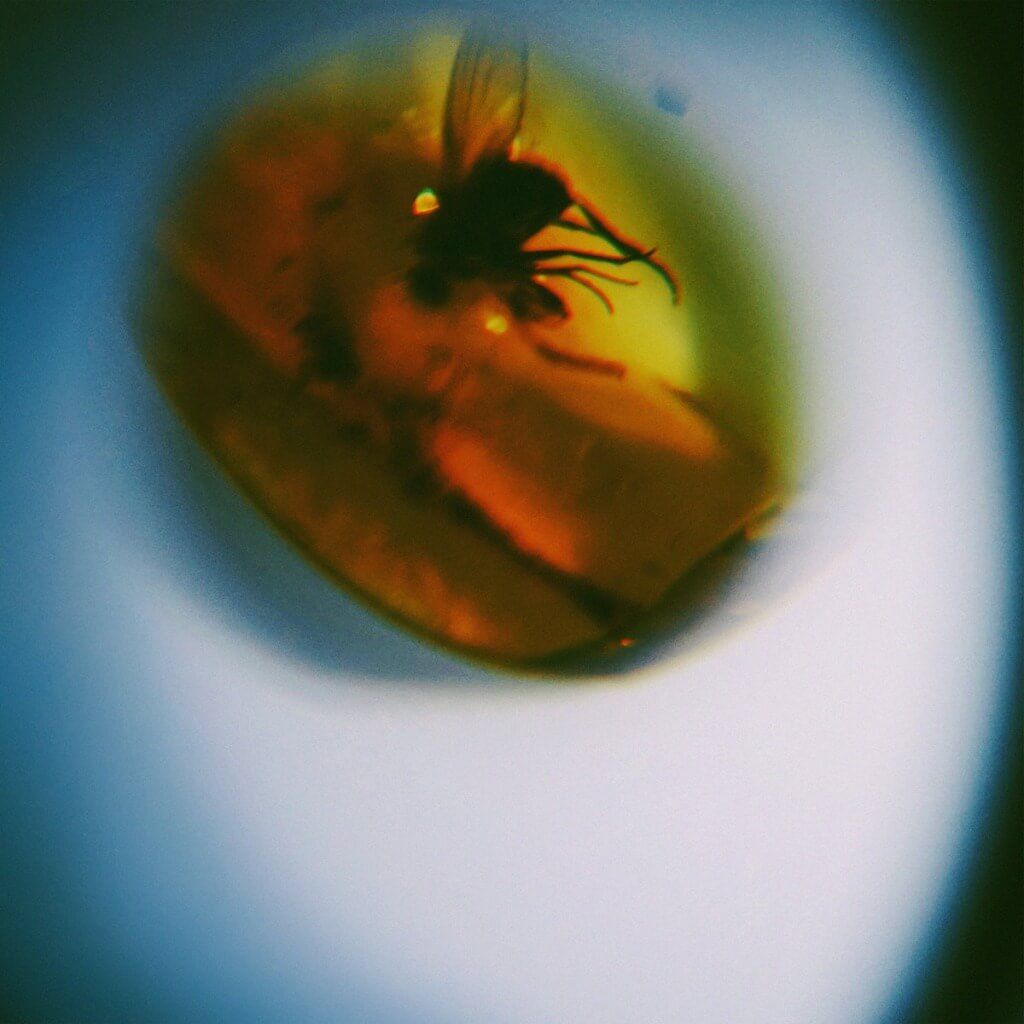
You would never guess that Traditional Noise is, technically, April + VISTA’s debut record. It’s phenomenally self-assured, shifting gears and hopping between genres with such ease that the very lines between the one and the next become blurred. Of course, it did take them ten-odd years to get here—and that, you can hear. The dynamic between singer/composer April George (April, obviously) and producer/composer Matthew Thompson (VISTA, somewhat less obviously) is evidently one that can only be honed through years of collaboration. George’s voice is angelic, overflowing with feeling and always buoyed by Thompson’s clever arrangements. Even her wordless vocalizations bleed emotion, so when she puts all that soul into lines like “I left myself behind / Soaking in a brine / Weeping through the night,” it sinks somewhere deep into the skin. Genre itself is more or less transcended throughout; it’s R&B, it’s trip-hop, it’s baroque pop; it’s alt-rock. Opener “Very Bad News“ veers more industrial; “Love Unspent” dips into blues; “Rot” is a quick minute of drone-y electronics; “Bless My Heart” ventures uptempo for a TonyKILL feature; “Standing in Place” goes full croon, at one point employing a choir atop its easy-going drum loop. This is my first introduction to April + VISTA somehow, but trust that I will be coming back for more. —Casey Epstein-Gross [Third & Hayden Recordings]
Blood Sucking Maniacs: Blood Sucking Maniacs
 The Blood Sucking Maniacs is a family affair spanning 121 years and five generations, as Terry and Jo Harvey Allen perform with their sons Bukka and Bale and grandsons Kru, Sled, and Calder. “Down to the River” is the band’s sweet and spiritual paean centerpiece. The world stops when Terry and Jo duet. Here, they’re lovers dreaming of all the destinations they haven’t reached yet. Terry sings the “come on, baby, let’s go” refrain while Jo recites the verses, filling us with stories about the Bay of Bengal, “bad microphones” blasting love songs, slow dark oxen, the Nile at Aswan, pickup trucks, dark secrets, and that “mighty Mississippi” and that “beautiful, beautiful Seine.” If not today, then tomorrow, Jo beckons, as she and Terry find shelter within each other and a piano harmonizes around them. “Down to the River” is quiet as a lamb, just two good, curious people talking about going someplace prettier than a postcard. —Matt Mitchell [Paradise of Bachelors]
Carla dal Forno: Confession
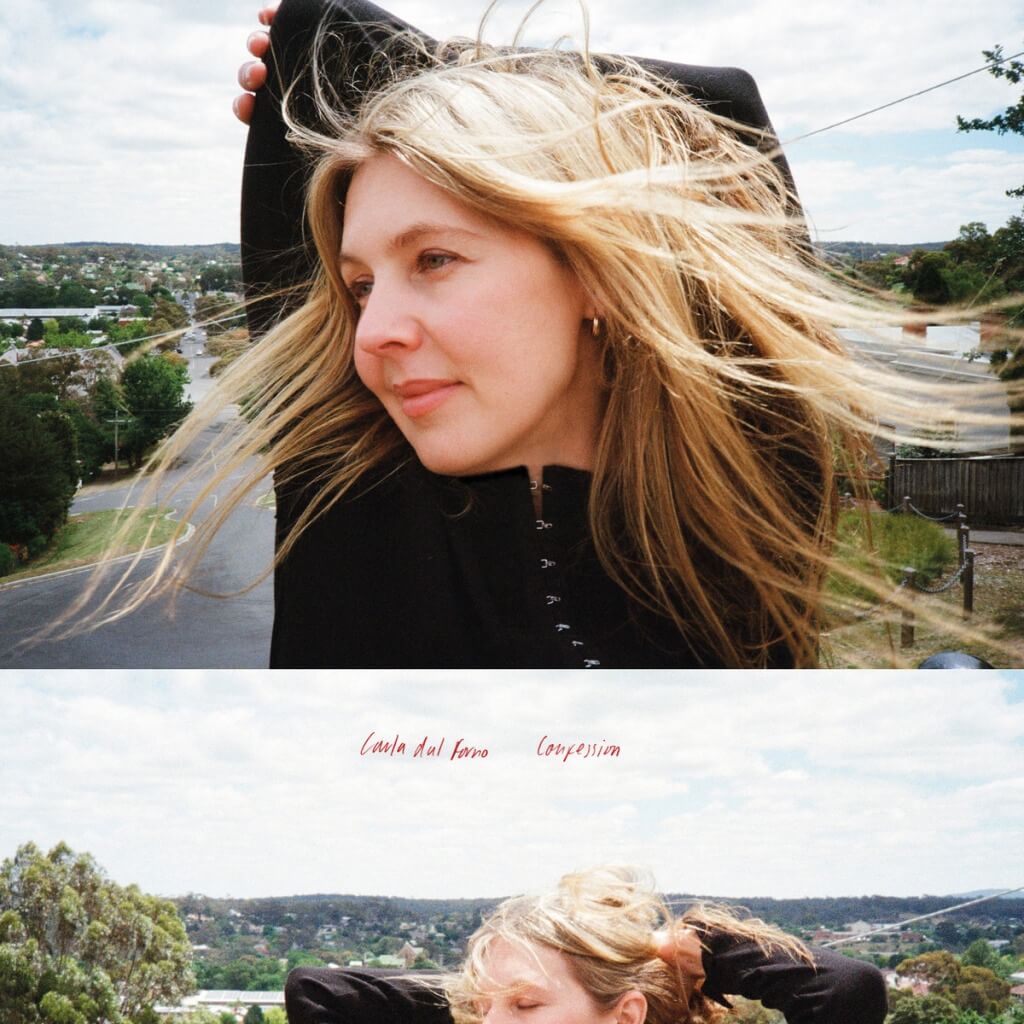 Confession, the fourth album from Australian singer Carla Dal Forno, has a bounciness that belies the narrator’s obsessive desperation. But the circumstances of the LP’s birth add a dash of dark mystique: Dal Forno wrote and recorded it in an abandoned hospital in an Australian hamlet with a population just under 8,000. Living in the tiny town, she became infatuated with a friend whom she could not possess wholly enough—and thus was born Confession. Dal Forno’s character (if we can reliably separate the lyrics from their progenitor) is somewhere between Romeo’s Juliet and the stalker from Baby Reindeer. At the outset, she sets a scene of domestic bliss: in “Under the Covers,” the singer details a scene of perfect cozy coupledom, replete with dreamily-distorted vocals and hypnotic, thrumming melodies. “And when I’m bored, you take my hand, and you say ‘Sweetheart, you know I understand,’” she murmurs like a lullaby. But on “Blue Skies,” things take a turn: in the same floaty, disaffected voice, Dal Forno complains, “You’re changing like the weather / We go out sometimes, it’s impossible not to see / You’ve got one eye out in the hope you’ll see something better.” As Dal Forno spirals into paranoia, she gets possessive, spinning out as her beloved slips away. Hers are the unhinged emotions of every teenage girl, and to hear them sung with such sharp, witty abandon is a treat. —Miranda Wollen [Kallista]
Fatboi Sharif and Child Actor: Crayola Circles
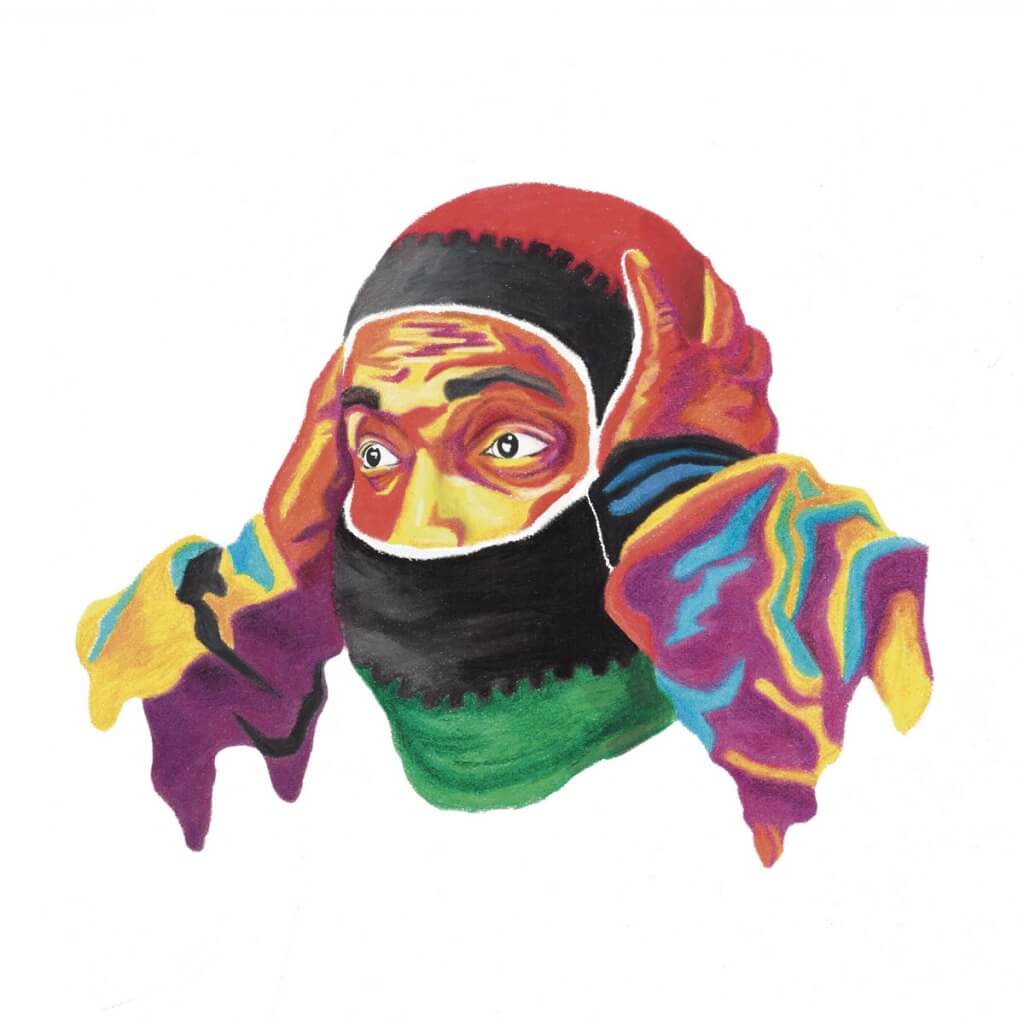 A full-length from Fatboi Sharif and Child Actor? Don’t mind if I fucking do. Backwoodz has been destroying it lately, and Crayola Circles is no exception. Sharif’s low, unbothered drawl is a perfect fit for Child Actor’s sample-heavy soundscapes, his ever-confident flow and resonant voice both more than capable of filling up at that intentional empty space. From the aptly nightmarish “Night Terrors” to the aptly angry “ANGER,” the taffy-slow drowsiness of “Assassination Tapes” to the messy piano scattered across “Diagnosis” to the hollow echoes blowing through “Cold Day In Hill,” every decision feels utterly intentional even as both collaborators casually play them off as if they were nothing at all. As is typically the case with the NJ rapper, Sharif’s lyricism is imagistic and discombobulating, concise in verbiage but expansive in meaning. References and name-drops populate the record, often in MadLibs-esque combinations (see: “Betty Shabazz and James Baldwin won a fortune at the DJ School Memorial as purple rain was falling”) that create something of a pop culture palimpsest, impressions of impressions stacked atop each other until the picture painted is equal parts realism and surrealism. Sharif’s racked up a ridiculous discography over the last 8 or so years, and Child Actor’s list of impressive collaborations just keeps on growing. If you’re not keeping an eye—and an ear—on both of them, I’m not sure what you’re doing. —Casey Epstein-Gross [Backwoodz]
Florry: Smells Like… Florry Live As Hell
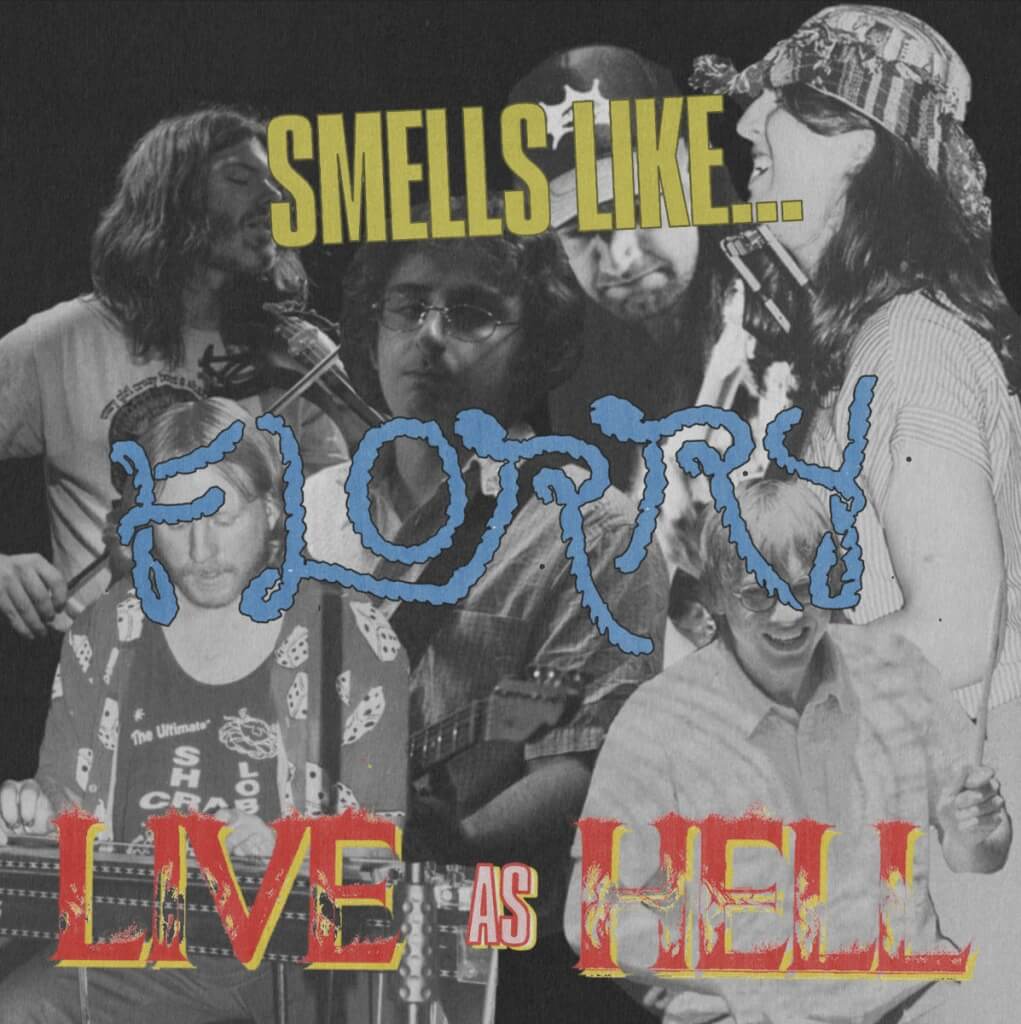 What a lovely thing it is to live in the era of the Florry live album. And Sounds Like…, the sparkly, down-home third LP released by the group last spring, is music that was made to live onstage. An agglomeration of concert performances from Portsmouth, Cleveland, Leeds and Philadelphia, Smells Like… Florry Live As Hell is as much a celebration of the country-rock genre itself as it is the band’s catalogue in particular. “Dip Myself In Like an Ice Cream Cone” is a sugary-sweet tune bolstered by lead singer Francie Medosch’s lilting drawl and John Murray’s searing guitar. Two renditions of “Take My Heart”—one a roiling, bluesy electric; the other a pared-back acoustic, all harmonica and head-voice—demonstrate not just the band’s eclectic range, but its ability to flip seamlessly between the raucous and the intimate. In the tape’s best moments, the two vibes squish together into something new and unique. Florry is a heart bursting at the seams, a late summer afternoon, and a weird Tuesday at a shitty dive bar. The band comes alive when far away from any post-production bells and whistles. And if you’re still not convinced, the band included two live covers from NRBQ for good measure. —Miranda Wollen [Dear Life]
Friko: Something Worth Waiting For
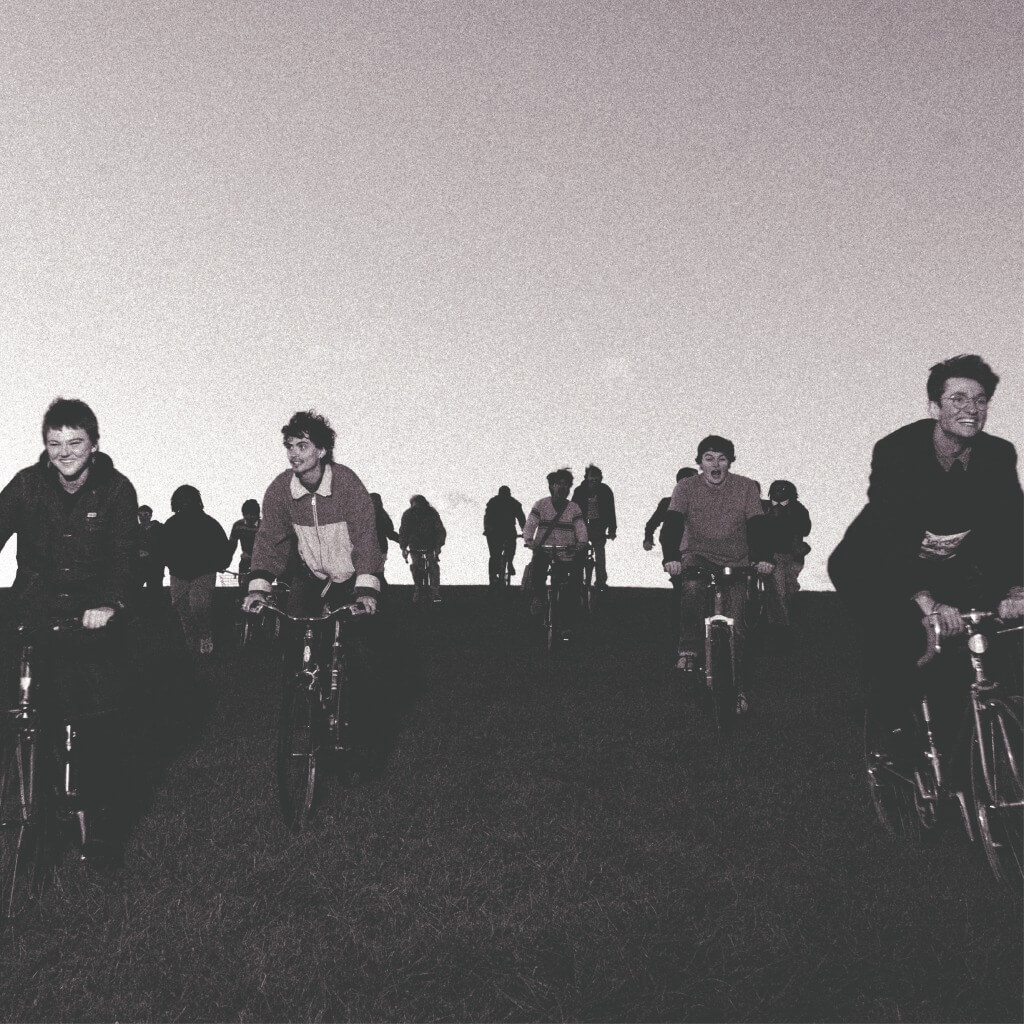 The stakes immediately feel more intense on Something Worth Waiting For opener “Guess,” which breaks the tension of its strangled major-chord strumming and raw-nerve observations (“Don’t make me guess if that’s a cry or a laugh”) into a full-on noise-rock wall of sound. Their sense of dynamics is crucial here, illustrating just how quiet and just how loud they’re willing to get—by the time the band fully kicks in, the distortion has swallowed everything around it. But then we return to the softly sung lullaby that opens the tune—a reminder that loudness doesn’t always equal intensity. Even structurally, some Friko songs, like the near-operatic title cut, seemingly start with the climax—just quietly. There’s a palpable surge of twenty-something adrenaline, like they Kapetan and Minzenberger can’t possibly hold it all back. You can almost hear the shaking limbs and quivering lips on the euphoric “Still Around,” a slice of barbed power-pop with some tasty time-signature business in the back half, and even throughout the chamber-pop melodrama of “Certainty.” Every Friko song strives to make you feel their same big feelings, and they almost always succeed. —Ryan Reed [ATO]
Gia Margaret: Singing
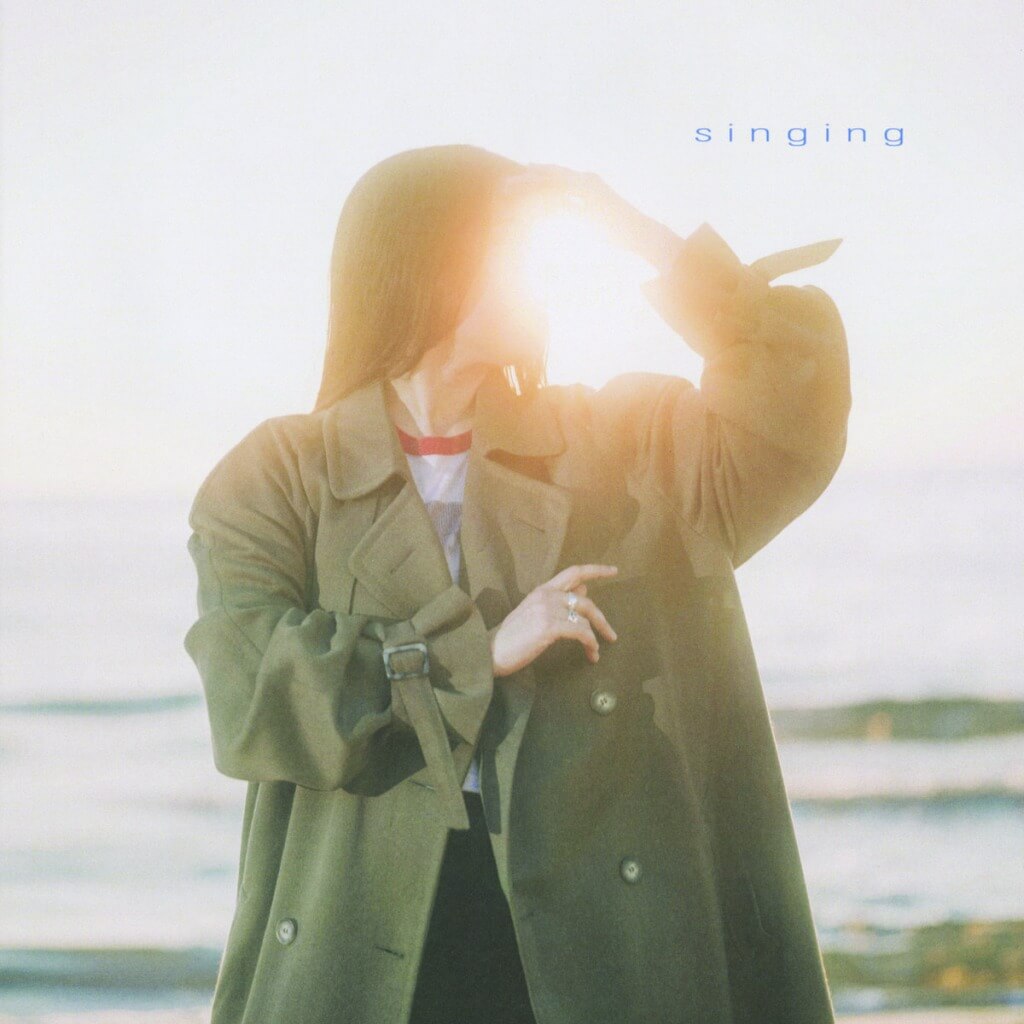 Singing is Gia Margaret’s first vocal album in almost eight years, and it’s phenomenal—a word I’ve begun using only when I really mean it. This music is not simply a requiem, but a meditation on communication. The songs, written between 2020 and 2025, are rich with detail and powered by reconnection: between Margaret and her voice, Margaret and her teenage self, and Margaret and her collaborators. Frou Frou’s Guy Sigsworth, Stars’ Amy Millan, the Weepies’ Deb Talan, Pedro the Lion’s Dave Bazan, and Philly’s czar of cool Kurt Vile all make appearances in the 12-part tracklist. But Margaret never fades into the background. She makes callbacks to her previous albums with synth harmonies and ambient interludes but finds respite in the newness of muscular guitar solos, vocal processing, Gregorian chants, turntable scratches, IDM fills, and summery pop origami. Margaret’s singing is as soft and pronounced here as it was on There’s Always Glimmer in 2018, and the record ends with her embracing it: “Will you sing me anything? Anything you want!” “Once I healed, there was a lot of internal pressure to come back strong. I didn’t know who I was anymore,” she said. “So [Singing] felt like beginning again, and reconnecting with these very old, old parts of myself.” —Matt Mitchell [Jagjaguwar]
Julia Cumming: Julia
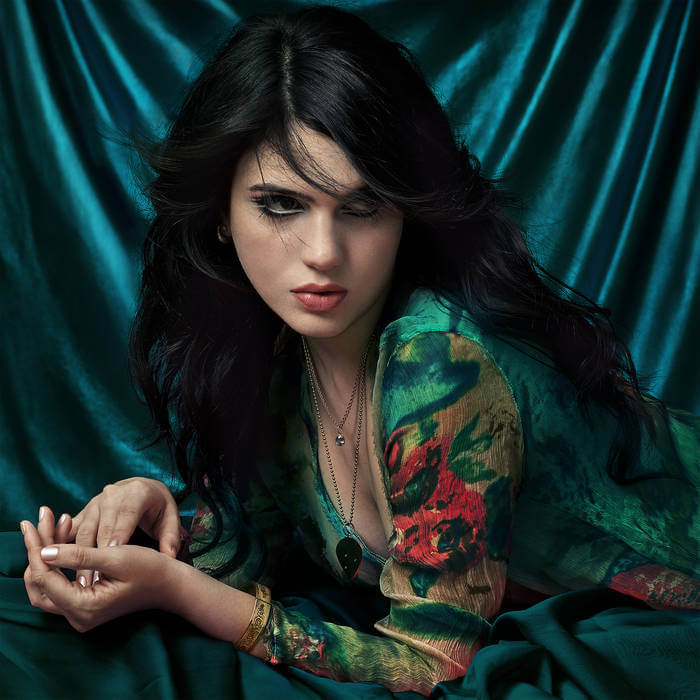 Julia Cumming has turned over cool so many times, examined it from every angle, and now, at 30, after more than half her life spent onstage, she’s freed herself from it on her solo debut. It makes sense that Cumming would seek reprieve in softer sounds. She’s got a truly remarkable voice—smooth and pliable and brimming with poise—and over the course of her career she’s demonstrated just how versatile it is. While I love hearing it accompanied by the slam of a hard-and-fast punk song or some upbeat bubblegum pop, it’s intriguing to hear her try on some more stripped-back arrangements that let her range and expressibility be the focal point. The best tracks on Julia are the ones where Cumming breaks form, injecting a discordant rhythm (“I Dream of a Fire that Stays Burning…”) or a rowdy shred (“Do It All Again”). The chorus of “Forget the Rest” ups the energy for what should be a big finish—it’s one of Julia’s best hooks, but the downside is that instead of returning one last time, the track (and by extension, the album) ends rather abruptly, feeling unfinished. These more energetic, unpredictable moments come as a welcome surprise, a reminder that there’s always something more lurking beneath the cool exterior, that it’s not just chill vibes all the way down. —Grace Robins-Somerville [Partisan]
Kehlani: Kehlani
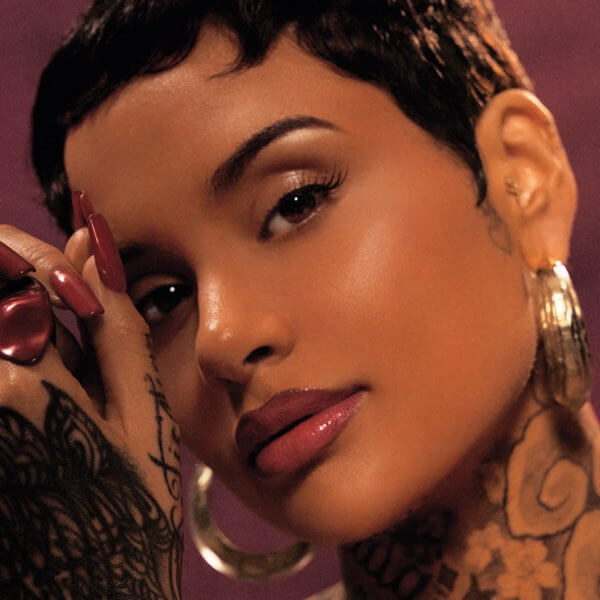 Kehlahni’s CRASH follow-up is a party, literally. Lil Wayne, Clipse, Brandy, Missy Elliott, Usher, T-Pain & Lil Jon, Cardi B, Big Sean, and Leon Thomas on ten of the 16 non-intro tracks, creating a time capsule of this century’s brightest R&B and rap achievements. “What I wanted to happen on this album was I really needed all the features to feel like this joyous return to what they truly loved to do,” Kehlani told Apple Music. She and Elliott go bar for bar on “Back and Forth,” a drum loop from the Pharcyde’s “Runnin’” shows up during “No Such Thing,” and chipmunk soul gets a nod on “Anotha Luva.” Kehlani’s hero, Brandy, inspired the biggest song of her career: “Folded,” which won two Grammy awards this year. On the Jam & Lewis-produced “I Need You,” Brandy joins her protégé to sing about an ex. Kehlani even rewinds us back to the crunk&b days on “Call Me Back.” She sounds, in a word, incredible on Kehlani. —Matt Mitchell [Atlantic]
Loukeman: Sd-3
 Loukeman has been doling out his Sd trilogy since 2021, and part three is out today. The Torontonian has spent these five years becoming an in-demand producer, showing up on projects by PinkPantheress, A$AP Rocky, Earl Sweatshirt and MIKE, and Jump Source in the last 365 days alone. Sd-3 closes the loop on his overstuffed pop beat tapes. “I try not to put any pressure on myself; even listening back to Sd-1, I wouldn’t change anything, and that’s how I’m thinking about this one, let the evolution do its own thing, like second nature, just see what happens,” Loukeman said in a press release. This installment’s strength, as was the case with Sd-1 and Sd-2, is texture. Pop, R&B, and folk earworms are reconfigured into electro-bangers. It’s like a 47-minute body high. I’m drawn most to the house and trance ideas more than Loukeman’s folktronica leanings, but “To the Sky” is my favorite track of his to date. “Elktorn” isn’t far behind. —Matt Mitchell [September Recordings]
Metric: Romanticize the Dive
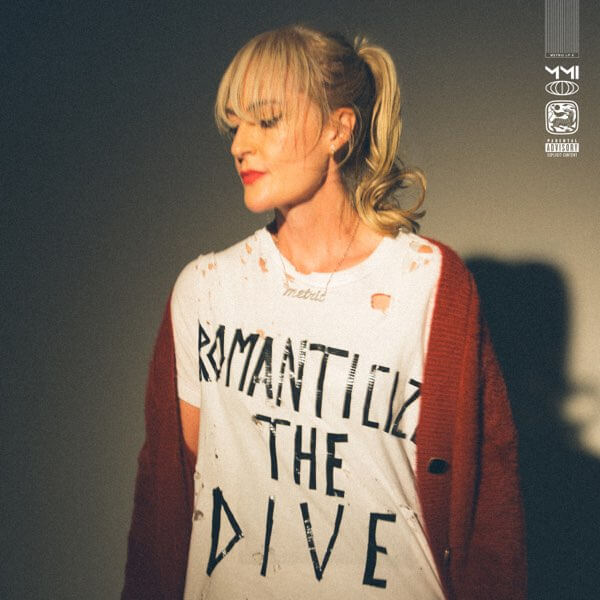 Romanticize the Dive feels like the album where Metric acknowledge just how important their self-sufficiency has been. Or, as Haines sings on the opening track, “Baby, I’m free.” On that song, “Victim of Luck,” Haines wonders whether the title applies to her. Is the band’s success over the years the result of luck? Metric’s 10th album considers that idea on 11 songs about perseverance and the freedom to experiment, and fail, as part of finding oneself. It’s a retrospective album, in the sense that Romanticize the Dive is built out of all the twists and turns that have led Metric to the present. It is not, however, merely a retread of the band’s previous work, but another milemarker on Metric’s road forward. “Victim of Love” starts things off with a huge hook from Haines—the kind you’ll find running through your head when you wake up in the middle of the night—over rolling synthesizers and a dance-ready beat. Later, the stuttering bump of the bass drum steers “Tremolo” through iridescent shafts of reverberating guitar from Shaw while Haines alternates between a reflective murmur and letting her voice grow in power on the chorus. Motorik synths flicker through “Crush Forever,” where Haines’ vocals have a rhythmic, autonomic quality on the verse and float like a ghostly afterimage on the chorus as she imparts life advice to younger versions of herself: “trouble in a tight black dress.” Metric wrap up Romanticize the Dive with “Leave You on a High,” an anthem of optimism that lives up to the title with a vocal melody that soars over the clang of Shaw’s guitars and a booming rhythm from Winstead on bass and Scott Key on drums. —Eric R. Danton [Metric Music International]
White Fence: Orange
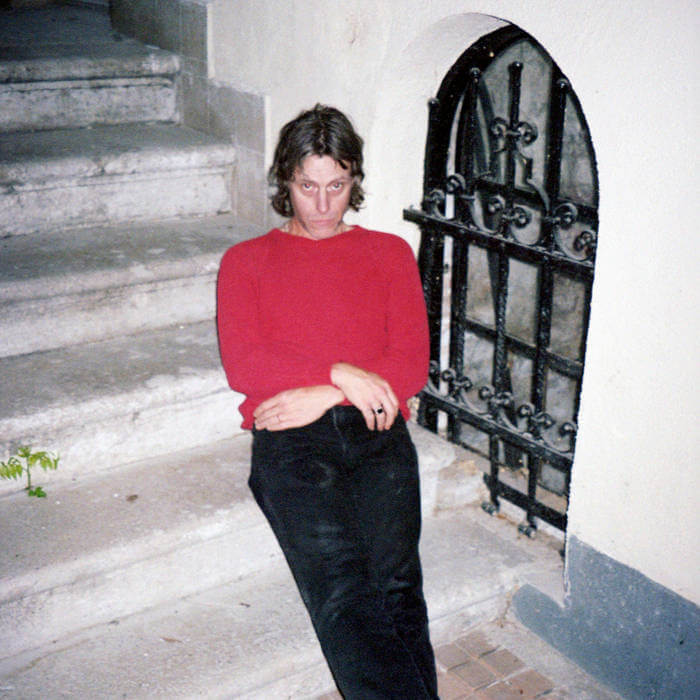 White Fence, the project of Tim Presley, has been silent since 2019 but never still. He proves as much on Orange, a tight, lively collection of 11 songs that range from psychedelic to ornate. Assisted by iconoclastic rocker Ty Segall, the album is at once sleek and fuzzy, dissociative and deeply personal. Lead single “Your Eyes” is spacey and vibrant; “I’m a terror for your brains / Now I’m sad to laugh at you,” Presley laments over a rollicking guitar beat. On “I Wanted a Rolex,” he leans into wistful and weary tones, sighing: “I want to be seen / […] / It takes a loving hand to settle me down.” With an expert hand, Orange shows the confusing, and sometimes conflicting, emotions of modern midlife. At times it’s spooky, soft, and vulnerable. Despite these shifts, a tonal consistency—held down by Segall’s drums and Presley’s smart-aleck lyrics—keeps the album from ever feeling scatterbrained. There’s a bit of a “one must imagine Sisyphus happy” energy to Orange that gives it a distinct self-possessedness. —Miranda Wollen [Drag City]
‘ The preceding article may include information circulated by third parties ’
‘ Some details of this article were extracted from the following source www.pastemagazine.com ’