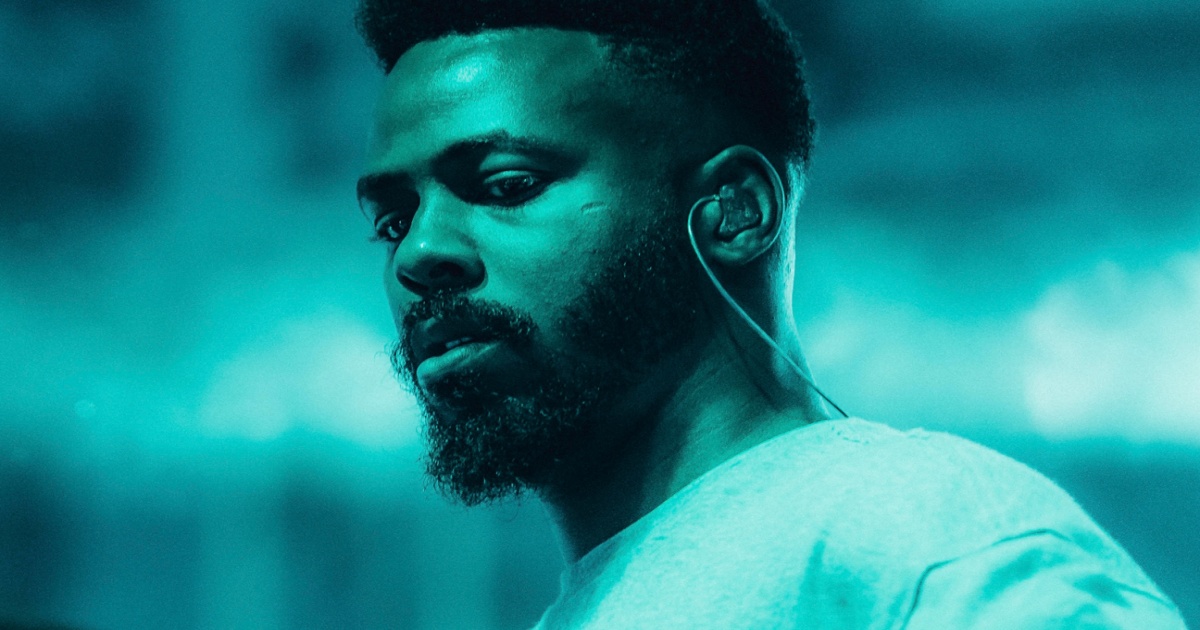
Nathan Duvall is a British music talent, tech entrepreneur and artist advocate, who is one-third of Disciples. The production trio had a hit with On My Mind, as well as collaborating with Calvin Harris, Little Mix and David Guetta.
Duvall’s latest project is SyncIt, an AI-powered platform that simplifies music discovery and licensing for electronic music. Here, the songwriter and SyncIt founder & CEO opens up about the ambitions for the start-up…
How useful is it for the company that you have a background as a successful songwriter? What lessons do you bring to it?
“It’s been everything. Coming from the artist side, I understand how difficult it is to get our music into the right hands and how disconnected the sync world can feel for creators. I’ve been fortunate enough to build SyncIt from an artist’s perspective outward. We’re solving problems I’ve experienced first-hand. Getting our music discovered and receiving fair compensation is our primary mission. At the same time, my experience working with brands and major labels taught me how they think commercially.”
Why is the focus on electronic music, what makes that genre so impactful for sync? Do you plan to branch out into other areas?
“Electronic music is one of the most sync-ready genres globally. It’s emotive, versatile, and instantly connects with visual media, specifically gaming, fashion, sport and automotive, which are the four top industries. It also travels globally without relying heavily on language, so I believe this gives us a unique advantage for international campaigns.
“It’s also beneficial that it’s the culture we know best, and where we can add the most value initially. As our AI tagging and search tools evolve, we’ll open up to other genres, especially those that link to youth culture, lifestyle and entertainment. Our starting point is about the depth of what we already know.”
How does the AI element of SyncIt work – what benefits does it bring?
“AI sits under the hood, but it’s not making the music; it’s making the discovery smarter. When a brand or music supervisor searches within SyncIt, they can describe what they need in natural language, for example – ‘a euphoric, festival-energy house track that builds like a sunrise that feels relevant to a young audience from Mexico’. The platform instantly surfaces tracks that match the emotion, energy and tempo of that request.
“Our proprietary system analyses musical, emotional and contextual data points across thousands of tracks, beats, energy curves, key changes, mood and lyrical sentiment. It can also learn what works for different types of visual media and provide suggestions. Our goal is to provide speed and precision for the people choosing music, and to offer far more opportunities for the artists uploading it.”
Coming from the artist side, I understand how difficult it is to get our music into the right hands and how disconnected the sync world can feel for creators
Nathan Duvall
How are your industry partnerships developing? What’s the industry reaction been?
“We’ve been really encouraged by the response. Early partnerships with brands like Red Bull, Silverstone and YouTube have validated the product from the brand side, filling us with hope for the future as we onboard more brands. We’re working with a mix of established labels, independent artists and forward-thinking publishers who want their catalogues to work harder through our AI tools. We’re also hosting exclusive unreleased material from some artists that brands can license directly through SyncIt before it hits DSPs – something that’s proving a real draw.”
Can you mention any successful placements?
“Yes – our first project was with Red Bull & Silverstone for Formula 1. We used our platform to find 10 artists who could perform across the four-day event, although this was outside the scope of licensing music for visual media, it allowed us to realise the potential of our platform. Not only can brands license music, but they can also find artists to participate in events and brand collaborations. This is something we didn’t expect to happen, so we ran with it.
“Another project we’ve recently completed was providing music for YouTube’s sound library, specifically for YouTube Shorts. We believe these partnerships demonstrate the flexibility of SyncIt, ranging from licensing one-off tracks to bespoke compositions and full creative curation.”
How is the team expanding, what are the growth plans for SyncIt? Do you plan to bring in outside funding?
“This year, we brought in Patrick Patrikios, who is a pioneer in the sound design space, and Ravi Kumar, our chief of product, has been instrumental in the development of the platform. Our close advisor Frank Meehan, who sat on the board for Spotify, has key insights and strategies to help us grow.
“The next stage involves scaling both sides of the business: the B2B SaaS platform for catalogue holders and the marketplace for brands and creators. We’re currently expanding the tech and partnerships teams and are in conversations for a seed round to accelerate that growth. We raised an SEIS pre-seed last year to prove the model, and we’ve just opened our seed round, which will help us focus on scaling infrastructure and onboarding larger catalogues through our SaaS API.”
What are the next steps in terms of the service, will you roll it out to a wider membership of music creators and music supervisors?
“Yes, but carefully. We need to expand in a way that protects both artists and catalogue holders, as well as instilling brand confidence. It’s a challenging task, but we’re motivated by it. We’ll open access to a wider creator network and a dedicated portal for music supervisors, agencies, and brands, allowing them to brief, search and license with ease. We are counting on these partners to help us further develop the platform. By collaborating with artists, brands and music supervisors, SyncIt can become a valuable asset for the music industry on a global scale.”
‘ The preceding article may include information circulated by third parties ’
‘ Some details of this article were extracted from the following source www.musicweek.com ’