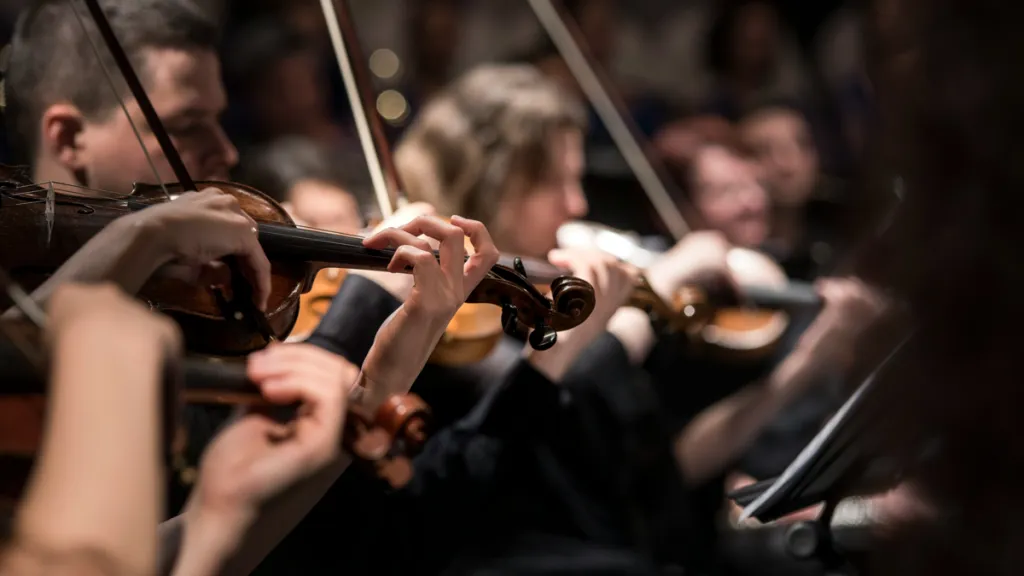
Photo Credit: Larisa Birta
Classical Pulse 2026, a new survey of classical music consumption habits, reveals Gen Z and Millennials are leading in classical concert attendance.
According to Candlelight by Fever’s Classical Pulse 2026, the tech platform’s first international analysis of classical music consumption habits, Gen Z and Millennials are much more likely than Gen X and Boomers to attend classical concerts worldwide. The study features insights from over 8,000 participants across 10 countries.
Surprisingly, the majority of Gen X and Boomers have not attended a single concert in the past year and are among the least likely to attend worldwide. More than half (55%) of Americans have attended a classical music concert at least once in their lives.
Here’s where the younger generations really begin to stand out: 88% of adults under 45 attended at least one concert in the past year, and live concert attendance remains high among Gen X (those aged 45-54), with 83% attending at least once. Meanwhile, attendance declines with age worldwide; Baby Boomers in the U.S. show some of the lowest attendance levels worldwide, with 41% not attending even once. This is comparable to Canada (46%), Australia (45%), and the UK (42%).
Beyond attendance, Americans also show strong personal ties to the genre. Over half (54%) say they are connected to classical music—whether as students, educators, amateur or professional musicians, or through close relationships with someone who is. Among those who express an interest in the genre, 25% say they enjoy classical music regularly and 45% do so occasionally.
In the U.S., practical and perceptual barriers play a significant role in keeping audiences away from classical music. Among those who have never attended a concert, the most common reason is a lack of interest in the genre, cited by 35% of respondents. Limited access and cost are equally significant barriers, with 21% saying there isn’t much on offer near them and an equal share finding tickets too expensive.

Photo Credit: Classical Pulse 2026
Knowledge and cultural perceptions also influence attendance. Nearly one in five feel they don’t know enough about classical music to attend; 11% say events feel too formal; 13% don’t have anyone to go with; and 10% find concerts too long or boring.
These numbers show how accessibility, perception, and cultural familiarity shape engagement in the U.S., which suggests that making classical music feel more approachable, affordable, and locally available could open doors to wider audiences.
Although Americans show comparatively high levels of active engagement, the survey highlights opportunities to bring the genre closer to new audiences. While traditional concert halls remain the primary setting, Americans are increasingly enthusiastic about innovative formats. Genre blending is the most desired innovation, cited by 29% of respondents, followed closely by visual effects at 26%. Unconventional venues appeal to 15%, and 12% express interest in interactive components.
Notably, classical music today is driven by younger, digital-first fans, strengthened by personal and social connections. Meanwhile, barriers of access and interest remain relevant challenges, and genre blending coupled with more affordable tickets could be enough to draw in a wider audience.
The survey was conducted online with 8,000 adults (800 in each of the ten countries). Samples were balanced by gender, age, and region to reflect national populations.
‘ The preceding article may include information circulated by third parties ’
‘ Some details of this article were extracted from the following source www.digitalmusicnews.com ’