
(Credits: Far Out / Wikimedia)
The golden age of Hollywood spanned several decades of filmmaking, with studios dominating the industry and holding certain stars hostage to contracts that required them to appear in a certain number of movies.
As a result, many iconic actors emerged during this period, which came to define a revolutionary period in entertainment history—they became celebrities with eager followings desperate to see what kind of picture they’d appear in next.
That system created stars at an unprecedented rate, but it also came with limitations. Actors were often moulded into specific personas by the studios, expected to replicate the same charm or archetype across multiple films regardless of their personal ambitions. While this consistency helped audiences form strong attachments, it sometimes stifled individuality, forcing performers to navigate a careful balance between artistic growth and contractual obligation.
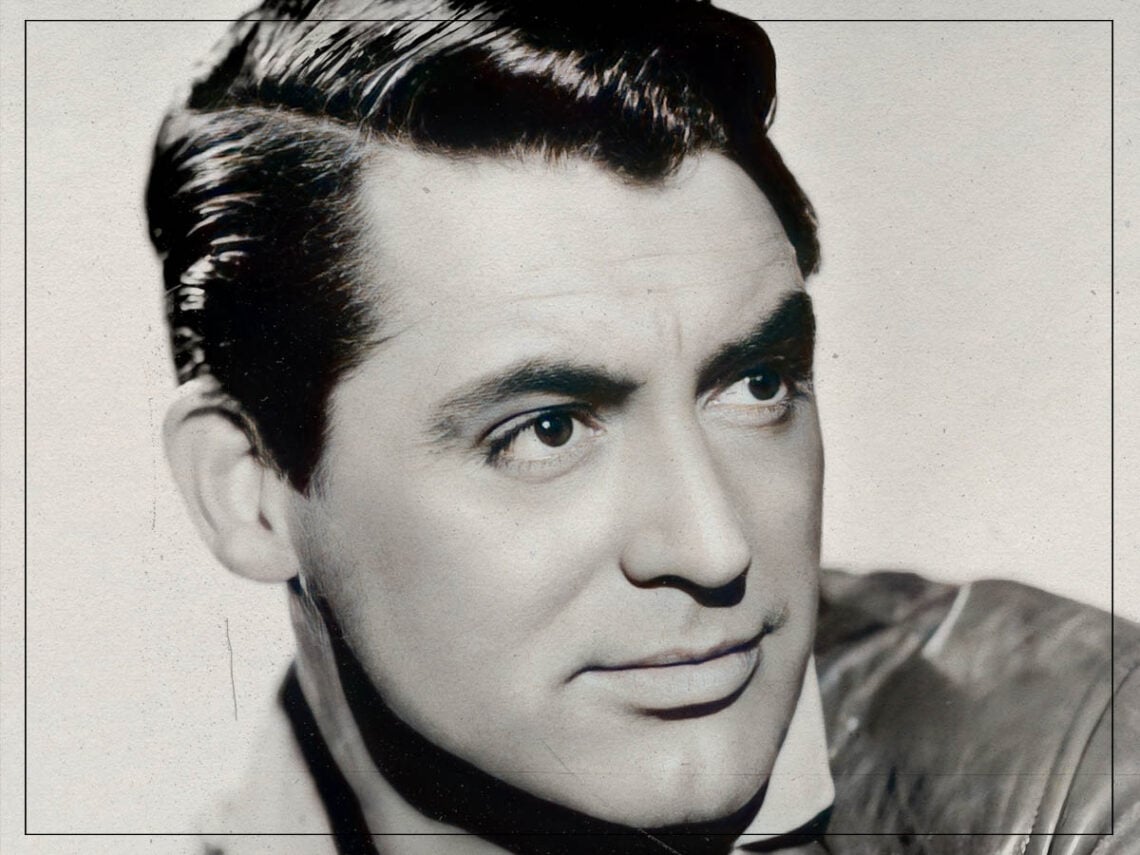
For someone like Cary Grant, that balance became a defining part of his appeal. He managed to operate within the rigid studio structure while still developing a screen presence that felt effortless and unique. Rather than being confined by the system, he subtly reshaped it to suit his strengths, evolving from tentative early roles into one of the most recognisable and enduring leading men of his era.
Cary Grant was a star of the era, first emerging on screen in the 1930s, shortly after sound cinema became the norm. He had relocated from England to America in the 1920s to become a stalwart Broadway actor, but within a few years, he found himself in front of the camera instead. His first movie role came in This Is The Night in 1932, directed by Frank Tuttle, which he followed with other small appearances. His early performances in Pre-Code films were a mixed bag, with the actor clearly trying to find his feet in a landscape that was constantly evolving.
(Credits: Far Out / TCM)
By 1937, Grant’s position in Hollywood seemed much more firmly fixed than it had been in the first few years of his career due to a starring role in the screwball comedy The Awful Truth alongside Irene Dunne. It won Leo McCarey a ‘Best Director’ award at the Oscars and is considered a classic of the era, and it allowed Grant to shine in a way that cemented him as an essential leading man.
He appeared opposite Dunne again in 1940’s My Favorite Wife and then in 1941’s Penny Serenade. During the studio era, actors were often paired with each other at various times, so Grant also found himself acting opposite Katharine Hepburn in movies like Bringing Up Baby, Holiday, and The Philadelphia Story, and Ginger Rogers in Once Upon a Honeymoon and Monkey Business.
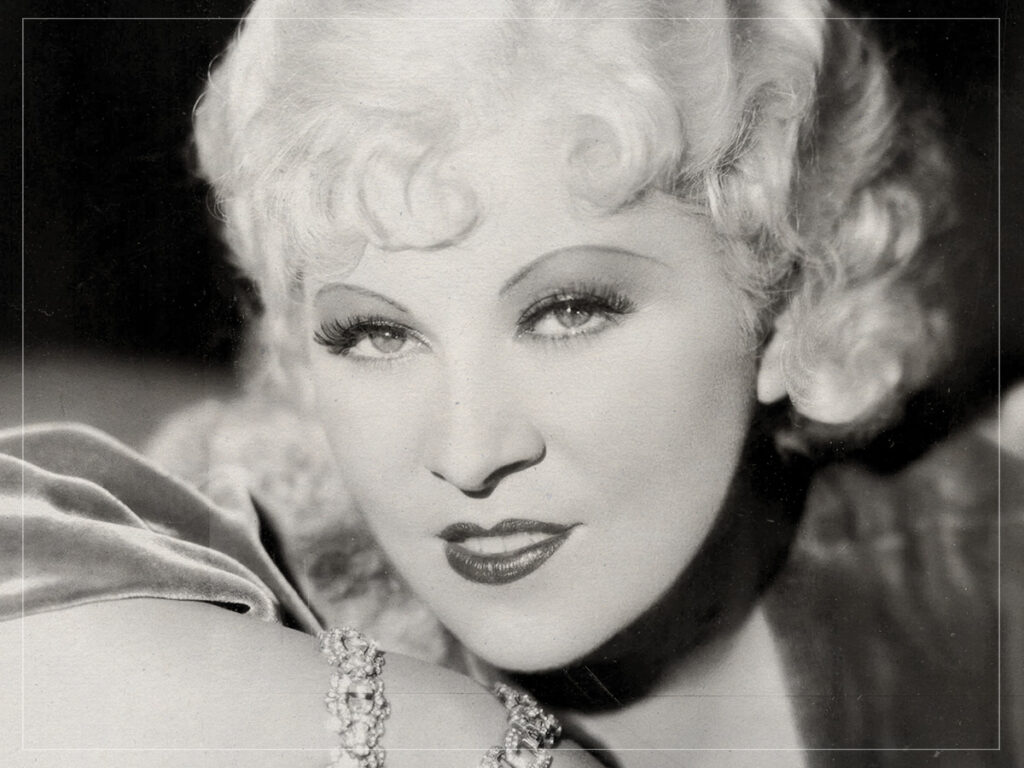
Yet, there was one actor that Grant worked with whom he found “disconcerting”, even though she was hailed as one of the greatest stars of the Golden Age of Hollywood. The actor was referring to Mae West, an iconic performer who was one of cinema’s earliest sex symbols, particularly admired by audiences for her appearance and sultry line deliveries. She left a strong mark on Hollywood with her openness towards sexuality, beginning her career during the Pre-Code era when more taboo topics were allowed to be explored on screen. However, she soon experienced the wrath of censorship because of this, although this only helped to build her star power even more.
Grant had a strong opinion on West, whom he starred alongside in two movies released in 1933 – She Done Him Wrong and I’m No Angel. It’s long been said that West reportedly told a studio executive, “If he can talk, I’ll take him!” in reference to Grant, who was keen to have him as her co-star. However, Grant is adamant that she was not responsible for his success, once claiming that “working with Mae West was terrible. No, not terrible, just disconcerting. She certainly did not discover me.”
He added: “She always got a great deal of publicity for herself. She lived in a world of artifice. I really never could communicate with her. Mae does what Mae wants to do, and you must suffer the consequences.”
It seems as though they were very different people, with Grant struggling to connect with the vivacious and larger-than-life star, who had a penchant for glamour, excess, and diamonds.

‘ The preceding article may include information circulated by third parties ’
‘ Some details of this article were extracted from the following source faroutmagazine.co.uk ’