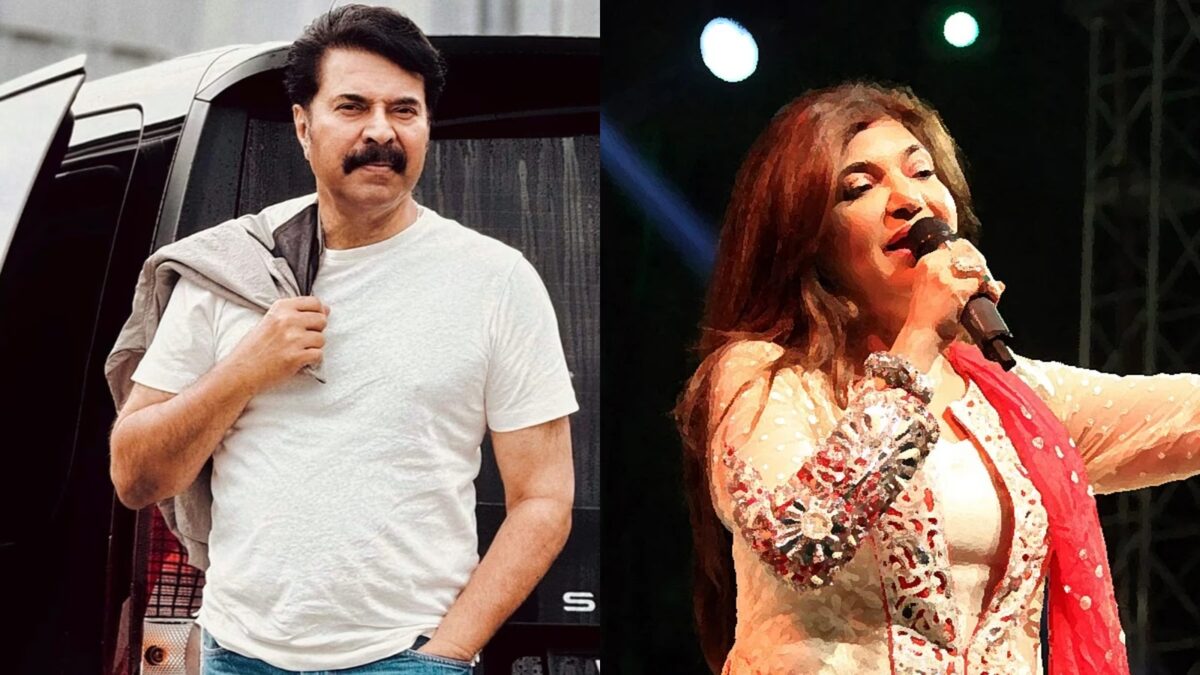
But beyond the glamour, the big question remains: what do Padma awardees really get?
Also Read: How Are Padma Award Winners Chosen? Inside India’s Secretive Selection Process
First, What Exactly Are The Padma Awards?
Instituted in 1954, the Padma Awards are among India’s highest civilian honours. They are divided into three categories:
Padma Vibhushan – for exceptional and distinguished service
Padma Bhushan – for distinguished service of a high order
Padma Shri – for distinguished service in any field
The awards recognise contributions across art, literature, education, sports, medicine, public affairs, social work, science, trade and more. Unlike film awards or commercial honours, Padma Awards are state recognitions. They are announced every year around Republic Day and presented months later at lavish investiture ceremonies inside Rashtrapati Bhavan.
Also Read: Salim Khan To Suchitra Sen, Celebs Who Turned Down Padma Awards
So, Do Winners Get Prize Money?
Surprisingly, no.
Padma awardees do not receive any cash prize, monthly pension or direct monetary reward from the Government of India. There is no cheque handed over during the ceremony. The honour is purely symbolic and ceremonial but its prestige carries enormous value socially and professionally.
What winners receive instead includes:
A Padma medal (medallion)
A Sanad, which is a certificate signed by the President of India
Their names published in the official Gazette of India
The medal itself is crafted in bronze-toned metal with intricate lotus motifs and Devanagari inscriptions. The design differs slightly for Padma Vibhushan, Padma Bhushan and Padma Shri recipients.
Can Winners Use The Title ‘Padma Shri’ Before Their Name?
Technically, no.
Under Indian regulations, Padma Awards are not titles and cannot officially be used as prefixes or suffixes the way “Sir” or “Lord” are used internationally. That means recipients are not supposed to legally style themselves as “Padma Shri XYZ”.
However, socially and in media references, the award is often informally attached to their identity. For example, celebrities and dignitaries are frequently introduced as Padma Bhushan or Padma Shri awardees.
Do Padma Winners Get Government Perks?
There are no officially guaranteed lifelong perks such as:
free flights,
pension,
government salary,
security,
diplomatic privileges,
or special reservation benefits.
However, the honour often indirectly opens doors. Awardees frequently gain:
greater public recognition,
speaking invitations,
institutional positions,
jury memberships,
government advisory roles,
and increased credibility globally.
For artists and performers especially, the Padma tag can dramatically elevate stature and demand.
The Ceremony Itself Is A Huge Deal
Today’s Padma Awards 2026 ceremony once again showcased the grandeur associated with the honour. President Droupadi Murmu presented the awards in the presence of Prime Minister Narendra Modi, Home Minister Amit Shah and Vice President C. P. Radhakrishnan.
Recipients walk up one by one as their achievements are read aloud, receive the medal and certificate from the President, and pose for the now-iconic Rashtrapati Bhavan photograph.
This year, the government approved a total of 131 Padma Awards, including five Padma Vibhushan, 13 Padma Bhushan and 113 Padma Shri honours. The remaining recipients will reportedly be honoured in a second ceremony later.
Then Why Are The Awards So Coveted?
Because in India, few recognitions carry the emotional and cultural weight of a Padma honour.
‘ The preceding article may include information circulated by third parties ’
‘ Some details of this article were extracted from the following source www.news18.com ’