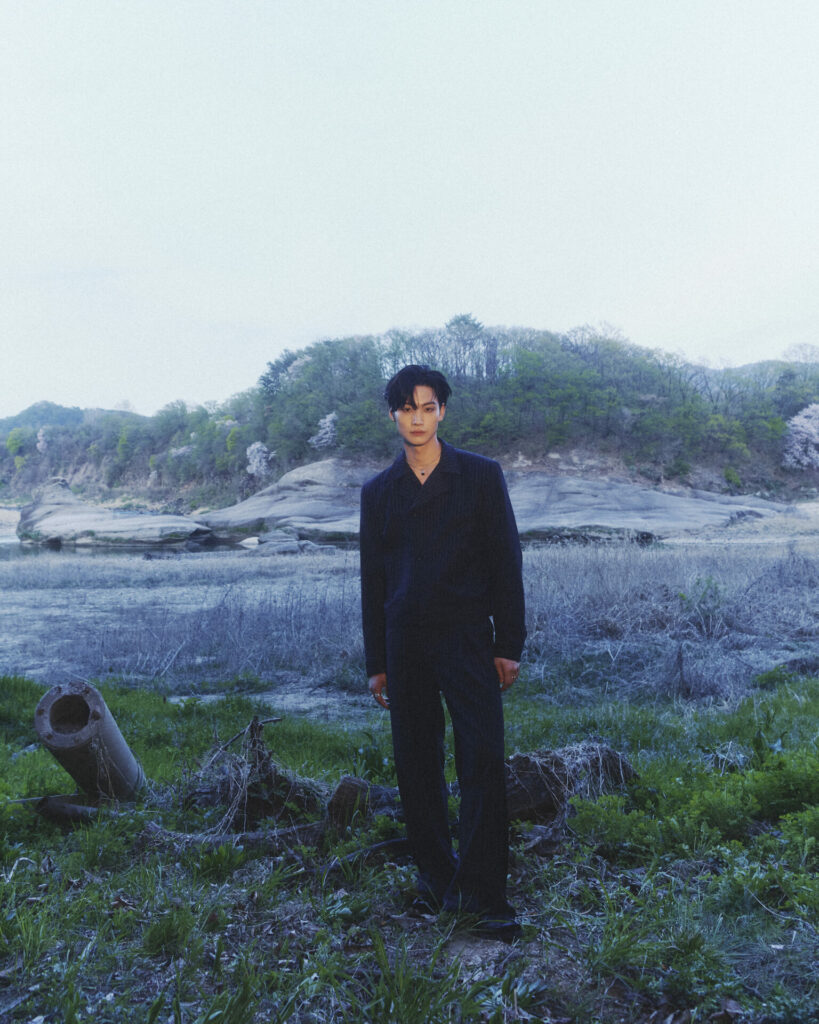
Singer-songwriter JAY B loves a good hobby. Whether he is partaking in a bit of hiking, reading, camping, fishing, horticulture or photography, his interests often bring him back to nature and the great outdoors. Whilst these are moments of pause for him, like the roots of a tree, they have naturally crept into his songwriting for his third mini-album, TR.EE. The six-song record, including the lead track ‘Layback’ explores the evolution and growth of human relationships.
The metaphor of the tree is prominent theme that runs through all branches of the album, including ‘Layback’ looking at the roots of a relationship between the surface, with the ideas of balance, growth and flow. Sonically, the track has a mellow R&B sound to it, that slows everything down and allows him to show off his vocals. TR.EE floats from track to track, with comforting warm guitars in the song ‘We’ and gentle piano in ‘Time’. These lighter textures blend with his soft vocals, allowing one to absorb the journey of the record.
JAY B is very detail orientated and introspective as a person. When talking to him, whilst he has lightness and laughter to him (his fans affectionately call him a little clumsy), you also get a strong sense of that earth-sign stoicism and determination to his character. The Korean idol has a clear dedication to his art, his band members and his fans. This meticulous nature has resulted in an album made with care, that’s not unafraid to be more delicate and nuanced. He sat down to talk to us about his new album TR.EE and what hobbies are currently holding his attention.
How do you think your sound has evolved from your last album, Archive 1: [Road Runner]?
I think my music has become more detailed and has developed a wider range of tones. As a result, I believe I’m able to express myself in broader ways than before.
The album concept for TR.EE talks about a tree swaying as it grows and the ideas of roots and foundations growing with relationships. How does that manifest itself in the music and the lyrics?
I think the concepts of trees and relationships became the foundation of this album. They helped shape it into something solid, and in the end, I feel the album came together as one tree-like body of work.
The album looks at the concept of relationships. You have been in the industry for over a decade now – how do you navigate and maintain relationships with everyone in your life when you have such an intense schedule all the time? Is it difficult to maintain and nurture your relationships, whether it be family, friends or bandmates?
I think meeting people is the most difficult part. However, if you maintain the right amount of distance, consideration, and expectations, there is less chance of getting hurt. That’s why I try to keep my relationships at a comfortable and balanced temperature.
Do you have a favourite song on TR.EE? Why is it your favourite?
Right now, my favourite track is ‘We’. I consider it the root of this album.
When you’re working on your music, do you share it with any idol friends for advise or to listen to when it’s completed? Do you have someone you always send it to first when it’s done?
Rather than seeking advice, I usually listen to and evaluate the music myself first. After that, I share it with the people at my company, discuss it with them, and reflect on their feedback.
You have a deep connection with nature, especially with camping, and fishing. Does being outside in nature inspire you creatively?
Spending time in nature does help in some ways, but rather than inspiring my creative work, it feels more like a pause. I’m always thinking about many things, so it gives me a chance to slow down, rest, and find a sense of peace.
Did it help with inspiration when creating TR.EE, which has references to nature?
I started growing plants after buying a few pots, and I think that helped me a lot. At first, I bought them simply as interior decorations, but as I cared for them, I found myself wanting to grow them better. As I learned more about them, I naturally gained inspiration along the way.
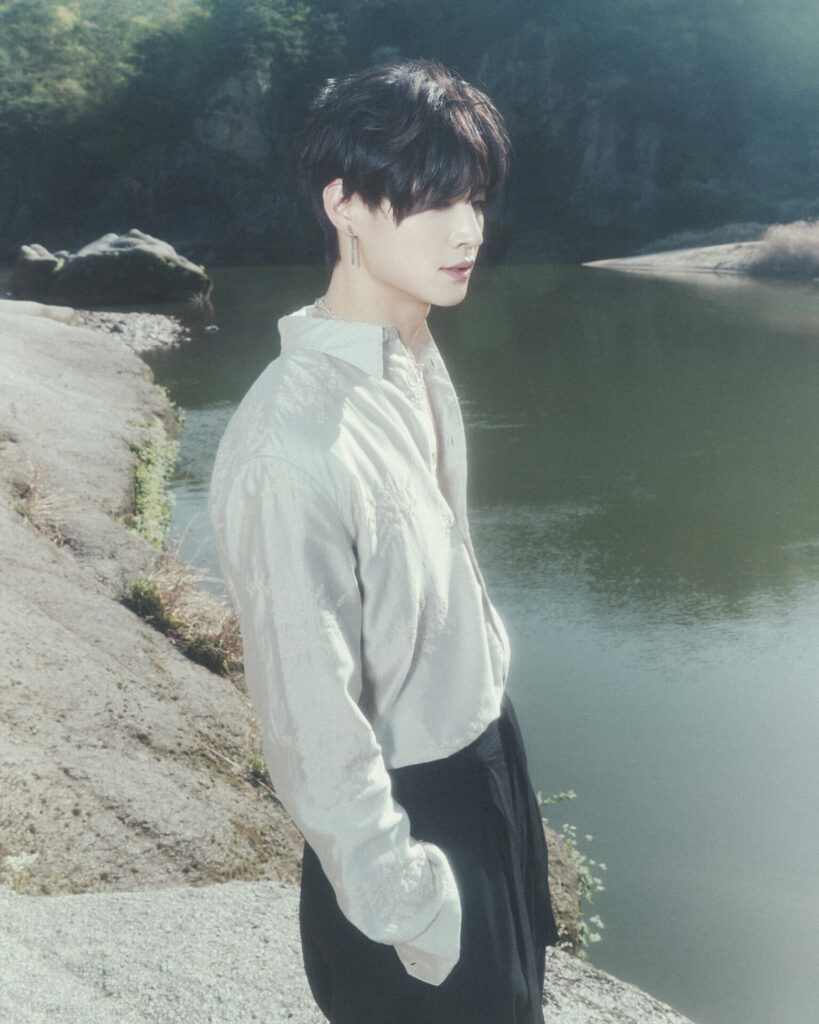
Your fans love that you have a lot of interests and hobbies outside of music. What are you turning to the most at the moment when you have free time, and why do you enjoy it so much?
These days, I spend a lot of time kickboxing and running. Sweating and exercising feels very healing for me.
Do you plan on having any future photography exhibitions? Is anything inspiring you at the moment, photography-wise?
I think landscapes inspire me the most. The emotions I experience in each moment also become a source of inspiration. I don’t have immediate plans to hold another photography exhibition, but if the opportunity comes and the timing is right, I would love to do it again someday.
You love reading. What are you reading at the moment?
These days, I find myself reading a lot of novels. At the moment, I’m reading The Time of the City.
What is your favourite book of all time and why?
My favourite book is Keeping a Certain Distance by Ayako Sono. I think it helped me organise many of my thoughts about human relationships.
You also love to cook, what’s your signature dish? And what do you miss when touring?
I’m quite confident in my crab stew. (Laughs) I really love shellfish and crustaceans, and I especially enjoy the refreshing flavor of soups made with them. When I’m on tour, Korean dishes that include shellfish or crustaceans are usually what I miss the most.
How do you find making music and touring differs from being a solo artist to when you tour in a group? What are the pros and cons?
There’s obviously a difference in the number of people involved, but more than that, there’s a different sense of responsibility when you have to fill a stage alone that was once shared by seven people. At the same time, being together as seven is a lot more lively and fun. Solo tours are enjoyable as well, but I do think there’s a special kind of joy that comes from being with multiple members.
A few years ago, you held a ‘nostalgic concert’ to celebrate ten years in the industry. What are some of the biggest lessons that you have learned about yourself in this time?
I learned that it’s important to take responsibility in many aspects of what I do. I also realised that paying attention to even the smallest details can lead to better albums and better performances.
What would you say is your fondest memory, or most memorable moment of your career?
The moments I remember most are my debut and the release of my first solo album. Every album preparation process is also memorable to me because I truly value the journey itself.
What are you most looking forward to in 2026 and onwards?
What I’m looking forward to most are my upcoming albums and the various activities I have planned. I would greatly appreciate your support, and I hope you’ll continue to look kindly on what I do in the future.
‘ The preceding article may include information circulated by third parties ’
‘ Some details of this article were extracted from the following source www.rollingstone.co.uk ’