The Seattle Public Library loves to promote books and reading. This monthly column is a space to share reading and book trends from a librarian’s perspective.
Pride month is an invitation to step outside the familiar and let a book surprise you, challenge you or show you something true about yourself or someone you love.
This June, we’re going beyond the bestseller lists with books we keep pressing into people’s hands because we can’t stop thinking about them.
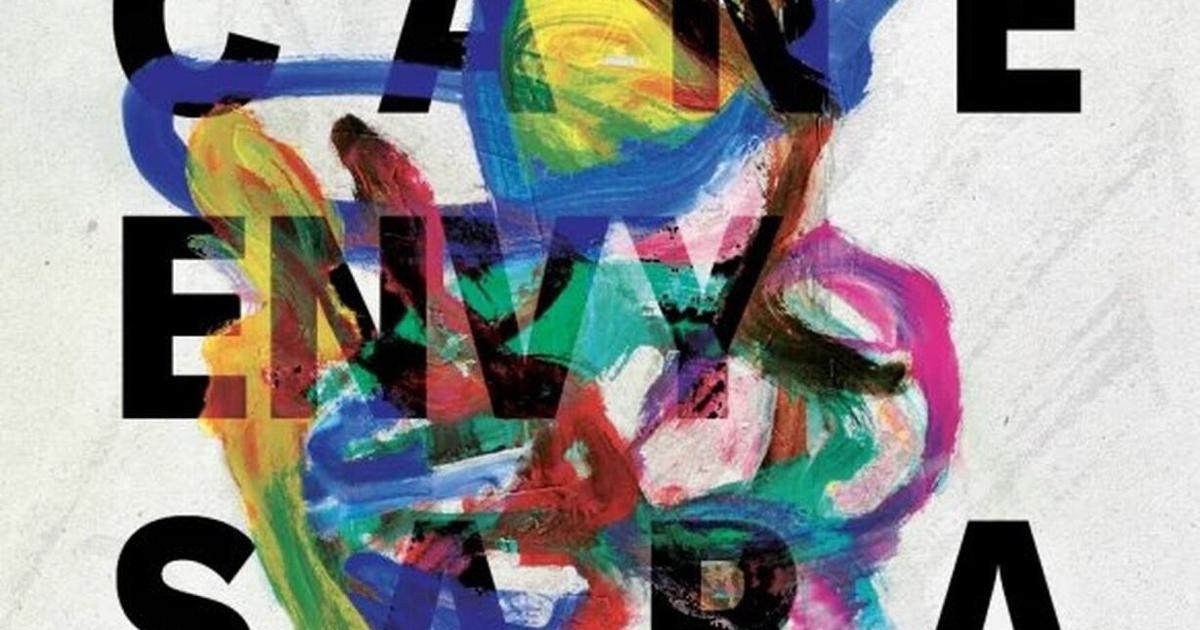
“Hurricane Envy” by Sara Jaffe. Portland writer Jaffe’s collection of short stories finds her characters caught in liminal moments.
Jaffe deftly captures the palpable tension when all options feel like a compromise. Her characters grapple with a globalized world where they can no longer act on their values with moral purity. Some of her stories are just a few short pages and feel like poetry floating off the page. Others are slice-of-life portrayals of characters on the threshold of something new.
Readers will chortle at the absurdity of an uptight grocer, immerse themselves in a fever dream of a party and feel unnerved about a missing cat. Themes of queer family, music in a technologized world and what it means to be American weave throughout her gorgeous prose. Read it slowly so you catch every word.
“Hothead Paisan” by Diane DiMassa. You’ve probably read Alison Bechdel, but have you read DiMassa? Add her to your list of giants from the dyke community of the ’90s.
From 1991 to 1998, DiMassa created a quarterly comic called “Hothead Paisan: Homicidal Lesbian Terrorist” that captured lesbian rage at the turn of the century. Along with her then-girlfriend Stacy Sheehan, DiMassa established Giant Ass Publishing, which distributed the comic out of New Haven, Conn.
Hothead is a “flaming mouthpiece” who is overcaffeinated and eager to start fights with whoever dares cross her. Accompanied by her best friend, Roz, who provides a frequent yet firm reality check and her beloved cat, Chicken, she combats a society hellbent on making her small.
DiMassa considered Hothead a fictionalized version of herself that offered catharsis for the oppressive world she encountered every day. This newly released anthology is essential reading that still feels relevant in 2026.
“Femmephilia” by Sophie Lewis. Literally translated, femmephilia means the love of all things femme. And that’s exactly what Lewis does in this newly published collection of essays spanning topics from girlbosses to the myth of Daphne and Apollo.
She argues for the necessity of a politicized femme-ness and asserts that femme identities are a powerful antidote for the misogyny and transphobia we face today. Lewis holds that our society has pitted the feminine in opposition to the feminist, but that it is actually the alchemy of the two that will birth liberation.
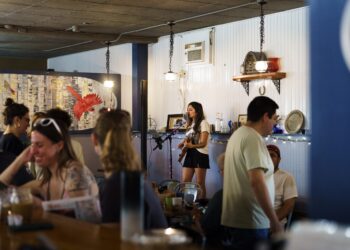
“How Queer Bookshops Changed the World” by A.J. West. Charlie’s Queer Books in Fremont is part of a long lineage of queer bookstores, as former BBC journalist West shows in this vital chronicle of some of history’s most treasured shops around the world, shedding light on the trailblazers who made space for LGBTQ+ folks on the shelves and in the streets.
The individuals behind these shops emerge as unlikely heroes who risked their safety and livelihoods at pivotal moments in history, turning their stores into sites of genuine resistance.
They include Sylvia Beach, founder of the original Shakespeare and Company in Paris, who hid books from the Nazis, and Craig Rodwell of the Oscar Wilde Memorial Bookshop in Greenwich Village, who faced off against police at the Stonewall riots. Their courage and success are inspiring as we face a record number of book bans and anti-LGBTQ+ legislation.
“Crawl” by Max Delsohn. This debut short story collection captures life in 2010s Seattle from a transmasculine perspective. Rather than offering the tidy, palatable representation the world often demands of trans people, Delsohn writes characters who are flawed, contradictory and fully human.
They explore their evolving sexualities and desire to be seen, especially within cisgender gay spaces that don’t always make room for them. Seattle’s reputation as a haven for queer life looms over these stories, but Delsohn is more interested in the gap between that reputation and the lonelier, more complicated reality his characters actually inhabit.
Queer readers will likely see themselves or their community’s drama in these stories, and Seattleites will feel right at home in the settings.
‘ The preceding article may include information circulated by third parties ’
‘ Some details of this article were extracted from the following source www.yakimaherald.com ’