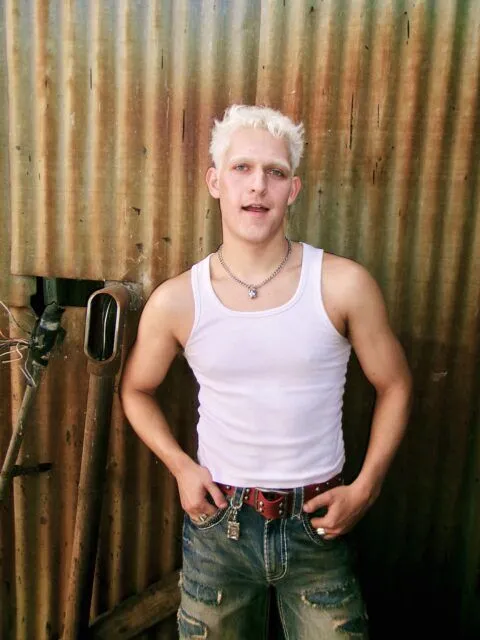
After three years away from music, Adam Oh wasn’t sure he’d ever return.
The queer singer, rapper and songwriter stepped back from recording without any guarantee he’d find his way back. Instead of forcing inspiration, he focused on reconnecting with himself. What followed surprised even him. Within weeks, he had written an entire album that would become CLUBHAUS, his most personal release to date.
Ahead of the album’s release, I caught up with Oh to talk about creative burnout, queer joy, independence and why he’s no longer interested in making himself smaller to fit the music industry.
Finding His Way Back
The turning point came from an unlikely place: a workbook.
“I have to give credit where credit is due,” Oh told me. “I finally tried Julia Cameron’s The Artist Way workbook that some of my favorite artists like Doechii have recommended, and it completely transformed how I was feeling creatively.”
The 12-week program quickly unlocked something.
“By week three or four I had found the inspiration and courage to get back in the booth,” he said. “By the end of the course, I had a full album, a newfound confidence in my voice and more clarity around what I wanted to create.”
That clarity arrived after a period filled with uncertainty.
“Honestly, yeah,” he said when I asked whether he’d considered never returning to music. “I put music on pause not knowing if I would ever come back to it, because I needed to realign and start living and creating from a more authentic place.”
Fortunately, music remained part of that authentic version of himself.
“My passion for music has endured the test of time,” he said. “I’ve learned to create from a more authentic and grounded place, so I finally get to enjoy the process again. It’s cathartic, and super fun for me.”

Making Music Without Hiding
CLUBHAUS is being billed as Oh’s most unapologetically queer project, but for him that description reaches far beyond lyrics.
“My queerness is something that I used to hide and hold shame around,” he said. “Learning to love myself unconditionally for who I am, not despite my queerness but because of my queerness, has been a long but beautiful journey.”
He credits his partner Bradley, queer community and fellow LGBTQ+ artists with helping reshape that relationship.
“What I used to carry as a burden I now get to beam with pride about,” he said. “Being unapologetically queer gives both yourself and the next person permission to love and celebrate all of who they are.”
That confidence also changed how he approaches songwriting.
“When a lyric I write feels a bit risqué, I keep it,” he said. “Knowing myself and my voice has made me unafraid to vocalize my creative preferences.”

Growing Into Himself
Looking back, Oh says maturity has changed more than just his music.
“Your frontal lobe fully developing at 25 is not a joke,” he laughed.
These days, he’s less interested in appearing impressive than building genuine relationships.
“Being a genuine human being and conveying your passion for what you do will take you much further than trying to be the coolest person in the room,” he said.
He’s also embraced collaboration after years of trying to do everything himself.
“It takes a village to bring your creative ideas to life,” Oh said. “Community and collaboration have taken me further than I ever got on my own.”
Honoring Queer Music History
The album includes collaborations with Cakes Da Killa, Baby Tate and LION BABE, artists Oh says were essential to this era.
“It was crucial to me to spotlight Black, queer and female voices if I was going to make an album heavily inspired by house music,” he explained.
He also wanted listeners to remember where dance music came from.
“We wouldn’t have rap, pop or electronica in the forms we know today if it weren’t for the queer, Black and trans folks who pioneered them and continue pushing those genres forward.”
It’s a message that extends beyond the music itself.
When I asked whether he ever felt pressure to soften his identity, particularly within hip-hop, his answer came quickly.
“My queerness was always something that I felt the need to tone down,” he admitted.
Seeing artists like Lil Nas X embrace every part of themselves helped shift that perspective.
“Their courage inspires me to own who I am loudly,” he said. “I hope to inspire the next queer kid who’s still figuring out how their sexuality will impact their career.”

Owning His Career
While CLUBHAUS marks a new creative chapter, Oh is equally intentional about the business behind it.
His partnership with Duetti, which purchased part of his earlier catalog while allowing him to remain independent, reinforced the importance of ownership.
“Owning your masters and having creative freedom is enormously important,” he said. “Not everyone in the industry has malicious intent. The key is to be informed and protective over your work, but also open to the right opportunities.”
He says finding collaborators whose values align has made all the difference.
“They reached out with good energy, positive intentions and a mutually beneficial proposal,” he said. “They’ve proven they have my best interests in mind.”
A Celebration Of Queer Joy
More than anything, Oh hopes listeners leave CLUBHAUS reconnecting with a version of themselves that adulthood often buries.
“I want you to feel the joy, playfulness and carefree nature that you once had as a child,” he said.
He hopes people remember the freedom to move without fear, wear what they love and embrace life’s possibilities.
“Wear that outfit. Send that text. Lean in for that first kiss. Throw the house party. Invest in that creative idea,” he said. “Soak up all the goodness that life has to offer.”
That outlook also shaped his experience during Pride.
“This Pride feels like coming out of my shell and being seen,” he told me. “I’m immensely proud of myself for bringing this music to life in a way that celebrates my journey to loving life as a queer person.”
Now living in New York City, he says he’s finally found something he’d been searching for since he was young.
“It feels like I belong here,” he said.
Still, he hopes Pride remains rooted in advocacy as much as celebration.
“I’d be remiss not to highlight that our trans brothers and sisters are constantly under political attack,” he said. “They deserve that same sense of belonging. They deserve to realize their wildest hopes and dreams.”
For Oh, CLUBHAUS isn’t simply an album rollout. It’s the sound of someone who stopped creating from fear and started creating from freedom. If listeners leave with even a fraction of that feeling, he’ll consider the project a success.
‘ The preceding article may include information circulated by third parties ’
‘ Some details of this article were extracted from the following source gayety.com ’