Ouch. Prince Harry is having a shocker. Out of the Montecito frying pan, straight into an English fire – and I am not talking about the heatwave. While his sister-in-law basks in a recast Middleton brand, helped by an impressive pair of mini-shorts on the summit of Snowdon, and the old king strips off to his shirt sleeves for some tank action in Dorset, homeless Harry had stumbled back into London life only to get a bloody nose.
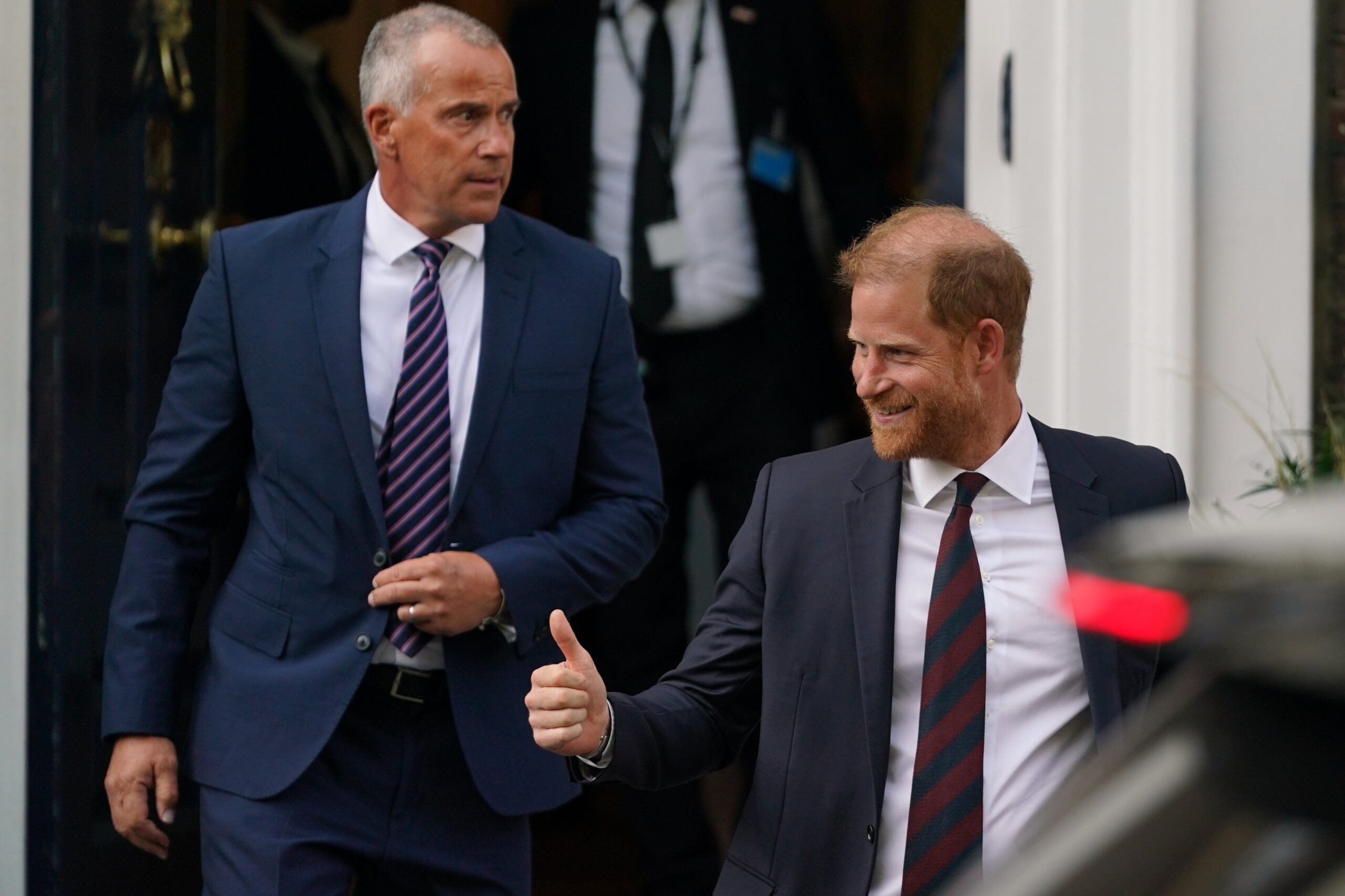
Nope, nothing to do with security – he lost that a while ago. This time, it was a comprehensive High Court defeat in a historic case in which the Prince, with a slew of other household names, fought against Associated Newspapers. Harry was quick to call out the damning verdict as a “complete and obvious whitewash”. They all lost, but one senses that the Duke will be hardest hit by the defeat.
If grievance is the currency of the summer (at the same time, in another corner of London, Nigel Farage renounced his Clacton seat and whinged that he was “the most physically and verbally attacked public or political figure in modern times”), Prince Harry has been its most extraordinary and consistent flag-bearer.
Deep pockets and an overbearing sense of entitlement are the gatekeepers of ongoing litigation and Harry has both in spades. Sympathetic outsiders looking in (among whom I count myself) have longed for him to quit while he was ahead. He enjoyed a victory over the Mirror’s publisher and an unprecedented apology from Murdoch’s News Corp, but no, Harry kept on digging, only to come unstuck at the hands of the biggest beast of the lot – the Daily Mail.
His lawyer, David Sherbourne, should have said no to fighting this final case. From the beginning, the odds were stacked against the prince in a legal battle that saw allegations made that Harry could not prove. But as the Daily Mail’s former editor Paul Dacre observed, money talks in a fight that cost well over £50m and raised “disturbing questions about the conduct of elements of the legal profession”. In my opinion, Sherbourne feasted on Harry’s deep loathing of the press and advised him badly. Though it is equally possible Harry ignored Sherbourne’s good advice and pressed ahead with the case.
So much of what the Prince has done since leaving the royal family smacks of poor judgement – Oprah Winfrey tell-alls, cack-handed interviews, dud documentaries, charity fiascos
So much of what the Prince has done since leaving the royal family smacks of poor judgement – Oprah Winfrey tell-alls, cack-handed interviews, dud documentaries, charity fiascos. Hangers-on who have promised the earth cost the earth and delivered very little. The Duke has postured about a “life of service” but, six years on, lacks a clear mission statement and funding model. Dissenters insist the Sussexes are a case of the emperor’s new clothes, that without the tinsel and tiaras there is nothing to see. They openly talk about the Montecito marriage buckling under the strain and take delight in Harry’s inability to blag a night in Buckingham Palace.
To some, the power imbalance has been obvious from the start (think 27 EU states pushing back against a recalcitrant Britain). If Harry wants a stake in life over here – a love hug with pa, a happy family photo and perhaps a couple of commemorative gigs on the military circuit – he needs to put down his cudgels and become a rule-taker once more. No demands, no security brouhaha, no more litigation. If this feels too much like one-way traffic, with no give from the institution against whom he bears the biggest grudge, that is because the royal family hold all the cards. Someone needs to explain to the Duke that when it comes to hereditary monarchy, life is not fair. How else did a mid-ranking military man become so rich and famous?
Such is the authority of the institution; power sits with the palace, more specifically with the monarch. It always has; history tells us that. Whether it was “tragic” Anne seeding the warming-pan scandal – fake news that was the death knell of her father James II’s rule – or the inept George VI rebutting the efforts of his elder brother Edward to inveigle his way back into British life, the institution has no mercy when it comes to expediting excess royal baggage. Survival is their lodestar. The House of Windsor would rather cannibalise itself than admit an error of judgement; better to cauterise the problematic family member than show mercy.
Andrew Mountbatten-Windsor is a good example of that.
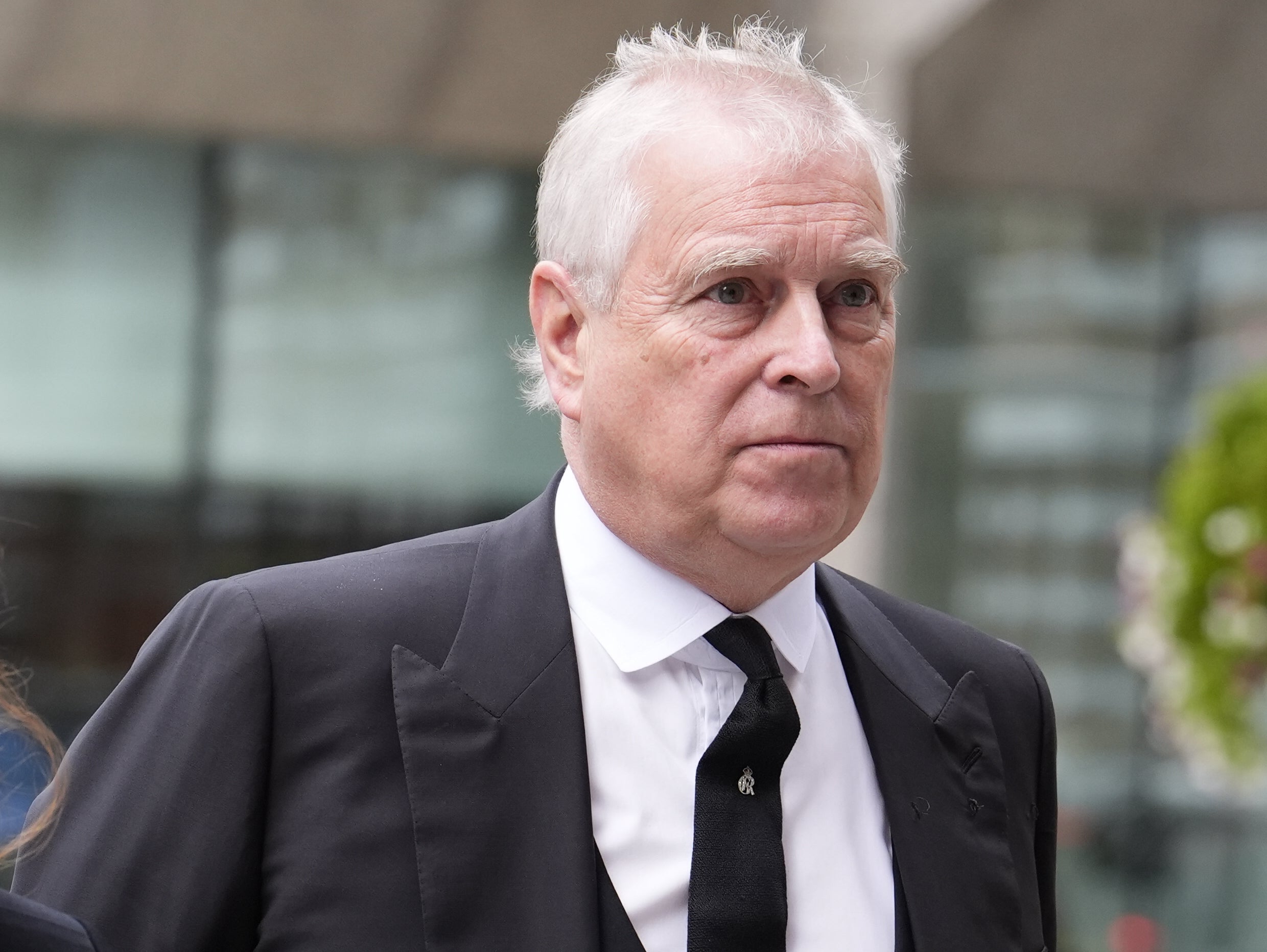
After years of pretending there was nothing to see and shutting down all media enquiries about the “Prince and Paedo” – Epstein, once public opinion turned against the Duke of York, there was no saving him. He lost his titles, his role and ultimately his home. Andrew has been left to rot on Sandringham estate while the royal family look the other way. (The downfall of Keir Starmer in the wake of a similar Peter Mandelson-Epstein exposé speaks to the House of Windsor’s remarkable ability to separate itself from rotten apples in the royal cart).
Among those of us naive enough to hold out for happy endings, there is a sense of frustration that the King has not done more to give his stubborn man-child, still haunted by the early death of his mother, a soft landing. But that is to profoundly misunderstand the ancient institution. Ever since Queen Victoria’s time, their posturing as Britain’s first family has been just that, posturing. The British monarchy is an extraordinary outlier and it has not survived revolution, regicide, rebellion, abdication and democracy to take a risk with a “leaky” prince who will very soon be yesterday’s news.
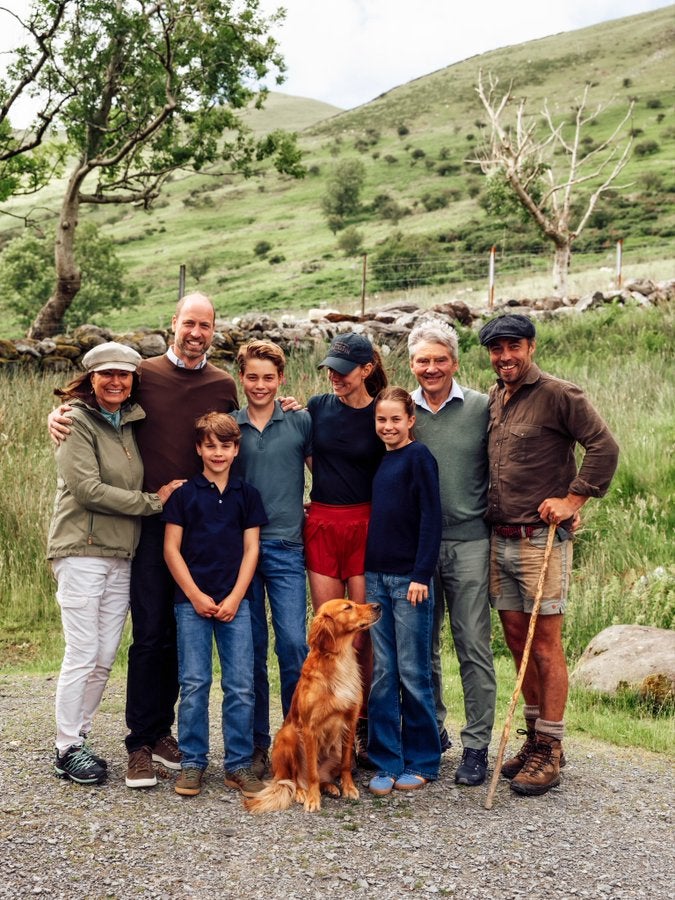
The Middleton power pose at the foot of Snowdon served as a timely reminder that Prince George is fast growing up. Once he finds his feet and gets a girlfriend, will anyone really care about Haz and Megs, a couple of disgruntleds in California? Far safer to keep them at arm’s length until their moment in the sun has passed.
If that makes the King seem heartless, it is worth bearing in mind that the royal family are not like the rest of us: boarding schools, legions of staff, married lovers and, to coin Harry’s phrase, “generational pain” all point to a relationship between Charles and his second son that was never close by conventional standards. For a man in his late seventies, Charles has a lot on his plate, and Harry is low down the list of priorities. The King does not need to be a soft touch; on the contrary, the conservative press (royalty’s lifeblood) is enjoying Harry’s purgatory at the hands of his nonplussed father.
For those frustrated by the lack of redemption on offer from the Defender of the Faith, before you reach for a punnet of eggs, or unfurl your yellow Republic flag, stop a moment and ponder which is preferable: a divisive Trump-style presidency, where one man can single-handedly take a wrecking ball to the great infrastructure of state? (Damage sustained by the White House and Lincoln’s Memorial Reflecting Pool is a reminder of how quickly a national brand can be tarnished.) Or an apolitical kingship, inhabited by an old man who reads a script well, looks good in a crown (born for the job) and takes the salute on hot summer days in full military uniform? These may not feel like essential services, but imagine Boris Johnson in a golden carriage. I rest my case.
Born into the institution, Harry lost sight of what it stands for (perhaps he never understood) and was too quick to trash his family and set off for the sunlit uplands of a Californian nirvana that has left his life poorer, but not more private. He didn’t pause to weigh up the long-term impact of his impetuous move. He didn’t stop to think.
But we do have time to think. Family dysfunction has long been baked into the bricks of the now redundant Buckingham Palace. No one is perfect and biographers have testified that behind closed doors royals can occasionally appear cold, unsympathetic, unfriendly even – all the things “Duchess Difficult” accused them of.
You can’t pick your hereditary monarchy, and they are unlikely to change any time soon. Sorry about that, Meghan. But the royal family’s emotional rigidity is matched with a sense of duty and a clear direction of travel. They are the immutable object at the centre of our national story, the one thing that President Trump wants but can’t have and amid a maelstrom of populism and division, right now Britain needs them.
Like it or not, the survival of the institution will always come before the bruised ego of a second son; if Harry really wants a meaningful relationship with the family he left behind, he must swallow his pride and wait patiently in the queue. After a uniquely bruising few days, it is hard to imagine that happening any time soon.
Tessa Dunlop is the author of ‘Lest We Forget, 100 Stories of Love, Loss and Heroism’, out now in paperback
‘ The preceding article may include information circulated by third parties ’
‘ Some details of this article were extracted from the following source www.independent.co.uk ’