Chicago native Lena Waithe never anticipated that her first television drama would be rooted in the heart of her hometown. But over a decade ago, while sitting in her San Fernando Valley apartment in Los Angeles, the TV creator watched a Vice news report about rampant gun and gang violence in the Windy City that left her too horrified to stand by.
“I was like, ‘Oh my God, they’re going to my city and covering it like a third-world country,’” the Emmy-winning screenwriter and producer told me. “Like, what is happening?’”
This was around the same time The Daily Beast published a 2015 report labeling Chicago the nation’s mass-shooting capital, claiming then that it was more dangerous to reside in “Chiraq’s” worst neighborhoods than in “the world’s most-murderous countries.” That year also saw the release of Spike Lee’s “Chi-Raq,” a satirical film centered on a women’s sex strike protesting gang violence in Chicago. Borrowing from the city’s already controversial nickname — coined to liken its murder rate to that of the Iraq War — the film earned backlash from Chicagoans who felt it wasn’t a true reflection of the city or its people.
As Waithe saw it, what many of those depictions, statistics and “tough headlines” sensationalizing her misunderstood city often overlooked was the humanity of the people who lived there and “why some of these things happen.”
Back then, it seemed as if the world outside of Chicago had already made up its mind about the city and its violence-plagued streets. But as the late James Baldwin — one of Waithe’s many influences — told The New York Times in 1979, “The world changes according to the way people see it, and if you alter, even by a millimeter, the way a person looks, or people look at reality, then you can change it.”
That’s exactly what Waithe set out to do.
Frustrated by those trying to define Chicago without truly understanding it, and determined to show a side of the city rarely seen onscreen, Waithe took matters into her own hands in 2015 to offer a counterpoint to her hometown’s fraught reputation the best way she knew how: through storytelling.
At a time when television seldom centered the full spectrum of Black humanity and all its complexities, Waithe began writing a pilot for an hourlong drama she hoped would help course-correct the industry’s narrow portrayals. But rather than drawing directly from her own Chicago upbringing, the creator rooted the story in an unwavering inner-city community she believed deserved to be seen.
That episode of television ultimately became the impetus for “The Chi,” a raw and unflinching portrait of Black life on Chicago’s South Side that premiered on Showtime in the winter of 2018 and just concluded a historic eight-season run.
No one expected “The Chi” to make it as far as it did — including creator Waithe, who admitted she originally envisioned ending the series after its fifth season. But as audiences continued to embrace the drama and ask for more stories, she and its creative team kept finding new ones to tell.
“It’s true. When you got a hit, when you got something that’s working, don’t walk away from it,” Waithe shared over an early July Zoom call.
Even so, after a decade of working on the series, “The Chi” creator felt like now was the right time to finally bring the story to a close.
“I’m grateful for all the steps that it took,” said Waithe, remembering how long it took just to get her pilot greenlit. “It might have been frustrating and exhausting, but I knew that people believed in it. They were like, ‘There’s something here.’ And for us to be sitting here eight seasons later, you know there was something in the water.”
“For us to be sitting here eight seasons later, you know there was something in the water.”
– Lena Waithe
Today, “The Chi” concludes its run as the longest-running Black drama in premium cable history, a milestone the cast and crew proudly celebrate as they reflect on the series’ evolution.
“We changed the show a lot,” co-showrunner and executive producer Justin Hillian told celebrity.land. “I mean, we’ve had seasons where it’s been a thriller, a soap opera, [etc.]. We switch it up, and then we’re always injecting new talent, new faces. I think that mindset has allowed us to keep going because there’s always something new, something fresh to discover.”
“After Season 2, 3, it was kind of like, all right, how long are we going to go for?” actor Jacob Latimore, who has played Emmett since the start of “The Chi,” admitted of his early days.
“It’s our job to make sure we’re bringing it so the fans want more, but it was always nerve-wracking in between [season renewals],” he added. “So to look back and see that it went for eight seasons, we’re just grateful. Really grateful.”
But the legacy of “The Chi” should be measured by more than just its longevity. Its groundbreaking impact in TV land also lies in the nuanced storytelling it consistently brought to Chicago’s South Side season after season.
“The show is really about the city,” Hillian noted, “and so that gave us the leeway to try to include as many different types of people, tell as many different stories as possible. It was never about one person. Even though we had people who we love and who represent our audience, but it was always about the city.”
Reflecting on the show’s enduring success, Waithe believes it was rooted in one defining quality: the humanity at the heart of every character and storyline.
“We create a world where these characters are all so human, and they feel like us,” she pointed out. “They remind us of people we know. They remind us of ourselves.”
Conceived as an ensemble drama, “The Chi” spent eight seasons following the interwoven lives of a resilient South Side community whose paths cross by chance but are bound by circumstance as they navigate life’s everyday struggles together. While Waithe originally sought to avoid the violent clichés surrounding her hometown, she was also adamant about confronting the realities that gave rise to many of them through her show.
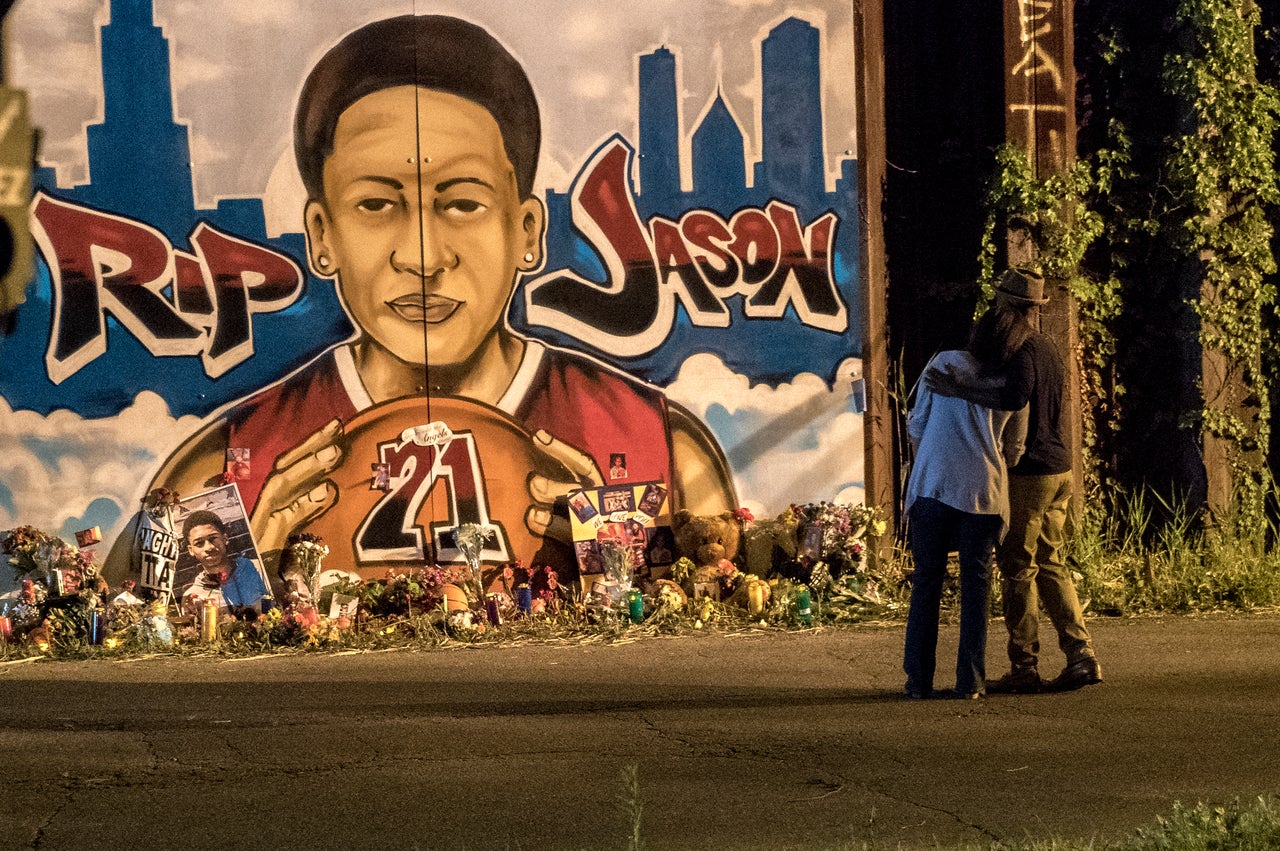
Hence, the first season of “The Chi” centered on the fallout from two devastating neighborhood murders, tragedies that would kickstart the show’s recurring theme of street violence and retribution for seasons to come.
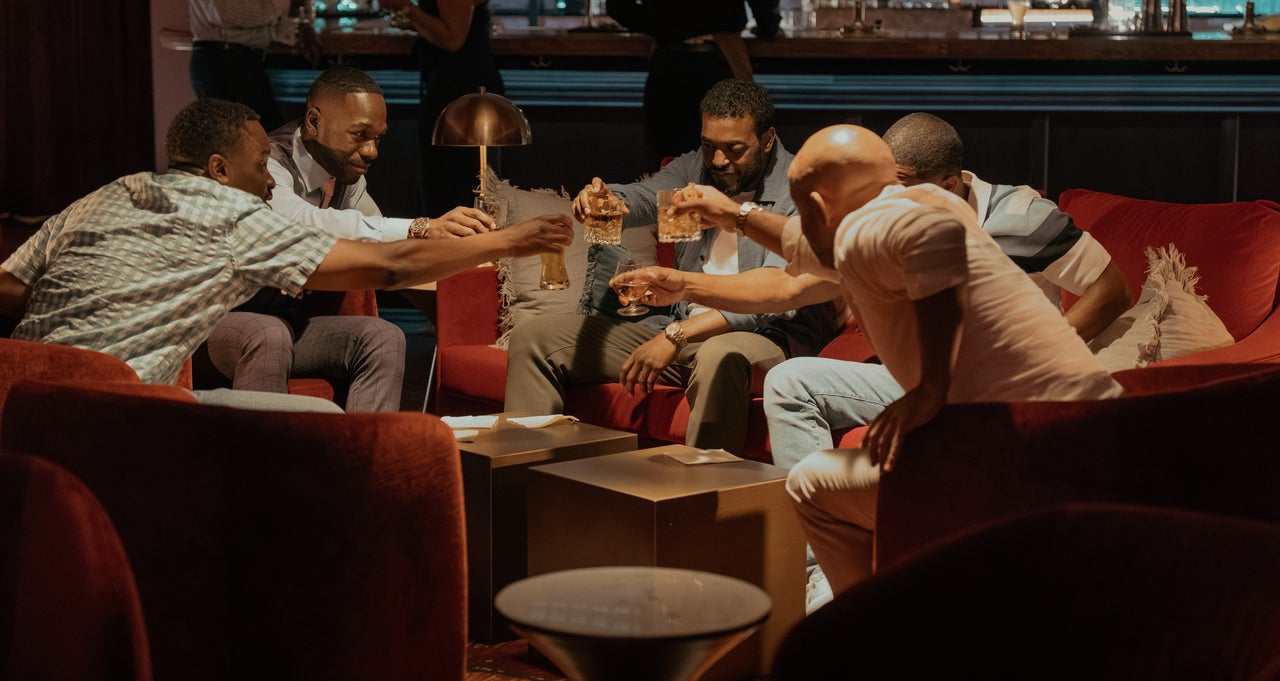
The ripple effects of those incidents are explored through the lives of Emmett (Latimore), Kevin (Alex Hibbert), Brandon (Jason Mitchell), Ronnie (Ntare Guma Mbaho Mwine) and their loved ones — including Kevin’s older sister, Kiesha (Birgundi Baker), and close friends Jake (Michael V. Epps) and Papa (Shamon Brown Jr.); Emmett’s tough but understanding mother, Jada (Yolonda Ross); Brandon’s level-headed girlfriend, Jerrika (Tiffany Boone); and Ronnie’s estranged ex, Tracy (Tai Davis), who’s also the grieving mother of one of the murdered boys.
But that’s only part of the show’s story.
Where “The Chi” truly set itself apart during its run was in how it refused to reduce its characters to the most traumatic, grief-filled moments of their lives. While violence often connects their stories, the series has always been invested in portraying their lives on a more human level; exploring not just how they struggle and survive on the South Side, but also how they love, grow, dream and build community with one another.
“The whole point is to prove that these people are fully realized, not just stereotypes,” Hillian explained. “That’s why Lena wrote the show, to be like, no, these are people too.”
“The whole point is to prove that these people are fully realized, not just stereotypes.”
– Justin Hillian
“Every number that goes in the death column is somebody’s son. They have a father, they have a mother, they have cousins, brothers. You know, these people matter,” he continued. “And so, for me, that has always been the baseline for why the show exists. Then within that, you get to showcase all of the different facets of people.”
Elizabeth Sisson/Paramount+ with Showtime
Waithe always envisioned building “The Chi” around multiple perspectives to address a gap in Black television she noticed early in her career. In her eyes, there was far too much to say about the Chicago she knows to confine the series to one single story.
“I always wanted to be in an ensemble piece,” she shared, pointing to series like “Soul Food” and “A Different World” as influences. “But it was a time when I was coming out when it was about [shows] with one lead character.”
It wasn’t until Waithe came on board as a producer for Justin Simien’s “Dear White People” that she “fell in love with multi-protagonist stories” and found the blueprint for her own innovative series — one that would go on to depict the beautifully complex lives of Chicagoans and Black folks at large in a way that mainstream TV rarely allows.
“I really love what he did with that film and ultimately that series,” Waithe said of Simien’s vision. “I was like, ’Oh, you’re telling a singular story from four very different perspectives, and all those perspectives matter.”
She added: “For me, I definitely was inspired when I was doing ‘The Chi.’ [Simien] read the pilot, and he was the first person to tell me, ‘You got something with this. This is the best thing you have ever written.’”
Little did Waithe know that was only the beginning. What started as a love letter to Chicago would become not only one of her most successful projects to date, but also a defining work that helped to reshape contemporary Black television.
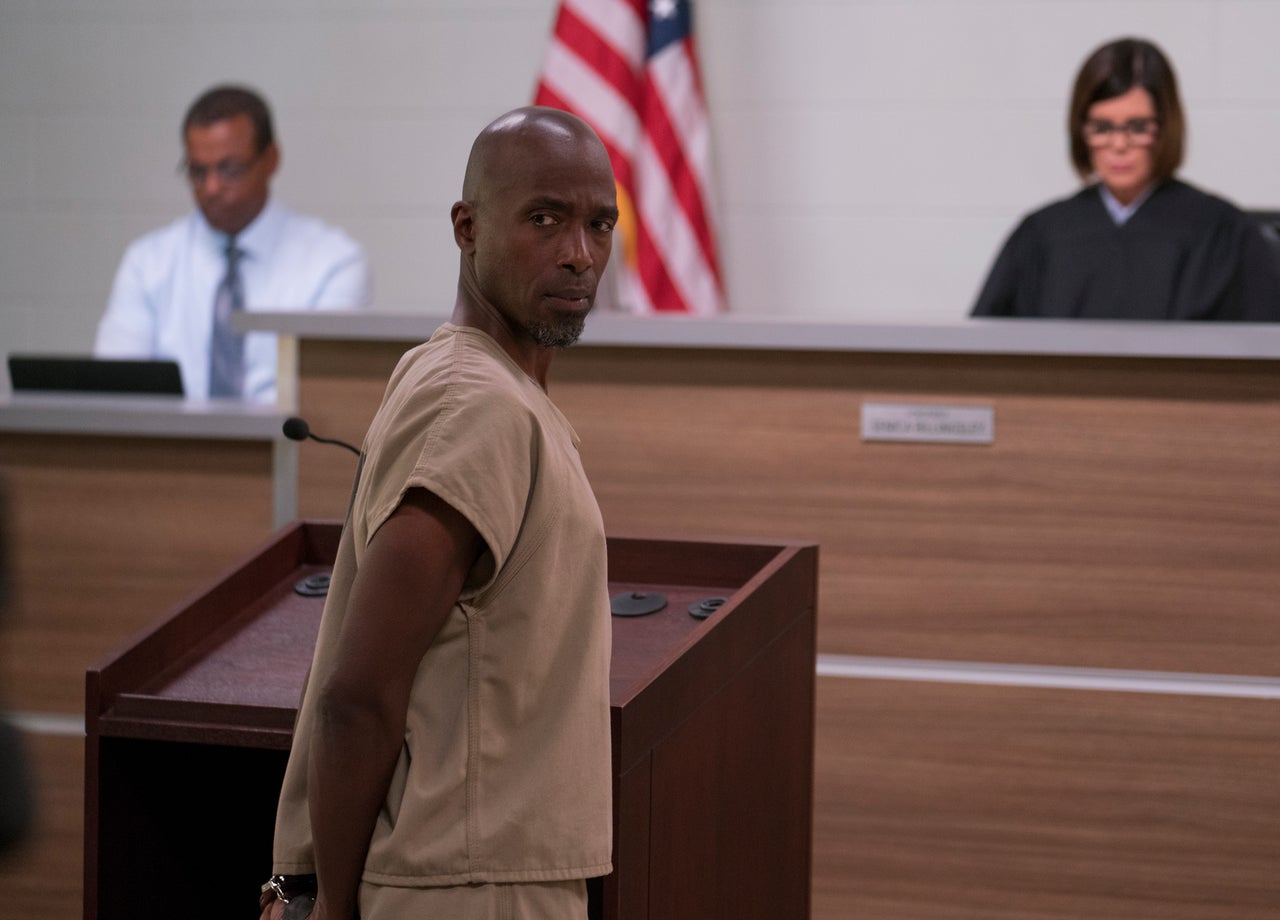
Unlike other shows like “The Wire” and Dick Wolf’s “Chicago” franchise, “The Chi” was never a series concerned with systems and institutions. Rather, it’s the kind of show that was always more worried about the people those systems affect and how they navigate life’s hardships. That commitment is ultimately what allowed “The Chi” to introduce such a sprawling ensemble of characters and storylines to curious audiences over the course of its run, even when its ambition felt overwhelming at times.
“I want ‘The Chi’s’ legacy to exist the way it does, which is sometimes the storylines don’t make sense. Sometimes it gets all over the place. But guess what? The conversations we’re having — who else is having them? The characters that we represent — who else is doing that?” Waithe noted of the series’ impact.
“I think that’s why people actually are there,” she continued, “even though they’re uncomfortable and squirming at some of the things we’re talking about. They’re like, ‘I can’t leave. I can’t look away. I care too much.’ And wow, what a relationship to have with your audience.”
“Sometimes the storylines don’t make sense. Sometimes it gets all over the place. But guess what? The conversations we’re having — who else is having them? The characters that we represent — who else is doing that?”
– Lena Waithe
There is something to be said for a modern show that’s not only committed to representation through and through but also so willing to confront issues affecting the communities it portrays — many of which you’d be hard-pressed to find elsewhere on TV.
From challenging stigmas around mental health and non-monogamous relationships to exploring the complexities of Black masculinity, parenthood, queer and trans experiences and the realities of coming of age amid chaos, “The Chi” always pushed the boundaries of the stories it chose to tell. And oftentimes, the show’s writers’ room served as the barometer for which conversations ultimately made their way onto the screen.
“Anytime we’re arguing about something, and somebody sounds stupid or uneducated, or anytime we just really don’t agree on something, that’s where we want to lean in,” Hillian said. “Because if it’s striking a chord with us, we know it’s going to strike a chord with our audience.”
Elizabeth Sisson/SHOWTIME
That’s one way to describe the impact of “The Chi.” What many viewers have praised — and, at times, criticized — the series for is touching on topics you’d least expect in ways that often go against the grain.
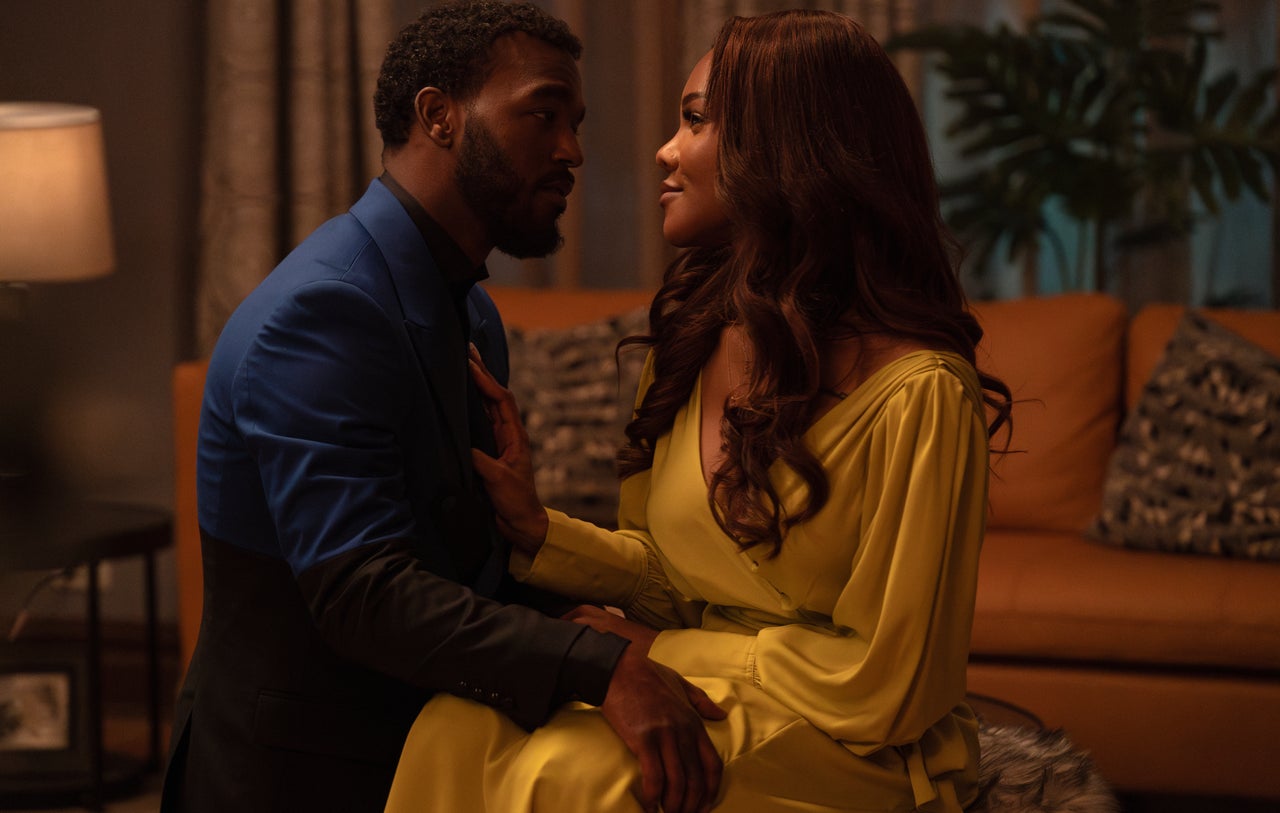
Sometimes, that looked like bringing LGBTQ+ stories to the forefront, such as the acceptance of out-and-proud relationships with trans women through Luke James’ Trig/Victor, a former gangster striving to overcome his street instincts as he supports his community. Other times, it meant exploring redemption through characters like Jason Weaver’s Shaad — Trig’s formerly incarcerated friend who shares his loving, softer side with the women in his life — or even Ahmad Ferguson’s Bakari, a troubled young man in the streets who tries to turn over a new leaf, though not without complications.
However unfamiliar those stories may have felt to audiences at times, “The Chi” still made space for what people may not have ever encountered before the show came along. That alone is something Waithe takes pride in, even amid the criticism the series has received.
“I think there’s a desire sometimes to see things as they are,” she said of audiences’ “fair” critiques. “It’s interesting because sometimes when I do that, people say, ‘Oh, that’s trauma porn.’ But then, if you say, ‘Well, what if we imagine a world in which this is not a big deal?’ Then people say it doesn’t feel realistic.”
“As an artist, I really can’t invalidate how people feel. I think they’re right,” Waithe added. “Would there be pushback [against Victor’s relationships]? Sure. Would Shaad maybe not be as nice to women? Maybe. I’m not going to say that they’re wrong because they aren’t. But also, is there a world in which they wouldn’t get pushback? Is there a world in which a man who comes out of jail is soft to women? Sure. Both are valid, and I think that’s where I’ve grown up to, is that they’re not going to find a debate from me because I can say, you know what, you have a point. All I ask in return is that you see that I, too, could have a point.”
It’s not easy to balance audience expectations for a show like “The Chi,” which was always pushing against traditional ideas of what Black stories could and should look like on TV. Finding ways to hold space for joy and pain, sorrow and solace, laughter and tears was no simple task, but, at the end of the day, the goal was always to portray that fullness as honestly as possible, and maybe change a few hearts along the way.
“That’s really the experience of humanity, is what we try to capture,” co-showrunner Jewel Coronel explained. “Because the truth is, no one has a perfect life, and they’re not always laughing, but they’re also not always crying. So, we try to manage that tension with moments of levity.”
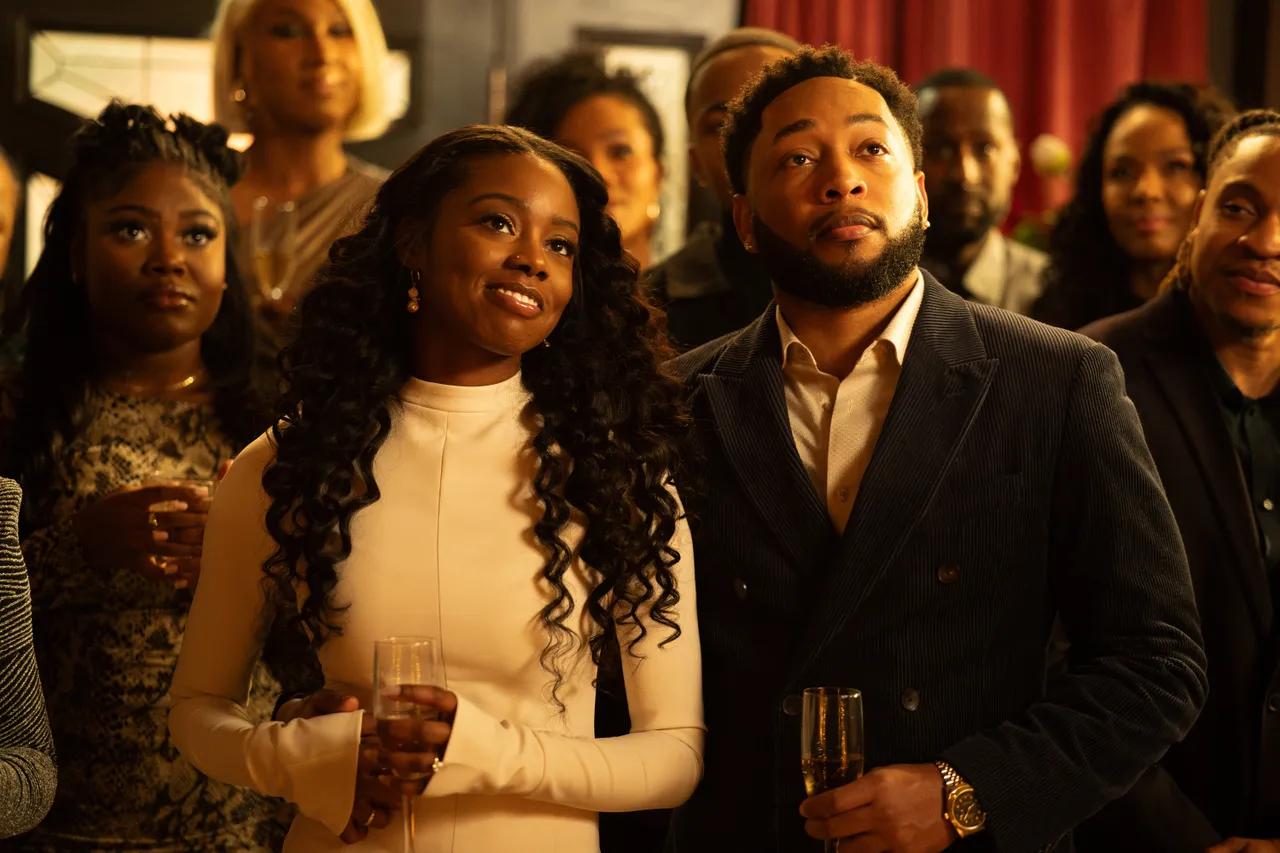
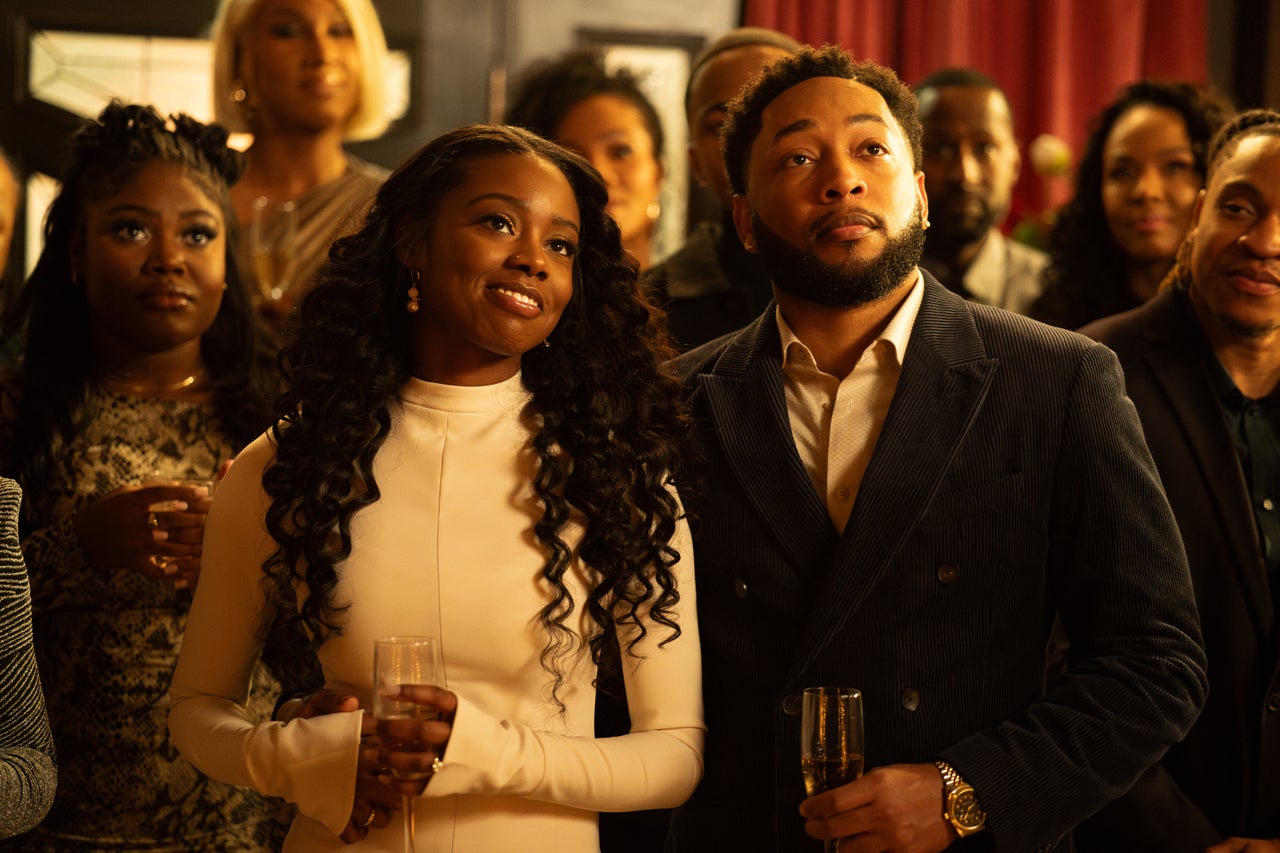
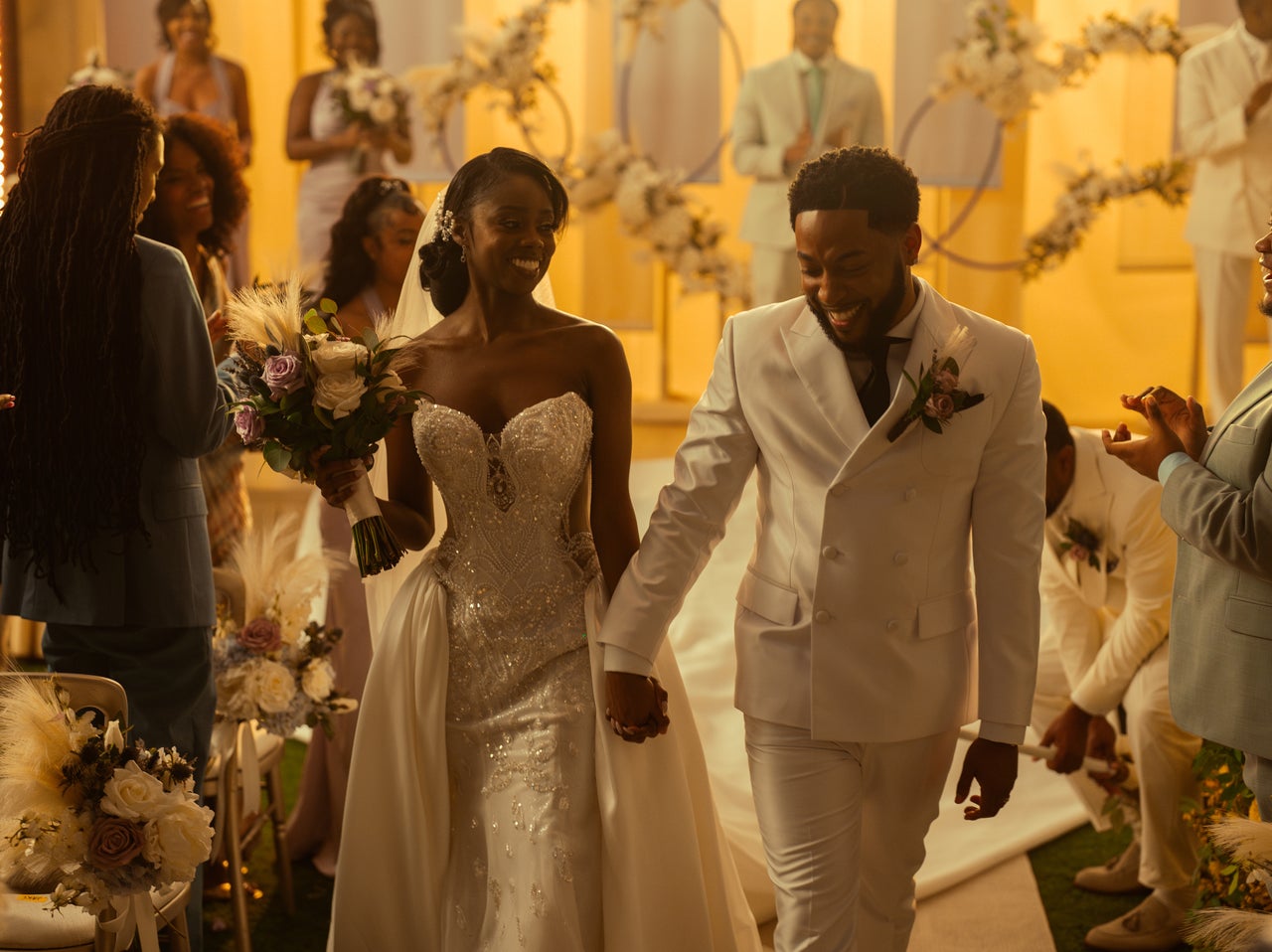
Some of those moments are evident in the show’s final season. Though billed as the “coldest winter ever” for the South Side, Season 8 still made room for moments of warmth amid tragedy — perhaps none more significant than the long-awaited wedding of Kiesha and Emmett. From teenage hook-up buddies to devoted parents and partners, their journey has become one of the series’ most dynamic arcs, with Baker and Latimore growing right alongside their characters as two of the show’s original cast members.
“The first day, the first episode was crazy,” Latimore recalls, laughing as he looks back on filming the pair’s first intimate scenes together and the many unforgettable moments that followed.
But the wedding, he says, is “the big one” he knows fans have been waiting for.
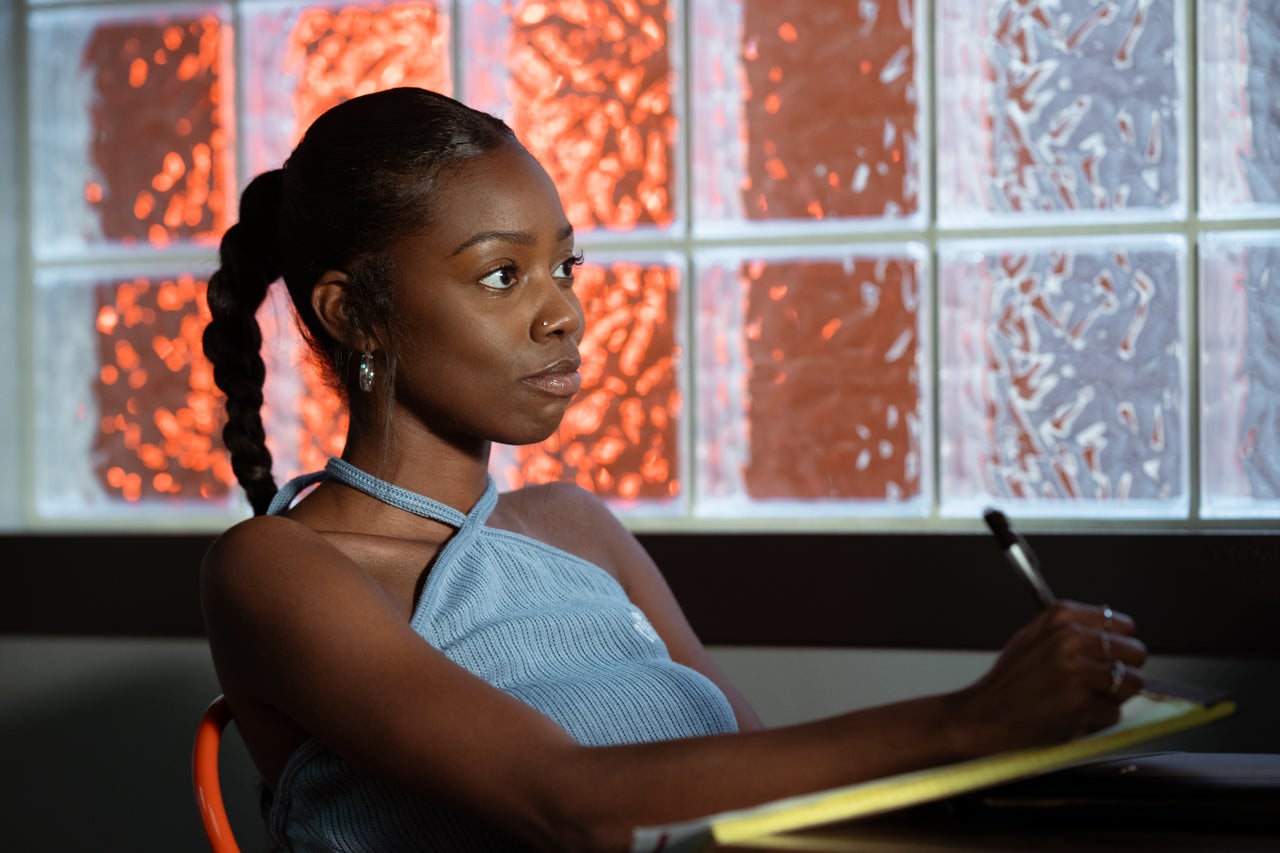
It’s been quite the evolution for Baker, too, as Kiesha became the center of one of the most affecting storylines on “The Chi” in Season 3. After surviving a traumatic kidnapping and rape that resulted in a pregnancy, audiences watched her slowly piece her life back together, as she built a blended family with Emmett and his children and forged an unlikely “sister wives” bond with his ex, Tiffany (Hannaha Hall).
For Baker, hearing how deeply Kiesha has resonated with audiences, from young Black girls to older women, has been the greatest reward of all.
“They tell me they love my character and can relate to her,” she said. “[They say] I remind them of either themselves or their sister or somebody that they know, and I think that’s what TV is supposed to do. It’s supposed to show people, represent real people, and make people feel seen. That’s been the best part of playing Kiesha, because she’s a strong, loving Black woman, and so a lot of women can take a lot from her.”
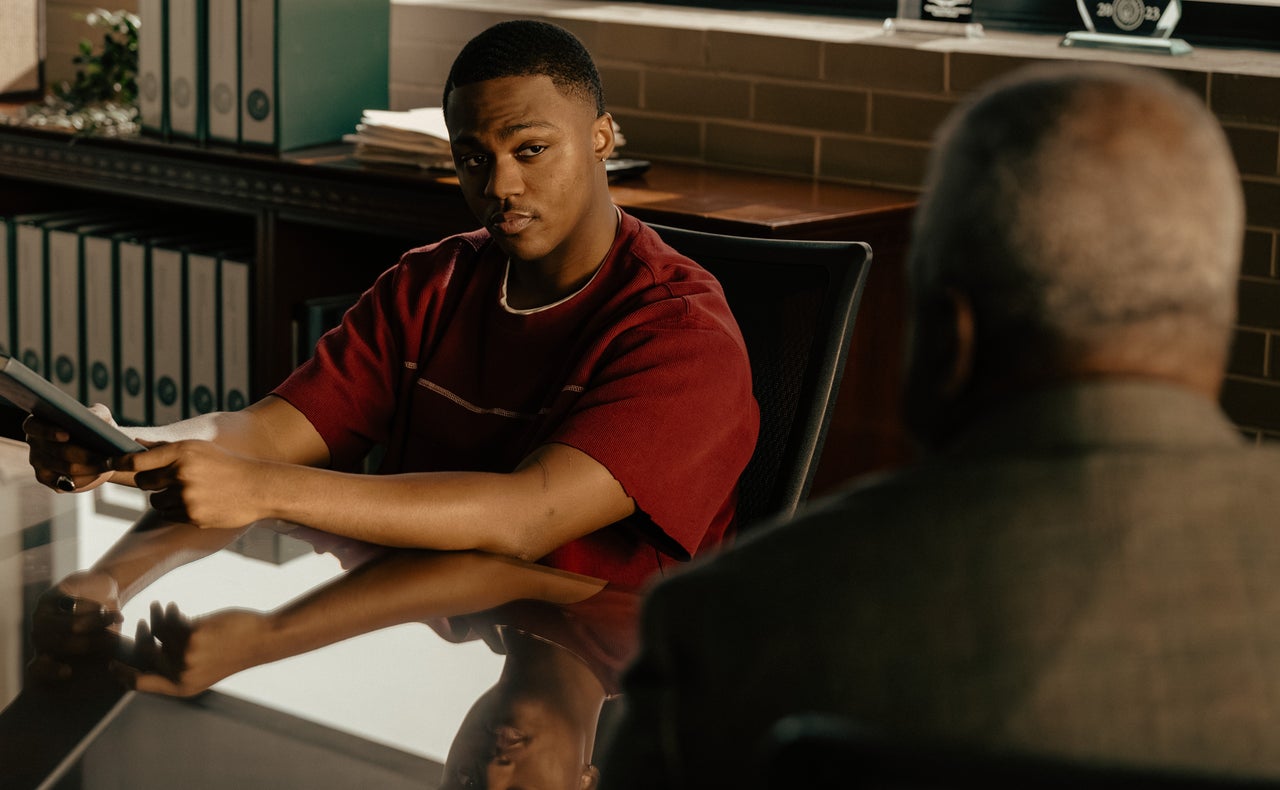
“The Chi” has been a transformative experience for other cast members, too, like Ferguson. Introduced in Season 3 as Bakari — who seeks revenge for his best friend’s wrongful murder in the pilot — the actor connected with his then-recurring character on a deeply personal level, as he, too, has lost friends to gun violence for “being at the wrong place at the wrong time.” But portraying Bakari’s “underdog story,” he says, hit close to home as well.
“Me and Bakari are similar in the hunger that he has and the determination to be better; to want to make the right decisions,” Ferguson shared. “I feel like that’s why people love Bakari. That’s why people want to support him, and don’t want to see anything [bad] happen to him. Because, flaws and all, you see his heart, and you see it’s genuine. But growing up in these urban areas, it’s hard to find a way out.”
In many respects, Ferguson’s part on “The Chi” gave him a way out of his hometown of Gary, Indiana, a “rough place” he says could’ve gotten the best of him, too, had Waithe not offered him his breakthrough role.
“I spoke with Lena briefly as we were wrapping [the show], and I just told her, ‘Thank you for everything. I don’t know what I would be doing if I wasn’t doing this,’” the young actor recalled. “Because I didn’t go to [college] … but by the grace of God, I was provided an opportunity like ‘The Chi’ to keep me busy and show me what my future could be. To make me be like, ‘OK, this is my walk, this is my purpose and this is what I’m gonna do.’”
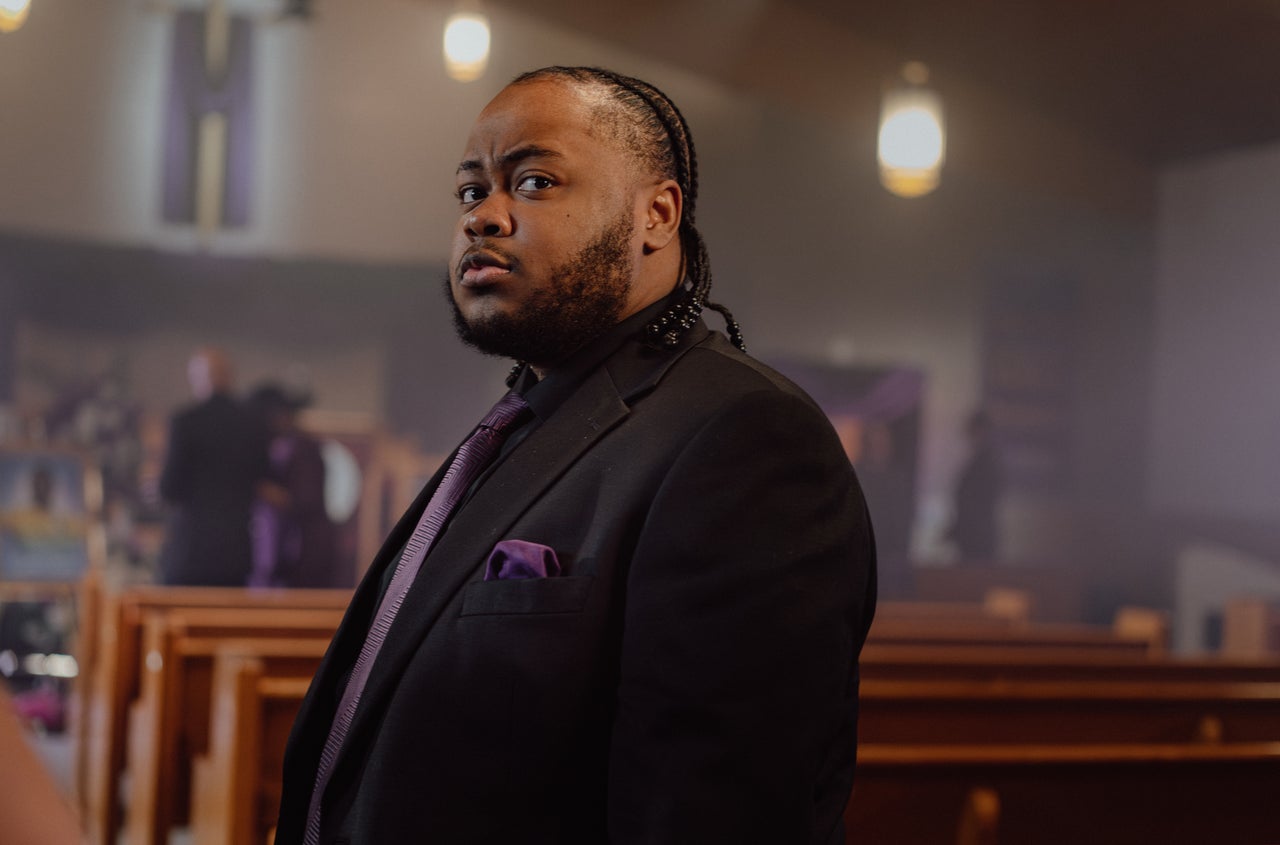
Similarly, “The Chi” changed the trajectory of Shamon Brown Jr.’s life as well. The 22-year-old former child actor joined the series at 13, playing the lovable Papa, one of the original core kids alongside Hibbert’s Kevin and Epps’ Jake.
“Growing up on a TV show like ‘The Chi’ is different than growing up on a sitcom or on Disney Channel,” Brown recalled of his journey. “I felt like, career-wise, I had a different stepping stone compared to other child actors. To do it on this show, it was amazing. I felt like it was definitely a once-in-a-lifetime experience, and I can speak for a lot of the other kids who grew up on the show with me when I say it definitely shaped us; not only for our future careers but our lives in general.”
Over the past eight seasons, Brown’s Papa has become one of the most beloved characters on “The Chi,” known as the moral compass and voice of reason within his friend group. But like many on the show, the writers threw the young man a curveball toward the end of the series to see how he, too, experiences the kind of pain and complexity that comes with real life. Hence, his journey took a darker turn in Season 6 after his father’s murder, and again at the start of the final season after losing another father figure, Pastor Zeke (Daniel J. Watts).
“I think that it was needed,” Brown said of Papa’s heartbreaking arc, noting that enduring such profound loss was “one of the most human things” that could have happened to his character.
“For the longest time, we’ve seen Papa as this golden child, perfect preacher boy. But this season, we finally get to see him break down,” the actor continued. “I feel like even when he lost his actual father, we never saw him get to be human and fully deal with his emotions past the funeral. So now, this season, he gets to focus on himself, as opposed to all the seasons where he’s been focused on everybody else. Now you get to see him really deal with all his issues. Maybe not in the most positive way, but you get to see his journey this season of finally stepping into his reflection of self.”
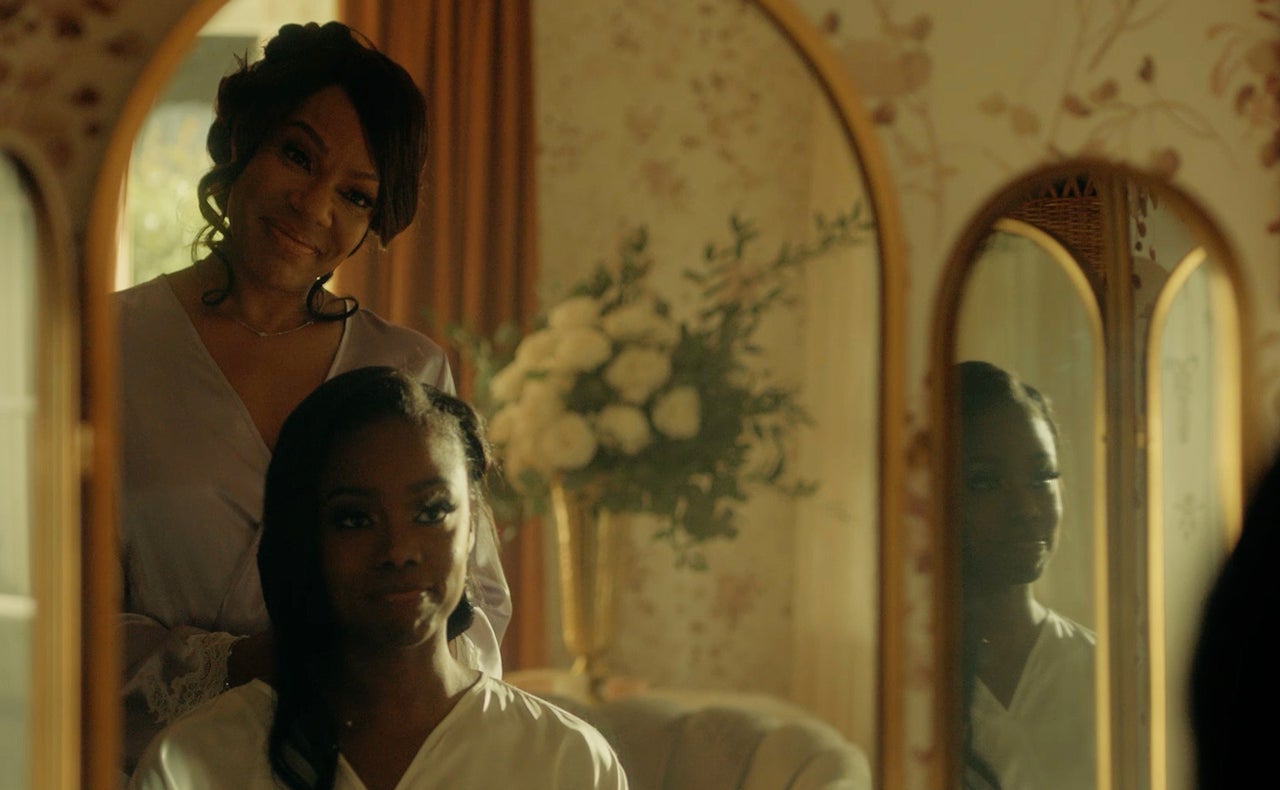
If nothing else, the final season of “The Chi” has hammered home what made the Showtime series so special when it debuted nearly a decade ago. All the meaningful moments of redemption, triumph, community and love outweigh even the heaviest of losses the show’s South Side residents have endured, right down to the full-circle series finale.
From its earliest episodes, “The Chi” has asked whether its characters could withstand the challenges life placed in front of them — betrayal, trauma, heartbreak, death, you name it. But after eight seasons, the answer is clear: their greatest strength came not from avoiding life’s storms, but from learning how to weather them, together. And that’s always been the spirit of the show.
“It really is about a celebration of love and endurance,” Hillian said. “The pilot, the way that first episode ends, it’s like, oh man, are these people going to be OK? How is this going to resolve itself? The natural conclusion to that is these people are so strong, so determined and so together, there’s nothing that can break them. So, even though there may be more tragedy to come, they’re ultimately going to be just fine, because the city is going to keep on going.”
So will the legacy of “The Chi.”
The groundbreaking series has been defined just as much by the bold stories it has told over the past eight seasons as by the people who helped bring them to life. That includes the legendary veteran actors who have appeared on the show — including Lynn Whitfield, Phylicia Rashad, Wendy Raquel Robinson, Kadeem Hardison and more — as well as the acclaimed directors who have helped bring its world to the screen.
“Some days did not feel real,” Baker recalled. “I remember coming into a scene, and Wendy Raquel [Robinson] was sitting there going over her lines, and Robert Townsend was, like, looking around, planning how he was going to direct everything, and I just burst out crying. Because it makes you feel like, wow, all my hard work amounted to something. I’m standing in the room with legends and greats, and it really means something when you just take a moment to see who you’re surrounded by. You learn so much. It’s such a gift to just sit back and pick up on gems from these legends, and they trust you and believe in you.”
Latimore echoed her sentiment, saying, “It’s been a melting pot, bridging that gap between new beginners and veteran actors coming in. It’s so dope. So many great OG actors and directors have come and taught us something along the way.”
That life-changing experience, as Brown recalled, felt like the “greatest, longest family reunion you could think of.”
“I’m so glad that I was there from the beginning to the end,” he added. “That I got to be surrounded by so many amazing people, and had so many amazing mentors on- and offscreen, so many great directors, writers and producers, like, the list goes on.”
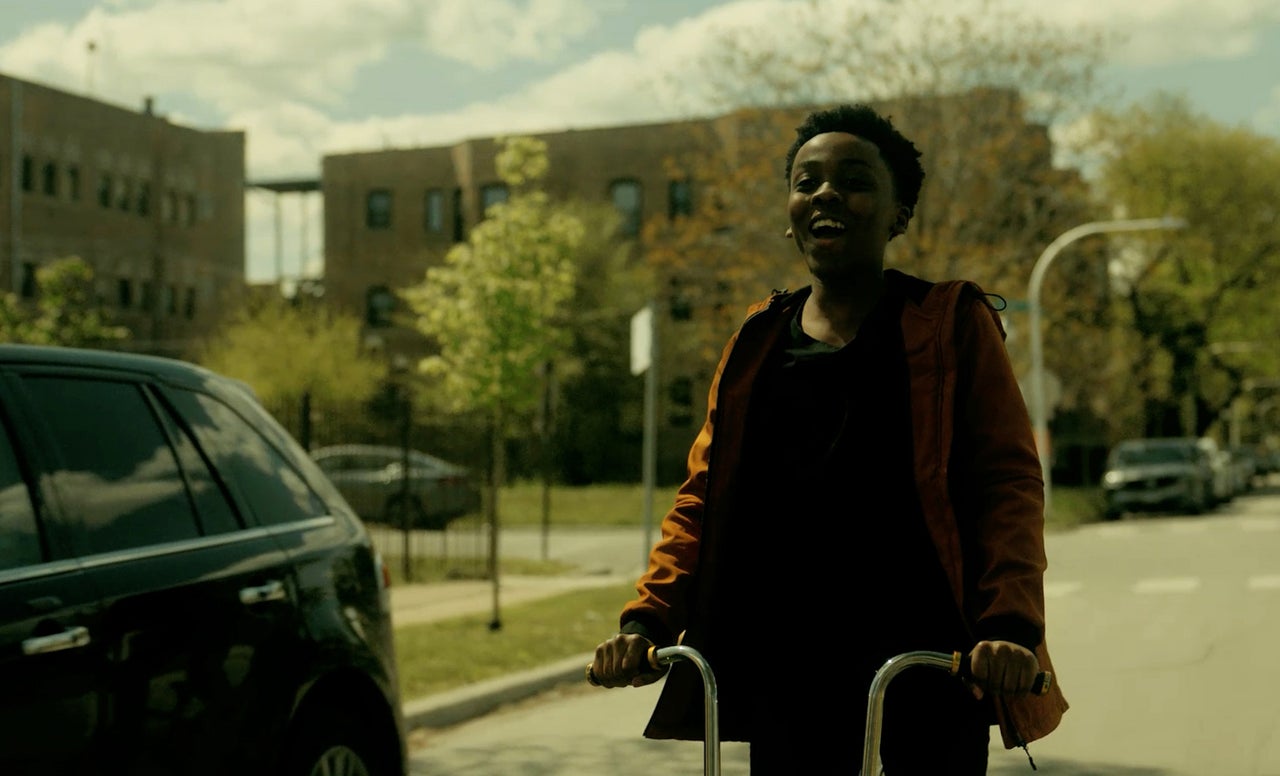
Looking back on everything “The Chi” accomplished over its run, those on the show are proud of the roles they played in creating something that resonated far beyond the screen.
“I remember coming into the show and not knowing the type of impact that Papa would have on the people,” said Brown. “I was just showing up as a kid, making sure I did my best work. But to know that my character can be a blueprint to kids, especially being from the South Side of Chicago, playing a young Black boy from the South Side.”
He continues: “To show kids that there’s more than just playing the drug dealer, the gang banger or the troubled kid. That it’s OK to be the funny one, the voice of reason, the good kid, the one who isn’t always in all the drama and in the streets, and it’s OK to be different. Not even just my character, Jake and Kevin, too. I feel like we all have shown different perspectives of what it means to be a Black boy, not only in society but also on TV; showing other Black actors that there are more roles and opportunities than people might think we can thrive in or portray.”
That sense of pride goes for those behind the camera, too, as Hillian noted: “I got into this business to reach and touch people. So it may sound cliché, but I just hope people feel seen [because of what we did]. I hope they feel like, ‘Oh, I thought that I was the only person who went through this.’ And you can see that, not even 20 years ago, way back in the day, people were going through these same things too. That’s what we try to focus on: humanity and the human experience, themes that are going to keep coming up with every generation of trying to find your way and make your mark.”
As far as how they’d like the show to be remembered in the lineage of Black storytelling on TV, Baker said, “I’d like to be remembered for the way we honestly represented the culture.”
“There are all types of Black people on the show,” she pointed out. “No matter your complexion, your sexuality, or your body, we show everything.”
“Growing up, I didn’t see all types of everybody on TV,” Baker added. “It was usually one type of woman or one type of man, and so representation has been one of the most beautiful things about our show.”
“Representation has been one of the most beautiful things about our show.”
– Birgundi Baker
Meanwhile, Brown hopes fans of “The Chi” never forget that “we did it our way, and that we did it authentically.”
“We had an amazing run,” he said. “I don’t think there will be another show like ‘The Chi’ the way we did it for a minute. I don’t believe ‘The Chi’ is comparable to anything onscreen — past, present or future. We’re in a land of our own. We made something amazing and beautiful that people can watch for generations … I hope that the conversations that ‘The Chi’ has started continue to evolve in people’s households, friend groups and families, and I hope that people continue to follow us all as actors, because none of our journeys are ending here.”
As Coronel noted, Waithe created “The Chi” to encourage audiences to see the world beyond their own experiences. And in doing so, the series has not only amplified countless voices that may have gone overlooked elsewhere, but also created a space where people from all walks of life can “feel seen and heard and celebrated.”
“That authenticity is what speaks to an audience,” the showrunner pointed out. “It’s funny how the more specific you get, the more people feel understood. It’s that feeling of understanding that they don’t get anywhere else in television.”
Some of those efforts may still feel ahead of their time, but Waithe is hopeful that years from now, audiences will look back on “The Chi” and recognize just how forward-thinking it really was.
“I hope some things are outdated, and I hope some things feel present,” she said. “The artist’s job is to reflect the times in which they live, as Nina Simone said, and I try to do that. It’s also an artist’s job to show people a new way of being, living, existing.”
Waithe concluded, “I hope the legacy is that I made something that reflected who we are, but also showed us who we could be.”
“The Chi” streams on Paramount+.
‘ The preceding article may include information circulated by third parties ’
‘ Some details of this article were extracted from the following source www.celebrity.land ’