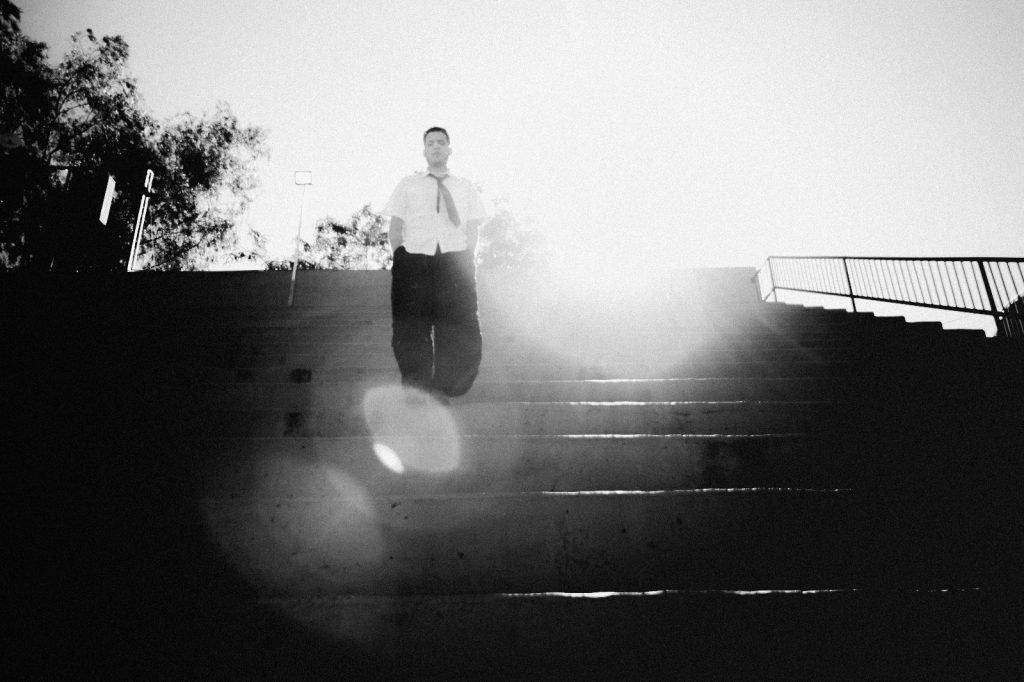
At 26, Paraguayan musician Seba González, known artistically as Bastianes, has carved out a path defined by resilience, collaboration, and an unflinching embrace of vulnerability. Speaking to The Asunción Times, he reflects on the long road from his first rescues of adolescent songs, as well as new crafted songs, to the release of his debut album, Todo lo que queda (All that remains).
Origins and identity
Bastianes began in 2018 as González’s personal project, born from a desire to avoid the “solo artist” label.
“I did not want it to be Seba González. I wanted something that felt bigger than myself. The name itself came from a family friend’s suggestion, inspired by the kid in the movie, called Bastian, about the flying dog in The Never Ending Story.”
From the outset, the project was collaborative, with friends contributing to production and live performances.
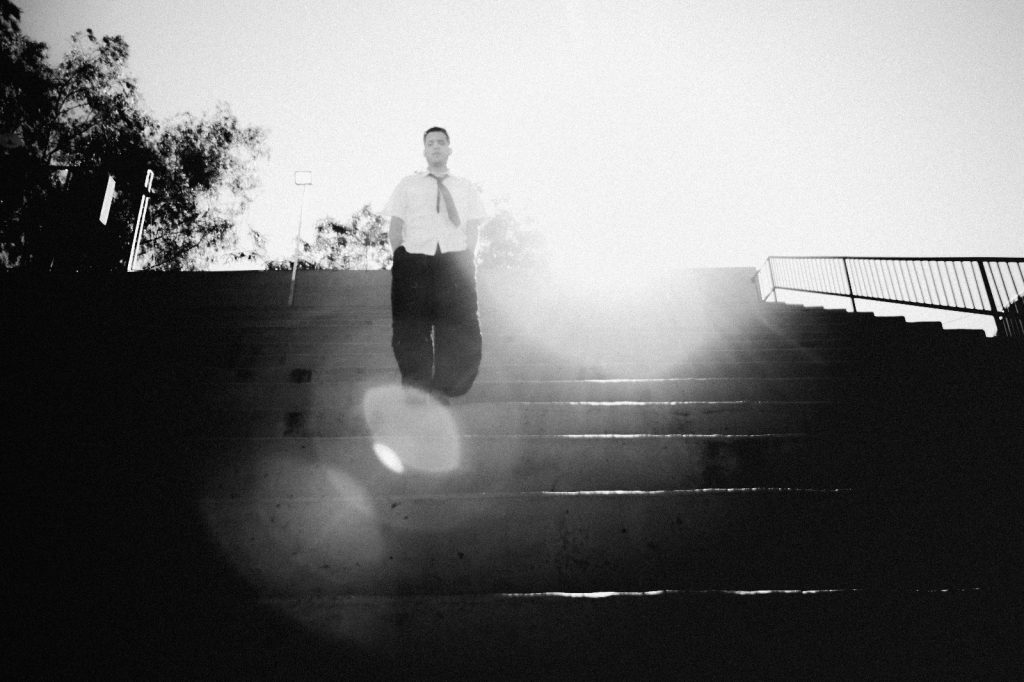
Released after years of pauses and reinvention, the latest album is a collection of eight songs written between the ages of 19 and 25. “Each track is part of that stage of life, dreams fading, priorities shifting, disappointments, love, and gratitude.” Some songs date back to 2019, reworked until they found their place. Others emerged during the pandemic or in more recent years.
He describes the creative process as demanding yet liberating:
“Composing is very masochistic. I spit out everything, then find what works. If I force it, it does not come. But when it flows, it happens quickly.” Vulnerability, domesticity, and rawness became the guiding principles. Songs such as Para Sanarme (To heal me) and Cansado (Tired) are deeply cathartic, serving as emotional release.
Influences and Paraguayan identity
Musically, the album draws from diverse influences: English band Arctic Monkeys, The Strokes from the United States, Venezuelan duo Lara Project, and Argentina’s new wave of rock. Yet González insists the Paraguayan identity is most present in the lyrics.
“It is in the way we say things, direct, simple, like telling a friend about a relationship.” On the other hand, about the closing track, “In Prisión (Prison) we wanted to bring the sound closer to home, playing with the 6/8 rhythm and folkloric percussion. But it is in the lyrics, the directness, the simplicity, that the Paraguayan identity shines through.”
Collaboration and growth
Though Bastianes is a solo project, Seba thrives on collaboration. “Working with my friends makes the process natural. Sometimes I arrive with an idea half‑built on the computer, other times just with a guitar, and we start from scratch. The communication is direct and professional when we are creating, but outside of that, we are simply mates again. It is a very beautiful way to work.” Their varied backgrounds, from urban music to rock, create a rich blend of textures. Disagreements are inevitable, but compromise ensures progress. “We all work for the song, not the egos.”
The response to Todo lo que queda has been encouraging. “It is easily the best work we have done together,” he affirms, though he admits to the anxiety of reaching beyond his circle of trust. His hope is to connect with wider audiences, both in Paraguay and abroad. “I want to play everywhere, inside the country, outside, meet new people, keep learning.”
Message to listeners
For those discovering Bastianes, Seba offers a simple invitation: “Enjoy it. You might cry, so have tissues ready. Think of someone you love, or someone who is no longer here. The album is a rollercoaster of emotions, a refuge. I hope people find themselves in it.”
If you want to listen to Todo lo que queda, go to Bastianes’ Spotify. Also, for more information about the artist, you can check out Bastianes on Instagram.
Also read: No Nostalgia, Just Now: How The Crayolas Reshape Asunción’s Indie Scene
‘ The preceding article may include information circulated by third parties ’
‘ Some details of this article were extracted from the following source asunciontimes.com ’