AI is in an unusual position where it sparks polarised public opinions, yet is simultaneously being used by everyone and their dog to do things that they couldn’t do before: make efficiency gains, access information and analysis, or take new creative steps. And once again, a lot of AI news has arrived at all once, and so we’ve pulled it together in a few bundles to try and parse it all.
Music business platforms
Traxsource, the House music download store for DJs, has announced the introduction of “Human-Made” and “AI-Assisted” music labels across its platform. The new system will flag fully AI-generated music for removal, and classify the remaining music as either AI-Assisted or Human-Made. The company’s co-founder and CTO Marc Pomeroy says that it’s about providing choice for users and leaving AI creative options open for musicians: “we envision a future where shopping for music is like shopping for food today, conventional products right next to certified organic, with the choice left to the consumer.”
Meanwhile, Mngrs·ai, which we first wrote about in 2024, has a new investor and strategic advisor: Cortez Bryant, the longtime manager behind Drake, Lil Wayne and Nicki Minaj. That’s some resume, and the fact that he’s getting involved with a platform like this could erode his authority – but it might actually say something else about the general lack of access to management skills. Bryant believes that Mngrs•ai “can make the kind of structured guidance and career support that artists need accessible to millions of people who would otherwise never have access to it.”
Marketing
Marketers who place ads on Snapchat will start to see some new AI-powered tools taking effect. Among them is a new AI assistant which spots errors in ads, offers tips to improve ad performance, and other feedback to help boost ad campaigns’ potential. The platform’s “Dynamic Product Ads” will now be AI-powered to recommend ads to Snapchat users with, it says, increased relevancy. There’s also a suite of in-app upscaling and image-to-video generation tools, plus an AI-powered Snap Creator Network, that aims to help marketers and brands find creators to partner with by describing “audience, tone, category, or campaign goals”.
(Snap is also gambling that users want expensive face-computers: it recently launched $2000+ augmented reality glasses which, to the mirth of some online wags, appear to sit pretty chunkily on CEO Evan Spiegel’s face.)
Influencers might be glancing over their shoulders: “brands are increasingly attracted by the lower costs associated with AI-generated content,” says Clarissa Mansbridge, who creates AI influencers for brands. An investigation has found that brands, tired of paying creators, photographers and artists to make their influencer social posts, are now using AI-generated influencers on social media to recommend their wares – and some brands are making creators sign NDAs so they don’t reveal that their work is AI-generated.
If you have a website and access to Google Analytics, you’ll have noticed a new source of traffic: AI platforms like ChatGPT – and Google is now placing AI-powered answers at the top of search results. Marketers may flinch at this: it could mean that users no longer need to click through to find out what they want to know – but Google’s ad chief, Nick Fox, says that “AI is giving marketers superpowers”, promising smarter ads, agentic shopping experiences (i.e. using natural language to find what product they really want to buy), and better decision-making help for consumers that ask AI “which product should I pick?”
Artists
So what about the artists and creators themselves? Well, SZA has some thoughts – posting on Instagram, she angrily accused AI platforms like Suno of using the music from “the best and brightest black minds of writers and producers” to train its models, and warning other artists: “DO NOT TRAIN AI [WITH] YOUR GENIUS.” She’ll perhaps find a kindred spirit in producer-songwriter Jack Antonoff, who recently called people who made music with AI “godless whores.”
Patreon CEO and musician Jack Conte had creators in mind as he explained his views on AI this week. On one hand, he says, “boycotting AI is like boycotting the internet. That’s not a good strategy.” On the other, he called for regulation and lawsuits, saying, “what’s essentially happened is these models have Borg’d the entirety of the free creative web from all these creative people, without paying them, without letting them opt out, and without even giving them credit.”
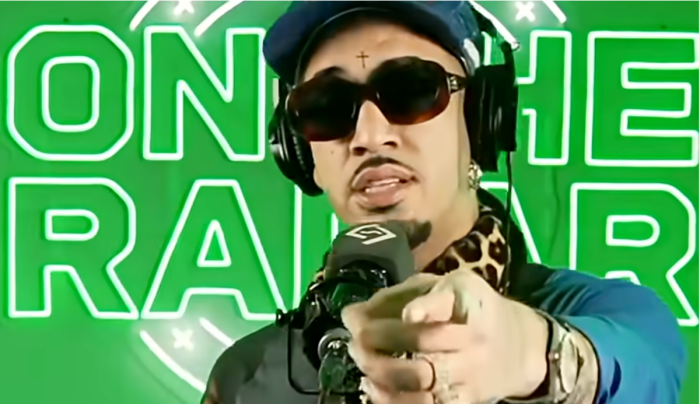
For some artists, AI music is erasing the trust connection between them and their fans. Fenix Flexin [pictured] is a rapper whose recent solo song “Rubberz” has blown up on TikTok. Its unique sound – somewhere between 80s synthpop, hip-hop, and The Smiths – is unusual, and really catchy. It’s also so different to his previous work that he’s constantly being accused of using AI to create the song – which, he says, he didn’t do.
‘ The preceding article may include information circulated by third parties ’
‘ Some details of this article were extracted from the following source musically.com ’