As Strings Music Festival approaches its 40th year, the nonprofit performing arts organization finds itself at a pivotal and adaptive moment in its history.
Strings, which is well-known for its classical performances, has spent the last decade reshaping what a season of performances can look like in a mountain town. For this winter’s lineup, that means a shift toward diversified programming, flexible formats and a balance between artistic risk and financial sustainability.
The hope is that all of those elements will come together to help develop new audiences visiting the venue.
For Michelle Geib, Strings’ marketing director, the transition is intentional and necessary.
“We are an organization in transition,” Geib said. “We are recognizing that rather than resisting it, and realizing that it is a healthy place to be.”
Strings has expanded far beyond classical music since its founding. Today, its calendar includes contemporary musicians, comedians, family programming and a growing slate of educational outreach initiatives in collaboration with school districts throughout the Yampa Valley.
According to Geib, that evolution led to internal conversations about whether the organization’s mission statement still reflects what it actually does.
“That outreach and education work has become just as much a part of who we are as presenting performances,” she said.
That shift mirrors changes across the nonprofit performing arts sector as shrinking audiences, increased touring costs and an aging traditional donor base create funding challenges. For Strings, organizational health depends on attracting new listeners without alienating longtime supporters through massive shifts in a single moment.
Season-building, Geib said, has become an important part of balancing those elements.
“As a nonprofit, it’s very difficult to weigh what we choose to bring,” she said. “We need to sell tickets, fundraise, satisfy donors and operate within our mission. We can’t program every show purely for cultural significance, but we can’t ignore that either.”
One notable change this winter is Strings’ growing comfort with standing-only shows, once a rarity at the seating-oriented pavilion. Acts such as Yonder Mountain String Band, Tank and the Bangas and The California Honeydrops will all perform through March without assigned seating. The result, according to Geib, is a more festival-based atmosphere that appeals to younger audiences and other demographics that are accustomed to high-energy performances in standing venues.
“People want to dance and move,” Geib said. “Some music just works better that way.”
Programming diversity is also central to the strategy. Rather than building a season around a single genre, Strings intentionally places familiar names next to artists who are new to Steamboat Springs, with the goal of broadening audiences while maintaining quality in both the season’s lineup and individual performances.
“You always hear people buying tickets to go to Red Rocks, Dillon or Vail,” Geib said. “We want to bring that same level of talent here and make it accessible to locals and visitors.”
That philosophy is reflected throughout the winter schedule, which runs from early January through late March.
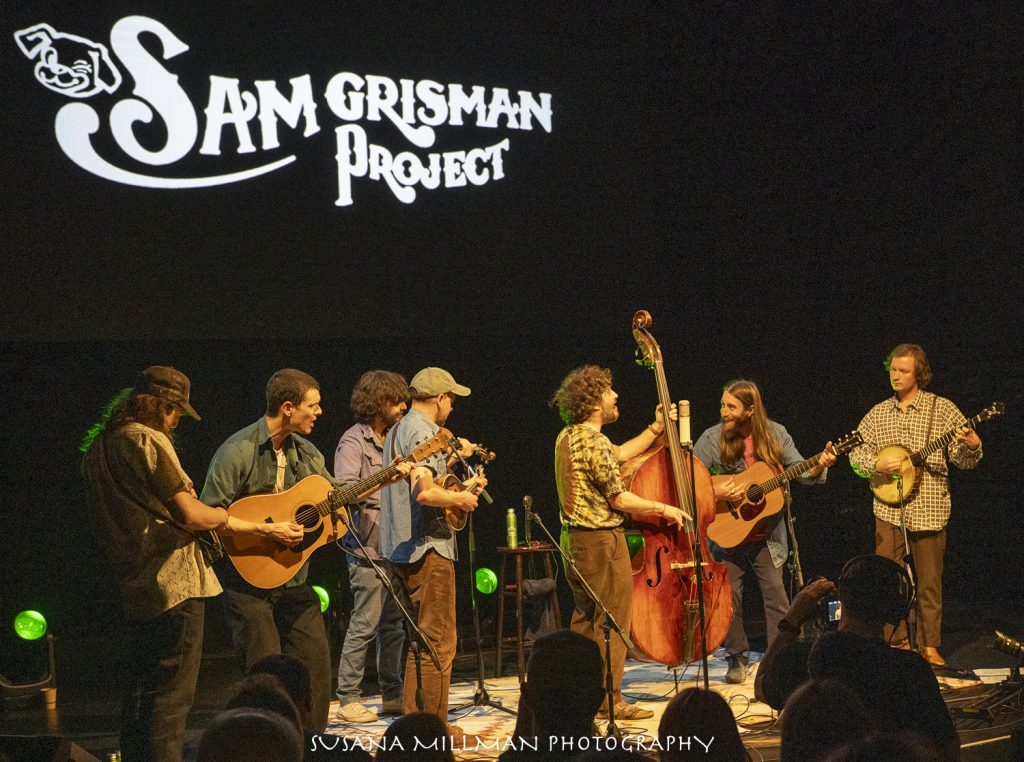
The season opened Thursday with the Sam Grisman Project, which is led by the son of bluegrass legend David Grisman. The ensemble celebrates acoustic music traditions while spotlighting a younger generation of musicians. Strings staff feels the group is a wonderful match for Steamboat Springs, which has been developing as a proving ground for bluegrass musicians.
Mat Kearney returns Jan. 16, offering a show that Geib said will center on storytelling, which lends itself well to a smaller venue like Strings. Kearney’s previous appearance drew fans from across the region.
Yonder Mountain String Band takes the stage Jan. 22. A longtime favorite in Steamboat Springs, the high-energy jamgrass group is known for shows that never sound the same twice. The show will be standing-only, allowing fans to experience the performance in a way that mirrors the band’s energy and tempo.
One of Geib’s most anticipated choices in the lineup comes Jan. 25, when 2017 NPR Tiny Desk Contest winners Tank and the Bangas step onto the Strings stage. The New Orleans-based group is known for blending hip-hop, soul, funk and spoken word, all of which is an intentional expansion beyond the traditional genres that Strings brings to its audiences.
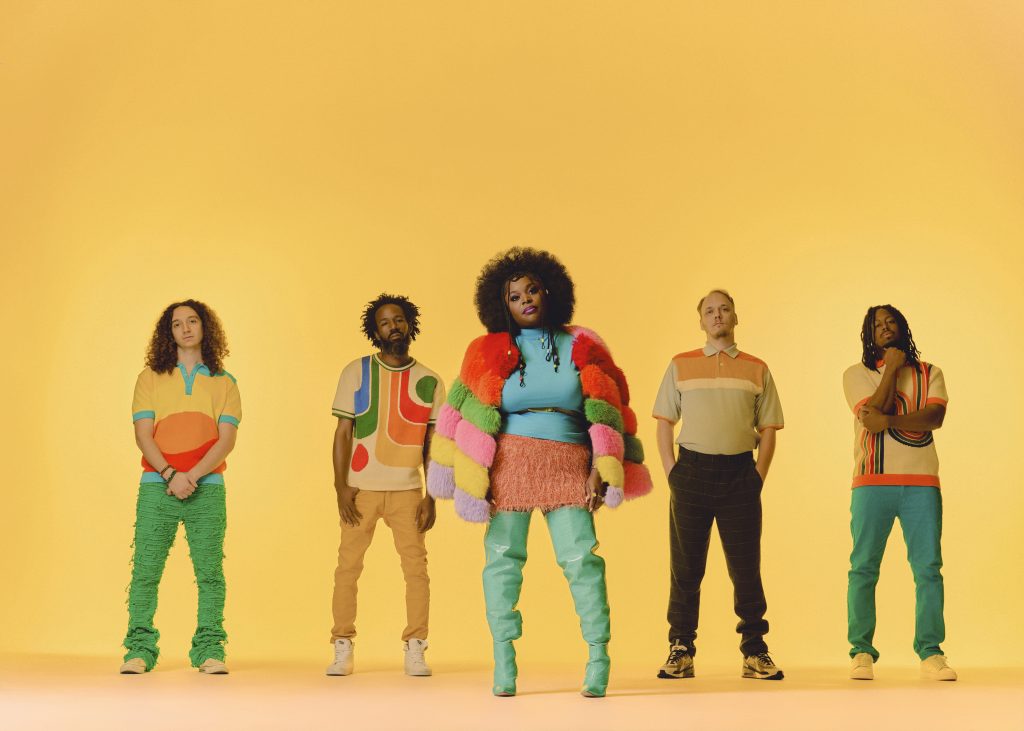
“That’s music that’s very unique for Strings and for Steamboat,” Geib said. “It’s exciting to take the lead on something like that.”
Family programming remains a priority as well, and Justin Roberts and the Not Ready for Naptime Players will perform on Jan. 31 in an all-ages show in collaboration with the Steamboat String Quartet.
Roberts is a five-time Grammy Award nominee and has played at Strings before.
John Craigie follows on Feb. 15 with a blend of humor, storytelling, Americana and conversational performance style.
Comedy also plays a growing role in the season.
Actor and comedian David Koechner appears March 6, followed by Yacht Rock Revue on March 7. Geib describes the latter as a high-energy, singalong-heavy show that she expects to be “lively.”
Trae Crowder, also known as the “Liberal Redneck,” comes to Strings on March 15 with his unique blend of political humor and Southern perspective.

The season wraps up with a standing-only concert featuring The California Honeydrops on March 18, and a seated Eddie 9V show on March 22. Both artists combine soul, blues and funk with a modern take.
For Geib, the success of the lineup and the new direction in its formation cannot be measured in a single way.
“Some people look at ticket sales, some look at fundraising, some look at how many kids we reach through our education programs,” she said. “For me, it’s a combination of all of that and seeing new faces in the audience.”
More information on the Strings Music Festival, and its winter lineup, can be found at StringsMusicFestival.com.
‘ The preceding article may include information circulated by third parties ’
‘ Some details of this article were extracted from the following source www.steamboatpilot.com ’