James Farrell, representing Suffolk Constabulary, told the court there was concern that if not monitored closely, Mr Jenkinson “could get fixated on more weapons and methods of killing and that could spiral out of control with more serious consequences”.
Deputy Senior District Judge Tan Ikram told him he would have to adhere to a strict set of conditions regarding his movements and internet use or could face up to five years in jail.
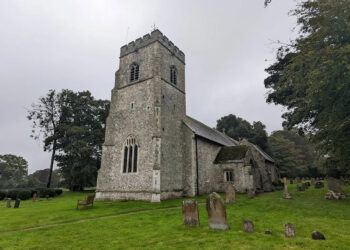
The 39-year-old, who is a prescribed cannabis user, was arrested on May 6 after allegedly approaching Mr Mountbatten-Windsor close to his home on Marsh Farm in Norfolk.
He is accused of chasing the King’s younger brother on foot and in his car while wearing a balaclava and camouflage clothing.
When he was detained by armed police a short time later, he was found in possession of a wooden-handled axe and also had a rock in his pocket.
Mr Jenkinson was subsequently charged with two counts of using threatening, abusive or insulting words or behaviour to harass someone or cause alarm or distress and will stand trial at Westminster magistrates’ court on July 29.
He was initially held under the Mental Health Act and despite attempting to abscond from the hospital, was later discharged.
He was released on strict bail conditions which prevent him from contacting Mr Mountbatten-Windsor and also prevent him from entering the county of Norfolk or going within 500 metres of the Sandringham Estate, Buckingham Palace, Balmoral Castle, Windsor Castle and Highgrove.
‘Bail conditions are not sufficient’
Despite the restrictions placed on him by the bail conditions, Suffolk Constabulary – responsible for the area where Mr Jenkinson lives – decided to go further and apply for a civil SPO.
Mr Farrell said the SPO was needed to protect Mr Mountbatten-Windsor from the escalating risk posed by Mr Jenkinson.
He told the court that following his arrest in May, Mr Jenkinson’s phone and his internet searches were analysed by police.
He said: “We say this shows a pattern of behaviour and targeted escalating behaviour associated with stalking.”
He went on: “Mr Jenkinson displays elements of grievance and fixation about the subject. We have reasonable cause to believe the order is necessary to protect the complainant from risk. We say the bail conditions are not sufficient to mitigate the escalating risk.”
Mr Farrell said a multi-agency public protection arrangements meeting, which took place earlier this week, had placed Mr Jenkinson in the highest risk category.
Benjamin Thiele-Long, representing Mr Jenkinson, said he had not offended since his arrest and the SPO was not necessary because of the stringent bail conditions already in place.
But Judge Ikram said he would grant the order before a full hearing after the criminal trial had taken place.
Kensington Palace has been contacted for comment.
‘ The preceding article may include information circulated by third parties ’
‘ Some details of this article were extracted from the following source www.telegraph.co.uk ’