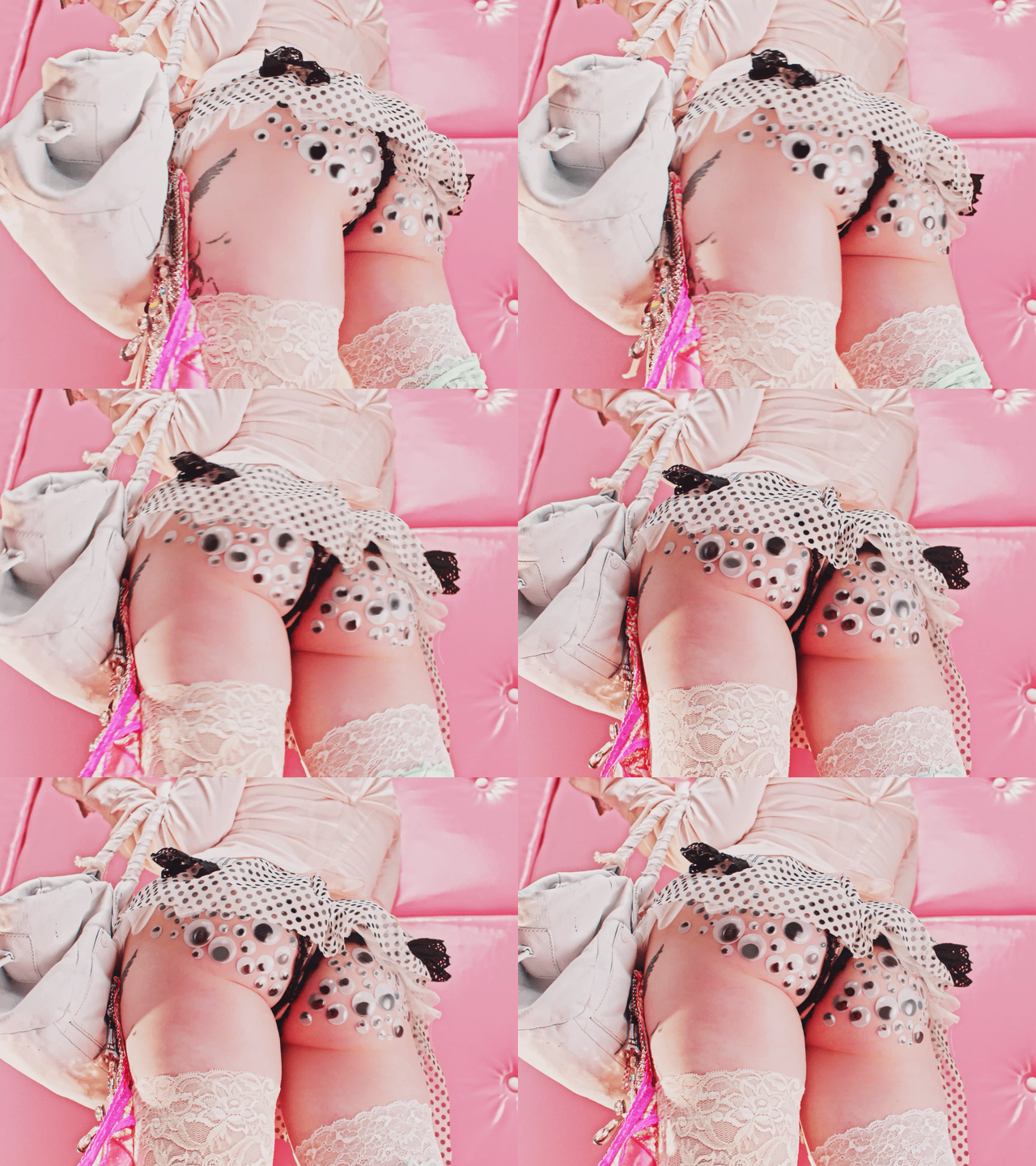
The song’s drop coincides perfectly with the peak of the Labubu craze. Léa’s maximalist style, which uses visual clutter, noise and chaos, fits hand in hand with the song’s metaphors of collectables, keepsakes and trinkets – it’s a match made in heaven. Léa and Ashnikko realised they had the same reference in mind for the video: the large, detailed and picture heavy I Spy wimmelbooks popular in the 90s. “We also have those in France, and it was funny that we both had the same reference for the project without even talking about it beforehand,” says Léa. With images such as Ashnikko’s digitally manipulated head inside of a gumball machine and severed doll parts scattered across tables, the viewer is given a feast of imagery within its sub 2 minutes runtime.
Addicted to “pushing music video ideas through every style”, Léa’s impressive and complete vision encompasses CGI, stop-motion and animation all in the same video, taking that visual maximalism an extra step further. “Here, the real challenge was making sure the styles didn’t feel disconnected, but instead merged together. What really helped was the integration of the trinkets, the stop motion, and the texture work,” says Léa. Like a fashion shoot on an acid trip, Ashnikko’s brand typically weaves her unique costumes into music videos – this time it’s what Léa calls the “rabbit girl”, manipulating Ashnikko’s appearance with cosmetics and digital trickery to accentuate the grotesqueness of her punky, riotous characters. Even if the recent uptick in trinket collecting dies down, Léa and Ashnikko will outlive trends with this ultra-kitsch, fun and weird imprint on alternative pop.
‘ The preceding article may include information circulated by third parties ’
‘ Some details of this article were extracted from the following source www.itsnicethat.com ’