To make foie gras pâté, pipes are shoved down the throats of geese and ducks to force-feed them a diet rich in corn and fat. Their livers swell to as much as 10 times their natural size. The process can continue for up to 21 agonising days.
It is an extraordinarily cruel practice. It’s the reason I do not eat pâté.
It is also, in its own way, not entirely dissimilar to the publicity tour for Christopher Nolan’s new film, The Odyssey.
It’s fair to say there have been loud murmurs around Nolan’s latest epic. Quite loud murmurs, really. Some may even describe them as annoyingly loud.
As carefully selected snippets and images began leaking into the public consciousness, pockets of both the media and the public took great, and what appeared to be deeply personal, umbrage at the film’s casting choices.
There were debates about race, particularly whether the extraordinarily talented Lupita Nyong’o was the right choice to play Helen of Troy. There were debates about gender, this time focused on the casting of Elliot Page as a Greek soldier.
Now, I have not seen the movie, nor do I intend to.


The leading media trade publication in Australia.
Get our top stories straight to your inbox daily by signing up to our Newsletter
No doubt you’re wondering what gives me the right to comment on something I haven’t even seen. Well, when given the opportunity to comment on articles, readers have for years been quick to inform publications that a certain story (any story, really) “isn’t news” without first reading it. On that basis, I think I’m in pretty, pretty, pretty good company.
The real casting conundrum
Nolan’s biggest casting mistake has nothing to do with race or gender. Rather, it has to do with a relatively new phenomenon known as smartphone face.
What is smartphone face? It’s difficult to define, but you know it when you see it.
It describes a certain kind of actor who simply looks too modern. Too contemporary. Too recognisable. Too embedded in the current cultural moment. In a way, they almost are the zeitgeist.
The film’s two biggest stars, Anne Hathaway and Matt Damon, both suffer from it.
They are too famous, too current and too thoroughly woven into the modern celebrity ecosystem for my feeble brain to fully suspend disbelief.
When Damon appears on screen dressed as the ancient Greek hero Odysseus, my brain struggles to engage with the myth.
I don’t see a warrior battling monsters and navigating the wrath of the gods.
Not Odysseus. Matt Damon.
The same Matt Damon who has spent the past quarter-century being Matt Damon in interviews, award shows, viral clips, memes, late-night appearances and countless films. And, of course, Team America: World Police.
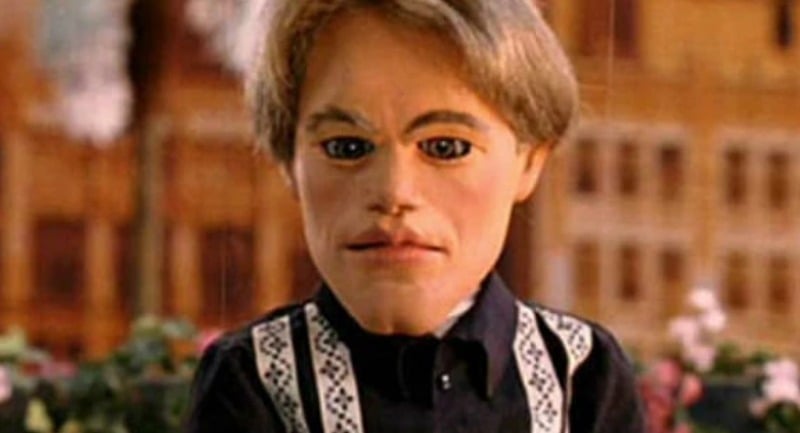
Matt Damon in Team America World Police, in what some would argue was his greatest performance on film.
Likewise, Hathaway doesn’t disappear into antiquity. She remains, well, Anne Hathaway.
And this isn’t necessarily a criticism of either actor. In fact, it may be evidence of their success.
The biggest stars eventually become larger than the characters they play. Their public persona arrives on screen before they do.
When movie stars belonged to the cinema
It’s a curious problem, and one that feels particularly acute in the smartphone era.
For most of Hollywood history, audiences encountered actors in films, on television and in the occasional magazine profile.
Now they appear everywhere.
Interviews. Podcasts. TikToks. Instagram posts. Behind-the-scenes footage. Press tours. “What’s In My Bag?” videos. Vogue‘s 72 Questions.
It is, admittedly, all part of a strange belief that celebrities have something uniquely insightful to say. Very rarely is that the case.
Movie stars once belonged to the cinema. Now they belong to the algorithm.
They arrive on screen carrying years of accumulated digital baggage. Not scandal, necessarily. Just familiarity. Endless, relentless familiarity.
We know what they eat. We know how they decorate their homes. We know their skincare routines. We know what they wore to the Met Gala. We know what they think about a dozen social issues. We know which podcasts they’ve appeared on and which clips went viral.
And, just like those geese, we’re constantly force-fed a carefully curated diet of PR-approved soundbites, behind-the-scenes snippets and “totally random” social media content.
The mystery that once surrounded movie stars has largely evaporated. In its place sits an endless stream of content designed to make them accessible, relatable, likeable and omnipresent.
The result is that some actors no longer feel like people from another world. They feel like people who were on your phone five minutes ago.
And suspending disbelief starts to feel like work.
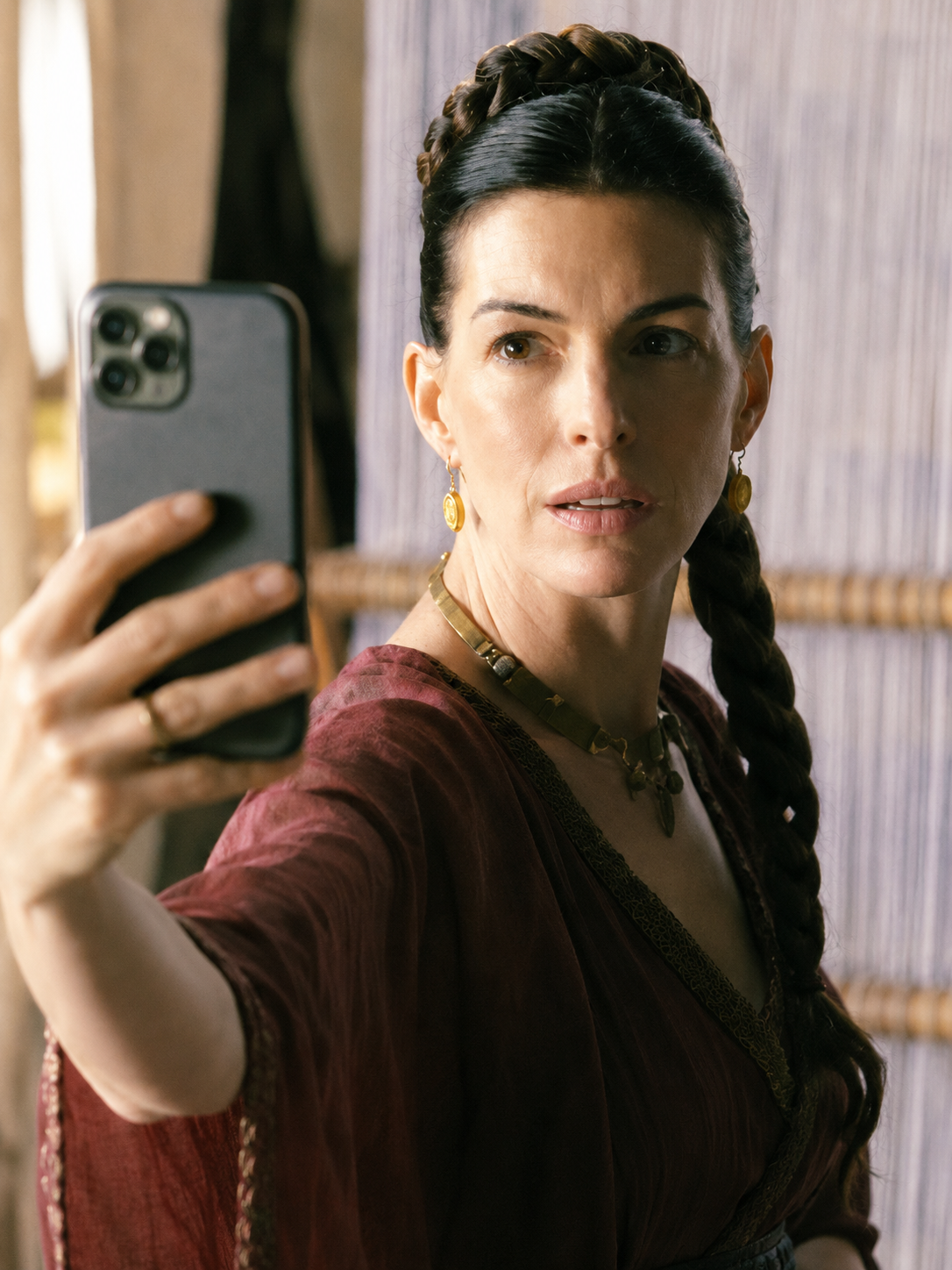
Anne Hathaway. Yes, this is AI.
Nolan could have taken the risk
Which brings me to Nolan.
If there is one director in Hollywood who could have resisted the gravitational pull of celebrity casting, surely it’s him.
Studios cast stars because stars are supposed to reduce risk. A famous face helps secure financing. It reassures nervous executives. It gives marketing departments something easy to sell.
But this is Christopher Nolan.
Truth be told, the man could probably announce a three-hour film about municipal zoning regulations and still convince audiences to buy tickets.
People weren’t turning up for The Odyssey because Damon was in it.
They were turning up because Nolan made it. Nolan was always the drawcard. Which is why The Odyssey feels like a missed opportunity.
This was one of the rare projects where a director of Nolan’s stature could have rolled the dice on unknowns. Real unknowns. Actors without a digital footprint stretching back a decade. Faces not yet flattened by the internet into recognisable content products.
Would it have been riskier? Of course.
But great epics should feel like discoveries.
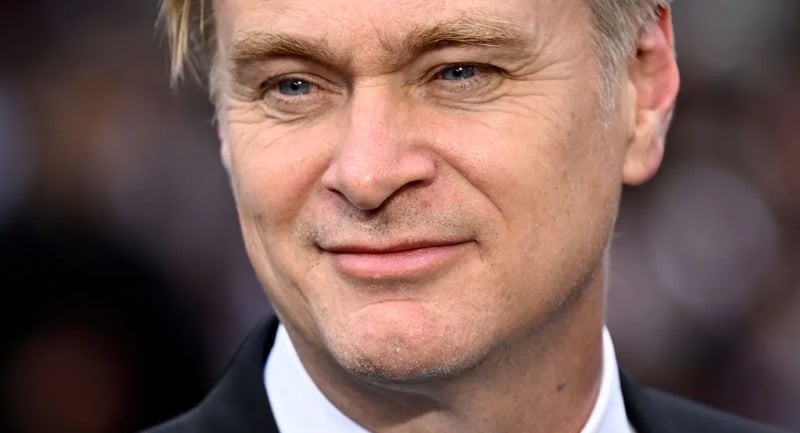
THE Christopher Nolan.
They should introduce us to heroes, not remind us of celebrities.
Imagine watching The Lord of the Rings for the first time if every member of the Fellowship arrived carrying decades of internet baggage. Imagine Aragorn appearing on screen, and your first thought was a viral interview clip.
The spell breaks. And myth relies on the spell.
For a film asking audiences to travel back thousands of years into a world of gods, monsters and legend, the greatest challenge may not be historical accuracy or modern casting debates.
It may simply be convincing us we’re not watching people we’ve already spent years scrolling past.
Then again, what do I know?
I haven’t seen the movie.
‘ The preceding article may include information circulated by third parties ’
‘ Some details of this article were extracted from the following source www.mediaweek.com.au ’



![Forbidden yuri [oc] #art #2danimation #ibispaintx #yuri #artist #artist #oc #digitalart #recommended](https://celebrity.land/en/wp-content/uploads/2026/05/1779197685_maxresdefault-120x86.jpg)