A new report is making the rounds this week, and if you’ve been following the Andrew-Epstein fallout, it probably won’t surprise you…but it should give you pause before you take it at face value.
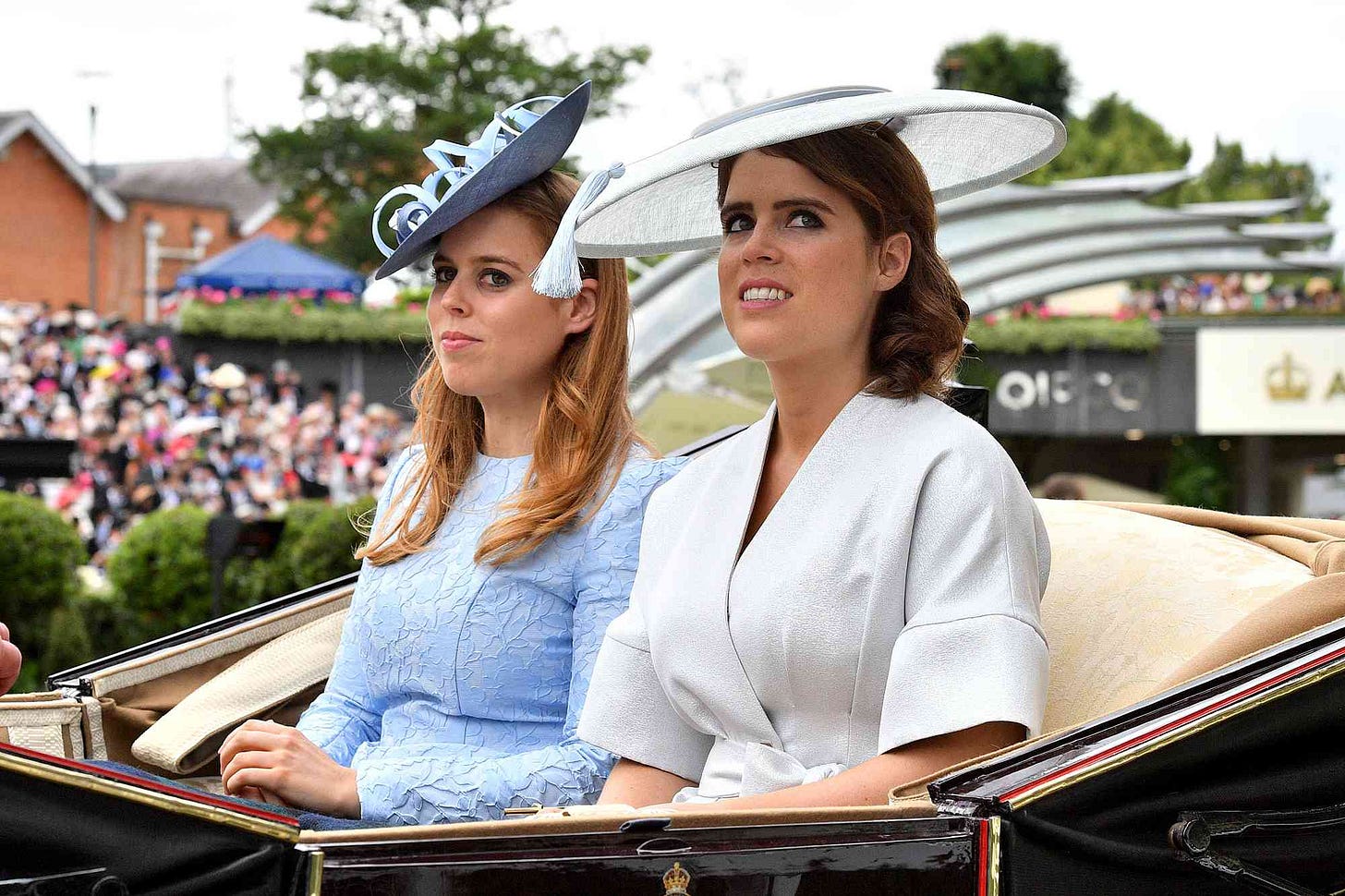
According to a source speaking to the Daily Mail, Princess Beatrice and Princess Eugenie have been told they cannot attend Royal Ascot this June: “I’ve spoken to my friend who works at Ascot, and they said the girls have been told they can’t be there this year. Beatrice has taken it the hardest. She’s been completely blindsided by all of this.”
The Mail on Sunday goes further, “understanding” that this is “part of a wider decision to exclude the Princesses from all public-facing events for the foreseeable future.”
Buckingham Palace declined to comment. Royal Ascot declined to comment. Beatrice and Eugenie have not responded. And PEOPLE notes that decisions around royal attendance at Ascot, including the carriage procession list, rest solely with Buckingham Palace.
So we’re left with one anonymous source, a written chain of “understands,” and a wall of “no-comments.” Let’s think this through.
Before we accept the “Beatrice and Eugenie BANNED” framing, it helps to understand how Royal Ascot actually works. The geography of the event tells a more complicated story.
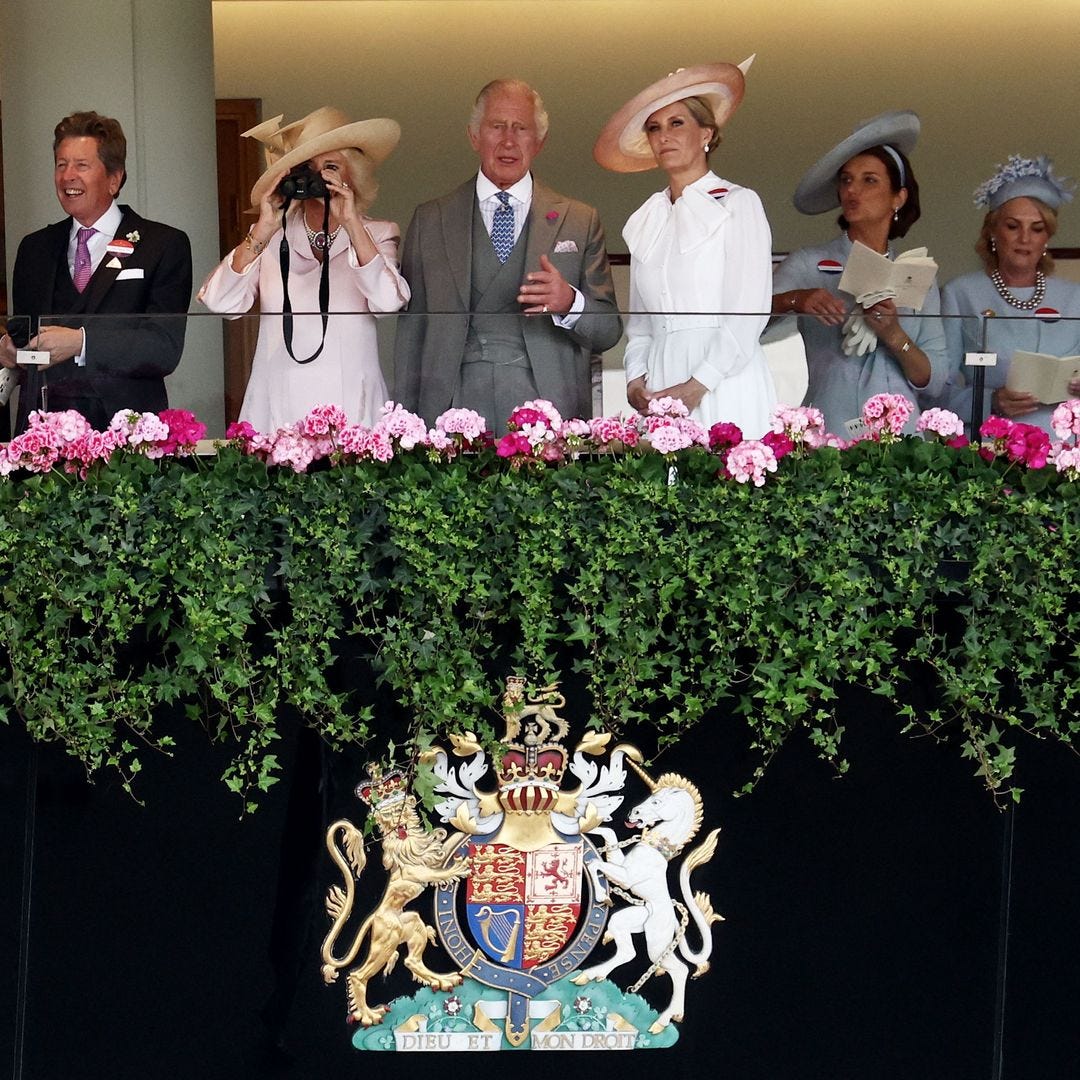
Royal Ascot is open to the public, with several levels of experiences available. High profile attendees can be expected to appear, broadly, in three tiers of presence: the Royal Enclosure (technically “pay-to-enter,” but membership requires sponsorship from two existing members and approval from His Majesty’s Representative), the Royal Box (invitation-only, reserved for children and grandchildren of the monarch and their close associates), and the Carriage Procession (the famous daily parade down the track that all attending royals are typically slotted into).
Now, Beatrice and Eugenie are grandchildren of the late Queen Elizabeth II. They are King Charles’s nieces. The idea that they could be “banned” from the Royal Enclosure or the Royal Box strains credulity. These are spaces the family has discretion over, yes, but barring the King’s own nieces entirely would be an extraordinary and visible act of exclusion. It would, frankly, be a harsh statement.
What is more plausible, and more in keeping with how this family operates, is that they might be attend, but be quietly left off the Carriage Procession list. A conspicuous absence from the carriages would be noticed by anyone paying attention, but it wouldn’t require an explicit “ban.” It could just be… an omission.
And then there’s another possible scenario still: what a source familiar with the event described to me as the girls having “overlapping engagements.” Scheduling conflicts, in other words. The royal way of not showing up, without ever being seen to be told not to show up. It would be far more in keeping with King Charles’s style to give his nieces a graceful off-ramp than to issue any kind of formal exclusion.
But here’s what I think is the more interesting story: how this claim fits in with the contradictory signals the palace has been sending about Beatrice and Eugenie’s standing for the better part of a year. Because when you lay it all out, the picture is genuinely muddled.
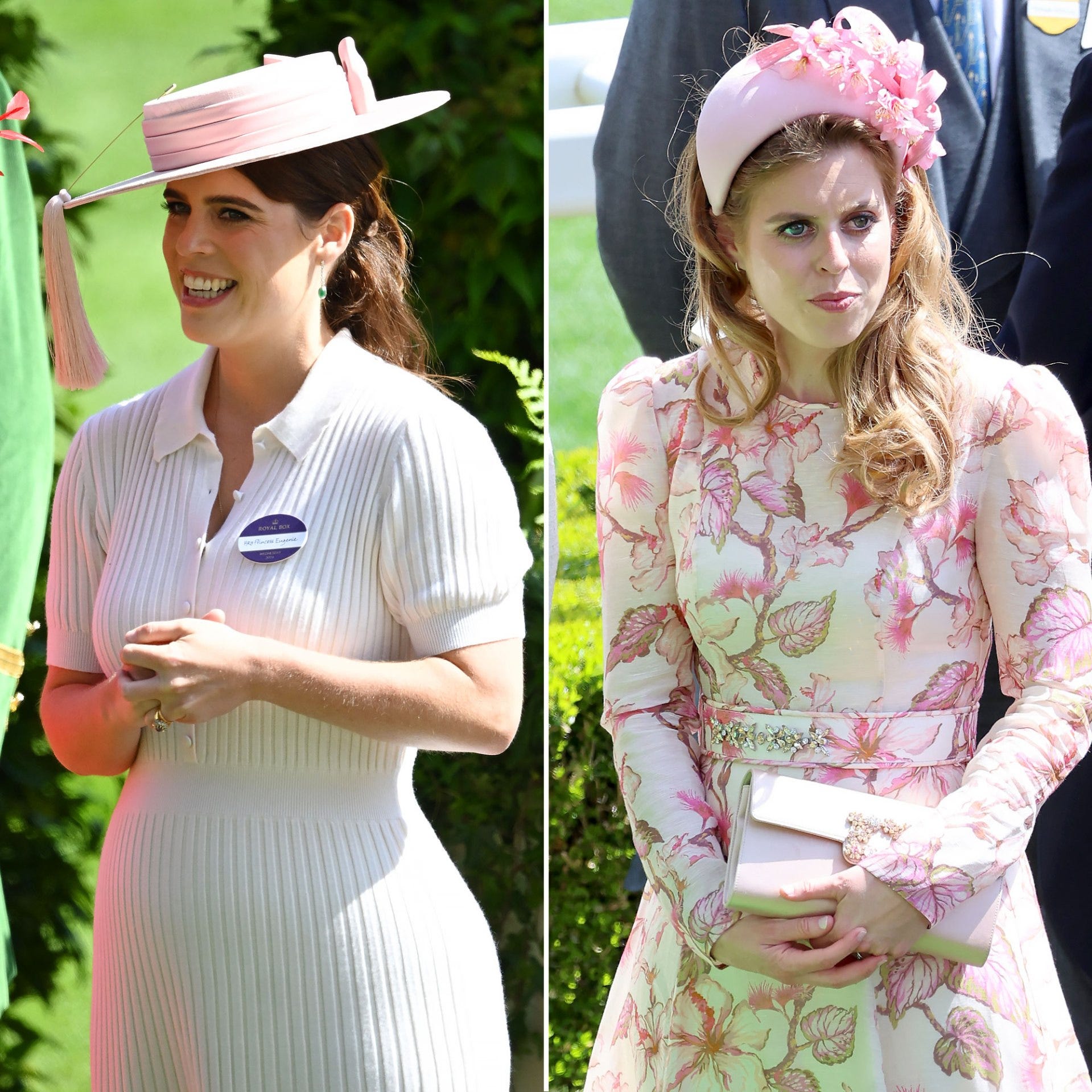
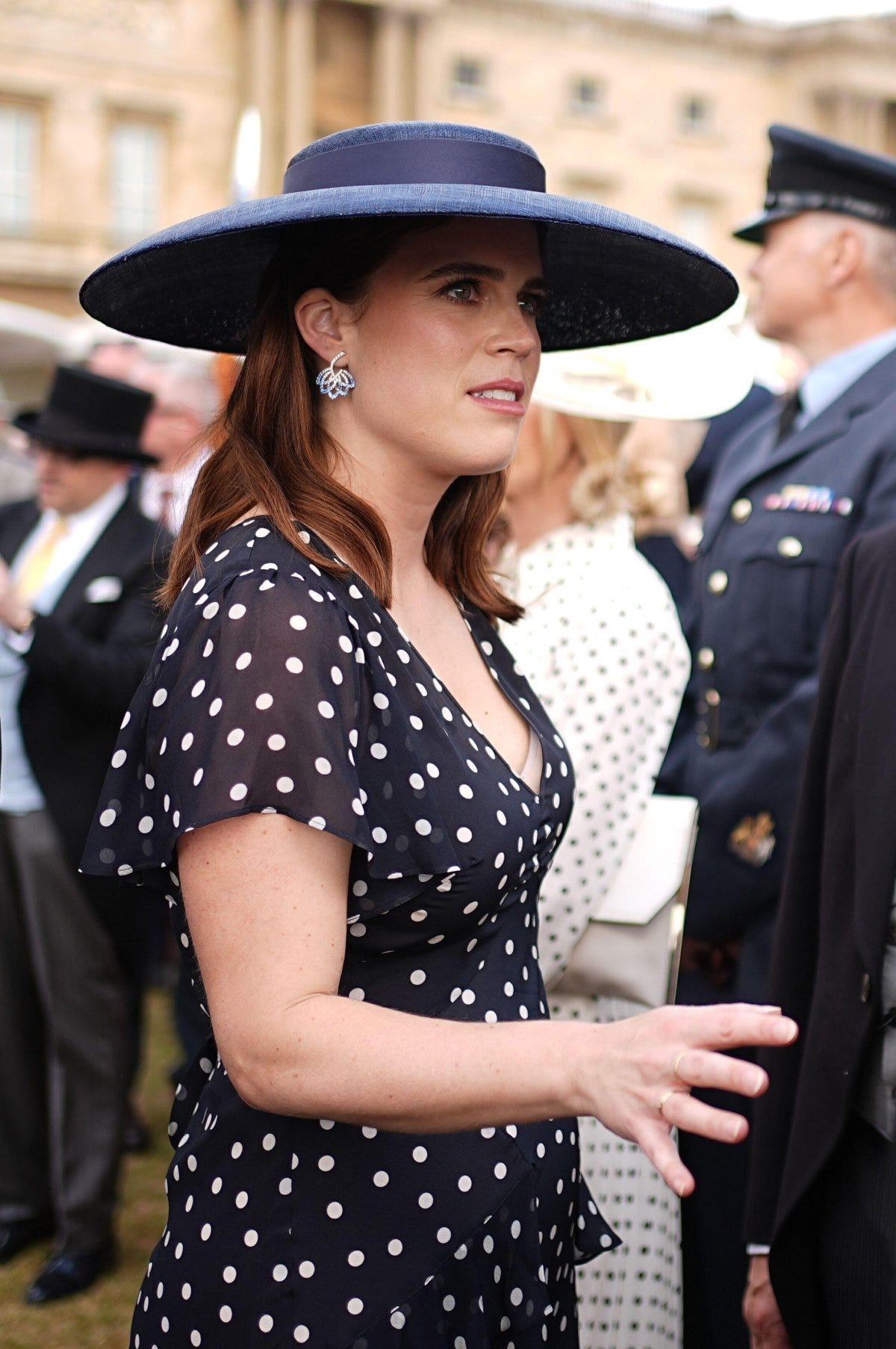
May 2025: Both sisters are very much present on the royal social calendar. Eugenie attends a Buckingham Palace garden party, a tradition stretching back to the Victorian era as a way for the royals to engage with people from all walks of life. The day before, both she and Beatrice are at the Chelsea Flower Show, a spring staple that King Charles endorses personally as Patron of the Royal Horticultural Society. This is not the itinerary of women being sidelined, even as their parents’ ties to Epstein are widely understood even at this point in time.
September 2025: The temperature changes. An apologetic email that Sarah Ferguson wrote to Jeffrey Epstein back in 2011 is revealed, and within days, sources “close to The King” are briefing that Andrew and Fergie will not be welcome at Sandringham for Christmas. Suddenly, Beatrice and Eugenie face what is described as an “awkward choice”: spend the holiday with their parents at Windsor, or leave them behind and join the wider family for frosty walks and camera lenses at Sandringham. Royal author Phil Dampier remarks to The Daily Mail that Prince William “does have a good relationship with his cousins” and wouldn’t want them punished for their parents’ mistakes. That framing— cousins who need protecting from collateral damage—tells you something about where they stood at that moment.
October 2025: Andrew relinquishes his titles on October 17th, and the consensus crystallizes quickly: Beatrice and Eugenie’s titles will be untouched, their positions wholly unaffected. They are not full-time working royals, but they are princesses of the blood. They attend major royal events, they show up at Christmas. This, we are told, will not change.
But then comes the doubling down (the King announces that Andrew will be stripped of his titles) and some counter-briefing. On October 30th, journalist Emily Maitlis claims on a podcast that William put pressure on his cousins—allegedly warning them that their own titles could be reviewed unless they pushed their father to give up his residency at Royal Lodge. PEOPLE was one outlet that pushed back directly and specifically: no such meeting took place, and in any case, stripping Beatrice and Eugenie of their titles would require an Act of Parliament, which is not within William’s power to threaten unilaterally. The palace denied it. But the fact that the tip was circulating at all (and that cameras and a BBC helicopter were already on scene at Royal Lodge that night, suggesting something had been expected to happen) might be its own kind of signal. Something was in motion, even if Maitlis’s specific claim about the sisters didn’t hold.
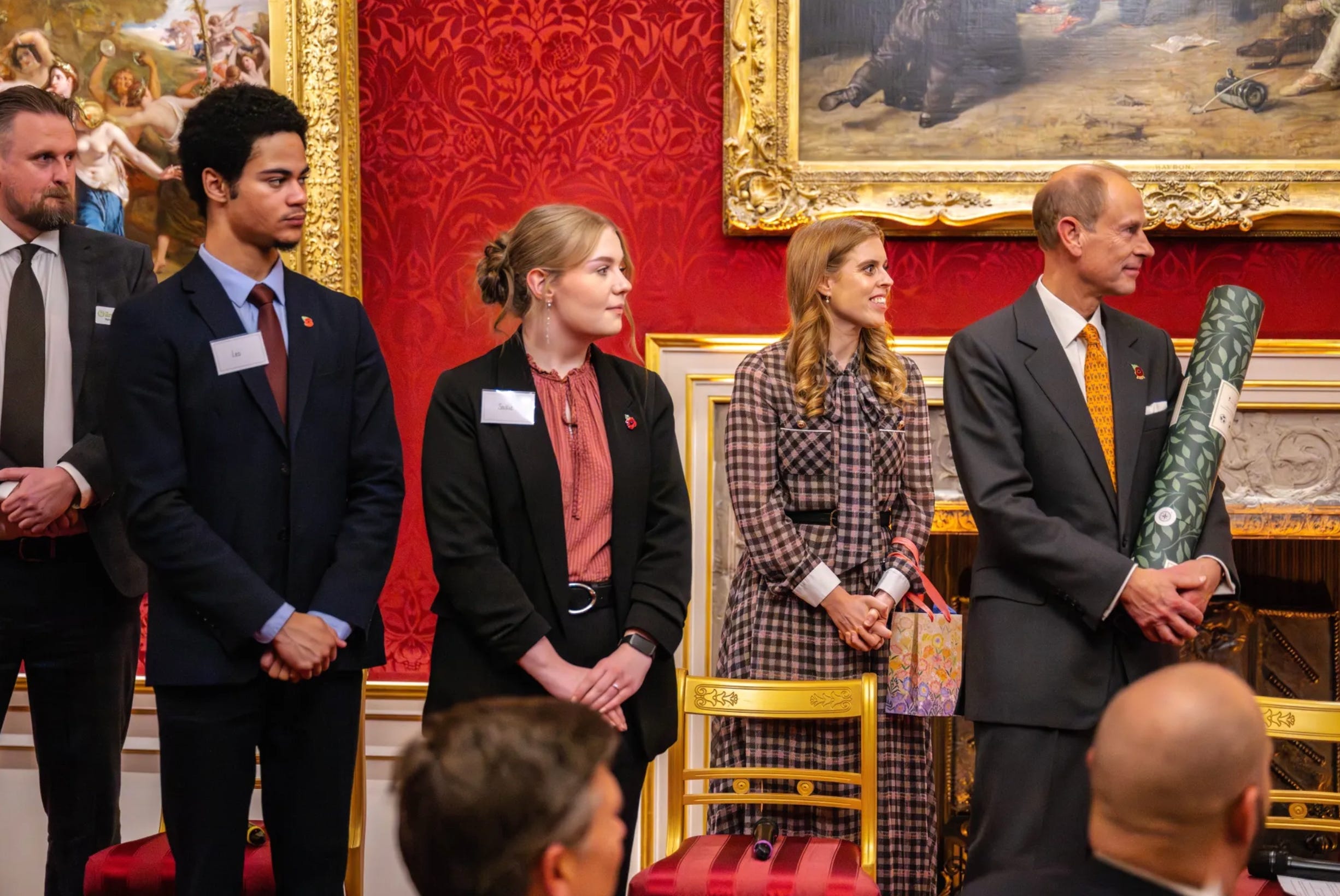
November 7, 2025: Princess Beatrice makes an appearance as the new Deputy Patron of Outward Bound, a U.K.-based charity that helps children of all backgrounds grow through exposure to nature and outdoor adventures. Her uncle, Prince Edward, appeared alongside her as the new Royal Patron of the nonprofit, sparking conversation about an institutional show of support for the York sisters so soon after their father’s fall from grace.
December 5, 2025: The sisters are absent from Kate’s annual Christmas carol service, an event they’ve attended in prior years. The explanation given is that they were invited in early autumn, but had other commitments. (Scheduling conflict. There’s that phrase again.)
December 16, 2025: Beatrice and Eugenie publicly attend the royals’ Christmas lunch at Buckingham Palace…but without their parents. Andrew was photographed riding a horse in Windsor Park, 22 miles away, on the same day.
December 25, 2025: The sisters, to everyone’s surprise, join the Sandringham church walk. Their father (now known simply as Andrew Mountbatten-Windsor, stripped of his HRH) and mother are kept away entirely. Beatrice and Eugenie’s decision to make the walk is explicitly characterized as a visible show of alignment with—and from—the wider royal family.
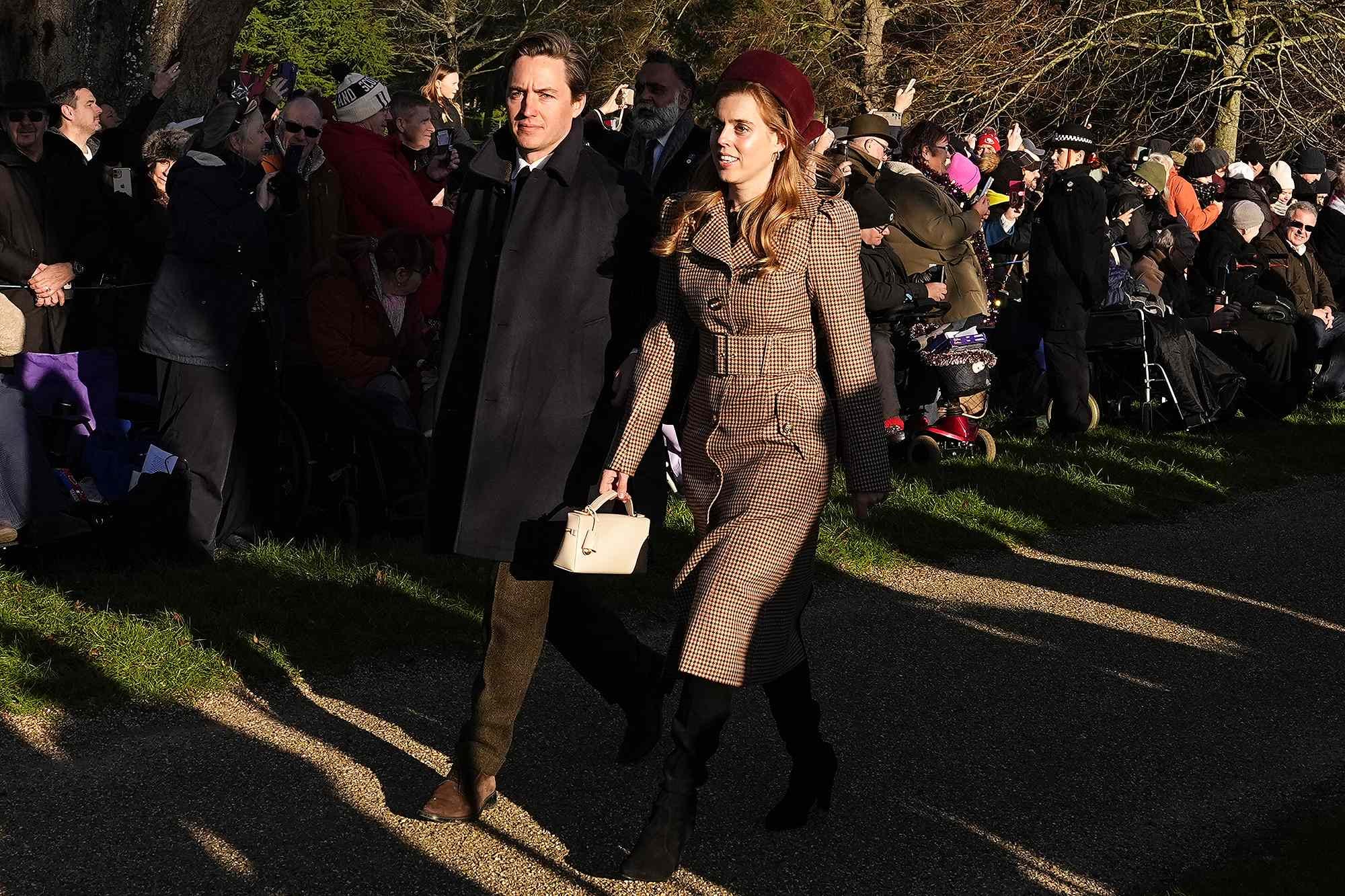
Reading the pattern, what emerges is less a coherent strategy or desire to ostracize the York sisters, and more the push-and-pull of a family navigating an unprecedented situation in real time. The palace has been sending mixed signals about Beatrice and Eugenie for months, sometimes including them, sometimes explaining away their absences, sometimes floating trial balloons (like the Maitlis story) that get quickly batted down.
There’s a version of this story where King Charles is the architect of his nieces’ gradual exclusion. And there’s another version where Charles keeps trying to protect them, and it’s actually Prince William who keeps pushing back.
The Daily Beast’s Tom Sykes argues it’s the latter. According to Sykes, who often quotes “friends of Prince William” in his writing, the Prince of Wales has long urged his father to cut the York family completely out of royal life and has despaired at what he saw as Charles’s half-measures on Andrew and Fergie. Now that the King has finally acted decisively against Andrew, William’s concern (again, per Sykes’ sources) is that Charles is repeating the same pattern with the daughters: too soft, too slow, too unwilling to make the clean break.
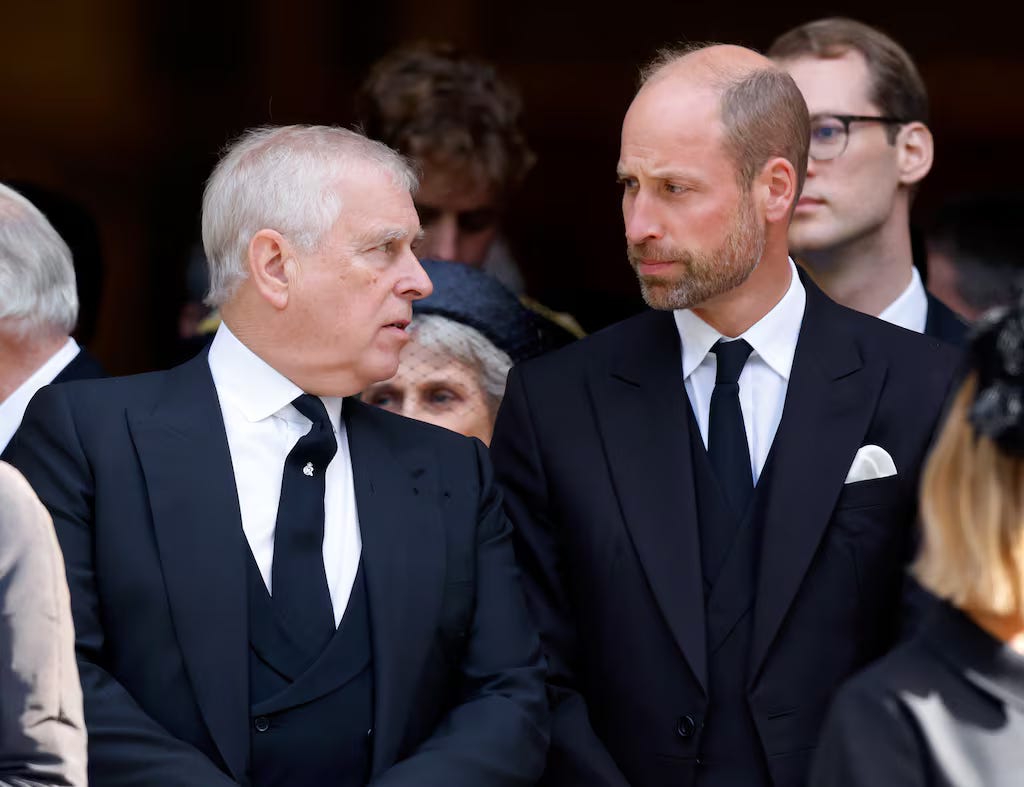
There is evidence for Charles’s protective instinct toward Beatrice and Eugenie specifically. The clearest example was Princess Beatrice being appointed Deputy Patron of the Outward Bound Trust, a charity with deep associations with the late Prince Philip, just days after her father’s titles were removed. The timing was notable. It read like a pointed message: whatever happens to Andrew, the king’s nieces are not being written off.
So with Ascot—often framed as a marker of who is “in” royal favor and who is “out”—the question of who made the hypothetical call for Beatrice and Eugenie’s exclusion matters enormously. Is this Charles reluctantly conceding ground to William’s pressure? Or William acting unilaterally in ways the palace then has to manage? The briefing wars of the past year suggest it may be both, at different moments.
What has shifted since last autumn is the bureaucratic backdrop. The latest tranche of Epstein files paints a picture of Beatrice and Eugenie as more materially and socially entwined with Epstein than had been previously understood—crucially, as adults, not children. The sisters have long been able to position themselves as peripheral, as young women caught up in something they didn’t understand. But that defense becomes harder to sustain as the public record of their connections and financial dealings fills in around them.
Older questions about the York sisters’ lifestyle and finances have resurfaced with new urgency. Sykes reports something remarkable: that last year, William and Catherine privately proposed that Beatrice and Eugenie submit their finances to an independent forensic accountant—an audit designed to clear them of any suspicion about how they funded what was described as a “lavish lifestyle” during their young adult years. The offer, per Sykes’s sources, was rejected. The sisters’ position: they had done nothing wrong, and as private individuals with their own careers, their money was their own business.
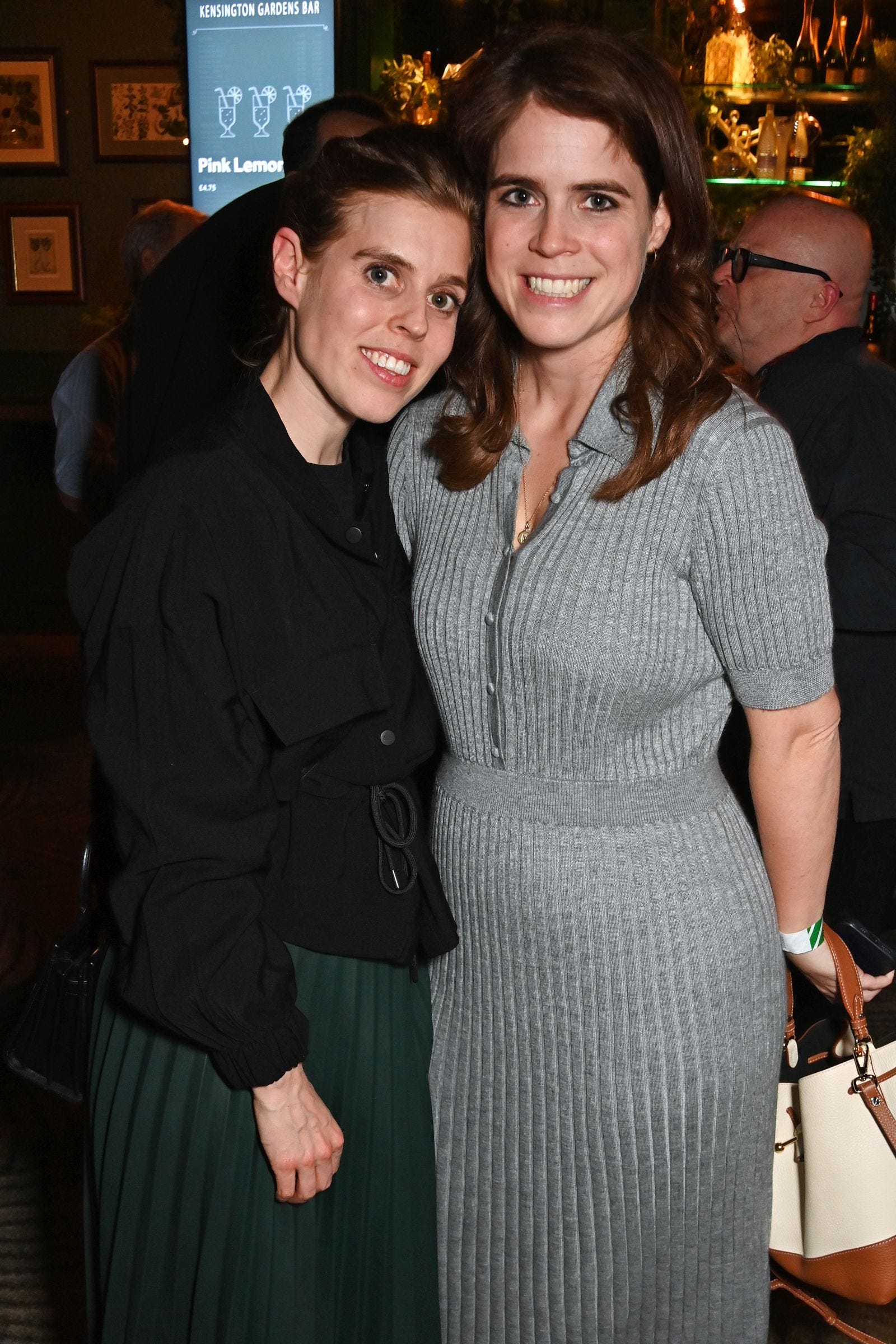
Are we to understand that the continued proximity of these two royals to the wider institution depends this heavily on the goodwill of their cousin, the Prince of Wales? Or does this connect instead to a longer institutional grievance?
More than a decade ago, as part of then-Prince Charles’s drive for a slimmed-down monarchy, Beatrice and Eugenie lost their taxpayer-funded police protection and were formally told they were not working royals. The press at the time highlighted the security costs racked up by their frequent foreign travel and cemented a perception in some royal circles that the York sisters had long enjoyed the privileges of royal life without a clearly defined public obligation to match.
Is that a punishable offense? Being a non-working royal with an active social life is not a crime, or even a scandal in itself. Plenty of extended royal family members have long occupied exactly that space without public floggings. The actionable difference here seems to be the Epstein connection, and that may be now employed in regards to Beatrice and Eugenie only as a means to an end.
What’s being debated, at root, isn’t really whether the Princesses did anything materially wrong. It’s whether they’ve done enough to demonstrate that they haven’t.
The “banned from Ascot” story, with that context, fits neatly into the ongoing institutional chaos. It might be partially true. But “not in the carriage” and “banned from Ascot” are very different things.
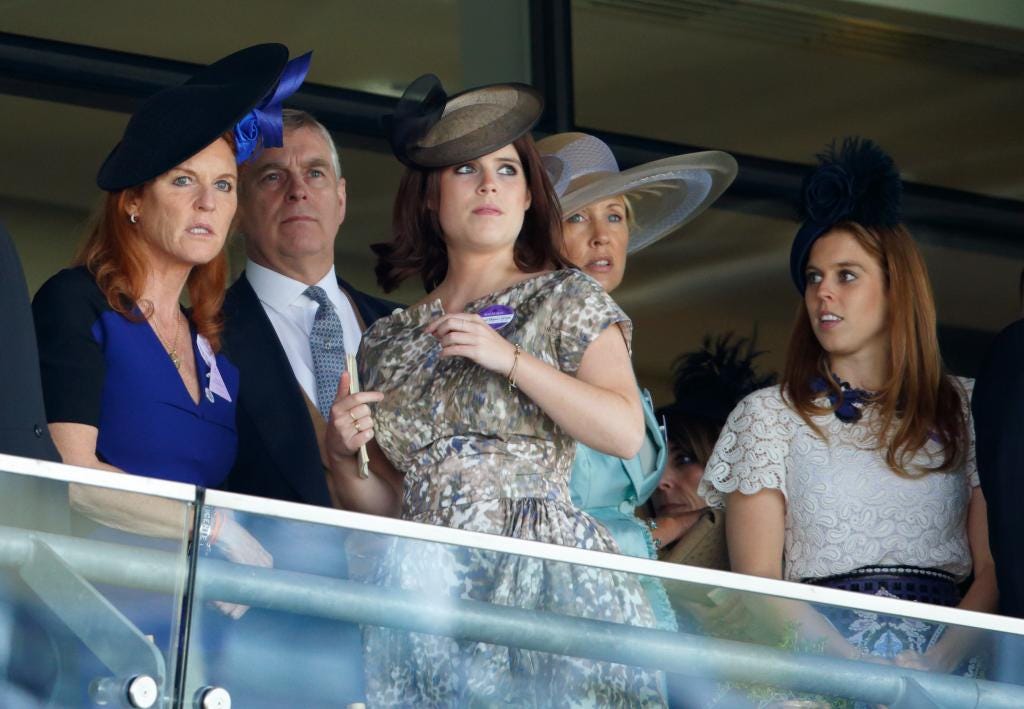
What seems far more likely, given everything we’ve seen and the speed at which new humiliations seem to hit the news cycle regarding this family, is that Beatrice and Eugenie will find themselves with a “prior engagement” that week. As much as they love Royal Ascot, they will not, unfortunately, be otherwise engaged and unable to take part in the carriage procession or wider event.
In this case, there will be no official statement, and no one will need to confirm or deny anything. The press will write about their absence, crediting it to whichever party most forcefully insists on its influence, anyway.
Take this as a lesson in how the Palace manages optics through omission. (Prince William, incidentally, has reportedly advised other royals not to appear in photographs with the princesses “for the rest of the year.”) It seems that “you can’t sit with us” is replacing the old adage of “never complain, never explain.”
What do you think: is the palace handling Beatrice and Eugenie fairly, or are they being made to pay for their parents’ sins? Comment and let me know!
‘ The preceding article may include information circulated by third parties ’
‘ Some details of this article were extracted from the following source mattaoffact.substack.com ’