Fresh controversy linked to Andrew has triggered a parliamentary inquiry into lease arrangements on the Windsor estate, focusing attention on how royal properties are managed, how much is paid for their use, and what this means for public finances.
Parliament’s Public Accounts Committee is set to launch an inquiry later this year following reports that Andrew Mountbatten-Windsor paid only a nominal “peppercorn” rent for Royal Lodge, a 30-room mansion on the Windsor estate, from the time he moved in during 2003.
Andrew vacated the property on Monday after US authorities last week released a new batch of emails detailing his close ties to convicted US sex offender Jeffrey Epstein.
The committee has not yet confirmed the date of the inquiry. In a letter to the Crown Estate, committee chairman Geoffrey Clifton-Brown said MPs were “concerned” about whether the Royal Lodge lease was “achieving the best value for money”.
“Any reduced income … reduces the Crown Estate’s annual surplus and therefore would be a cost to taxpayers,” he wrote, while posing several questions about the arrangements.
King’s action and new residence
King Charles III last year removed his younger brother’s royal titles and honours amid growing public anger over Andrew’s friendship with Epstein.
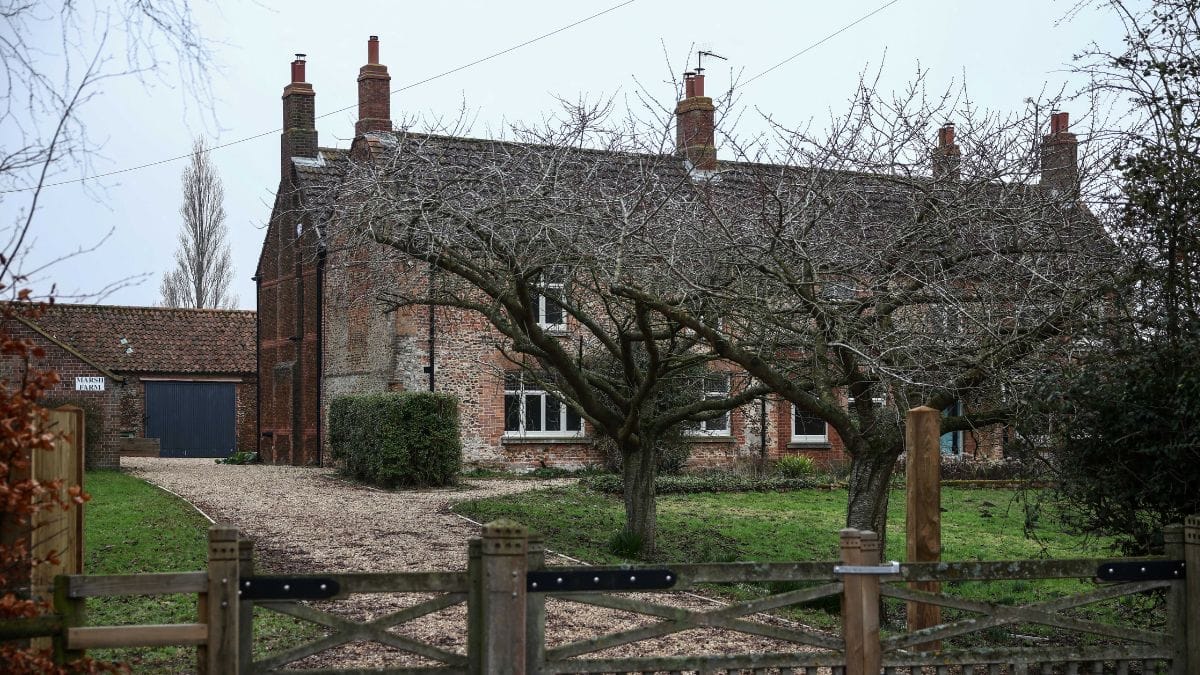
Andrew has since relocated to a property on the Sandringham estate in eastern Norfolk. The estate is privately owned by the king, who is covering his brother’s move, rent, and living expenses.
The Windsor estate is managed by the Crown Estate, an independent commercial property company operating separately from the government and the royal household. It is not the monarch’s private property, and all profits are paid directly into the public purse.
The planned inquiry has highlighted the royal family’s complex financial structures.
“The inquiry marks a shift in the constitutional balance between parliament and the monarchy,” said Francesca Jackson, a PhD researcher specialising in constitutional monarchy at Lancaster University.
“For a long time, the monarchy has escaped scrutiny, but things are changing,” she told AFP.
Norman Baker, a former Liberal Democrat MP, said Andrew’s case had “opened the door” to deeper questioning of the monarchy. His book Royal Mint, National Debt: The Shocking Truth about the Royals looks at what he describes as “the real cost” of the monarchy to taxpayers.
Soaring costs
The Sovereign Grant, the annual public funding for working royals, has risen sharply since 2011, when its calculation was linked to Crown Estate profits.
At present, the
royal family receives 12 per cent of the Crown Estate’s profits from the Treasury.
“The official grant was £7.9 million a year in 2011. Fourteen years later, it’s £132.1 million. You don’t have to be a Republican to find that sort of increase obscene,” Baker told AFP.
Much of the increase has been driven by a windfall from leasing the UK’s seabeds, owned by the estate, to wind farms. Parliamentary documents indicate the grant is expected to rise further to £137.9 million in 2026-2027.
Baker said the trend conflicts with the king’s stated aim of a “slimmed-down monarchy”.
“What he means by that is fewer people on the balcony at Buckingham Palace. Well, so what? We haven’t got slimmed-down costs. The cost is going up relentlessly every year.”
AFP contacted Buckingham Palace for comment, but it declined to respond.
Supporters of the monarchy argue that returns to the Treasury have increased substantially. Crown Estate profits paid to the government rose from about £240 million in 2011-2012 to a record £1.1 billion in 2024-2025. Government figures show the estate has contributed £5 billion to the Exchequer over the past decade.
“The monarchy is an amazing bargain,” royal commentator Richard Fitzwilliams told AFP. He said cost assessments overlook less tangible elements, including global influence and “soft power”.
Fitzwilliams pointed to the king hosting US President Donald Trump at Windsor last year during trade negotiations as an illustration of that influence.
Tax questions
Baker also cited royal tax exemptions as further evidence of limited financial transparency. These include inheritance tax, as well as corporate and capital gains tax, on the Duchies of Cornwall and Lancaster. The private estates generate income for both the king and the heir to the throne, Prince William.
Both pay income tax on duchy revenues, but the amounts are not disclosed, although Charles revealed how much tax he paid when he was heir.
“In the end Britons are in the dark about the true cost of their monarchy,” Baker said.
End of Article
‘ The preceding article may include information circulated by third parties ’
‘ Some details of this article were extracted from the following source www.firstpost.com ’