As university enrollment declines nationwide, University of Tennessee administrators boast sturdy enrollment numbers for the fall 2026 semester.
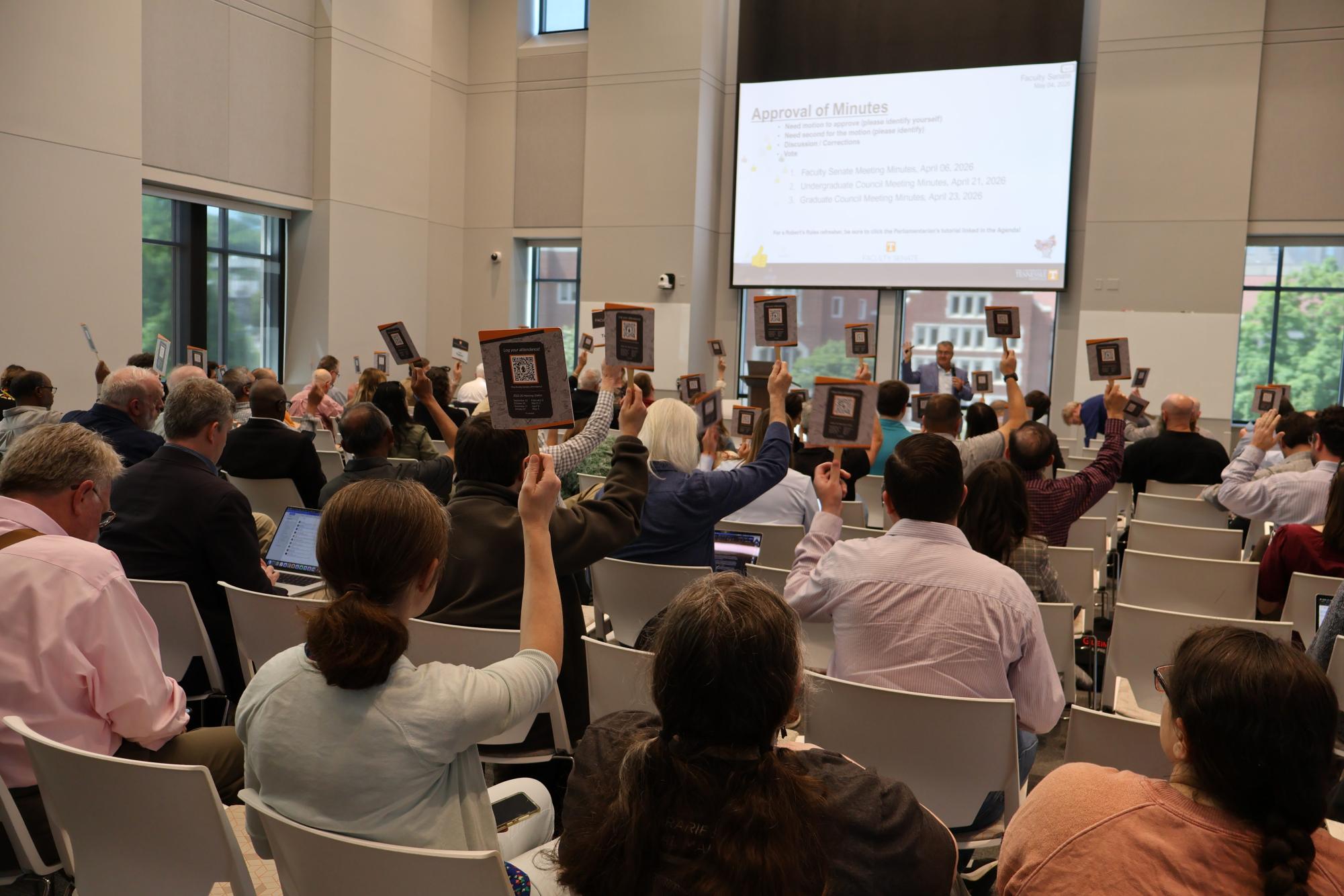
UT Provost John Zomchick provided an overview of the university’s fall 2026 enrollment at Monday’s faculty senate meeting, days after UT’s first-year student enrollment confirmation deadline.
“I’m happy to announce that we have had a very strong confirmation response, and we are on target to meet our enrollment goals for fall of 2026,” Zomchick said. “As you know, that’s not the case across the country, so we continue to be a destination of choice.”
UT’s enrollment matched last year’s goal of serving Tennesseans and enrolling in-state students, Zomchick said. He also noted an increase in the number of honors students enrolled.
Large enrollment numbers have brought concern to UT students, faculty and staff who worry about limited parking and steeper housing costs. These concerns spiked after the UT board of trustees approved a $280 million Neyland Entertainment District project Monday.
Questions over the project’s funding have been raised on campus since last week, when Athletics Director Danny White announced plans for construction to commence this summer. UT Chief of Staff Matthew Scoggins clarified that while the campus and UT athletics are contributing in part to the project, the $280 million price tag is attributed to private investment.
“The campus is not subsidizing athletics. The campus is not subsidizing entertainment,” Scoggins said.
Senators asked Scoggins how the university expects to handle parking as the current G10 parking garage is replaced with a new, $83 million garage, which plans indicate will offer 1,316 spaces. According to Scoggins, the university is developing a surface parking lot on Stephenson Drive to accommodate motorists amid the construction.
“We love the G10 parking garage,” Scoggins said. “But we need to be using that area of campus in a more strategic way.”
Scoggins said the project’s timeline depends on when the financing for the developer closes. The G10 parking garage will be demolished first before the entertainment district is built. The hotel will be finished at least a year after the entertainment district is complete, Scoggins said.
“We hope to have the entertainment district finished maybe in fall of 2027,” Scoggins said.
Wrapping up a year of tension and faculty concern across the university, Zomchick thanked senators for their communication and advocacy.
“I am always grateful for your frank willingness to engage in conversation about those really difficult issues,” Zomchick said.
Zomchick reflected on the university’s movement toward embracing artificial intelligence, which he said has been “disruptive” to higher education. University leaders have hosted roundtable discussions for faculty and other stakeholders to discuss the university’s treatment of AI.
“There seems to be a lot of interest in the university coming up with some kind of guidance, some kind of governance structure for AI,” Zomchick said.
Faculty senate President Charles Noble dedicated a portion of the meeting to reflecting on the faculty senate’s activity this year, emphasizing the range of guest speakers who dropped into meetings to talk about anything from academic freedom to athletics.
“I was thinking about what a senate is, and what a faculty senate should be all about,” Noble said. “I think of the faculty senate as a communication conduit for the campus.”
Noble officially passed the role of faculty senate president to President-elect Jud Laughter, who will serve in the position throughout the 2026-27 academic year.
“Being your senate president for this year has been an incredible honor. It’s been an incredible experience,” Noble said. “I’m looking forward to the new team that we’ll have next year.”
‘ The preceding article may include information circulated by third parties ’
‘ Some details of this article were extracted from the following source utdailybeacon.com ’