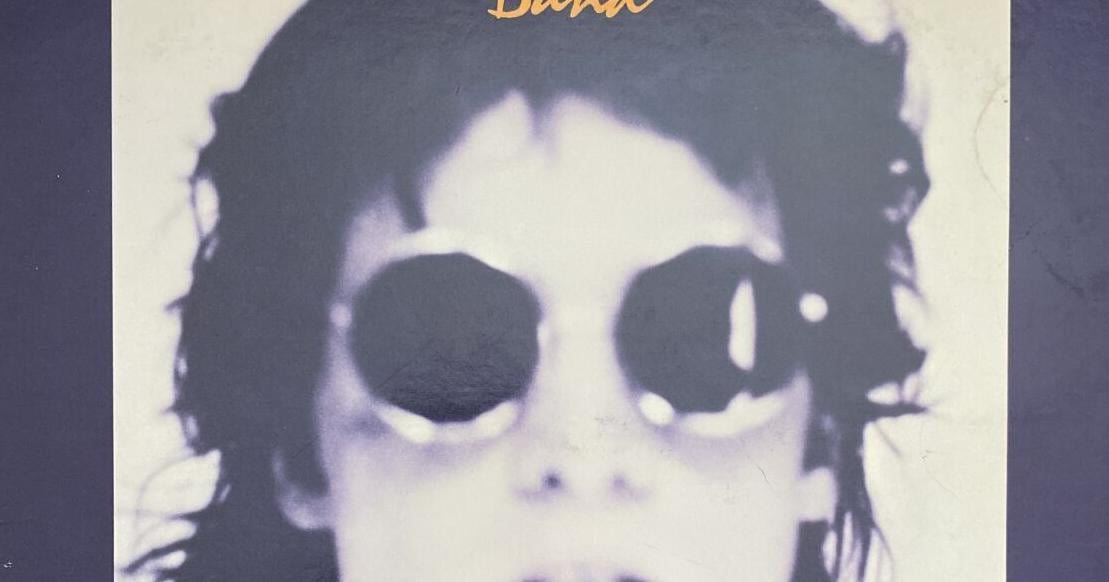
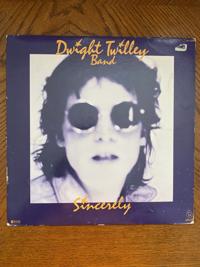
The Dwight Twilley Band’s “Sincerely” flopped in 1976, but is now considered a lost masterpiece of power pop.
Next week marks the 50th anniversary of “Sincerely,” one of the great overlooked records of the 1970s. Why it’s overlooked is a story in itself.
Dwight Twilley and Phil Seymour were two Oklahoma boys who met in 1967 while watching “A Hard Day’s Night” and became fast friends.
Oister, their garage band, became The Dwight Twilley Band after they signed to Leon Russell’s Shelter Records in 1974.
“I’m on Fire,” their first single, was a hit in the summer of 1975. “Sincerely,” their first LP, was finally released a year later. On July 1. Three days before the Bicentennial. It peaked at #138 on the Billboard Top 200.
Leon Russell and his business partner Denny Cordell bear the blame. They had a legal beef between themselves and a mutual one with their distributor, MCA Records. Cordell also shelved their single “Shark (In the Dark)” because he feared the band would be a novelty after “Jaws.”
Twilley and Seymour persevered anyway. Tapes recorded by them in London were scrapped, and the whole album rerecorded by the duo — who played every instrument — back in Tulsa.
What they created was a history of rock ’n’ roll in song. Every tune on “Sincerely” is a tribute to the musicians they loved. “England” sounds like T-Rex, “Sincerely” like John Lennon, “Three Persons” like The Searchers and so on.
That’s nothing new today. Fifty years ago it was unique, and “Sincerely” seamlessly blends American and British styles with Twilley’s stuttering rockabilly twang. “This does smell a little like a museum,” Robert Christgau of The Village Voice noted in his favorable review.
In 1979, the band changed. Twilley moved to Arista. Seymour left for a solo career with Boardwalk Records. Guitarist Bill Pitcock replaced Seymour as backup singer. Susan Cowsill climbed aboard.
Tom Petty, their occasional bassist, declared bankruptcy that same year to escape his own Shelter contract.
It would take Arista three years before they released Twilley’s next record, “Scuba Divers.” They balked after his first single didn’t chart.
“Girls” was Twilley’s second — and final — hit in 1984.
“Sincerely” was no fluke, and Twilley no two-hit wonder. Those first four records, and Seymour’s solo debut, are among the finest power pop ever made.
And those are the tip of the iceberg. He and Seymour recorded hundreds of songs in the ’70s, only a fraction of which ever saw wax, let alone airplay.
Some highlights of those that did:
“Did You See What Happened?,” the Jerry Lee-style B-side of “I’m on Fire” that wasn’t included on “Sincerely”; “Feeling in the Dark,” which was on “Sincerely,” and its bluesy, white boy funk; the moody “That I Remember” and folky “Chance to Get Away” (from 1977’s “Twilley Don’t Mind”).The Byrds-on-speed country rock of “Betsy Sue” and Bowie vibe of “Runaway” (1979’s “Twilley”).Phil Seymour’s Beatles valentine “Precious to Me” and slow-burn cover of “Trying to Get to You” from 1981. The girl-group sound of “Dion Baby” and whimsy of “10,000 American Scuba Divers Dancing” (from “Scuba Divers”).
Twilley was too good for his own good, and his chameleon quality is probably why he had no following to speak of.
After all, how do you market a chameleon? Shelter and Arista didn’t try very hard. Neither did EMI. The British company discontinued the CDs after buying the rights to “Shelter” in the ’90s.
Seymour fared even worse. Boardwalk Records folded in 1982 after owner Neil Bogart died of cancer, again leaving Twilley without a contract.
Phil Seymour died of lymphoma in 1993, Twilley of a stroke in 2023. At the time of their deaths, both had been forgotten.
Ironically, their greatest success has occurred recently. Two years ago Iconoclassic Records rereleased those first albums on CD, minus “Sincerely,” with bonus songs.
They also presented “Live From Agora,” a long-forgotten Cleveland show at the Agora Ballroom from October, 1976. The sound was mixed by their old “Shelter” engineer, and it’s clear as a bell. If you want to know how good they were, listen to that recording.
Or “Sincerely” — if you can find it. The DCC disc from 1989 is long out of print and expensive. So is the 1997 reissue.
The LP is also a collector’s item. It was reissued once in 1980, just before Shelter Records went belly-up.
Dwight Twilley and Phil Seymour were major talents. So was Bill Pitcock, whose three songs for Phil Seymour were some of his record’s best.
They were better than good. They were major figures in American music who were born at the wrong time — a decade too late for bubblegum and a decade too early for postmodern hipsterdom.
They deserved better than they got. And that’s a fact.


Brian Hess
69c3cdabec87b.image.jpg
‘ The preceding article may include information circulated by third parties ’
‘ Some details of this article were extracted from the following source www.daytondailynews.com ’