How is an artist supposed to make their money nowadays? Touring is the usual cash cow, but concert tickets are dwindling slightly. Merch doesn’t rake in the big bucks in the same way. Long gone are the days when people would actually pay for the music they claim to love. The music industry just doesn’t have money like that anymore. As a result, the artist has switched roles with big corporations, trying to sell their latest records for brand sponsorships.
It’s dreadful to think about, but an artist’s work has essentially become just another portfolio to sell. So stars are selling their masters outright to collect a single lump sum of cash. It’s morbid to think how little ownership over your work matters, but unfortunately it works out for both sides. An artist wants a little more than passive income. These media conglomerates and trust-fund companies exist solely to capitalize on consolidated assets. Owning an artist’s songs to chuck in an ad without having to deal with the hassle of the artist is golden.
Back in 2022, Billboard reported that Future sold the publishing for 612 songs from 2004 to 2020 to Influence Media Partners, an investment group backed by BlackRock and Warner Music Group. He netted around $65-$75 million, all while maintaining masters for future recordings.
I can’t say if it’s worth it for Future to sell his art to the evil AI surveillance conglomerate. But I do know he is a hustler at heart. So I suspect he’ll keep churning out records for the foreseeable future so he can amass paydays for a decade’s worth of work.
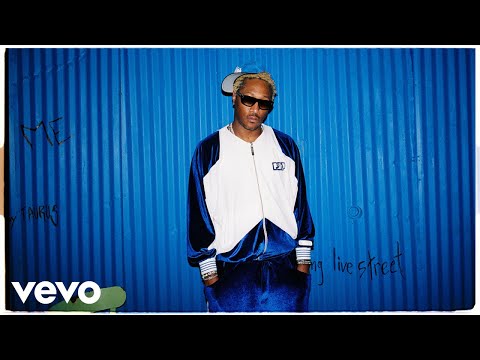
Future Puts up a Muddled Mess of An Album with ‘The Real Me’
I couldn’t help but think about this reality when listening to Future’s bizarre, unfocused The Real Me. Combing through the album felt extremely impersonal, lacking the soul bursting through trap beats. We know Future to be prolific with his recordings, so I wouldn’t doubt if he had a good bulk of these songs kicking around in the vault. If he is making albums to sell for a lump sum later, why let your assets collect dust in a hard drive somewhere when you can just chuck ‘em on an album?
Much of The Real Me is Future coloring within the lines, utilizing a lot of the same burnt, rubbery 808s throughout the records. It’s evident that he’s running out of ways to rhyme about smashing women overseas in a cool way and not just an ‘I’m cripplingly lonely’ kind of way (I prefer the latter from him, feels a little more honest). When Future declares, “This not for the radio”, he doesn’t even sound like he believes it.
However, caught amidst all the stream-padding, there are still compelling ideas happening. Not all of it makes for great songs, though. As much as people have meme’d “2018” to death, it at least captures the attention. Future tries his hand at pop stardom again with the strange, possibly AI-accented “Alice” or the shameless Weeknd impression on “Hollywood”. There are naked ballads like “Cast a Spell” and “Feeling I Give” where he’s drowning under the sorrow he suppresses with Ketamine highs. “If I Could” and “Eye to Eye” are rare soulful moments on an album that can feel startlingly vacant.
I’m not sure how much these moments matter. Unless Future has a hit or the album does well, it’s likely to be sold again. The Real Me exposed a truth I’ve admittedly avoided thinking about over the years: the legacy probably doesn’t matter as much as the payout. What good are classics if they don’t sell? Does it matter if you’re a legend without endless luxury? The music industry has turned art into mere utility— how much can I knock the artist for capitalizing on their assets?
I think often about art that reflects our current moment. The most unfortunate thought is that maybe this is it. The cynical and the soulless might actually be the most accurate reflection of our time. Artists who shrug about the state of the world but willfully accept their role. We have an algorithm to attend to and a portfolio to build. So we’ll allow ourselves brief excerpts to express our souls. But eventually, we’re withdrawing back into the role of an entrepreneur selling “culture” and “creativity.”
‘ The preceding article may include information circulated by third parties ’
‘ Some details of this article were extracted from the following source www.vice.com ’