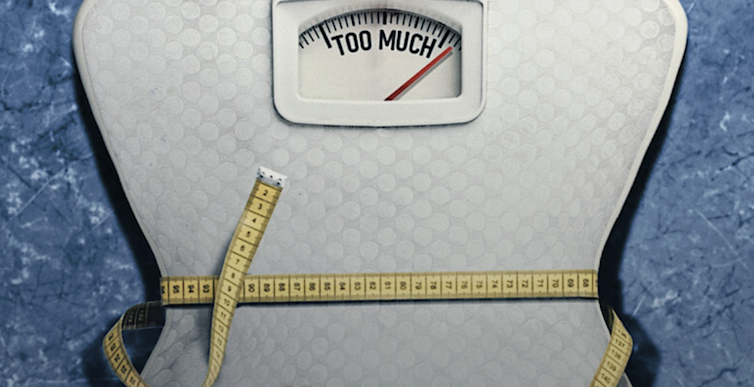
The Netflix documentary Fit for TV: The Reality of the Biggest Loser raises questions around the ethics of one the most popular US reallity TV series of the 2000s. From claims about the cruel treatment of its contestants and its callous endorsement of “fatphobic” narratives, the series sits at odds with feelings around body image and weight in a post body-positivity age.
Recently in the UK reality television shows such as Love Island have been under the spotlight for alleged bullying and misogynistic behaviour. This perhaps shows that a more sustained reckoning is on the horizon for programmes dealing with our bodies, and their long-term effects on the collective psyche.
The idea for The Biggest Loser came to its executive producer David Broome when he spotted a sign posted by an “obese person seeking a trainer” to help them get into shape. The show would eventually see contestants and trainers battling to see who could lose the most body weight through the show’s extreme methods, ultimately winning a prize of US$250,000 (£185,000).
This was a significant amount of money, especially for the time, but the real prize was supposedly the discipline and freedom gained through the process of radical body transformation. As such, the show is rooted in narratives of hard work, determination and ultimately the American dream – you can be anything you want, as long as you work hard enough.
Baiting and exploitation
Despite these seemingly wholesome aims, the documentary points out that the tone of the show was initially unclear. Indeed, its title seems to invite the ridicule of its participants. The first few seasons were presented by a comedian and stacked with challenges seemingly designed to humiliate contestants.
In one episode, the “losers” were asked to build a tower of food with their teeth. In another, they were asked to survive temptation challenges – they could eat as much as they wanted for the chance to see a loved one or go home, but they would still be weighed in at the end of the week.
While these challenges are justified in the documentary by producers as realistic scenarios replicating real-life temptations, commentators such as fat-acceptance activist Aubrey Gordon noted that these tests were based around the presumption that “fat people cannot be trusted around food”. Revelling in the spectacle of failure, such challenges encouraged moralising judgments.
In the temptation challenges, the visual pleasure of excess was clear. Key to such challenges was transforming weight loss into drama – a spectacle people would watch.
Extravagant display was necessary as the show revolved around the potentially slow process of losing weight. Indeed, while diet has been shown to be key for those hoping to reduce their body mass, a programme of extreme exercise was devised. Contestants, often on as little as 800 calories per day, were shown sweating, vomiting and collapsing, cameras shaking to convey the heft of their bodies.
As the seasons progressed, the weight of participants starting The Biggest Loser “journey” went up and, arguably, their ability to work out safely went down, much to the dismay of the show’s medical adviser, Dr Robert Huizenga.
Netflix
On both the original show and the documentary, Huizenga is presented constantly at odds with trainers Bob Harper and Jillian Michaels, whose methods he challenged. In his obvious concern for the contestants, he became a voice of reason in a show that seemed focused on the entertainment value of those taking part.
The magic of TV transformation
The 2000s ushered in a new era of exposure – an abundant culture of images and television shows celebrating the glamorous lives of celebrities. But this was not limited to the the rich and the famous.
Shows like Pop Idol plucked everyday Joes from obscurity and placed them in the spotlight. These shows glamourised the self-help mentality of the American dream. Hard work, self-control and more than a dash of “natural” talent and beauty were all one needed to be propelled into relative superstardom.
Like rough stones turned into shiny gems, members of the public became top models, popstars and even Dallas Cowgirls as if at the click of a finger. This was a process of transformation, often centred on the visual. It was only logical that this be extended to the most extreme kind of bodily transformation that could be recorded. The message in all of these shows was clear: with extreme hard work and determination you too could achieve the body, the celebrity, the popularity or whatever you deserved.

S Bukley / Shutterstock
The Biggest Loser was far from the only series promoting negative stereotypes around people’s bodies on TV at the time. As the virality of body-shaming clips from shows like America’s Next Top Model and 10 Years Younger shows, this was an all-encompassing entertainment culture that villainised gaining even a few pounds.
Today, weight loss is omnipresent once more thanks to the prominence of drugs like Ozempic. In the last two years, we have gone from a broad culture of bodily acceptance to one that seeks to achieve perfection. Celebrities are thinner and look younger than ever, and the abundance of these transformational narratives on social media suggests that we should all aspire to follow suit.
The changing reception of The Biggest Loser – once a very popular programme – revealed in Netflix’s documentary not only shows how influential the media can be in how we see our own bodies, but also reinforces how fickle bodily trends can be.
We can’t know how long it will be until we are told once more to embrace our curves and wrinkles – but you can be sure that it will be visual media that will drive the change.

Looking for something good? Cut through the noise with a carefully curated selection of the latest releases, live events and exhibitions, straight to your inbox every fortnight, on Fridays. Sign up here.
‘ The preceding article may include information circulated by third parties ’
‘ Some details of this article were extracted from the following source theconversation.com ’