When you buy through links on our articles, Future and its syndication partners may earn a commission.

Credit: Derek Bremner
Stephen Fry trying to replicate my vocals was surreal
Jessica Douek
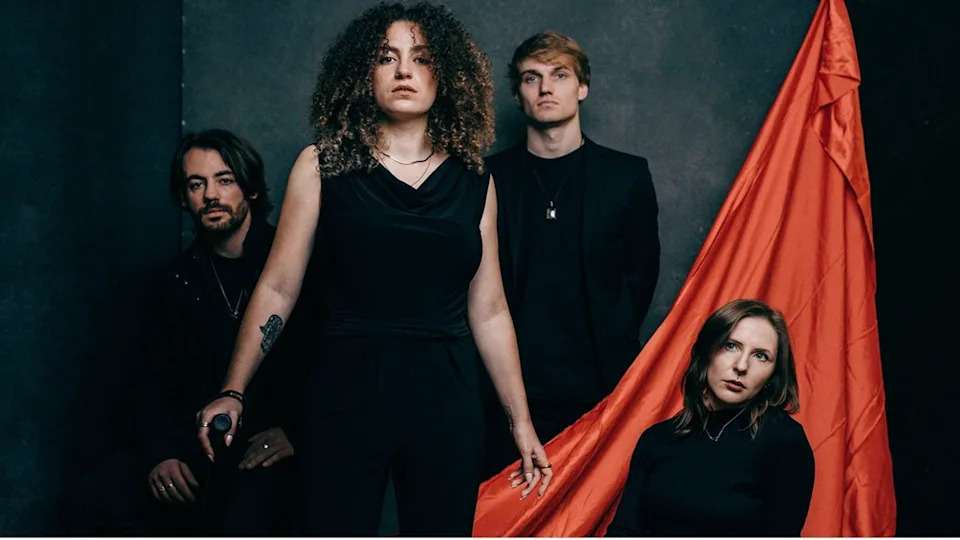
Many musicians dream of hearing their music on national television, and singer Jessica Douek, from up-and-coming alt metallers Mallavora, experienced just that… in a weird way. She provided the vocals for a challenge on reality TV show The Celebrity Traitors, in which contestants had to stick their head in a pond, listen to a ‘banshee scream’, imitate that noise, and then match it to one emitting from a locket hanging from a tree.
“Stephen Fry trying to replicate my vocals was the most surreal thing I have ever witnessed,” Jess gleefully recalls. “Every time they opened those little lockets and these horrific wails came out, it was all me. I did it all at home. I was recording these eight-second clips of the most unhinged vocal sounds possible.”
But it very nearly didn’t happen. “The hilarious thing is, I genuinely thought it was a scam!” Jess admits. “One of the assistant producers DMed us completely out of the blue. I was like, ‘Ha ha! Yeah, of course, no worries. Drop us an email’, and then she whacked an NDA in our inbox. They wanted a wide range of the weirdest vocals I could possibly come up with.”
The end result was spectacular, with national treasure Celia Imrie attempting to mimic one of the ‘death wails’ while the other contestants cowered in fear.
“I traumatised them all,” Jess says, beaming with pride. “Put that on my gravestone. This is it, I’m done now, I’m happy.”
When they’re not busy terrifying celebs, Bristol-based Mallavora have been opening stages at Download and ArcTanGent festivals, and working on their debut album. Safe to say, it’s been a very busy time.
The fruits of their labour, What If Better Never Comes?, is a melting pot of influences: Smile encompasses everything from Middle Eastern-inspired vocals to pig squeals, while Waste is all drop-tuning and cathartic rage that manages to be simultaneously incredibly heavy and catchy. Meanwhile, the nine-minute-long title track offers plenty of epic instrumental work for prog fans.
The title is a nod to the chronic health conditions that Jess and guitarist Larry Sobieraj live with. It condenses the rage, frustration, guilt and longing about the hand they’ve been dealt into song form, with the vocals veering from clean melodies to brutal screaming at the flip of a coin.
“Larry’s got Long Covid, and I also have various chronic illnesses – I’m disabled,” Jess explains. “Our writing process is us using the music to get out what we’re dealing with, really. The ultimate fear for a lot of people who become chronically ill or become suddenly disabled – before you reach that period of acceptance – is the big thing you’re scared to say out loud: ‘What if better never comes? What if this is my life? What do I do then?’ That’s where it started.”
Smile is pure fury at the treatment of disabled people
Jessica Douek
The record is the definition of catharsis, but the band also tackle subjects including politics and trans rights. Jess describes Smile as “the angriest thing we’ve ever put out”, its lyrics tackling how society patronises disabled people while also sidelining them, with frustration boiling over in the chorus: ‘I don’t want your admiration / I am not your inspiration.’
Despite its heaviness, the song was picked up by a clothing company called Unhidden that specialises in making adaptive clothing for disabled people. They asked Mallavora if they could use it for their show at London Fashion Week.
“The song and the music video were playing on loop for that entire evening!” Jess recalls. “Smile is pure fury at the treatment of disabled people, and it felt relevant with the political rhetoric around benefits and disabled people being portrayed as lazy scroungers. Hearing our song on a runway of these incredible disabled models felt like it was a massive protest.”
But while Mallavora are outspoken about disabled rights, they also acknowledge that being so active can be overwhelming, whether you have health issues or not. The way Jess sees it, we’ve got a long way to go in terms of accessibility and making music a viable and healthy career for more people.
“We’re seeing major artists cancelling tours, being burnt out, becoming really unwell, people who wouldn’t identify as being disabled,” she says. “If we don’t start genuinely caring about the wellbeing of the people in the industry – not just artists, but the crew behind the scenes, everyone in the industry, where are we headed?
“It’s not going anywhere good at the moment. Things do need to change, because not only are we excluding disabled people from this world, but it’s making everyone sick.”
Despite the challenges Mallavora have faced, failure was never an option.
“As artists, we are trying to forge a way for ourselves that works in the industry,” Jess says. “There is still an expectation for artists to fit a certain mould and be able to do certain things. We’re not willing to give up, we’re not willing to feel that this life isn’t for us.
“We are determined to do this as disabled people, as neurodivergent people, and if that means we’ve got to carve a path out that maybe we’ve not seen other people do before, we’ll do it. We’re just not willing to accept the concept that disabled people or chronically ill people can’t do this music thing.”
What If Better Never Comes? is out now via Church Road
‘ The preceding article may include information circulated by third parties ’
‘ Some details of this article were extracted from the following source www.yahoo.com ’