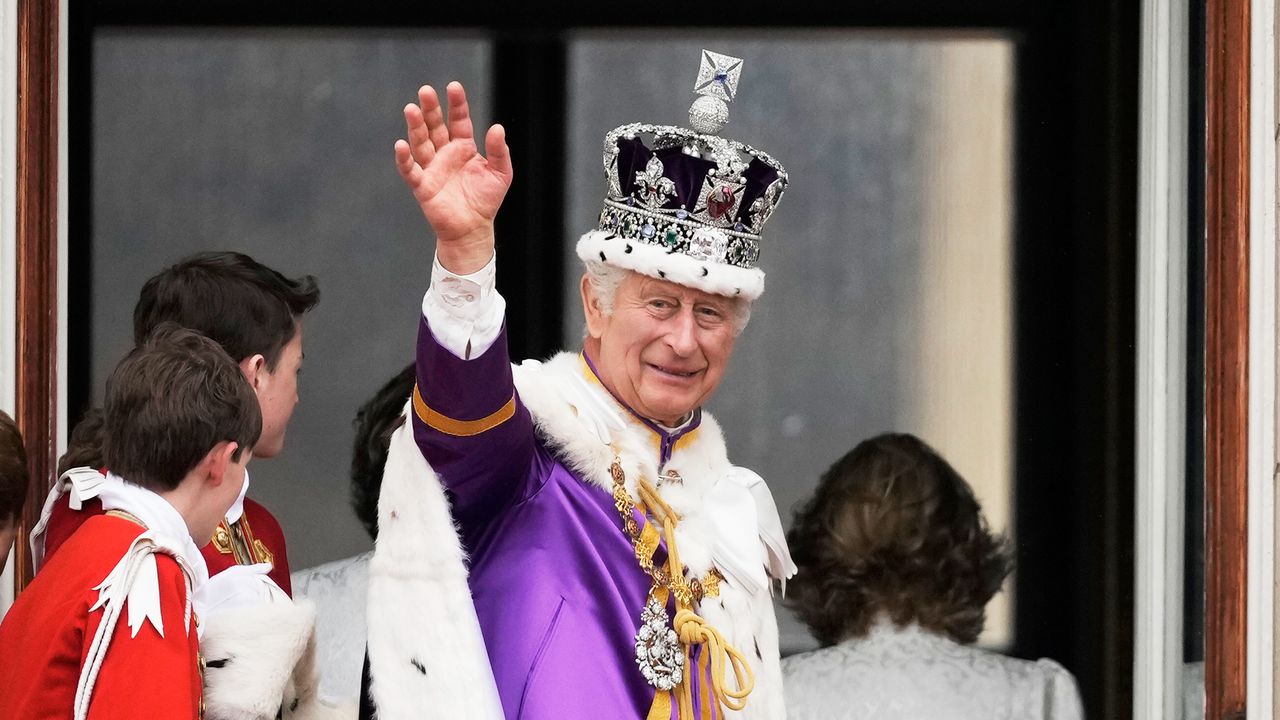
On Thursday, King Charles III will do something unheard of in the nearly 1,000-year history of the British monarchy. On Sunday, Buckingham Palace announced he will be the first monarch ever to share his tax bill—or tax return, as Americans would call it—as a part of the larger annual look into royal finances released every summer.
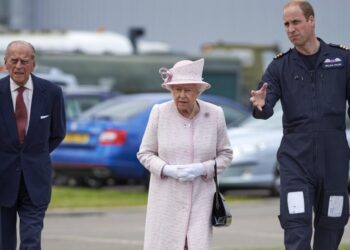
It’s a sign that the current royal family is willing to engage in gestures of transparency an old-school monarch would find undignified, and a continuation of a tradition begun in 1993, when Elizabeth II agreed to pay taxes on her personal income for the first time. The year after Charles succeeded Elizabeth II, the UK Treasury released a policy paper that detailed the updated agreement for how the new king would be paying his taxes. In it, the Treasury said that Charles had agreed to pay income tax, capital gains taxes for sales of his private holdings and investments, and inheritance tax.
Thursday’s release will finally give the public a chance to understand what that agreement really looks like in practice. For more than 30 years, the monarch has agreed to be taxed like a regular citizen; now Charles is going to prove he’s been playing by the rules.
A palace spokesperson told reporters over the weekend that this idea had come from the king himself, noting that Charles always released his own tax details before he ascended to the throne in 2022. “In order to constantly improve, and to encourage wider understanding of our accountability, the royal household has been considering options to enhance this transparency still further,” the spokesperson said, per The Guardian. “To put it simply: We continue to modernize and evolve.”
In most previous eras, this gesture wouldn’t have been possible. For centuries, the UK Treasury effectively functioned as the monarch’s bank; in 1800, the monarch was granted a private financial status, allowing them to own land privately. British kings and queens are legally exempt from filling out reporting forms, but some have voluntarily paid taxes since the 19th century. And though the royal household and the Treasury have updated their relationship since the Victorian era, there is still a layer of secrecy around their finances. By releasing his tax bill, the king is indicating that he’s willing to submit himself to the popular will.
Despite the long list of crises and upheavals that have hit the royals over the last several years—Prince Harry’s dramatic exit from royal life, Queen Elizabeth II’s death, cancer diagnoses for the king and Kate Middleton, and Andrew Mountbatten-Windsor’s Epstein-related defenestration—residents of the UK generally approve of their monarchy’s performance. Many of them even think that the king handled the Andrew situation well enough: In an October 2025 YouGov poll, 79% agreed with Charles’s decision to strip his brother’s princely title, though 58% said they thought the family had dealt with revelations about Andrew “too slowly.”
‘ The preceding article may include information circulated by third parties ’
‘ Some details of this article were extracted from the following source www.vanityfair.com ’