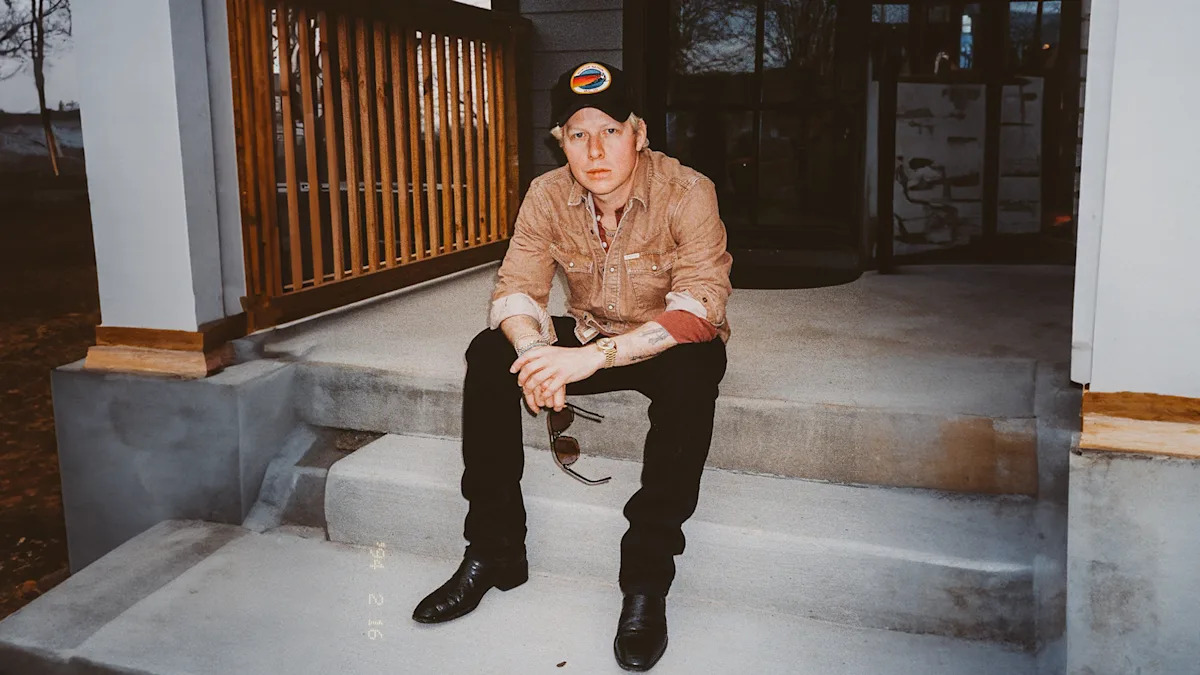
After helping shape Cage the Elephant’s early sound, Parish found a second act in Nashville studios, where he now works with emerging artists as a producer, mixer, and mentor.
For a lot of fans, Lincoln Parish will always be tied to the early years of Cage the Elephant, the loud, unpredictable stretch when the Kentucky band was breaking into the mainstream and building the sound that made people pay attention in the first place.
More from Spin:
Parish was there from the beginning as lead guitarist and one of the key writers behind the band’s first three albums. By the time Melophobia earned a Grammy nomination in 2013, Cage the Elephant had already developed a reputation for restless live shows and guitar-heavy records that didn’t sound overly polished. Not long after that release, Parish stepped away from the band.
What came next was less of a reinvention than a shift in focus.
Even during his touring years, Parish had become increasingly interested in what was happening behind the scenes during recording sessions: how producers shaped performances, how tones were built, why certain records felt alive while others felt flat. The studio side of music gradually pulled more of his attention.
Back in Nashville, he started building a career as a producer and mixer, working with artists across rock and alternative music while developing a sound that leans into live instrumentation rather than heavily processed production. His hybrid studio, TalkBoxRodeo/Talk Box Studios, became the center of that work.
Parish still contributes instrumentation himself when projects need it. Guitars, keyboards, organs, whatever helps finish the record without overcomplicating it.
The years he spent inside a touring band also shaped the way he works with artists now. Parish has talked about the importance of trust in recording environments, especially with younger musicians still figuring out their identity or confidence in the studio. Having already experienced label pressure, touring schedules, and the uncertainty that comes with trying to sustain a music career, he approaches sessions less like an executive producer and more like someone who understands the process firsthand.
That mindset eventually carried into management as well. Alongside business partner Ray Horton, Parish co-founded Middle Finder Management, a company focused on independent acts looking for alternatives to the traditional major-label route.
More than two decades into his music career, Parish still speaks about the work with the same curiosity that first drew him toward production years ago. Awards remain part of the conversation; he has said he’d love to win a Grammy someday, but not necessarily the main objective.
“I’m more than thankful and happy to just get to wake up every day,” Parish says. “My main focus is making the best music I can possibly make.”
SPIN Magazine newsroom and editorial staff were not involved in the creation of this content.
To see our running list of the top 100 greatest rock stars of all time, click here.
‘ The preceding article may include information circulated by third parties ’
‘ Some details of this article were extracted from the following source www.yahoo.com ’