However, he called for more support for smaller venues – for example through a levy collected from bigger venues filtering down to grassroots infrastructure.
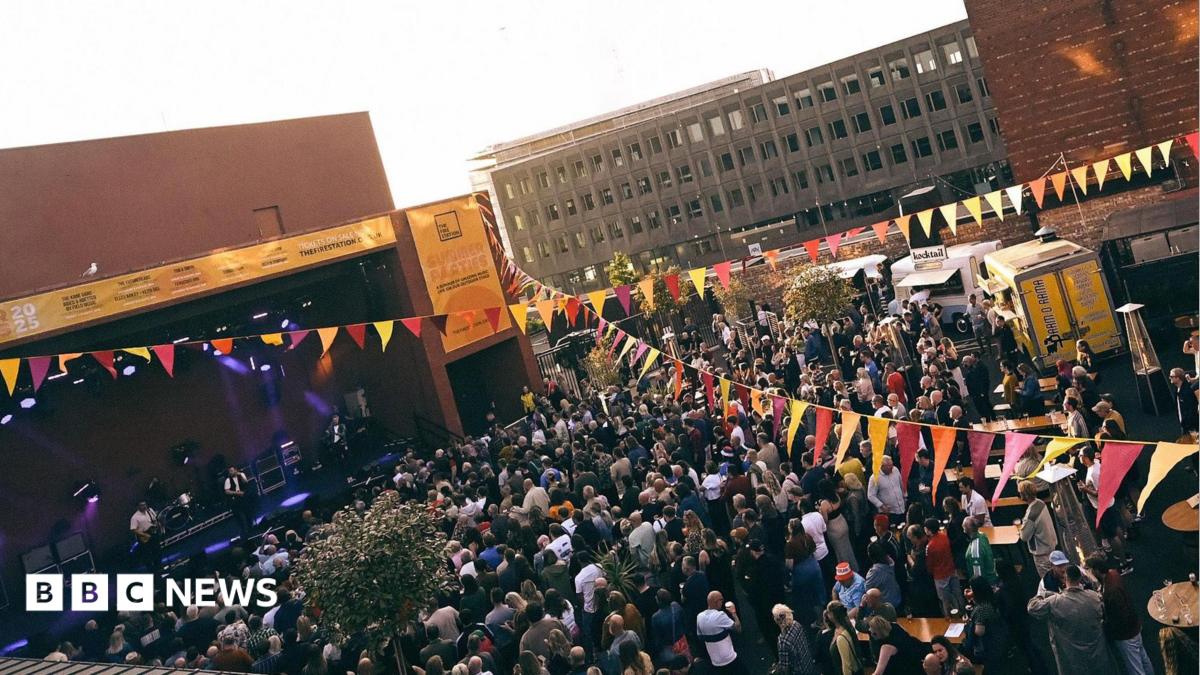
“It would be nice to see that happening in Sunderland and seeing people who might go to a big headline gig or some of the thousands who go to Radio 1 Big Weekend or to Stadium of Light gigs starting to give some local bands and local gigs a chance and going to see some of those,” he added.
“It’s about putting something back into the city, into the talent and supporting these businesses that if they weren’t able to survive, it would have a massive impact on the local economy and the local societies in general.”
Music Cities Network Chair Lex Davidson, from Sydney, said while there could always be more venues and resourcing, it was good to see how music was “threaded through the identity” of Sunderland.
“That is a very strong starting point for any city,” he said.
“Sunderland has really inspired us actually.
“It’s been so incredible to see the strength of community support and the way that people are really backing this idea that you can build a city around music and that music can be that kind of invisible thread that holds communities together and cities together, especially through times of change.”
Follow BBC Sunderland on X, external, Facebook, external, Nextdoor and Instagram, external.
‘ The preceding article may include information circulated by third parties ’
‘ Some details of this article were extracted from the following source www.bbc.co.uk ’