A friend recently returned from a vacation to Sweden and shared photos from his trip, mentioning a word I hadn’t heard before: fika.
Something about the way he used the word on his social media post pulled me in. The word sounded like something I would appreciate.
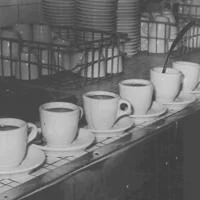
Loosely translated, a fika is a Swedish coffee break.
I don’t drink coffee. I’ve never been to Sweden, but I was right about appreciating the word and what it represents.
I decided to contact my friend Erika Sunnegardh. She’s a Swede, an international opera soprano who made her Metropolitan Opera debut in 2006 — and my go-to source for all things Swedish.
I messaged her and learned she was on a boat off the coast of Portugal. Even so, she took the time to send me a voice message with her take on fika.
She said it’s been around for several hundred years, but the word itself took hold around 1910. Cleverly, the word came about by someone rearranging the letters of the Swedish word for coffee, kaffi. She said that it started as something women did, gathering over coffee to meet and talk. She used the word “lighthearted” to describe its origins.
Eventually, fika became a part of everyday Swedish life.
She emphasized that fika is about much more than coffee.
Logistically, sweet treats are mandatory. They call them fika bread — cinnamon rolls, cardamom buns, pastry or the like.
However, cookies are also a part of fika. She shared a detail that struck me as deeply Swedish.
“Tradition has it you should treat seven different kinds of cookies,” she said. “No less, because then you’re stingy, and no more, because then you’re showing off. Seven is the magic number.”
According to the Visit Sweden website, there are seven specific types of cookies that are the most traditional fika cookies: Brussels cookies, chocolate slices, dream cookies (a type of meringue cookie that melts in the mouth), raspberry caves, oat biscuits, nut biscuits and chessboards (two-tone shortbread cookies).
Sunnegardh told me that morning and afternoon fika are a part of daily life in Swedish workplaces. Work stops. Everybody leaves their desk. Someone may stay to cover the office phones, but fika happens, lasting 10 or 15 minutes — never more than 20. People bring their own treats and their personal phones are down. Tea is permitted for the noncoffee drinkers.
Lemon and chocolate Hubig’s Pies, cut open to show their fillings, make a decadent coffee break snack. Chocolate rejoined the lineup for flavors as the beloved New Orleans hand pie continues its gradual return to the full spectrum of flavors. (Staff photo by Ian McNulty, NOLA.com | The Times-Picayune)
“It simply is what it is,” Erika told me from her boat. “It can’t be degraded or weirded out by any digital thing. I have never heard of anyone skipping fika just because the world has changed.”
I recognized fika from the start.
Not from Sweden, but from Mississippi.
My parents’ home was fika central.
Throughout the day — almost any day — usually mid-morning or mid-afternoon, people knocked on the door and were welcomed in. My mother would put on coffee. Somehow, there was almost always cake.
People sat down and visited, and the day went wherever it went. Now that I think about it, they usually stopped by in the mornings around 10 and in the afternoons around 2, which coincides nicely with the Swedish tradition.
My parents led productive, even busy lives, but I never remember Mom not sitting to visit when guests arrived — and my dad too when he was home.
They didn’t call it fika, of course. They didn’t call it anything. It was just how things were.
Things stayed that way for my parents until my dad died and my mother moved away from our family home to be closer to my youngest brother.
The tradition was not passed to the next generation. Dropping by unannounced is unheard of now. We rarely sit and visit without an agenda. We schedule coffee weeks out.
I do like calling it fika.
Names change things.
What was an interruption becomes a ritual. What felt like lost time becomes the point.
If fika is the word that gets people to put their phones down and sit with each other — really sit, with something sweet nearby and no particular reason to leave — then I am for it.
My mother never needed a word for it. She just opened the door.
‘ The preceding article may include information circulated by third parties ’
‘ Some details of this article were extracted from the following source www.nola.com ’