
See Memphis arts groups marking milestone anniversaries in 2026
Take a look at some of the Memphis’ arts-and-culture programs and attractions that are marking milestone anniversaries in 2026.
- Numerous Memphis arts and culture organizations are celebrating significant anniversaries in 2026.
- The city will also see several new or relocated cultural venues, including the Memphis Art Museum and Metal Museum.
This is a milestone year for Memphis.
Close to two dozen of the city’s arts and culture organizations and institutions celebrate significant anniversaries in 2026.
Even as it recognizes the past, Memphis is looking ahead. Downtown’s Memphis Art Museum — certainly one of the more remarkable additions to the landscape in city history — is just one of several major community gathering places set to debut before the end of the year.
“All these anniversaries and openings are providing opportunities for us to weave this all together and mobilize the whole arts sector,” said Elizabeth Rouse, president and chief executive officer of ArtsMemphis. “This really isn’t so much about all the singular moments but about a movement.”
Memphians aren’t the only ones taking note. The New York Times in January listed Memphis as No. 19 on a list of “52 Places to Go in 2026,” writing that the opening of the Memphis Art Museum, the expansion of the National Civil Rights Museum and other trends signified a “cultural turning point” for the city.
DeMarcus Suggs, who since October 2024 has headed a new city office as Mayor Paul Young’s Director of Creative & Cultural Economy, said the celebration of “hallmark years,” for all the reflection the anniversaries inspire, is an opportunity for action — to “amplify” and “leverage” the missions of local artists and art organizations.
He said his office is charged with “looking at the arts-and-culture ecosystem at large.” After all, “none of this happens in a vacuum” — a new museum or even public community garden, for example, may require new access roads or other types of city infrastructure improvement, in addition to financial or promotional support.
Rouse said ArtsMemphis — which last year distributed $3.5 million in grants to 90 different nonprofits and individual artists — has provided anniversary-year assistance and other types of grants for a number of organizations, including the Hattiloo Theatre and the Metal Museum. The arts, she said, represent “a core driver for Memphis’ identity and future growth.”
Suggs said his office is seeking to innovate “cultural policy” that can make Memphis “safer, stronger, and more equitable through innovation, collaboration, and a commitment to our creative culture.” In other words: “How do we leverage the arts not only for its economic value but for what it does for Memphians — for every Memphian?”
Some organizations have a head start in the search for answers to that question. In fact, some have been thinking about it for more than a century.
So here is a list of some of the significant arts-and-culture programs and attractions that have reason to celebrate this year, listed by milestone anniversary, from quasquicentennial (125th anniversary) to bidecennial (20th). It ends with a look into the future: the year’s newcomers.
ANNIVERSARIES
125th
Overton Park: The land that would be officially designated as Overton Park was purchased by the city on Nov. 14, 1901, as a key component of an overall vision for a 20th century Memphis; the beltway of roads known as “the Parkways” were conceived not long after, to improve access. Originally known as “East Park,” Memphis’ answer to New York’s Central Park was renamed Overton Park by the park commission on July 25, 1902, in recognition of one of the city’s founders, Col. John Overton. Some Memphians had suggested “Robert E. Lee Park,” but The Commercial Appeal editorialized against this and advocated for Overton, writing that Memphis park names should have “local significance.”
120th
Memphis Zoo: With close to a million visitors annually, the city’s most popular attraction (sorry, Graceland) was established by the Park Commission on April 4, 1906 — in part to provide a home for Natch, a black bear that had been chained to an enclosure in Overton Park. “Memphis Will Have a ‘Zoo'” crowed a Feb. 19, 1906, headline in The Commercial Appeal, putting the key word in quotation marks in the text of the story as well as in the headline, because “zoo” at the time was regarded as an informal slang shortening of “zoological park.”
110th
Memphis Brooks Museum of Art (Memphis Art Museum): Founded in Overton Park in 1916 (almost as a sort of companion to the zoo), the city’s most prominent visual arts space relocates to a new and greatly expanded and reimagined museum on the Downtown riverfront in December.
90th
Overton Park Shell: Located alongside the Brooks, the open-air amphitheater where Elvis made his major public debut in 1954 continues to be a vital music venue and community gathering space. The Shell was dedicated on Sept. 13, 1936, with a speech by Mayor Watkins Overton and a performance by the Memphis Symphony Orchestra (a different entity than the current organization).
70th
Opera Memphis: “Here we are, still making music,” says the Opera Memphis website, “because music has the power to transform us, to unite us, and to challenge us to see the world through new eyes.” The organization originally known as the Memphis Opera Theatre made its performance debut on Oct. 9, 1956, with a program appropriately titled “Introduction to Opera” — proving, according to The Commercial Appeal, that “the city is not backward in cultural things.”
WKNO-TV Channel 10: With decades of educational and “cultural” programming including “Masterpiece,” “NOVA,” “Mister Rogers’ Neighborhood” and the original iteration of “Sesame Street,” the local affiliate of the nonprofit and commercial-free “public television” network, PBS, debuted on June 25, 1956. Among its first programs, according to The Commercial Appeal: “Courses in art education, and psychology and Spanish, at the college level,” and a live fairy-tale dramatization, “Just Before Bedtime.”
60th
Memphis Botanic Garden: With its woodlands, “Japanese Garden,” “Dogwood Trail,” event spaces and more, this 96-acre attraction dates in one sense to 1947, when the city purchased land for an East Memphis space to complement Overton Park; in the following years, the space was home to a wide variety of splendid botanical endeavors, but the multiple gardens at Audubon Park — devoted to irises, roses and more — were not formally dedicated as the Memphis Botanic Garden until July 1966, two years after the opening of the central building, originally known as the Goldsmith Civic Garden Center. But although the name is 60 years old, the Botanic Garden dates its founding to 1953, when the Memphis Area Iris Society and other clubs began establishing gardens in Audubon Park; this means that the MBG plans to celebrate its 75th anniversary in 2028.
Memphis Youth Symphony Program: Established by the late maestro Vincent De Frank in 1966 as a program of the (adult) Memphis Symphony Orchestra, the Memphis Youth Symphony has been independent since 2006, providing year-round opportunities for young musicians in many types of musical development.
50th
Dixon Gallery and Gardens: With core collections of Impressionist paintings and European porcelain within 17 acres of flower beds, wooded trails and other types of gardens, the private-home-turned museum at 4339 Park opened on Jan. 25, 1976. Admission was $1; now, it’s free.
Memphis Magazine: The first issue of what initially was called “City of Memphis” magazine launched a half-century ago in April with E.H. “Boss” Crump on the cover; so, naturally, the new issue is devoted to its Golden Anniversary (and, yes, the lead column, by editor Anna Traverse, is headlined “Stay Gold“).
WEVL-FM 89.9: A commercial-free nonprofit radio station almost entirely staffed by volunteers, with programming devoted to many types of music (blues, rock, reggae, jazz, folk, country, Celtic, gospel, ambient, even Hawaiian slack-key guitar), “the Bold WEVL” (pronounced “weevil”) first broadcast 50 years ago in April; now, of course, it’s available online (at wevl.org) as well on the airwaves. The listener-supported station’s latest pledge drive runs April 10-18.
40th
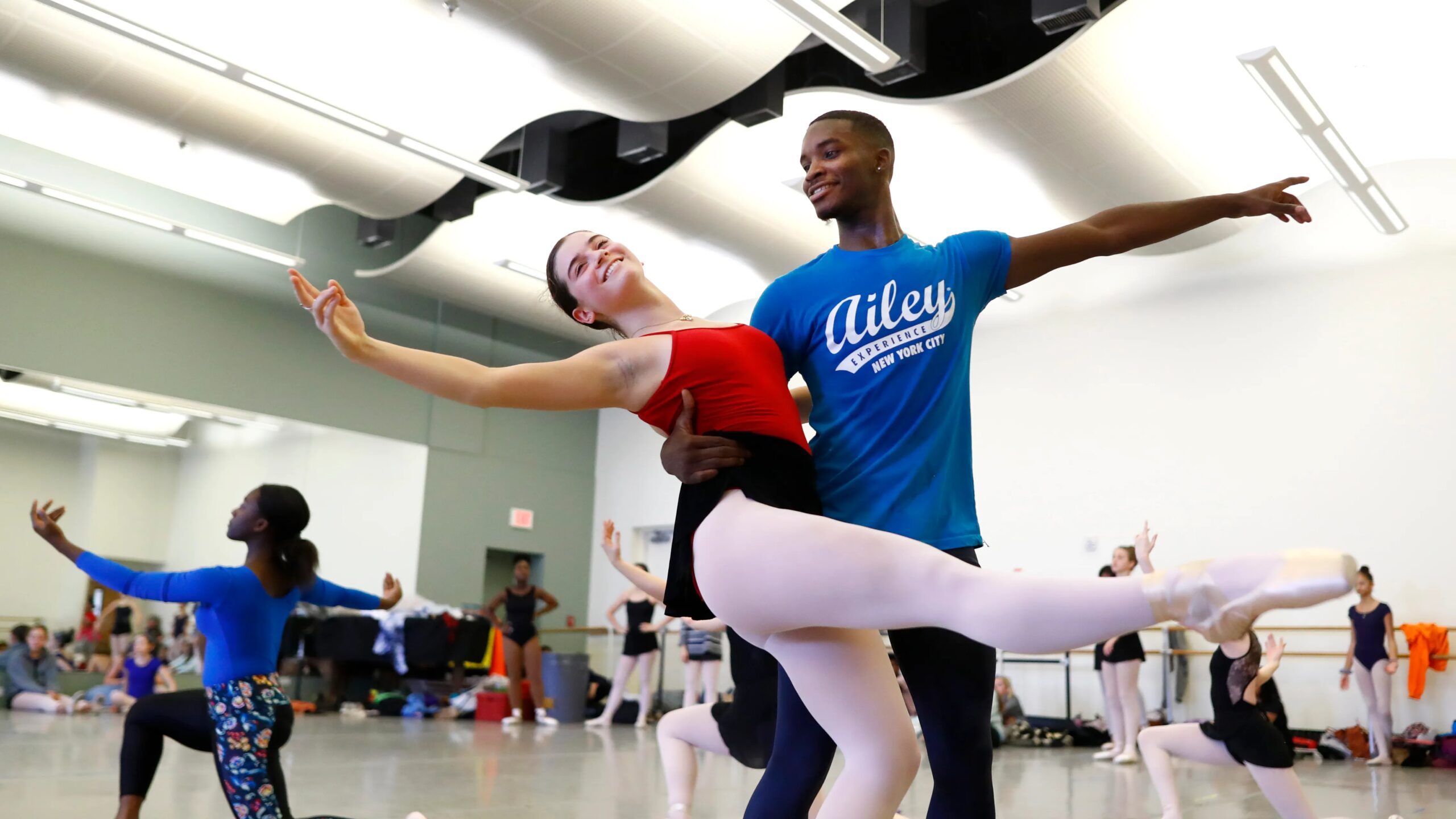
Ballet Memphis: Founded by Dorothy Gunther Pugh and claiming 1986 as its birth year (the current organization evolved from earlier incarnations), Ballet Memphis describes itself as “a ballet company that is reflective of our community and the nation by creating, presenting and teaching ballet in a way that celebrates the human spirit.” Its current production is “Romeo & Juliet,” running April 10-12 at the Germantown Performing Arts Center.
35th
National Civil Rights Museum: Opening to the public on Sept. 28, 1991, the institution built around what the late Jesse Jackson called the “holy ground” of the Lorraine Motel, where Dr. Martin Luther King Jr. was murdered on April 4, 1968, is one of Memphis’ most significant spaces, hosting an annual Freedom Award ceremony that has brought such luminaries as the Dalai Llama and Oprah Winfrey to Memphis, while inspiring numerous other similarly themed museums, from Birmingham to Washington.
Young Actors Guild: This nonprofit dance and theater company intended “to impact youth through the arts” was founded by Chrysti Chandler. Its current home base is the Harriet Performing Arts Center in Orange Mound.
25th
New Ballet Ensemble and School: Founded by Katie Smythe in 2001, the company is perhaps best known for its annual “NutRemix” performances, which incorporate Memphis-style “jookin” into traditional dance styles, and for its commitment to providing dance training for young people from diverse backgrounds.
20th
Hattiloo Theatre: “I want to… do the scripts that aren’t being produced anywhere else,” founder Ekundayo Bandele explained to The Commercial Appeal, when Hattiloo hosted its first shows in June, 2006. Originally located in a small repurposed storefront down the street from Sun Studio on Marshall Avenue, the “only freestanding Black repertory theatre in five surrounding states” (to quote its website) moved to its new 10,600-square-foot facility near Overton Square in 2014.
Mike Curb Institute for Music: Recognized by Billboard as a “Top Business School,” this Rhodes College-based initiative was founded in 2006 “to foster awareness and understanding of the distinct musical traditions of the South and to study the effect music has had on its culture, history, and economy.” Since then, the Institute has hosted performances and conversations with such significant music-makers as jazz master Charles Lloyd; singer-songwriter Jason Isbell; Stax songwriter Bettye Crutcher; and the Sun Ra Arkestra, to name a few.
Memphis ChoralArts: Devoted to the art of song and vocal music, this organization that is now open to singers of all ages and types was launched in 2006 by “a group of resolute men who shared a passion for choral music” and who called themselves “12 Good Men.” Now, Memphis ChoralArts operates four distinct choirs: The Memphis Men’s Chorale, the Memphis Women’s Chorale, the Memphis Youth Chorale, and the Memphis Children’s Chorale.
New Day Children’s Theatre: This Collierville children’s theater program launched in April 2006, with a “Pinocchio”-inspired show. Its latest production is a revival of the Rodgers-and-Hammerstein musical version of “Cinderella,” which runs April 24 through May 3 at the Harrell Theater.
The Cotton Museum: Located on a former trading floor of the Cotton Exchange Building at the corner of Union and Front, this museum opened to the pubic on March 3, 2006, “to tell the epic story of the famed cash crop and its profound influence on the city of Memphis” (to quote the museum website).
COMING IN 2026
And what of the future? Memphis this year will introduce some major new arts/culture spaces (even if some of them aren’t strictly “new” but, rather, relocated and reimagined). These include, in chronological order of their expected debut dates:
Grind City Amp: An April 22 concert by Brittany Howard and the Alabama Shakes will launch this 4,500-seat outdoor venue, adjacent to the Grind City Brewing Company brewery and taproom in the ascendant Uptown neighborhood. Developed in conjunction with Barbarian Entertainment, the amphitheater’s second major announced show, set for July 7, brings Jeff Tweedy and Wilco back to Memphis.
Baron Von Opperbean and The River of Time: Occupying the former Mississippi River Museum at the Mud Island, “Baron Von Opperbean” — the brainchild of local artist/innovator Christopher Reyes, working with a team of collaborators — is a self-described “Immersive, Interactive, Entertainment Experience”: a 33,000-square-foot, all-ages “adventure-labyrinth,” in the manner of such hit attractions as Santa Fe’s Meow Wolf and Oklahoma City’s Factory Obscura, that leads participants through what might be described as a fantasy/science-fiction/steampunk videogame come to life.
The National Civil Rights Museum’s “Legacy Experience”: On May 16, the museum will open its expanded and reimagined “Legacy Experience” building, across the street from the preserved Lorraine Motel balcony where Dr. Martin Luther King Jr. was killed in 1968, which functions as a centerpiece of the museum. Adjacent to the redesigned BlueCross Healthy Place at Founders Park, which opened in October, the Legacy Building — formerly the South Main boarding house from which James Earl Ray shot King — will contain numerous new interactive galleries about “The Assassination & Its Aftermath,” King’s Poor People’s Campaign, and the human rights struggles of recent years.
Metal Museum: In a reversal of the trajectory of the Brooks Museum, the Metal Museum — which bills itself as “the only institution of its kind in North America, and one of only a few in the world devoted exclusively to metalwork” — is leaving its longtime home overlooking the Mississippi River for a new location in Overton Park, inside Rust Hall, an architectural landmark that formerly housed the Memphis College of Art. The new museum and facilities are scheduled to open Sept. 5.
Satellite Music Hall: Slated to debut in September, this 1,300-capacity indoor venue — currently under construction on Autumn Avenue, next to Crosstown Concourse — will be operated by Live Nation, the concert promotion/artist management company. The venue’s name is a nod to Satellite Records, the original identity of Stax Records, and will provide performance space and apprenticeship opportunities for students in the Stax Music Academy. According to Live Nation, the space will host about 100 shows a year.
Memphis Art Museum: Set to open in December, the new $180 million riverfront home of what had been known as the Memphis Brooks Museum of Art, MAM — to use the inevitable acronym — will be “transformational for the renaissance of downtown,” according to a museum promotional brochure, as both “a tourism magnet and economic impact boon” and a showcase for rooftop gardens, free-access public spaces, and a collection that includes “more than 10,000 works of art spanning over 5,000 years.”
‘ The preceding article may include information circulated by third parties ’
‘ Some details of this article were extracted from the following source www.commercialappeal.com ’