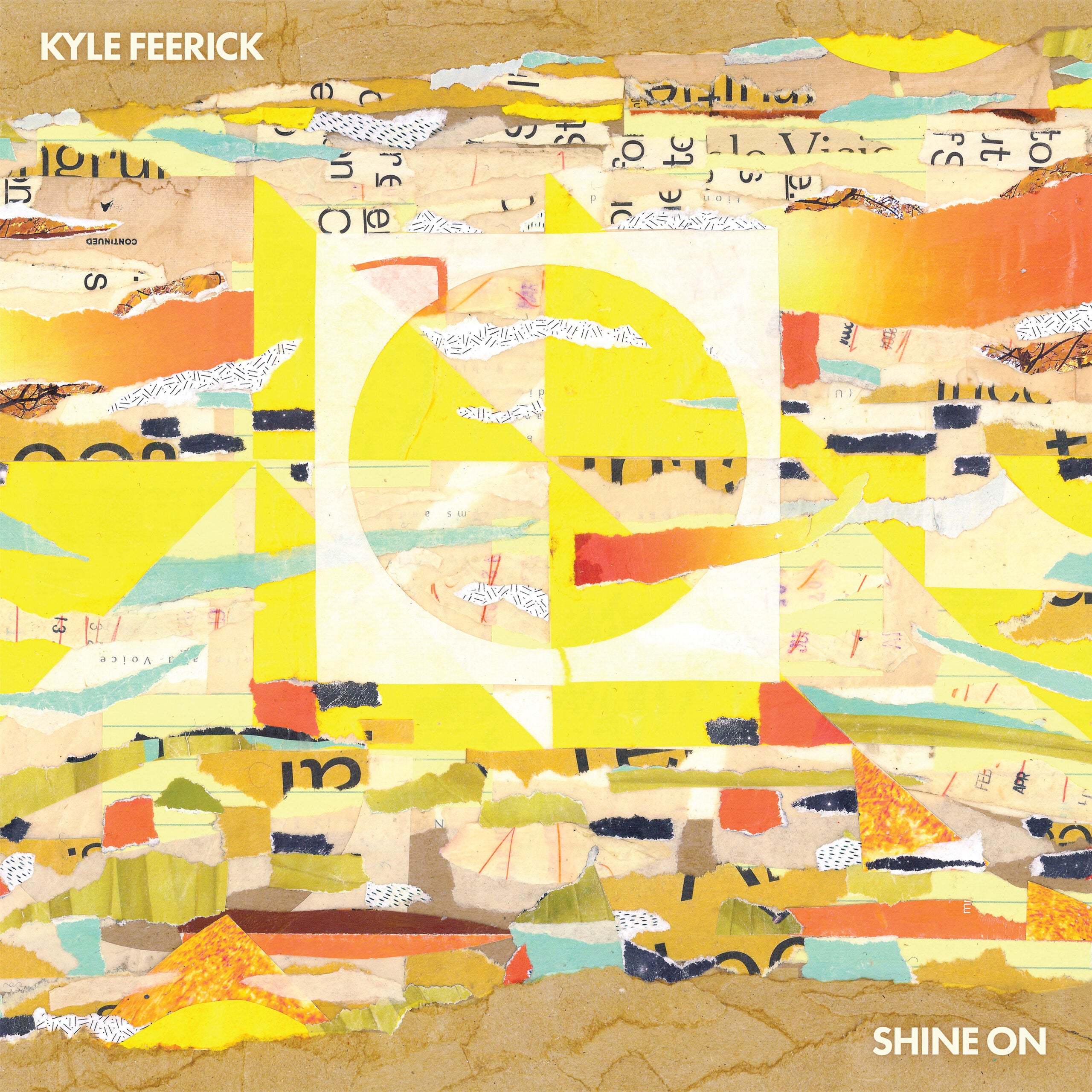
When Milwaukee singer-songwriter Kyle Feerick closes his eyes and sings, all of the troubles in his world seem to melt away.
“Singing is some of the most fun,” Feerick told “Wisconsin Today.” “It brings me true joy.”
Feerick’s new folk rock album “Shine On” comes after nearly a decade since his last full-length record, “Heart.” He says fans may not be aware of all the effort it takes to make an album.
Understanding Wisconsin, Together.
WPR’s “Wisconsin Today” newsletter keeps you connected to the state you love without feeling overwhelmed. No paywall. No agenda. No corporate filter.
“There are so many steps. It just takes awhile to get all the musicians into the studio,” Feerick said. “You want to make sure you do each step right and that you’re pleased with what you’re putting out.”
The following was edited for clarity and brevity.
Kate Archer Kent: What were you thinking about as you created this album?
Kyle Feerick: I wrote the songs over a three or four-year period. I thought I would try to do something a little different to push myself. I taught myself how to play piano well enough to write some songs using the piano instead of my guitar, like I typically do. With piano, I came up with songs and music that I wouldn’t have otherwise written on guitar.
KAK: There is this richness in your music as you layer in instruments. I hear violin, piano, saxophone and horns. How do you create the instrumentation and incorporate those parts into your songwriting?
KF: As I’m writing, I can hear the other instruments that I want to have included in that song. I’ll write a song, and think, boy, this would be great with strings. Or, this would be great with horns. Or, this lead melody should be a Wurlitzer piano. Then, when we get into the studio, I’m blessed to have around 20 musicians who I play and record with. I will call on them to help write strings or horn arrangements.
KAK: When you add those instruments, you have to share the stage and be open to how other musicians are interpreting your song. What is that collaboration like?
KF: A lot of times the other musician will come up with something that you know is very different from what you would have, but it’s superior. You think, yes, that’s what the song needs. So sometimes when you relinquish the reins, and let them write the melody for the horn part, it all comes together even better than if you had done it all yourself.
KAK: You work as a funeral director at your fifth-generation family funeral home in Shorewood. Does being in the funeral industry influence the music you make?
KF: Sometimes when I listen back to my lyrics, I find there could be a correlation with the work I do. But it’s very subconscious. Music is soul-enriching. Making music is such a great part of being alive that it makes me a happier person. The happier I am, the better job I can do in serving other people.
KAK: You bookend this album with talking snippets in the songs “Protostar” and “Red Giant.” What are these clips and where did you find them?
KF: I enjoy collecting records and I’ve built up a large library of all these talking samples just for fun. When I’m in record stores, if I see an old record that has only talking on it, I’ll pick it up. On my album, you’ll hear snippets from a bowling instructional record from the 1950s and radio bloopers from the 1930s. I’ll collect cool snippets to one day layer into a song. These instrumental pieces that bookend the record seem to be the perfect opportunity to layer in some of those talking samples.
KAK: Your music has references to the passage of time, like in the song “Nothing Lasts.” How do you think about time showing up in your music?
KF: If I try to write lyrics, they’re going to be cheesy and sound forced. So what I do is come up with some chords that I really like, and then lyrics just flow out of me. With that said, I do notice themes of earthly elements and time. But I don’t have the answer as to why these are themes for me. My subconscious just gravitates toward them.
‘ The preceding article may include information circulated by third parties ’
‘ Some details of this article were extracted from the following source www.wpr.org ’