NEW YORK (CelebrityAccess) — A coalition of the music industry’s biggest organizations has announced a new voluntary labeling system designed to help fans understand how generative artificial intelligence was used to create a recording.
The initiative brings together the American Association of Independent Music (A2IM), IFPI, the Recording Industry Association of America (RIAA), Worldwide Independent Network (WIN), IMPALA, The Recording Academy, SAG-AFTRA, and the Human Artistry Campaign. Together, the groups are introducing two standard labels: “AI-Generated” for recordings created entirely with generative AI and “AI-Assisted” for music where AI was used as a creative tool alongside human artists.
The organizations said the goal is to give listeners transparency while creating a consistent standard that can be adopted by streaming services, distributors, and other music partners worldwide. The labels will be supported by metadata and can evolve as AI technology continues to develop.
“Fans want to know whether and how generative AI has been used in the music they listen to,” said IFPI CEO Vikki Oakley and RIAA Chairman and CEO Mitch Glazier in a joint statement. “These labels provide an easy-to-understand approach to transparency while recognizing that AI is being used in different ways throughout the creative process.”
The announcement comes as AI-generated music continues to grow rapidly. Earlier this year, Deezer reported that 44% of all new tracks delivered to its platform were created with AI, while Apple Music has said more than one-third of the songs uploaded to its service are entirely AI-generated.
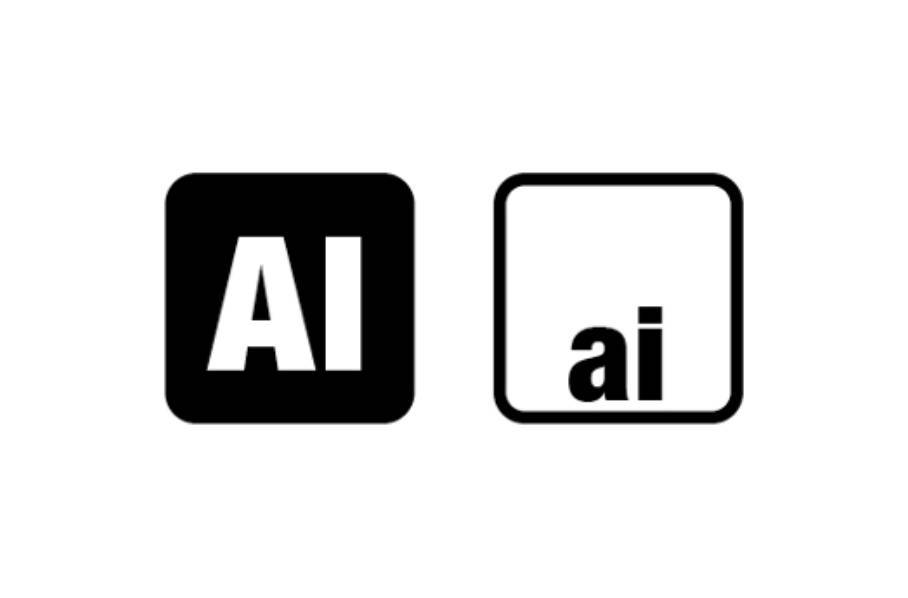
AI-Generated (track-level label) – Black square with white AI
Generative AI was used to generate the entirety or the primary portion of the creative elements of the recording. This would include, for example:
· Lead vocal performance generated by AI, or
· Key instrumental performance generated by AI, or
· Entirely prompt-generated AI music.
AI-Assisted (track-level label) – White square with black ai
The recording was created substantially by humans and expresses human creativity; however, generative AI was used for some expressive elements. Humans performed the lead vocals and primary instruments.
These labels apply to the use of generative AI in sound recordings and will be available for use in the near future. The system does not cover the use of generative AI in lyrics, composition, music videos or cover art at this point.
Supporters say the new labels are intended to help fans tell the difference between music created entirely by AI and recordings where artists used AI as one of many creative tools.
A2IM CEO Ian Harrison said the independent music community believes trust between artists and fans remains one of the industry’s greatest strengths. “Technology will continue to change how music is made, but that relationship depends on people knowing what’s real,” he said.
The Recording Academy also backed the effort. CEO Harvey Mason Jr. said giving artists a clear way to communicate how AI was used helps keep creativity, authorship, and artistic intent at the center of the conversation.
SAG-AFTRA National Executive Director and Chief Negotiator Duncan Crabtree-Ireland called the framework an important first step, adding that performers deserve a marketplace that values and protects human creativity while giving fans the transparency they expect.
The organizations will work with streaming platforms, distributors, aggregators, and industry standards groups to encourage widespread adoption of the labels across the global music business.
‘ The preceding article may include information circulated by third parties ’
‘ Some details of this article were extracted from the following source celebrityaccess.com ’