Photography: @mellyportation
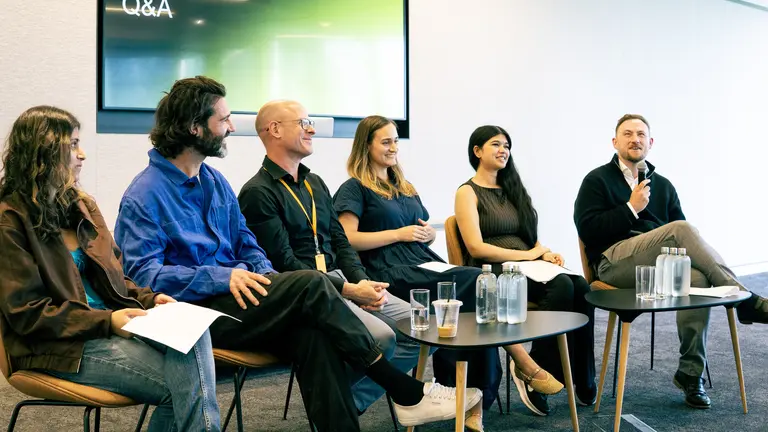
We teamed up with Amazon and Morrison Foerster to give our NextGen community a straight-talking masterclass in music law, kindly hosted at Morrison Foerster’s London office.
The session broke down the legal stuff that can trip you up. From common disputes to how to handle them, and what you can do now to protect your work and your rights.
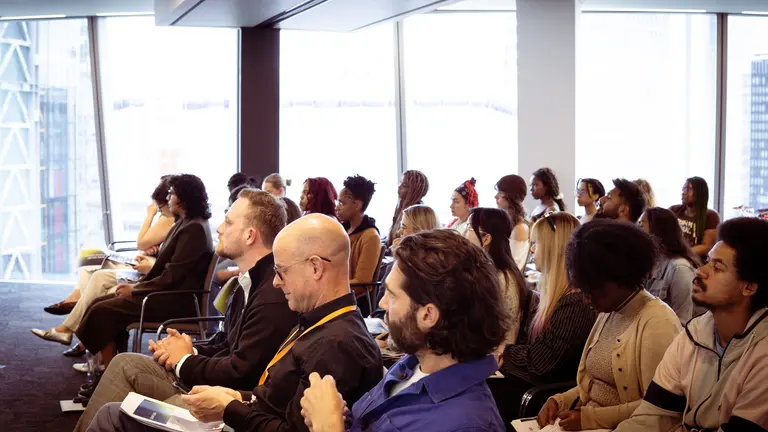
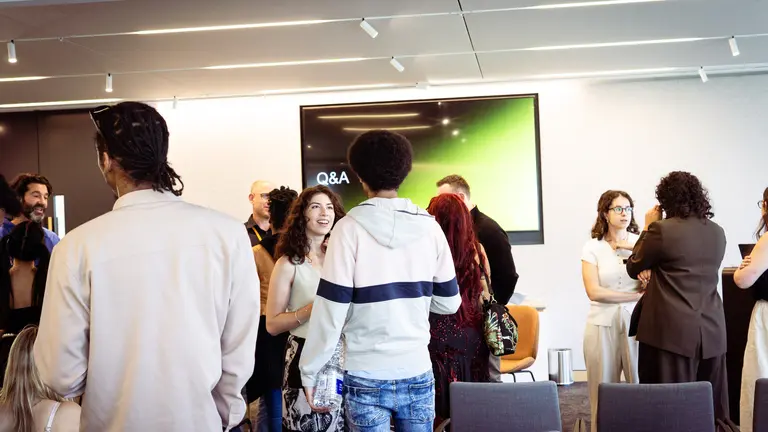
Across a hands-on workshop, a live panel and open networking, young creatives connected with experienced entertainment lawyers and each other. It was a space to ask real questions and get clear answers.
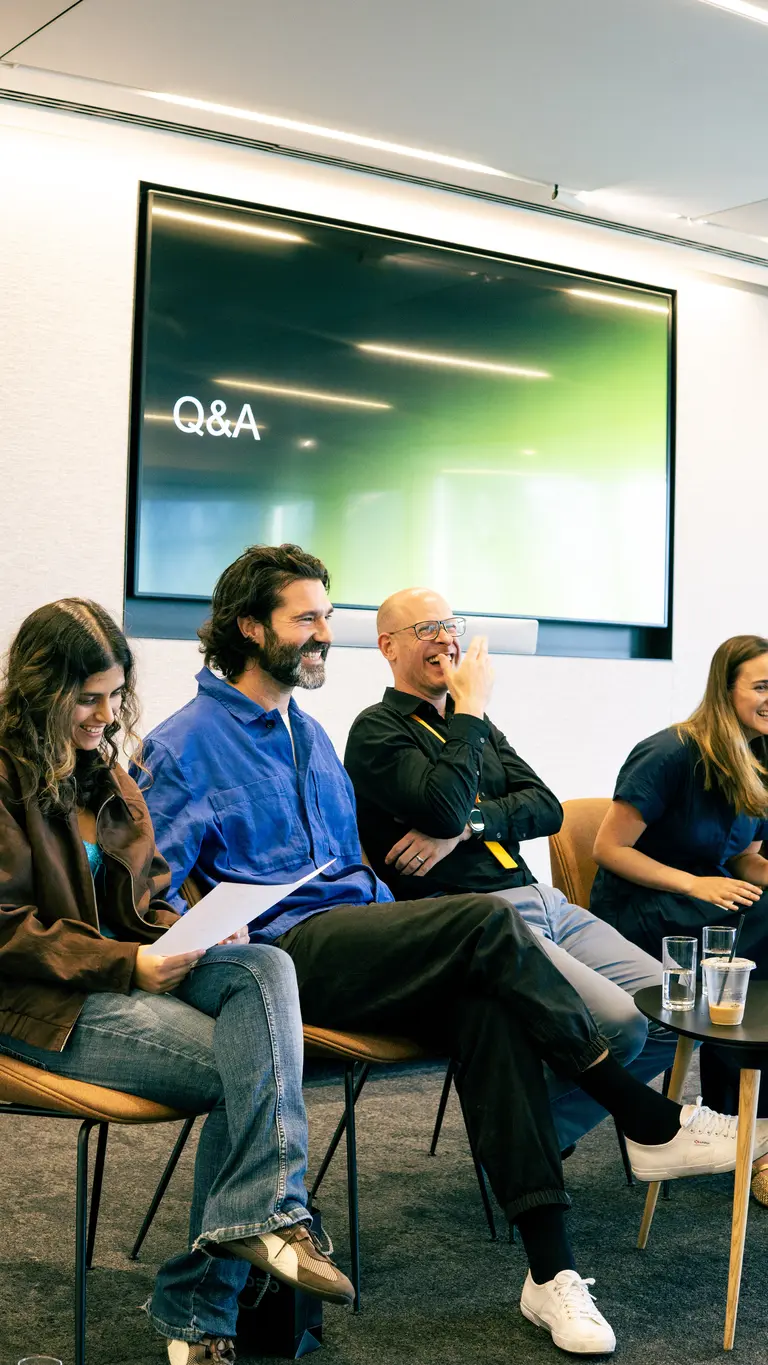
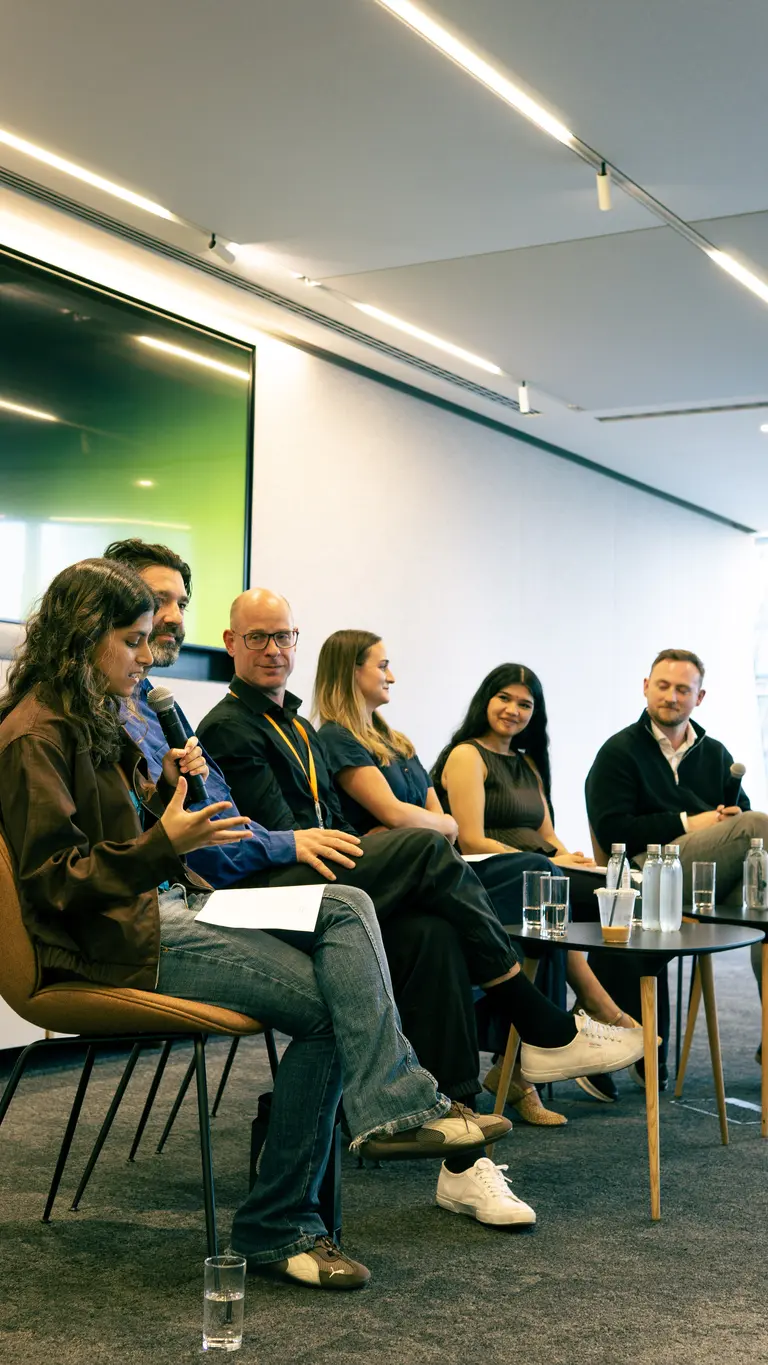
Our panel brought years of industry experience and took on questions submitted in advance, making sure the advice was shaped by what young people actually want to know.
If you missed out, don’t worry! We’ve rounded up some of the experts’ top advice…
Putting the right foot forward
Lock in your splits early
When you’re collaborating, agree who owns what before you start or straight after the session.
Use a simple split sheet. PRS for Music and ASCAP have free templates, or even a text message will do.
The key thing to remember: get it written down.
Hold on to your publishing rights
Don’t rush to sign away your publishing.
A publishing deal can be the right move, but only if the value is clear. Take the time to understand what you’re giving up and what you’re getting in return.

Should I get a lawyer?
Don’t shy away from the legal side
Legal doesn’t have to mean overwhelming.
Start with the outcome you want, then use what’s around you. That could be AI tools, people in your network, or a lawyer when you need one. Ask questions. Learn from others. Build your confidence as you go.
Know when to bring in a lawyer
You don’t need a lawyer for everything.
For smaller deals, like local shows, you can use online tools or AI to sense-check agreements.
When you’re looking at bigger moments, like recording or publishing contracts, that’s when a lawyer really matters.
It’s also worth agreeing fees upfront, so you’re clear on costs before you start.

Your music usage
Know why sync rights matter
Sync is when your music is used alongside visual content, like film, TV, ads or games and every deal is different.
The fee depends on things like the size of the project, how the track is used, and where it’s shown.
A typical example:
If a streaming platform uses your track in a film, you might get an upfront sync fee, for example £50,000. On top of that, you can earn ongoing performance royalties every time it’s watched, plus mechanical royalties if there’s a soundtrack release.
That mix of upfront pay and long-term income is what makes sync so valuable.
Watch out for lifetime rights grabs
One major red flag in contracts is signing away your rights for the full life of copyright.
This used to be common, but it isn’t standard anymore. If you see it, question it. Push back. You should have the chance to revisit your deal later in your career.

Sign up to our NextGen Community and be the first to hear about our upcoming events, as well as jobs, training and performance opportunities around the UK.


‘ The preceding article may include information circulated by third parties ’
‘ Some details of this article were extracted from the following source www.youthmusic.org.uk ’