The next hit song created by artificial intelligence may have learned from your favorite artist’s music.
A new investigation by The Atlantic has uncovered just how much copyrighted music has been fed into AI systems that generate songs. Staff writer Alex Reisner discovered four massive datasets containing about 21.2 million tracks that were used to train generative AI music platforms.
One archive alone contains 12 million songs. Another holds 9 million more.
The findings give artists and record labels something they have long wanted: proof.
Millions of Songs, Hidden in Plain Sight
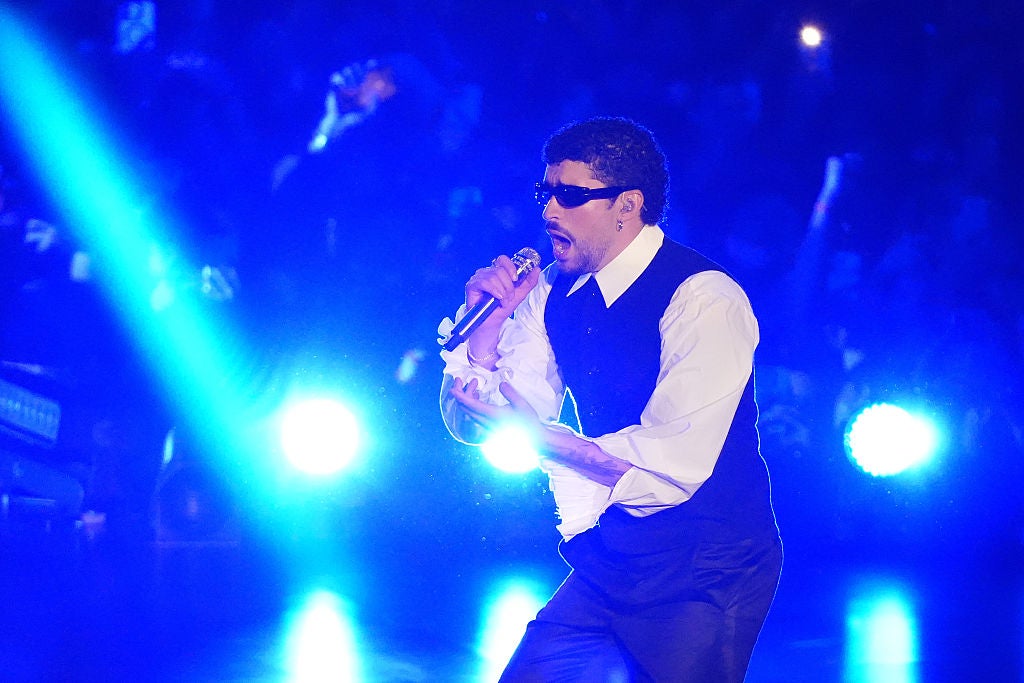
The searchable databases allow rights holders to check whether their music was included in the training data. The records show tracks from major artists including Taylor Swift, Bad Bunny, Billie Eilish, and Nirvana, as reported.
The discovery comes at a crucial time for the music industry, which is struggling to deal with an explosion of AI-generated songs online. Generative AI companies have often argued that using existing media to train their systems counts as fair use and does not damage the market for original works.
But these newly uncovered datasets make that argument harder to defend. They show the specific copyrighted material that helped teach AI systems to create convincing musical imitations.
Streaming services are already feeling the effects. One major platform has reported that nearly half of its daily uploads are now generated by AI.
A Growing Legal Battle
The findings could also influence some of the biggest copyright lawsuits in the technology industry.
Universal Music Group and Sony Music Entertainment are currently suing the AI music platform Suno for copyright infringement. The record labels recently asked a federal court to add more than 61,000 sound recordings to their case after finding their music in the training data.
Suno has previously admitted to exposing its program to tens of millions of recordings while developing its service.
For musicians, this admission and the newly revealed datasets provide a clearer picture of how AI music tools are built.
The Big Question for the Courts
Judges now face a difficult decision. Does training AI on millions of copyrighted songs count as transformative use, or is it simply digital piracy?
What makes The Atlantic’s investigation different is the level of detail it provides. Instead of broad claims about how AI systems work, the report offers concrete evidence of the songs that helped teach these programs.
For artists worried about machines copying their sound, the investigation pulls back the curtain on an industry that has often operated in secret. It may also mark a turning point in the growing battle between creative rights and artificial intelligence.
Kayla is the midday host on Detroit’s 105.1 The Bounce. She started her career in radio back in 2016 as an intern at another Detroit station and worked her way here. She’s made stops in Knoxville, TN, Omaha, Ne and other places before returning to Detroit. She’s done almost everything in radio from promotions to web, creating content on social media, you name it.
She’s a true Michigander, born and raised. So, you can catch her camping or vacationing up north to exploring the downtown Detroit or maybe even catching a sports game. During her free time, Kayla enjoys watching movies, roller-skating, crafting, and music festivals. She and her husband together dip into many of the great things Michigan has to offer. Together they also like to travel.
A few hobbies of hers include wine and beer tastings, crafting, hiking, roller skating, movies, home improvement projects, gardening, and festivals. She’s always looking to take on more local events happening in the community.
She loves connecting with the community. When writing, Kayla covers topics including lifestyle, pop culture, trending stories, hacks, and urban culture.
‘ The preceding article may include information circulated by third parties ’
‘ Some details of this article were extracted from the following source kiss951.com ’