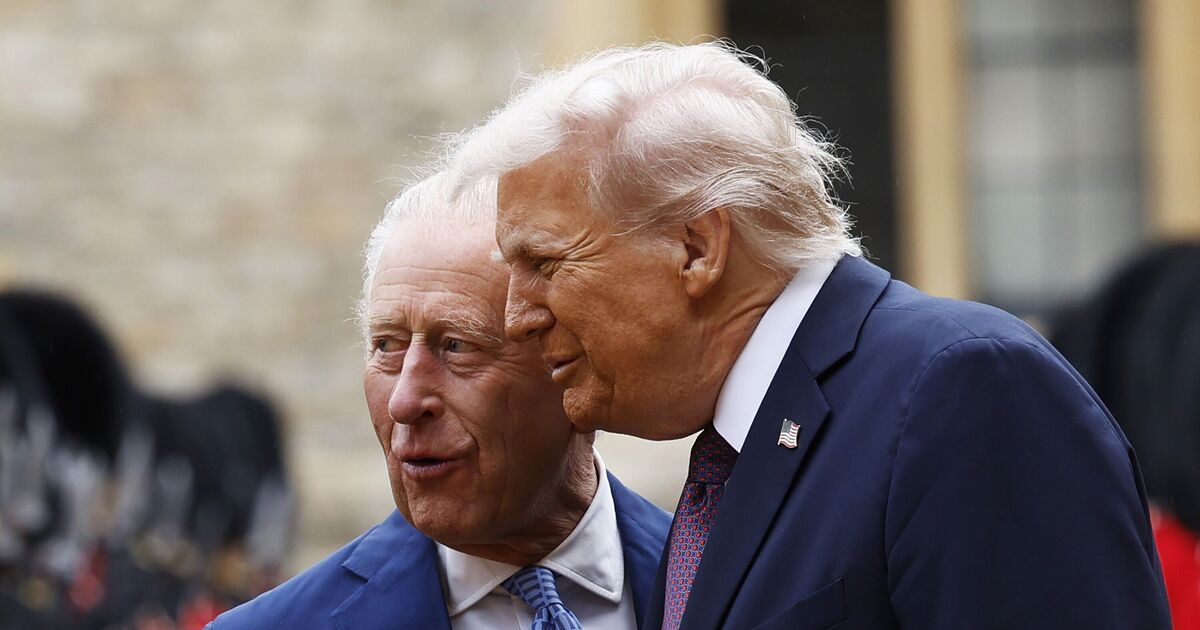
A senior Labour MP has called for King Charles to delay his upcoming state visit to the US amid tensions between the Trump administration and the UK over the war in the Middle East. Dame Emily Thornberry, chair of the Foreign Affairs select committee, suggested it would be “safer to delay” the monarch’s overseas tour during an appearance on BBC Radio 4’s Today programme on Tuesday, citing the risk of embarrassment for the royals.
Buckingham Palace is yet to officially announce the trip, but the King and Queen Camilla are expected to visit Washington and New York next month as the US marks 250 years of independence. Dame Emily’s comments come after US President Donald Trump branded the UK’s approach to the conflict with Iran “terrible” and repeatedly lashed out at Sir Keir Starmer over his insistence that Britain would not get involved in the strikes on Iran and risk being dragged into a wider war.
Do you think King Charles should go ahead with his trip to the US? Have your say in our poll below.
The Islington South and Finsbury MP said: “If it was to go ahead, it would go ahead against a backdrop of a war, and that, I think, is quite difficult – and the last thing that we want to do is to have Their Majesties embarrassed.”
Asked if she was in favour of delaying the visit, Dame Emily said: “I don’t know what the programme would involve, but I think it needs to be thought through very carefully as to whether or not it’s appropriate to go ahead now, or maybe have a limited programme or delay it – but we can’t just pretend that there isn’t a background of war.”
“I suspect it would be safer to delay it, but I don’t know the details,” she added.
Conservative leader Kemi Badenoch spoke out in favour of the King heading stateside, saying the head of state represents “standards which both Sir Keir and Mr Trump could actually learn from”.
Senior British diplomatic sources previously said the visit would be going ahead, telling ITV News that it is marking an historic occasion and is about the American people, rather than the occupant of the White House.
Iran has retaliated against the attacks by targeting US bases in neighbouring countries in the Gulf, sparking fears that a wider regional conflict could be unleashed.
It has also closed the Strait of Hormuz, a vital route for global oil trade connecting the Persian Gulf to the Gulf of Oman, sending prices soaring.
Under pressure to end the blockade and stabilise prices, Mr Trump has leant on various allies to support the US in efforts to secure the strait and escort vessels through it with their own warships.
On Monday, Sir Keir said that Britain is working with allies on a plan to reopen the shipping route, but “will not be drawn into the wider war”.
The UK is discussing with the US and allies in Europe and the Gulf the possibility of using mine-hunting drones that Britain has in the region, the PM said, but signalled that the UK is unlikely to dispatch a warship. Other countries have similarly been resistant to getting involved.
The US has offered a number of explanations for the attacks on Iran, including an imminent threat to the United States and the need to destroy the country’s missile and military capabilities, though critics have called for clarity on the basis for military action.
The war stretched into its 18th day on Tuesday with little sign thus far that Tehran’s authoritarian regime is looking to heed Mr Trump’s demands for surrender.
Ali Khamenei’s son, Mojtaba Khamenei, has been announced as his successor as Supreme Leader, though he hasn’t been seen since the war began. Iran confirmed that he was injured in the attacks, which killed several of his family members, but his condition is unknown.
‘ The preceding article may include information circulated by third parties ’
‘ Some details of this article were extracted from the following source www.express.co.uk ’