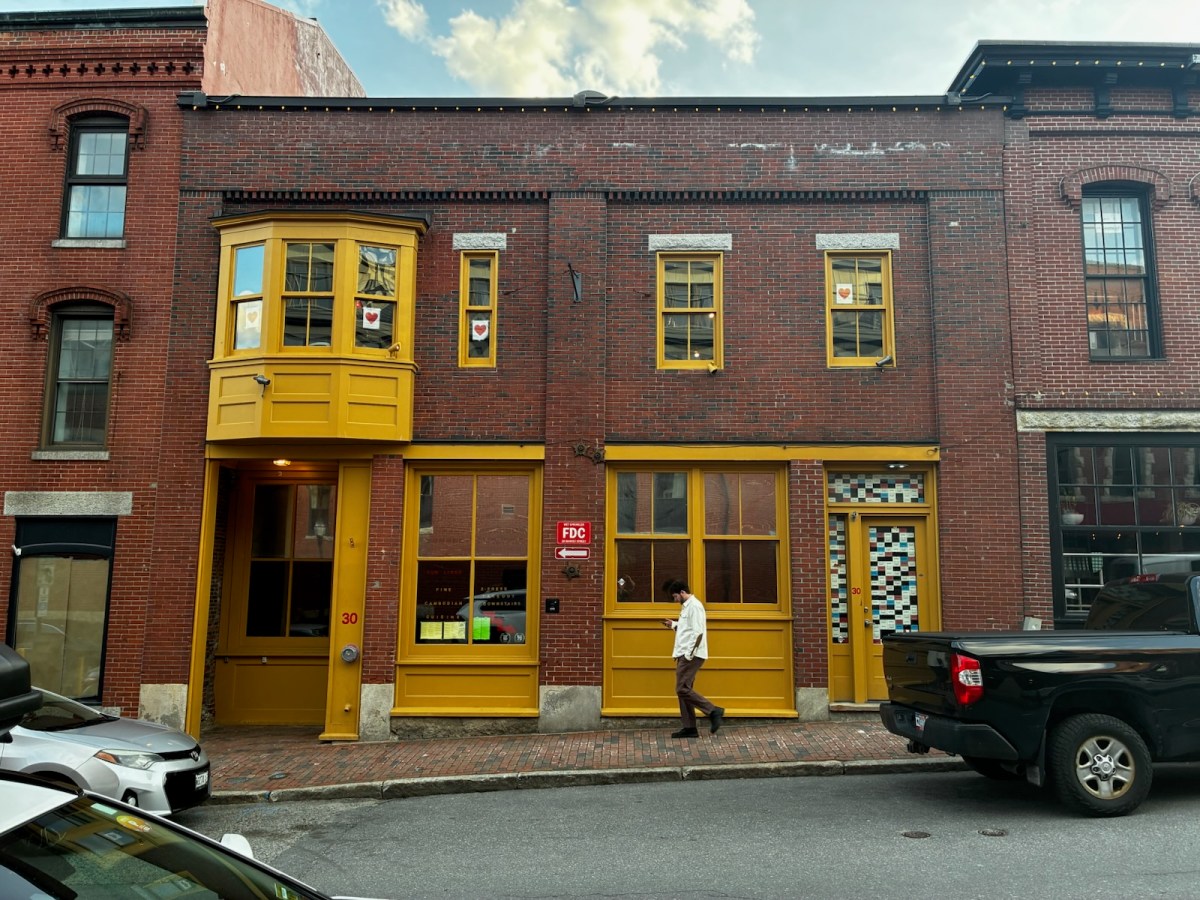
Earlier this year, Cocktail Mary owner Isaac MacDougal decided to move his business to Market Street in the Old Port. It was a larger space, and had been built out perfectly for a bar and nightclub.
It wasn’t until after MacDougal had signed the lease that he became aware of a decades-old rule that limits the number of businesses that can hold entertainment licenses downtown. At 30 Market St., he’s too close to Lincoln’s, at 36 Market St.
The 100-foot buffer — or “business dispersal requirement” — dates back to the 1990s, and was retained with the creation of a downtown entertainment overlay zone in 2007. According to staff, it was intended to “prevent the overconcentration of nightlife establishments” in the Old Port, and concerns related to the noise (and maybe a few fights) that came with bars letting out after last call.
MacDougal and other business owners said this week that the rule is outdated, and has hindered attempts to attract customers through events and bring more foot traffic downtown.
During a housing and economic development committee meeting Tuesday, MacDougal said that while the city is actively working to fill vacant commercial space downtown, the buffer is working against it.
“This ordinance keeps usable space dark for zero benefit,” he said.
After hearing from several others who said the rule has stymied efforts that could improve conditions downtown, the committee forwarded a proposal to remove the buffer to the Planning Board.
“Twenty years is a good amount of time to reassess the landscape of Portland,” said Arcadia owner Dave Aceto, who is also working to open the bar Bad Neighbors across Congress Street.
Aceto said many downtown businesses are putting a lot of effort into revitalizing areas of the downtown that are “lackluster,” and that the city should be removing “barriers that were put up at a different time, for a different reason.”
Councilor Wes Pelletier brought the proposal to the committee in November at the same time that he proposed a 750-foot buffer between large entertainment venues related to the controversial Portland Music Hall project. However, the committee declined to take it up at the time, wanting to separate the issues.
Some questioned this week whether the removal of the 100-foot entertainment buffer could impact pending litigation involving the developers of the proposed 3,300-seat venue that was shot down by the council.
Portland resident George Rheault said while he’s in favor of the buffer being removed, he believes it could be used against the city as it faces a lawsuit over the venue. He said while the 750-foot buffer was put in place because of concerns over the impact of having large venues too close together, striking down the 100-foot rule would appear to be arguing the opposite.
Pelletier said his thinking with the 750-foot buffer was to prevent a large amount of traffic to be concentrated in one space, while removing the 100-foot buffer could “spread out the impact” by freeing up more area where entertainment can occur.
“I want to create as many opportunities for the arts as possible, and create less red tape for businesses so they can bring artists in,” he said.
Councilor Sarah Michniewicz agreed that there’s merit to the idea that removing the buffer could encourage more nightlife, but she pressed officials to “do our homework about it.” She said the police department doesn’t have as many officers in the Old Port that it did 20 years ago, and handling complaints could be more difficult.
MacDougal argues that the city already has a sound ordinance and other regulations in place to handle unruly behavior. He said he grew up here, and remembers the concerns around drunken behavior, mostly around Wharf Street.
“That’s not really the culture that’s growing and existing in the Old Port right now,” he said.
He also pointed to a national trend that young people are drinking less alcohol, which he called a welcome and healthy change. But, he said, being able to provide entertainment is an important way for bars to make up for it.
Dinah Minot, executive director of Creative Portland, said the organization recently came up against the buffer rule after launching its “Third Wednesdays” events along the Congress Street corridor. The group wanted bands to play in the 511 Congress St. plaza, and secured the go-ahead from neighboring businesses, only to then be told by the city that it couldn’t happen.
The Planning Board will now schedule a workshop and public hearing, then send a recommendation to the full council, likely by early fall.
As a queer bar, MacDougal at Cocktail Mary said he had DJ’s and drag queens lined up for performances all summer, but now he’s hoping the rule might change in time for the fall season. By winter, it could be too late, he said.
‘ The preceding article may include information circulated by third parties ’
‘ Some details of this article were extracted from the following source www.pressherald.com ’