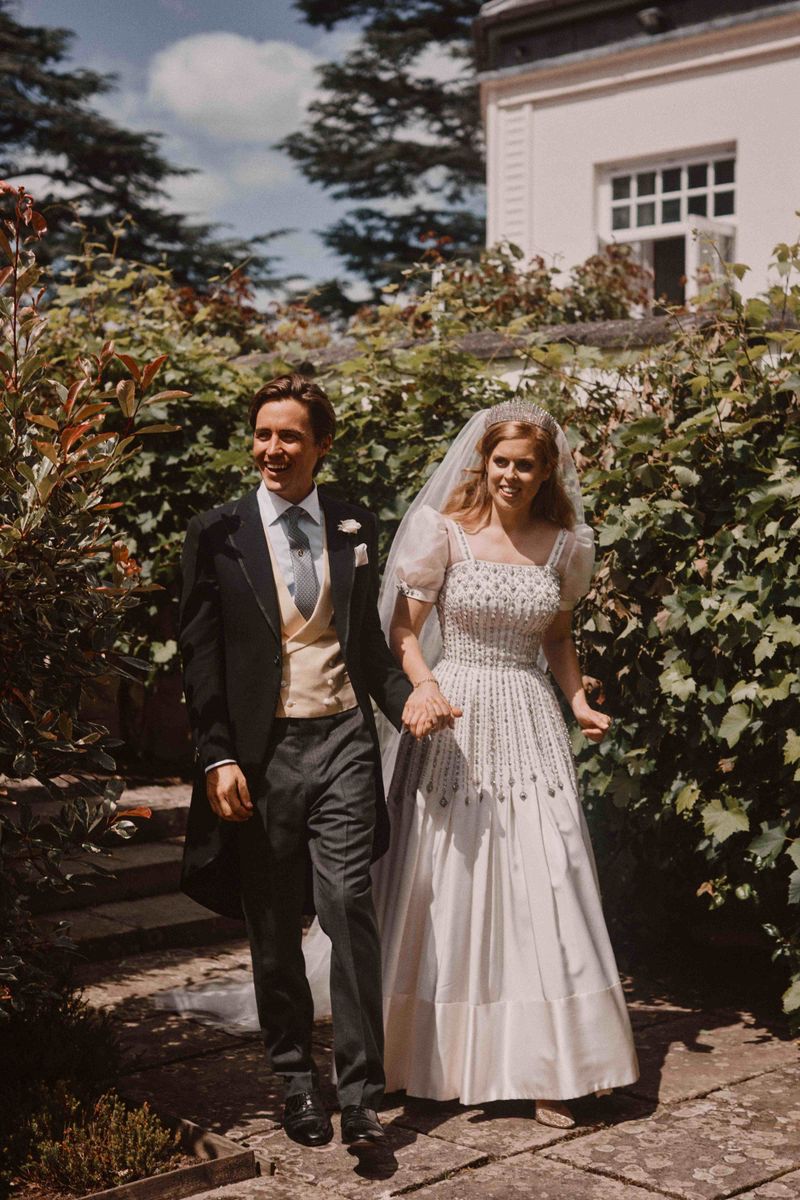
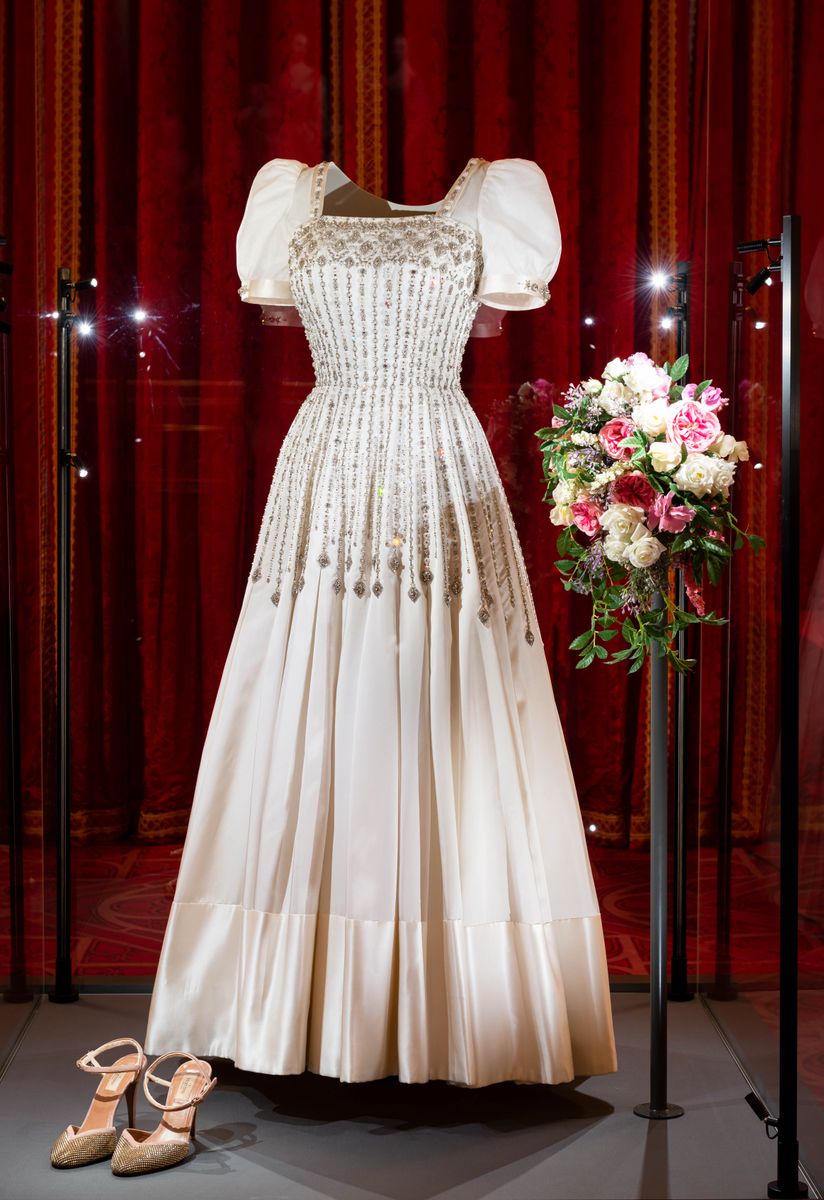
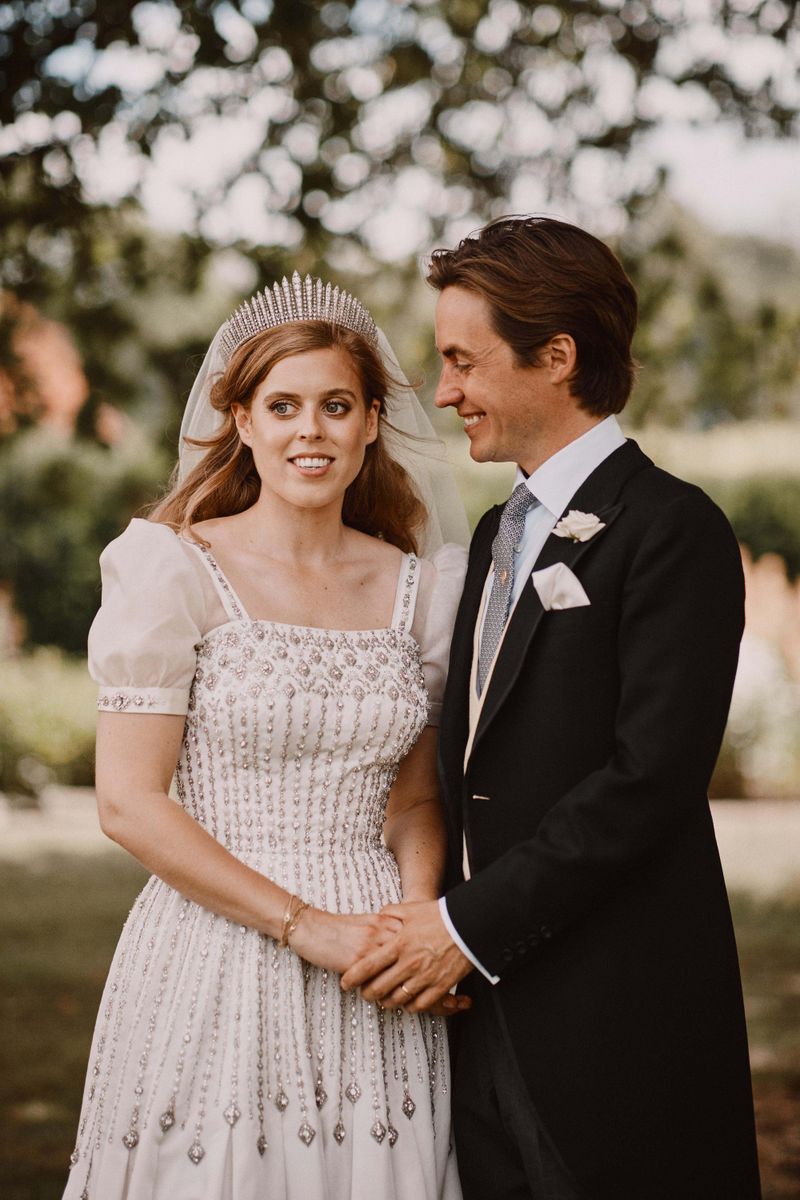
When Princess Beatrice married Edoardo Mapelli Mozzi on July 17, 2020, her intimate Windsor wedding became an unexpected tribute to one of Queen Elizabeth II’s most treasured memories.
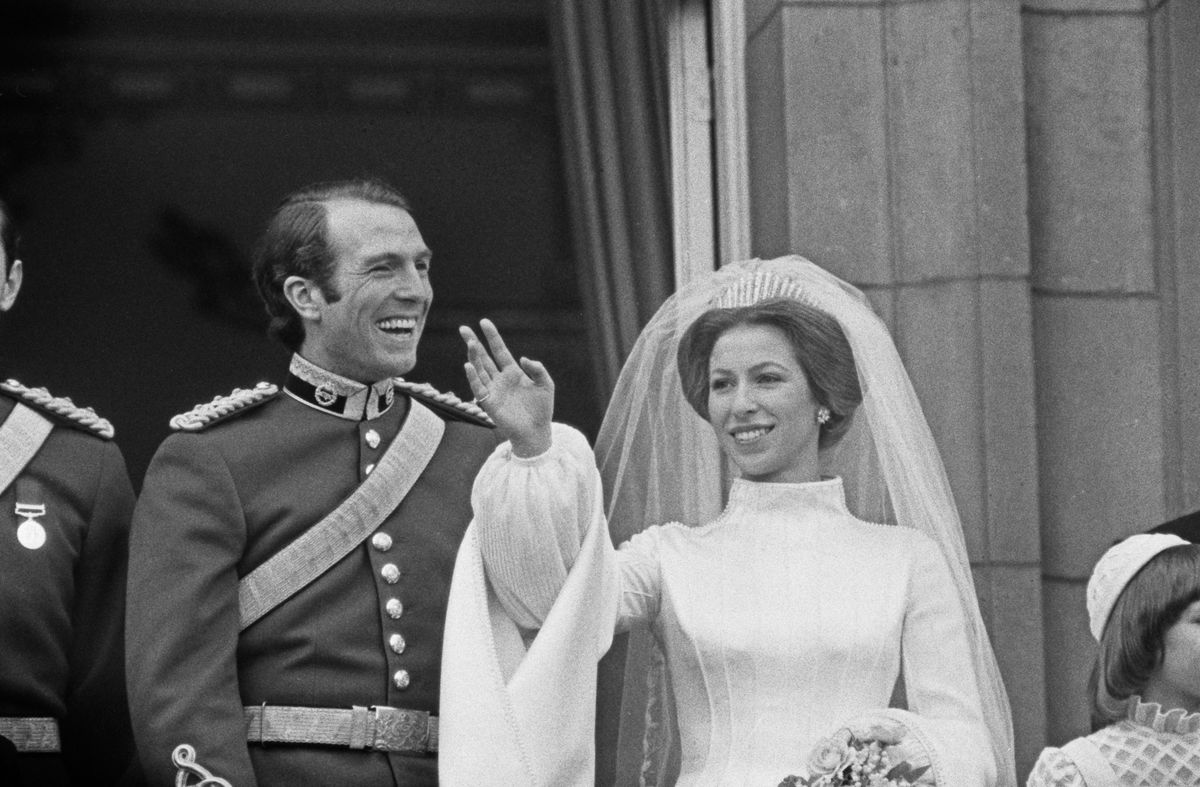
Alongside the vintage Norman Hartnell gown borrowed from her grandmother, Beatrice wore the historic Queen Mary Fringe Tiara, the same dazzling diamond headpiece Queen Elizabeth wore on her own wedding day in 1947.
But behind its sparkling appearance lies one of the most dramatic stories in British royal wedding history.
The tiara famously snapped just hours before the future queen walked down the aisle.
 © CAMERA PRESS/ED/JL/Royal Collection Trust
The royal wedding crisis that nearly changed history:
On the morning of Princess Elizabeth’s wedding to Prince Philip at Buckingham Palace, the Queen Mary Fringe Tiara suddenly broke while the court hairdresser was securing it to her veil.
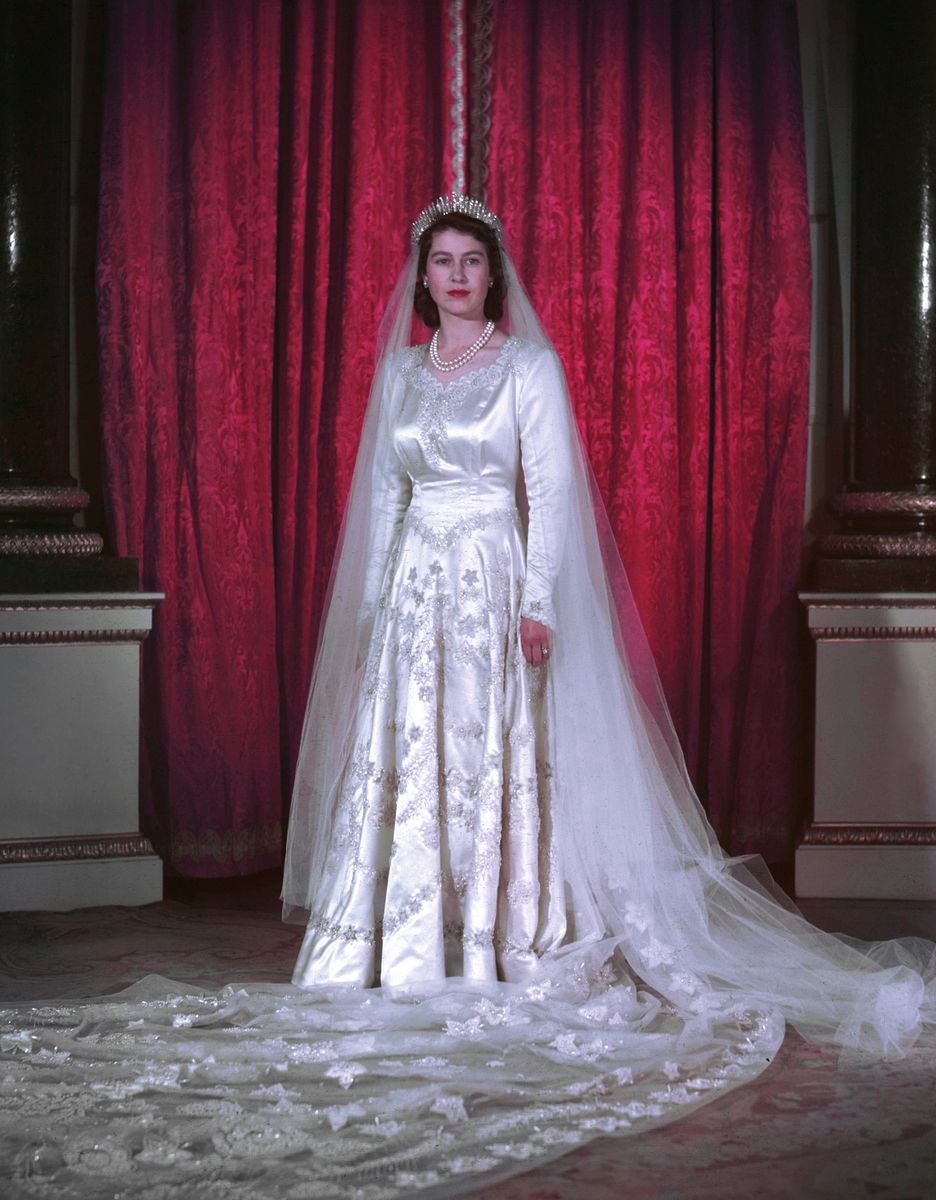 © CAMERA PRESS/Baron
Because the tiara had been designed with a detachable frame that allowed it to double as a necklace, one of its structural clasps unexpectedly gave way, leaving the bridal jewel split just hours before the ceremony.
According to royal accounts, Queen Elizabeth, later known as the Queen Mother, remained remarkably calm amid the panic, reassuring her daughter that there was still time and that other tiaras could be worn if necessary.
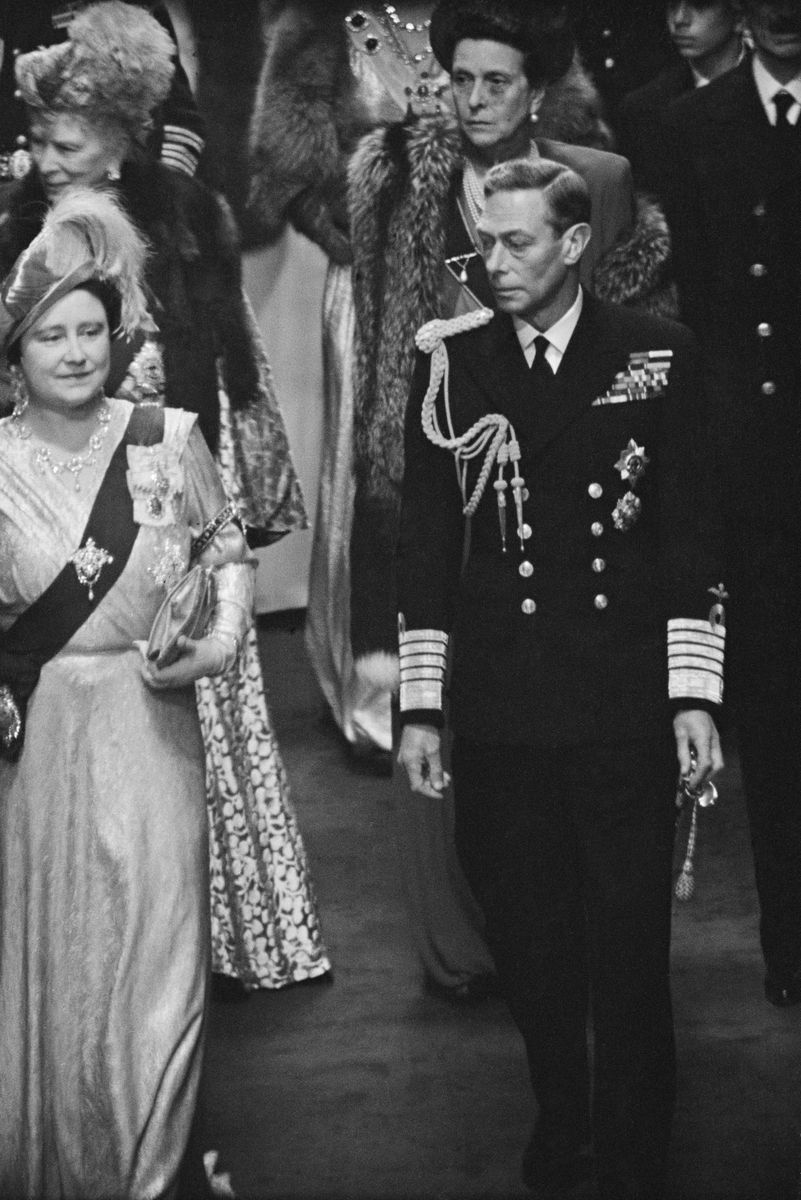 © Bert Hardy
Princess Elizabeth, however, hoped to wear the tiara she had chosen. A Garrard jeweler was immediately summoned to Buckingham Palace before racing the broken piece back to the workshop under police escort.
Working against the clock, the craftsmen repaired the heirloom and returned it to the palace just in time for the future queen to leave for Westminster Abbey.
Some royal historians have since pointed to a slight irregularity visible near the center of the tiara in wedding photographs, attributing it to the hurried repair carried out that very morning.
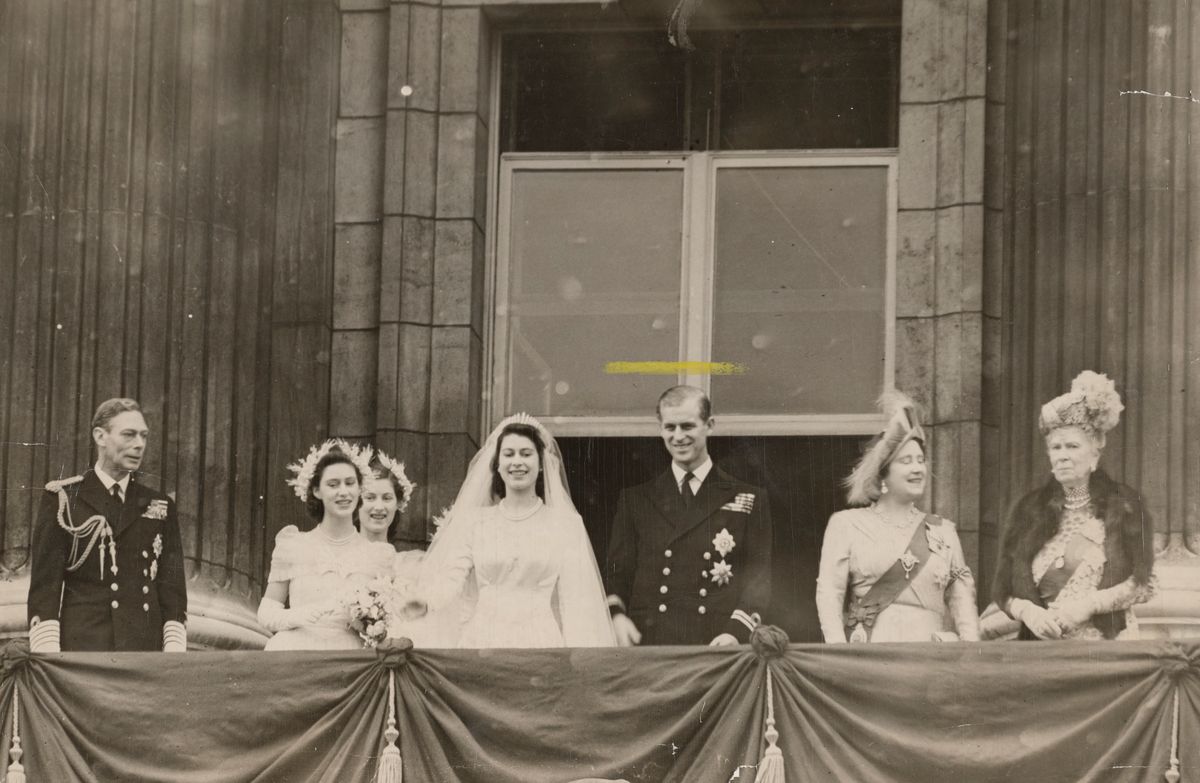 © Evening Standard
Why Queen Elizabeth chose the tiara for Princess Beatrice:
More than seven decades later, Queen Elizabeth II personally loaned the same tiara to Princess Beatrice for her own wedding to Edoardo Mapelli Mozzi. The decision carried extraordinary symbolism.
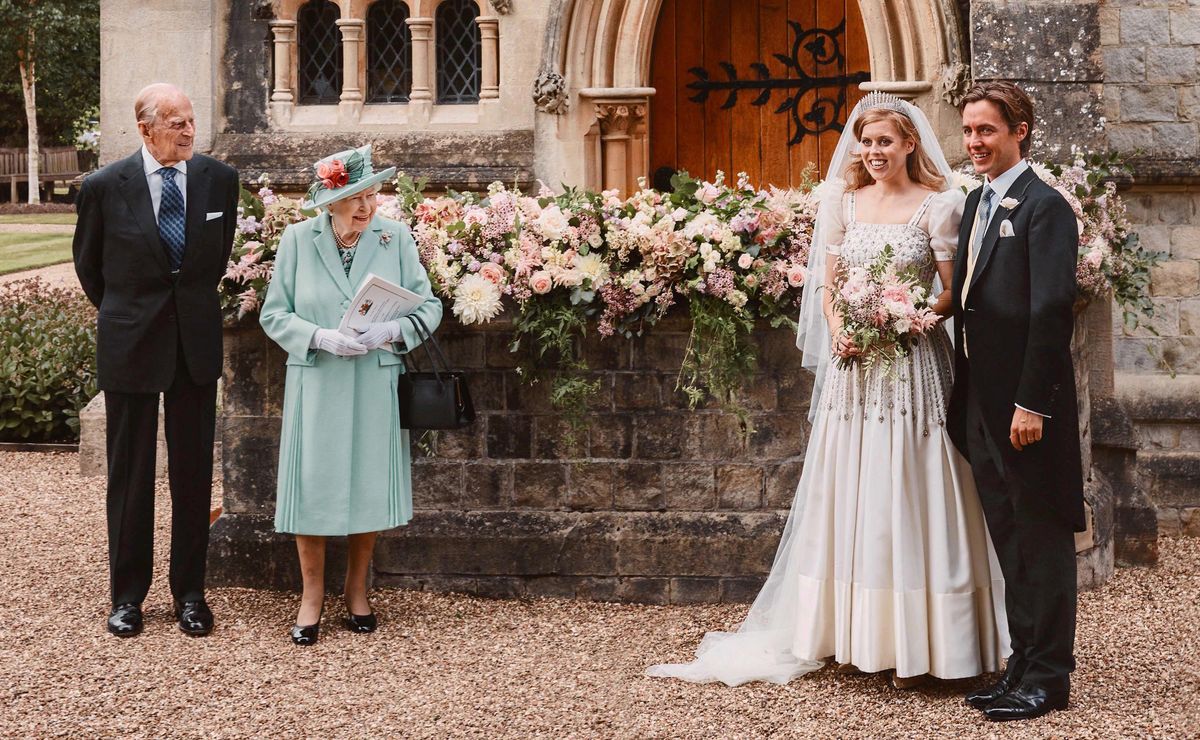 © Pacific Coast News/The Grosby Gr
Originally planned as a grand royal celebration, Beatrice’s wedding was dramatically scaled back because of the COVID-19 pandemic. Instead, the couple exchanged vows in a small ceremony at the Royal Chapel of All Saints in Windsor Great Park, surrounded only by close family.
By loaning Beatrice the Queen Mary Fringe Tiara, Queen Elizabeth helped make the intimate occasion especially meaningful. Royal commentators have long viewed the gesture as a reflection of the close bond between grandmother and granddaughter, while also connecting Beatrice’s wedding to one of the monarch’s own happiest memories.
 © Pacific Coast News/The Grosby Group
A bridal jewel reserved for only three British royal brides:
The Queen Mary Fringe Tiara is one of the rarest wedding tiaras in the British royal collection.
 © Evening Standard
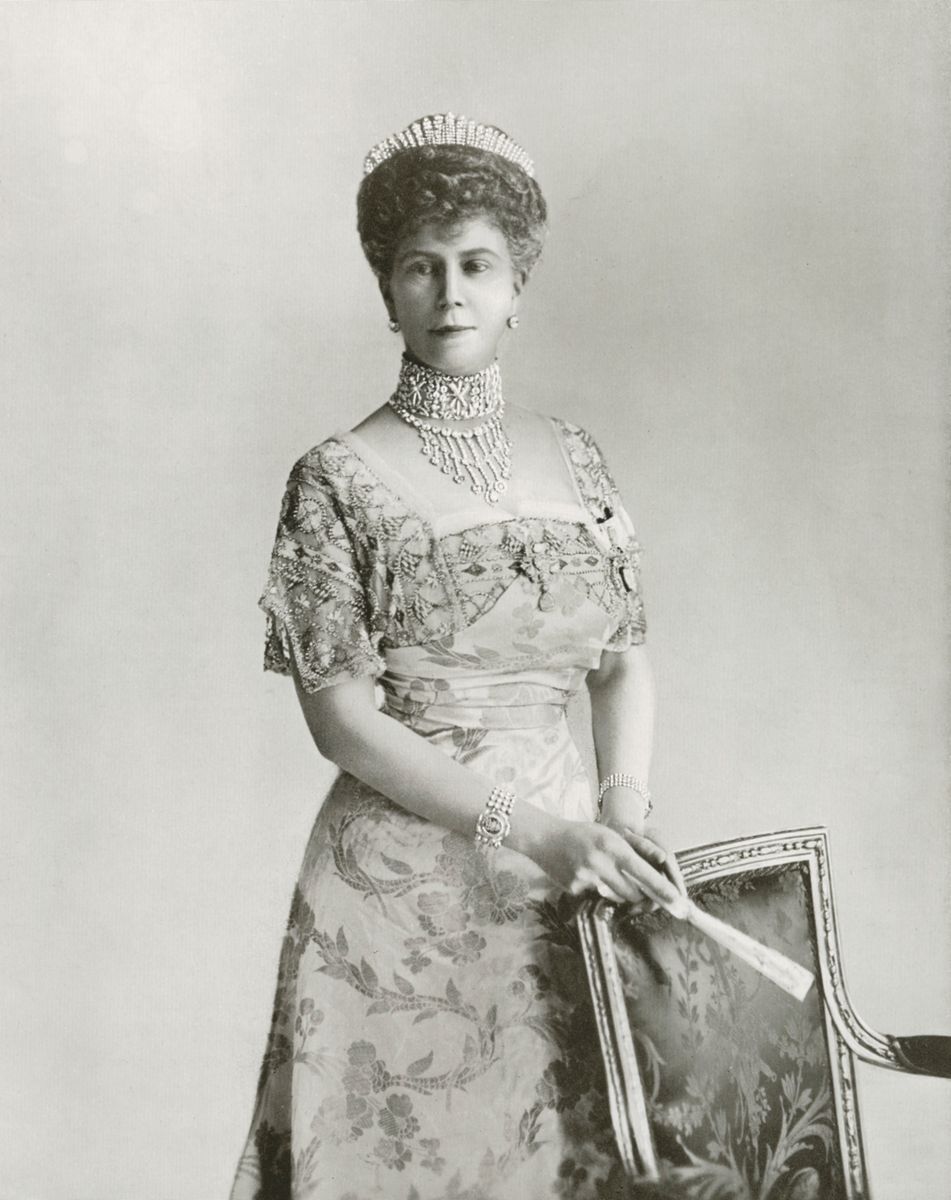
Originally created by Garrard in 1919, it was fashioned from a diamond necklace Queen Victoria had given to Queen Mary as a wedding gift in 1893. Designed in the fashionable kokoshnik style inspired by traditional Russian headdresses, the tiara can also be detached from its frame and worn as a necklace.
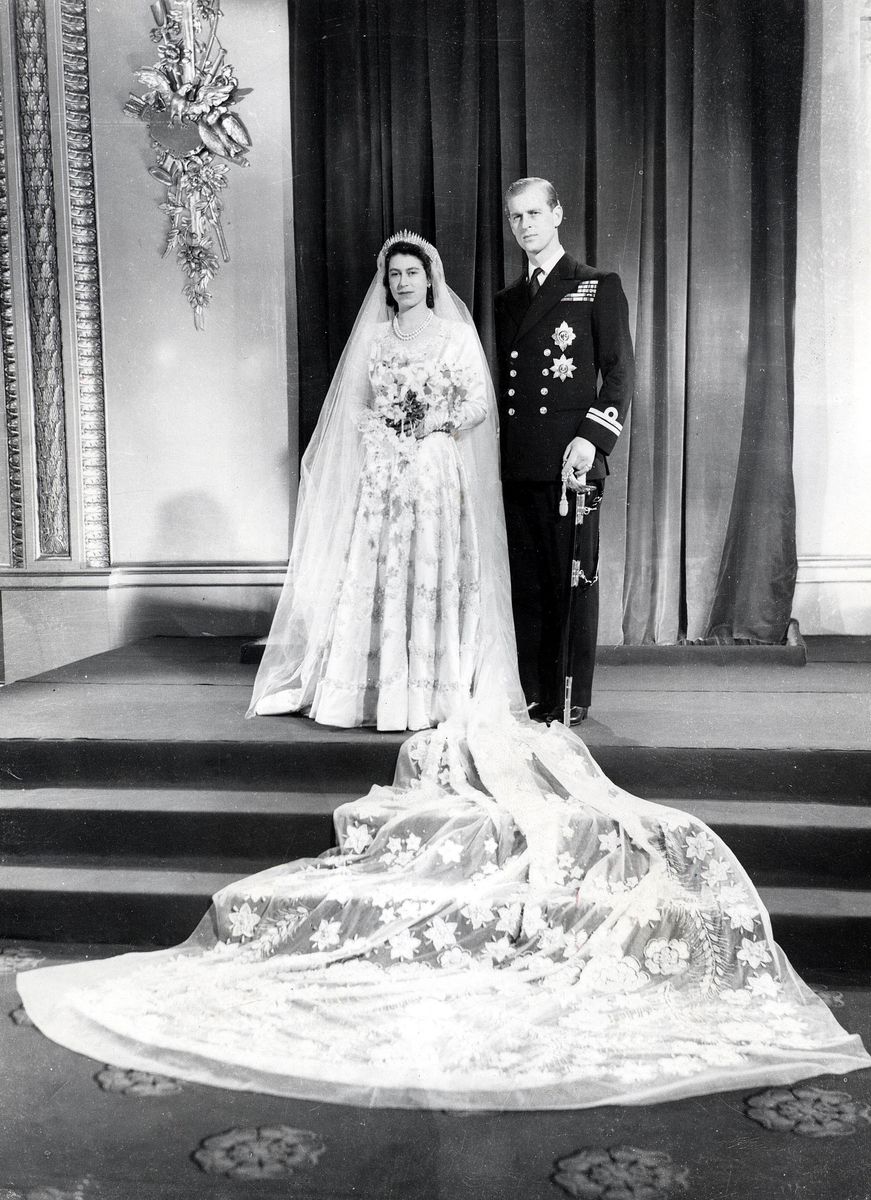
Despite its prominence, only three British royal brides have worn it on their wedding day. Queen Elizabeth II became the first in 1947, followed by Princess Anne in 1973. Nearly five decades later, Princess Beatrice completed the trio when she chose the heirloom for her lockdown wedding in 2020.
 © Zuma Press/The Grosby Group/Lagencia Grosby
Its exclusive bridal legacy has made it one of the most sentimental pieces in the royal jewelry collection, linking three generations of royal women through a single jewel.
A symbol of resilience across generations:
For many royal watchers, Beatrice’s choice represented more than a nod to family tradition.
 © Sjöberg BildbyrÃ¥
The same tiara that survived a frantic repair on Queen Elizabeth’s wedding morning was entrusted to her granddaughter during one of the most unusual royal weddings in modern history.
Although separated by 73 years, both brides wore the historic heirloom during moments that tested expectations, turning the Queen Mary Fringe Tiara into a lasting symbol of resilience, continuity and the enduring bonds between generations of Britain’s royal family.
‘ The preceding article may include information circulated by third parties ’
‘ Some details of this article were extracted from the following source www.hola.com ’