Quentin Tarantino recently went on one of his expected diatribes about movies. This time, he was reflecting on his own filmography and attaching appraisals to many of his most noted films. When it came time to name one of his movies his masterpiece, Tarantino gave that distinction to Inglourious Basterds, the 2009 World War II film which culminates in the evisceration of Adolf Hitler in a hail of machine gun bullets.
Now, I’m not here to get into some big ol’ debate about which Quentin Tarantino film is his masterpiece. I’ll put on the record that The Hateful Eight is my favorite of Tarantino’s feature films, and I might even like Kill Bill more than Inglourious Basterds as far as which one I want to pop on at a moment’s notice.
But Quentin Tarantino is damn right when he says Inglourious Basterds is his masterpiece. Why? Because it might be the only one of his movies that’s bigger than himself.
Quentin Tarantino Makes Movies Mean Something

Like any crusty white guy who is better at talking about movies than anything else in their life, I have a deep fondness for Quentin Tarantino and his body of cinematic work. However, it’s very clear that so much of his storytelling and interest comes in being a fan of movies. So much of his cinematic style and narratives are drawing directly on influences Tarantino loves. That’s no different than any filmmaker or artist, but Tarantino’s whole aesthetic is about reminding you of The Movies as a cultural art form.
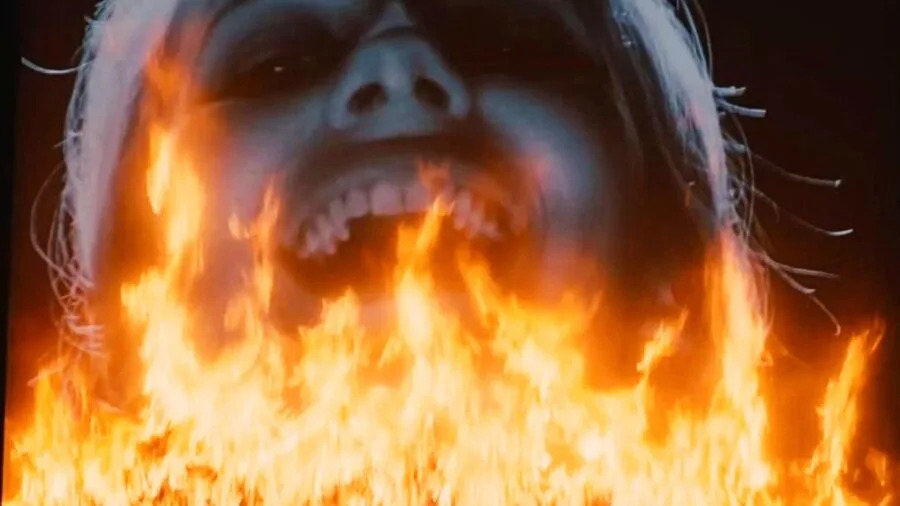
It’s clear that Quentin Tarantino loves movies in a deep way, but until Inglourious Basterds, he hadn’t really said much about the medium itself as something more than “cool.” In that film, he decided to tell a story where a movie and a movie theater were the crucial elements in a revenge plot against the Nazis. It’s a story about weaponizing movies and movie culture against evil. One of the defining images of Inglourious Basterds is the giant visage of Shoshanna on the theater screen, laughing maniacally as the theater burns down and incinerates the crowd.
It’s the first time that Quentin Tarantino felt like he had something to legitimately say through the art of making movies. Before Inglourious Basterds, Tarantino was inarguably deft at crafting compelling characters and engaging dramas with thematic heft, but they felt very insular when it came to any kind of real message. With Inglourious Basterds, Tarantino finally made a film that felt bigger than himself or his particular genre interests. He made a movie that felt like it mattered beyond just being a cool movie.
A Masterpiece To This Day

quentin tarantino marvel
Inglourious Basterds is still an entertaining movie all on its own, but when placed up against the rest of Quentin Tarantino’s filmography, it stands as his strongest statement as a storyteller. I could go on and on about my read of The Hateful Eight, but I recognize that movie’s message is a much more complicated and difficult-to-parse one than what Inglourious Basterds does. It’s worth arguing Inglourious Basterds better at that facet, but like I said, I’m not here to get into the weeds about which movie is the best.
Inglourious Basterds is Quentin Tarantino’s masterpiece. It’s the most thematically resonant and worthwhile of his movies outside of its status as a pure movie. It allows for a reclamation of revenge that only fiction can allow, and that only the movies can truly exhibit. This is the one movie I’d put forth from his filmography that everyone should see. Because if you don’t jump for joy or laugh with glee when Adolf Hitler gets shredded to pieces, it’s a good indication that you need Aldo Raine to use his knife on your forehead.
‘ The preceding article may include information circulated by third parties ’
‘ Some details of this article were extracted from the following source www.yahoo.com ’