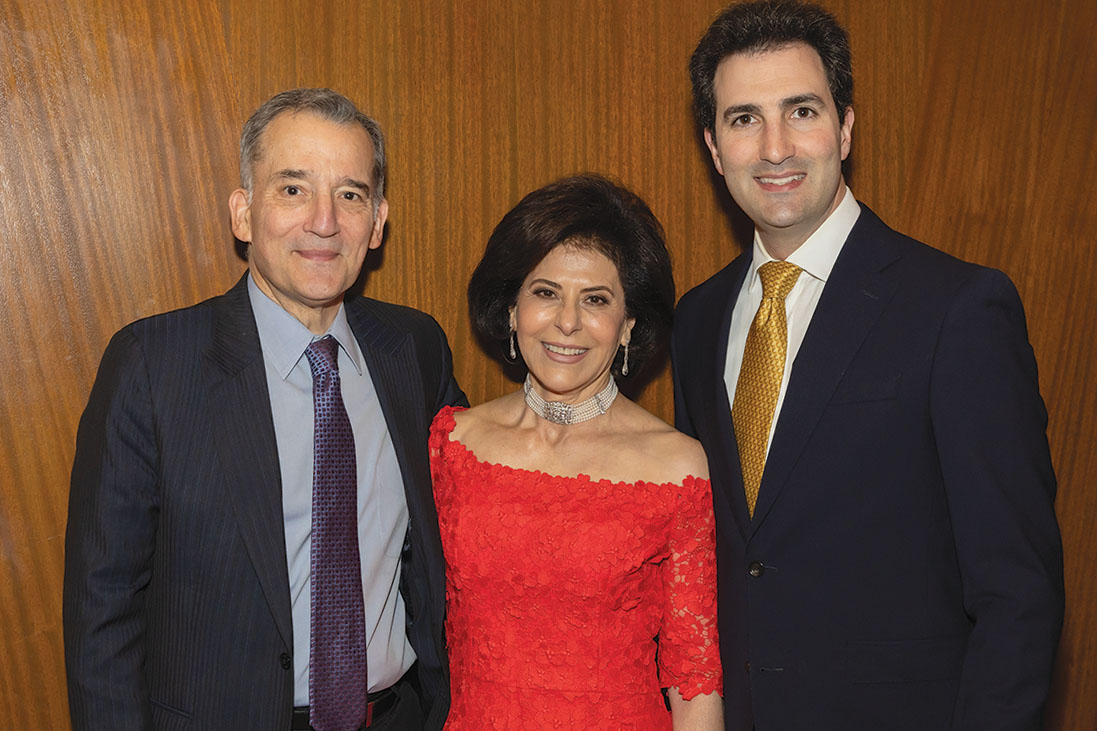
Sinai Temple marked a historic milestone as the congregation gathered on May 17 at Barad Hall for the congregation’s 120th anniversary gala, honoring outgoing President Mehrzad Roshan for her dedicated leadership and presenting Dr. Arnold and Gloria Lushing-Gilberg with a Special Legacy Award in recognition of their extraordinary contributions to the synagogue and community.
The inspiring evening brought together clergy, community members and civic leaders, including L.A. City Councilwoman Katy Yaroslavsky, who presented official City of Los Angeles proclamations commemorating the congregation’s anniversary. Sinai Emeritus Rabbi David Wolpe and Co-Senior Rabbi Nicole Guzik, along with Cantor Marcus Feldman, led a celebration that reflected 120 years of tradition, belonging and shared future.
“The packed house,” according to Sinai leadership, “was a testament to the deep bonds that define Sinai Temple’s community.”
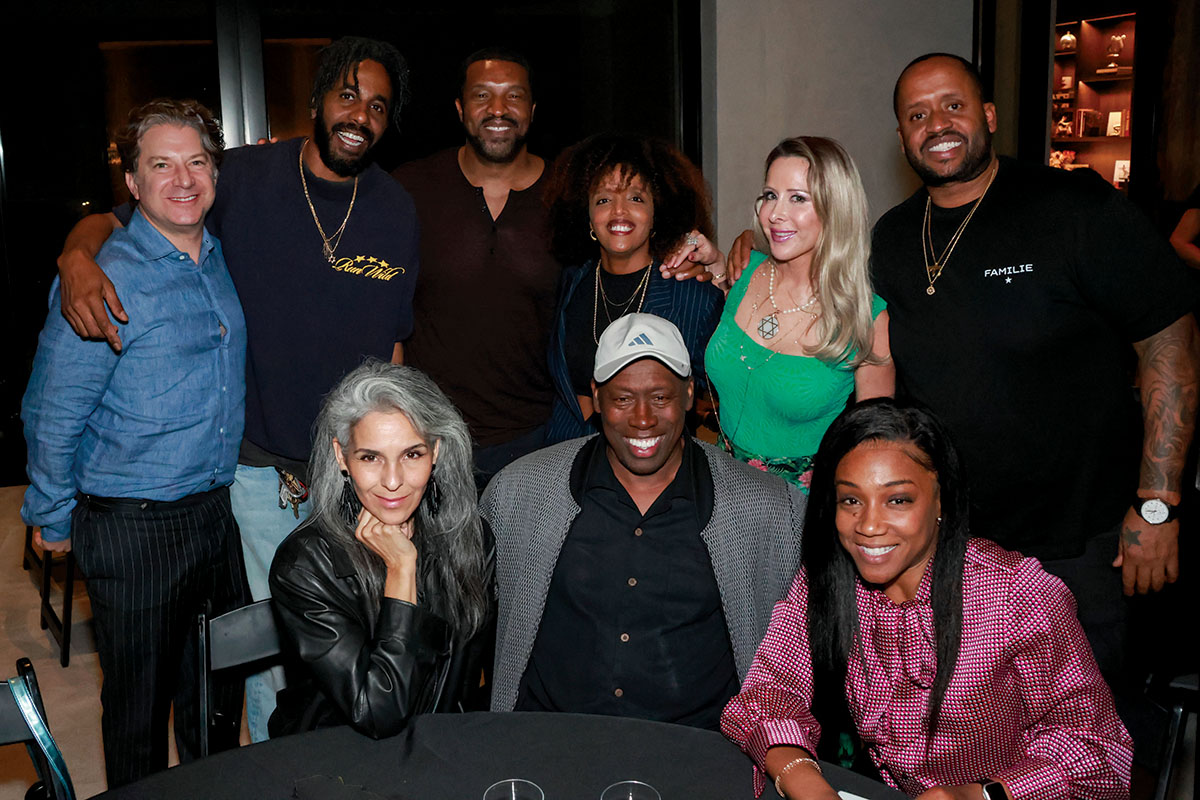
On June 2, the Black-Jewish Entertainment Alliance (BJEA) — an initiative to bring the two communities together in solidarity so that they can support each other in their struggles—held an intimate gathering that drew industry executives and entertainers for a private dinner in Beverly Hills. Among the guests was Ethiopian educator Ashager Araro.
Araro is an Ethiopian-Israeli activist, influencer and public diplomat and passionate voice at the intersection of Blackness and Jewish identity. She founded Battae, the Ethiopian-Israeli Heritage Center in Tel Aviv, and has built a global social media platform under the handle
@BlackJewishMagic, where she has more than 75,000 followers. She’s a self-described liberal feminist who supports black lives while also identifying as a proud Zionist.
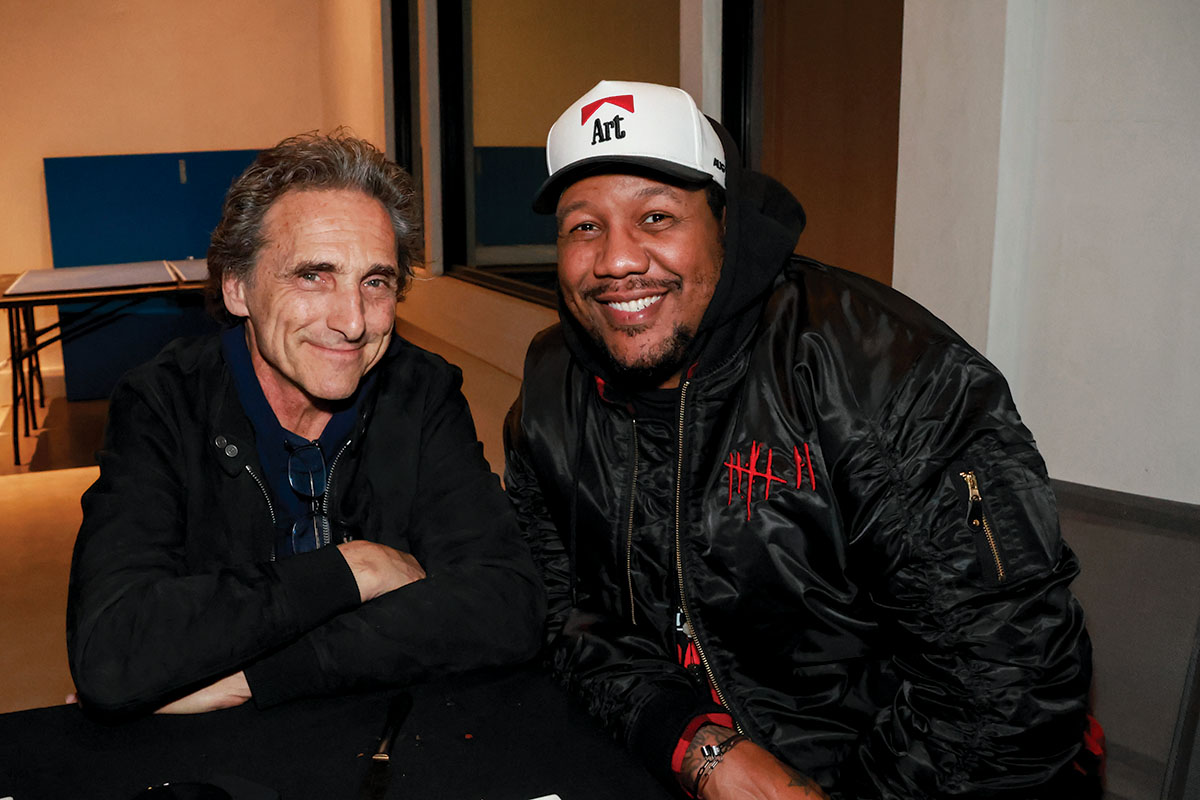
Over authentic Ethiopian cuisine and conversation, Araro led high-profile guests such as comedian Tiffany Haddish, Hollywood producer Lawrence Bender, Jamaican-Canadian actor Roger Cross and music executive Jody Gerson through the richly layered intersections of Ethiopian and Jewish identity.
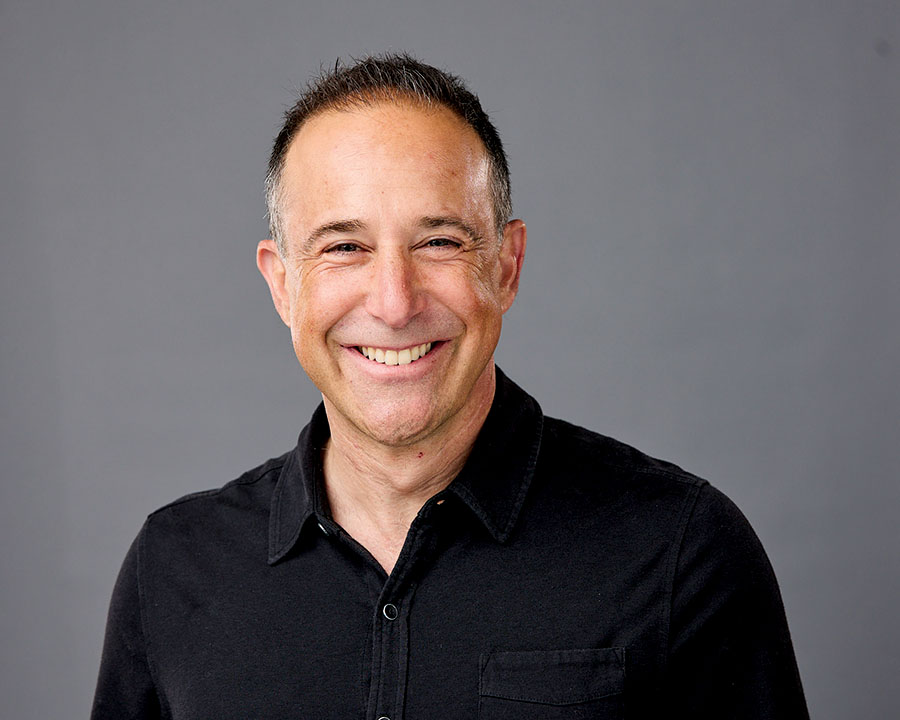
American Jewish University (AJU) has launched “The Jewish Tomorrow,” a new podcast exploring the future of Jewish life in North America and beyond. Hosted by culture strategist and author Robert Richman, the podcast is the inaugural initiative of AJU’s recently established 2050 Institute.
“This is not just another Jewish podcast — it is an invitation to ask deeper, more urgent questions about identity, purpose and Jewish community,” AJU President Jay Sanderson said. “Through candid, thought-provoking conversations with leaders, creators and changemakers, the podcast seeks to spark new ideas and inspire meaningful action.”
Among the guests featured to date are Sanderson, Jewish influencer Jonah Platt and Jewish futurist Becca Leviss, who sat down with Richman for discussions that wrestle with the most pressing challenges facing the Jewish world. Upcoming episodes will continue to bring together leading voices from across sectors to explore the opportunities, challenges and emerging trends shaping the Jewish future.
The podcast — which is available on all major platforms — aims to foster bold ideas, diverse perspectives and honest dialogue while encouraging audiences to engage through future digital platforms, live events and curated gatherings, AJU leadership said.
“Our target audience is broad — Jews who are interested in what’s ahead,” Richman said. “Everything is changing so quickly, and it’s both exciting and scary at the same time. We’re essentially creating a front-row seat to that revolution through these conversations, which people can listen to from the comfort of their homes and cars.”
Richman is a globally recognized speaker and author of “The Culture Blueprint: The Guide to the High Performance Workplace.” A former culture strategist at Zappos and co-creator of Zappos Insights, he has advised organizations including Google, Toyota, Salesforce, IBM and Pfizer on workplace culture and leadership. He is also a guest lecturer at Harvard University.
‘ The preceding article may include information circulated by third parties ’
‘ Some details of this article were extracted from the following source jewishjournal.com ’