Tacoma Arts Live, the nonprofit performing arts and community organization that’s served the South Sound since 1979, announced this week it’s bringing the curtain down for good this summer and has put its sole remaining building, the historic Tacoma Armory, up for sale.
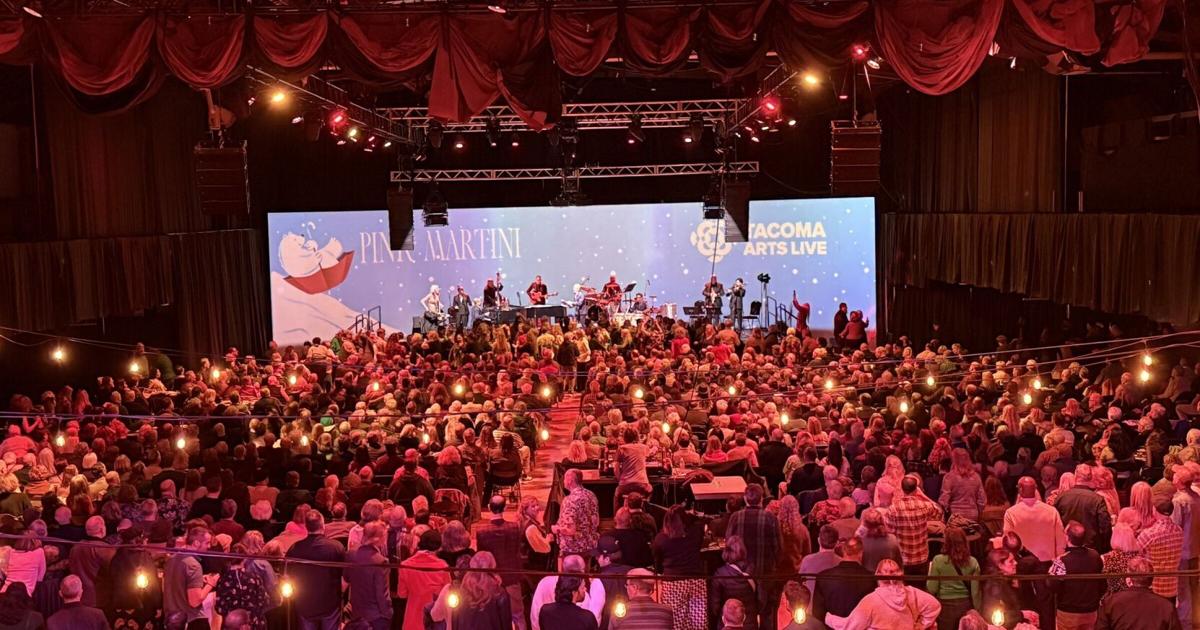
All programming, except for educational programming, will cease on June 30, according to a news release. The organization, which had previously operated Tacoma’s Pantages Theater, Rialto Theater and Theater on the Square until 2021, will no longer host or put on any arts events. This includes events like BrewFiveThree, Arts at the Armory, weekly Sunday roller skating, and music such as a recent performance by the Portland band Pink Martini.
The organization, which has an operating budget of about $5 million, cited financial challenges, including declining ticket sales following the pandemic, saying in a news release that organizational changes and attempts to reduce expenses were insufficient to address those ongoing difficulties.
In addition, Tacoma Arts Live currently has $3.3 million in debt that is secured by the Armory, according to board chair Lisa Kremer. She said the organization has been paying approximately $25,000 per month in debt service and, while they’ve seen success in their community programming, they “just can’t cover the debt.”
There are currently 17 core staff remaining, of whom 15 are full-time and two are part-time, and approximately 16 additional part-time staff, according to Kremer. The vast majority of them are either expected to resign before that June date or will be laid off over the next five months, after which four to five staff members will remain to continue working on the educational programming, Kremer said.
“The arts are a key ingredient in building healthy communities,” Kremer said in the news release. “We are proud to have fostered art expression in the South Sound for more than 25 years. The closure of Tacoma Arts Live will leave a hole in our region, and we hope that other organizations will continue to ensure access to arts and arts education.”
One of the programs that will be lost is Accelerating Creative Enterprise, an incubator program for Black, Indigenous, People of Color and women entrepreneurs. Antonio Gómez, the founder and head of ACE and chief engagement officer for Tacoma Arts Live, said he hopes they’ll be able to connect those in the program with other sister nonprofits. However, he said the “essence” of the program — the coworking space and affordable event space — will no longer be something they offer. He said this is unfortunate as Tacoma plays a key role in the arts ecosystem of the region.
“In the South Sound, there is a high number of creatives that live here because of rising costs in Seattle. When you look at Tacoma in particular, you see a medium income that is more reflective of working families,” Gómez said. “That’s reflected in the number of artists that come here to be able to work. … Our metro areas are interconnected.”
Gómez said the closure is one that will have broader impacts on Tacoma and the region.
“The closing of the Armory is not just the story of Tacoma Arts Live. It also has to do with the ecosystem that’s available to the creative sector,” Gómez said. “What happens to this incredible constellation of hardworking creatives that call the South Sound home? Where are they going to produce? Where are they going to rehearse? Where are they going to meet? How can they be sheltered that continue to elevate the quality of life in the South Sound?”
Tacoma City Councilmember Jamika Scott grew up in the city’s Hilltop neighborhood and serves on the city’s economic development committee. Scott said losing both Tacoma Arts Live and the Armory means losing another critical “third space” that brings out people who don’t otherwise have easy access to arts programming and also a space for people producing local art.
“It’s one of the closest venues to the Hilltop so I appreciated that accessibility for folks in the area that don’t always have walking-distance venues to go to,” Scott said. “There was all this possibility for those like local filmmakers to be able to use it as a sound stage, so there was just a lot of thoughtfulness going into how to use this space. … It’s one of those things where, right now, there are a lot of things we know we’re going to miss, but I think as time goes on, there are going to be times where we’re sitting around like, ‘Oh shoot, they used to have that here.’”
‘ The preceding article may include information circulated by third parties ’
‘ Some details of this article were extracted from the following source www.yakimaherald.com ’